




Antique Blue Runner Rug
An antique blue runner rug brings long, narrow warmth to a hallway using rich dyes and durable weave.
Antique Blue Runner Rug
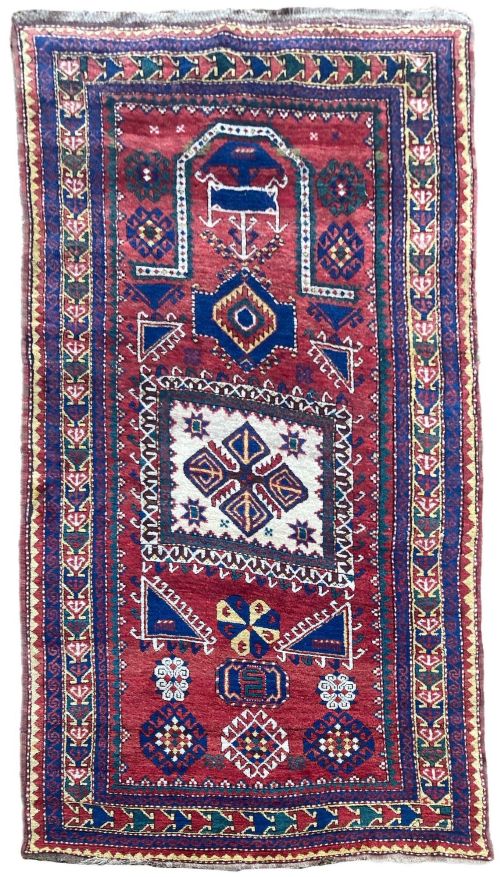
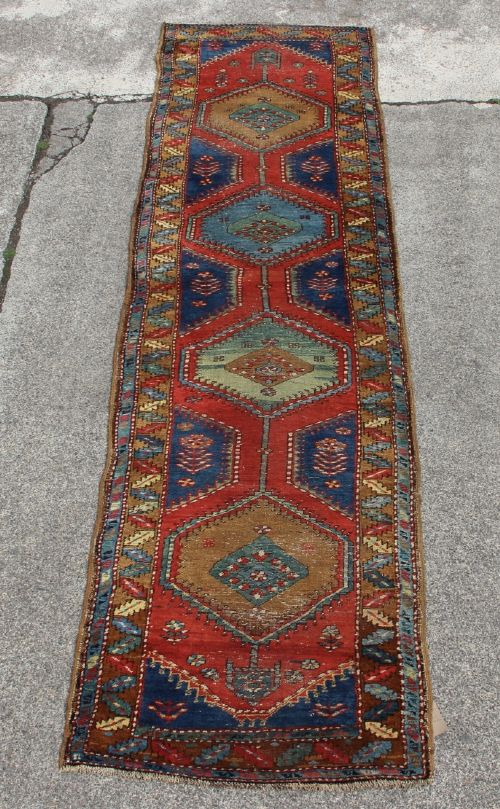
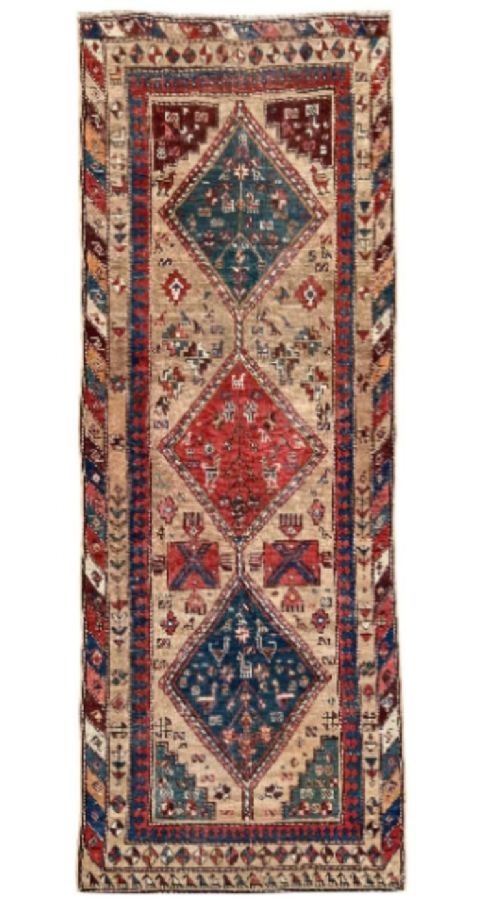
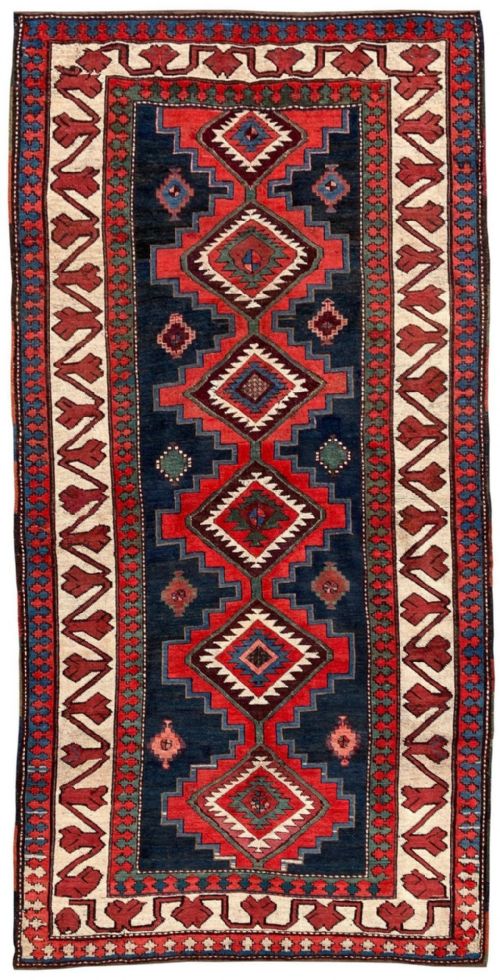
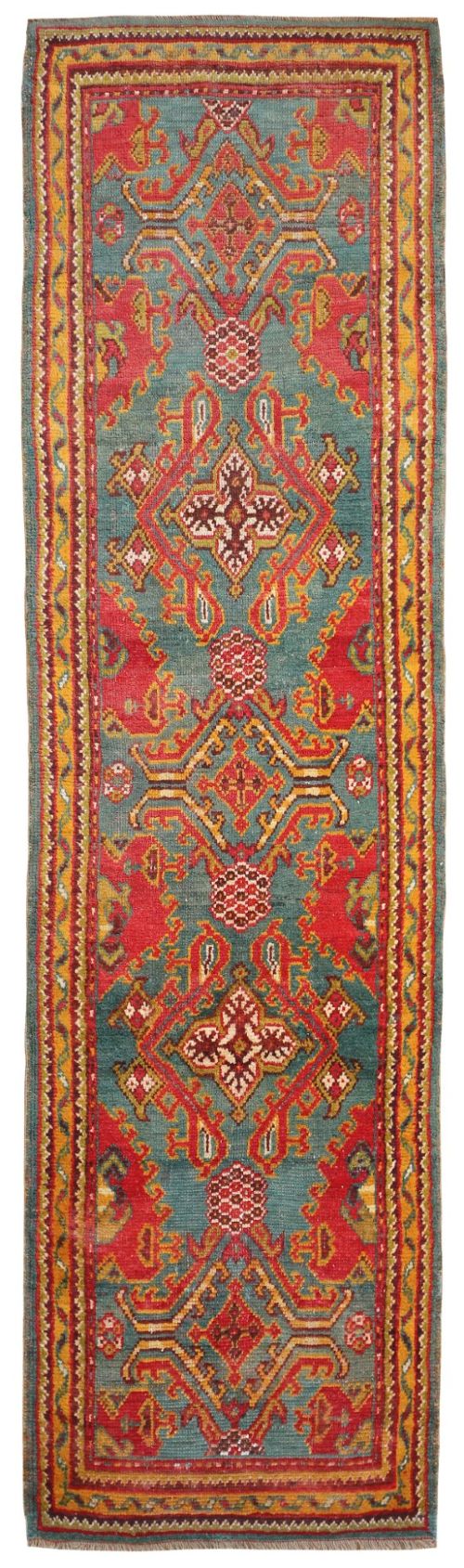
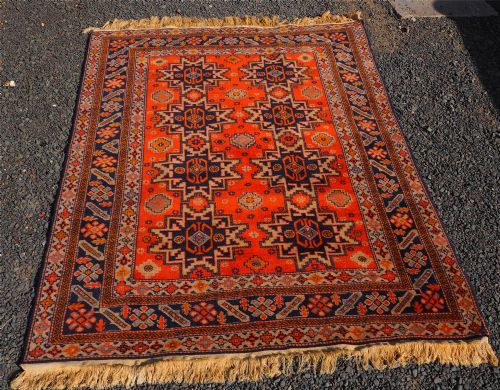
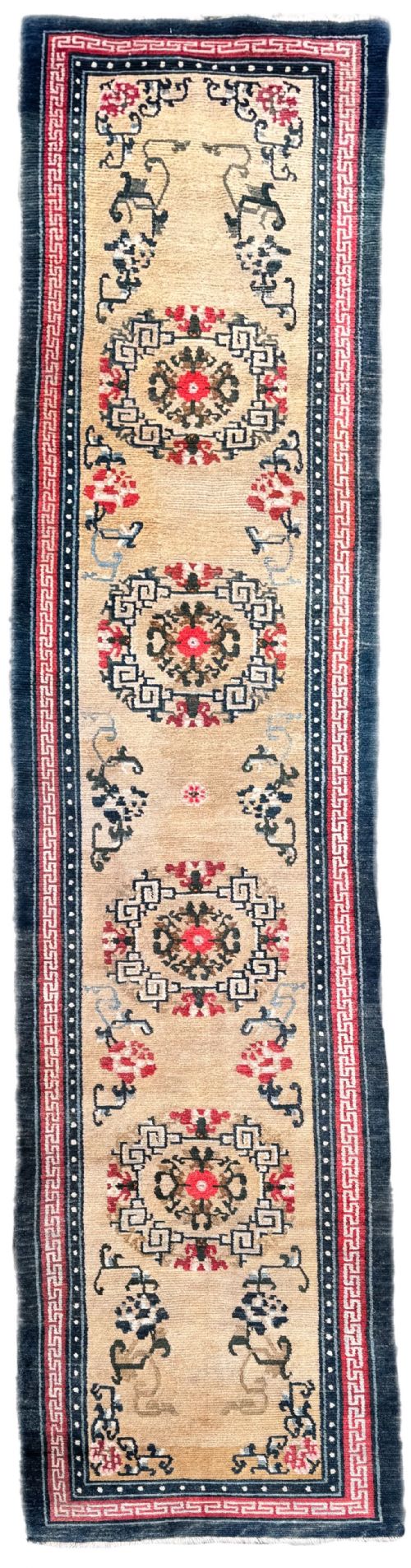
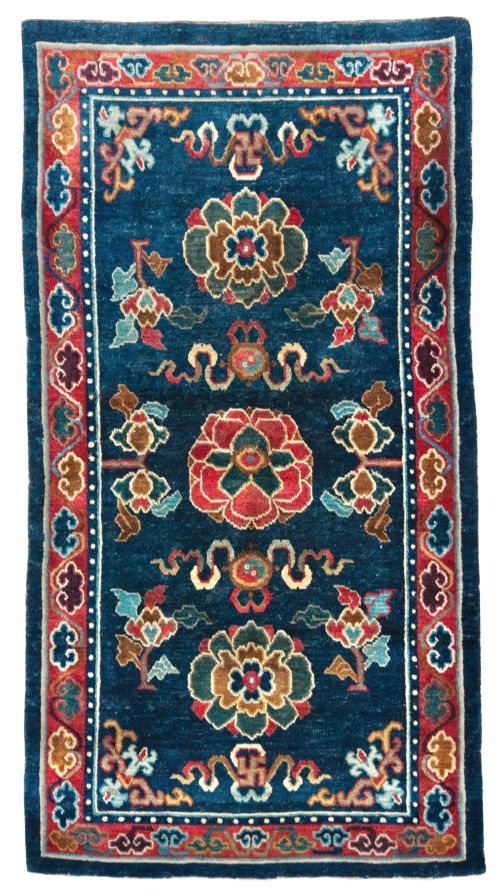
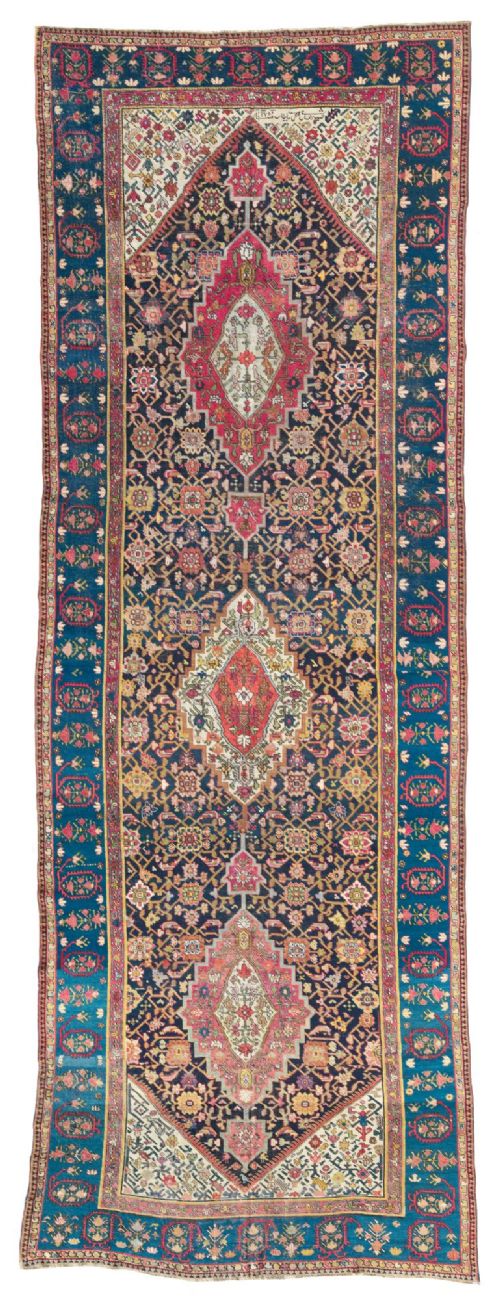
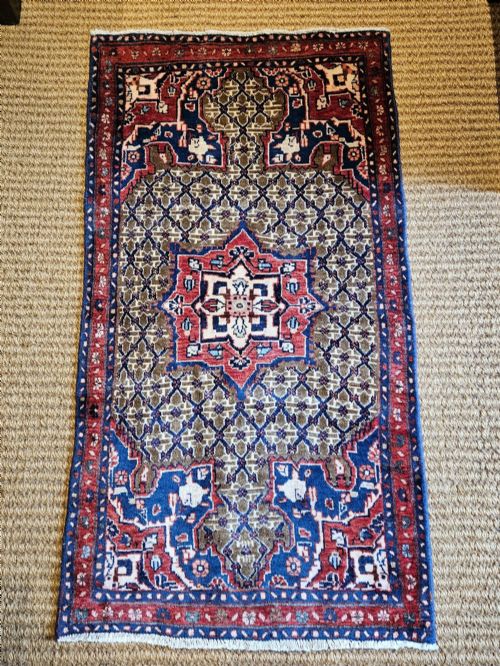
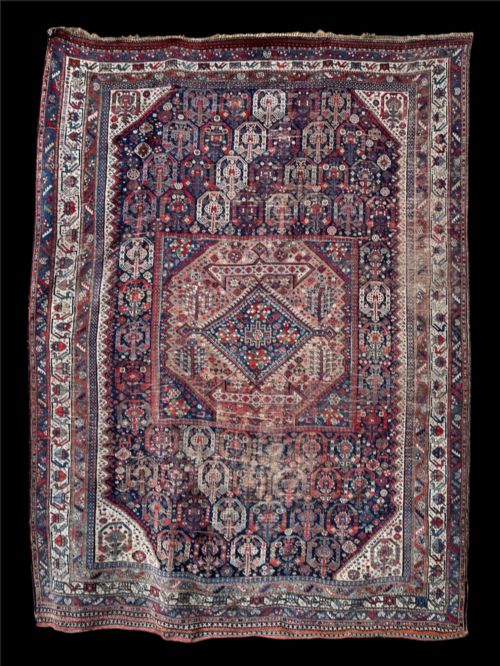
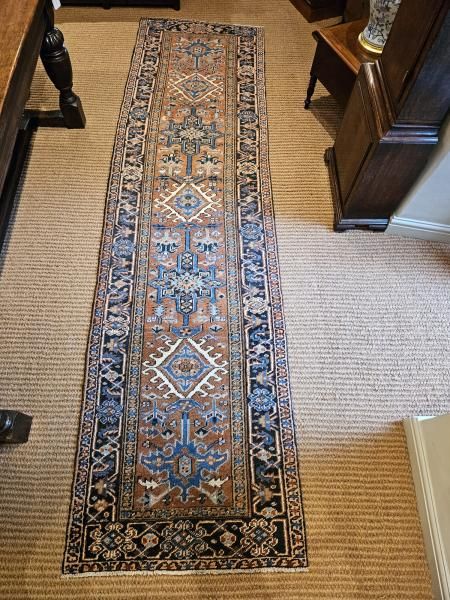
When you search for an antique blue runner rug, you encounter long, narrow floor coverings designed specifically for corridors, hallways, and narrow spaces. These textiles originate from diverse weaving traditions across Persia, the Caucasus, Anatolia, and Tibet, spanning the nineteenth and early twentieth centuries. The format prioritises linear geometry, medallion patterns, or repeating boteh motifs that guide the eye along the length of the corridor.
The dominant examples on this page reflect regional tribal aesthetics, including Kurdish, Bakhtiar, Kazak, and Shirvan workshops. Runners often display deep indigo fields contrasted with ivory, madder red, and softer blue accents. Their proportions vary from compact gallery lengths to substantial hallway spans exceeding four metres.
Materials and construction
Makers constructed these runners using hand-spun wool for the pile, foundation warp, and weft threads, occasionally incorporating cotton for structural stability. This natural fibre provides resilience under foot traffic while retaining flexibility along the loom-woven edges.
Dyeing relied primarily on natural sources to achieve deep blue indigo tones alongside secondary vegetable colours. Artisans knotted the wool by hand onto vertical or horizontal looms, securing each row with sturdy woolen wefts.
Available dimensions for these long formats range from compact gallery sizes to impressive runners exceeding four metres in length.
Assessment of quality
Knot density and yarn preparation govern the structural integrity of each piece. Tightly packed wool yields a crisp design outline and longevity, whereas looser tension produces softer lines and quicker pile wear in high-traffic corridors.
The depth and consistency of the natural blue dye determine visual success. Superior examples exhibit abrash, where subtle tonal shifts occur naturally across the indigo field due to variable dye batches.
The Antique Blue Runner Rug Glossary
- Runner
- A long, narrow carpet format intended for hallways, stairs, and corridors. It guides movement through a building while protecting wooden flooring.
- Abrash
- Subtle tonal variations in colour across a rug field, caused by distinct dye lots or hand-spun wool batches. It is a hallmark of traditional vegetable dyeing.
- Warp
- The vertical foundation threads stretched lengthwise on a loom before knotting begins. Wefts and pile knots are interwoven around these structural strands.
- Weft
- The horizontal threads passed back and forth across warp threads to secure each row of knots. This maintains the rectangular geometry of the textile.
- Pile
- The dense, vertical surface of cut or looped yarn forming the functional top layer of the rug. It protects the woven foundation beneath.
Antique Blue Runner Rug: Frequently Asked Questions
Where do these runner rugs work best?
These runners fit naturally into long hallways, narrow entryways, and corridors where linear floor space requires softening. Their proportions direct foot traffic while adding traditional texture to transition areas.
Position them away from excessive direct sunlight to preserve natural indigo and madder tones over decades of domestic use.
How do I clean an antique runner?
Gentle surface brushing and careful vacuuming without a rotating beater bar remove loose dirt from the wool pile. Professional specialist cleaning remains essential for deep maintenance.
Avoid household chemical detergents or excessive water immersion, as these methods damage traditional natural dyes and wool foundations.
Are these runners durable for daily use?
Hand-spun wool combined with tight knotting creates a resilient surface suited to everyday corridor traffic. A quality underlay adds cushioning and prevents slipping.
Rotating the rug periodically ensures even wear across high-traffic sections of the hallway.
How do I identify regional rug styles?
Caucasian pieces tend to display geometric medallions, hooked polygons, and crisp primary palettes. Persian and Kurdish runners frequently incorporate intricate floral lattice designs, boteh motifs, and softer indigo fields.
Examining knot structure, fringe finishing, and border guard stripes helps attribute pieces to specific weaving regions.