




Vintage Persian Art
These vintage persian art pieces bring rich tribal textiles, oils and metalwork into modern rooms.
Vintage Persian Art
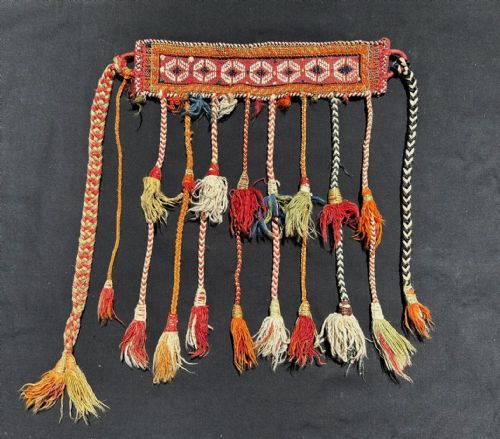
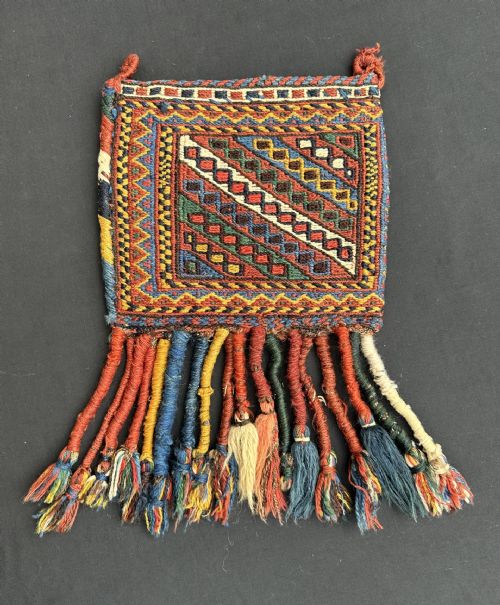
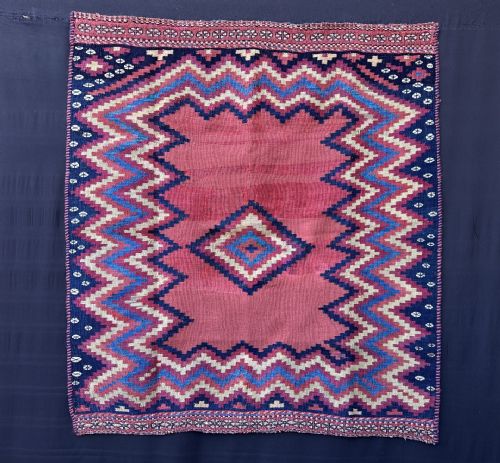
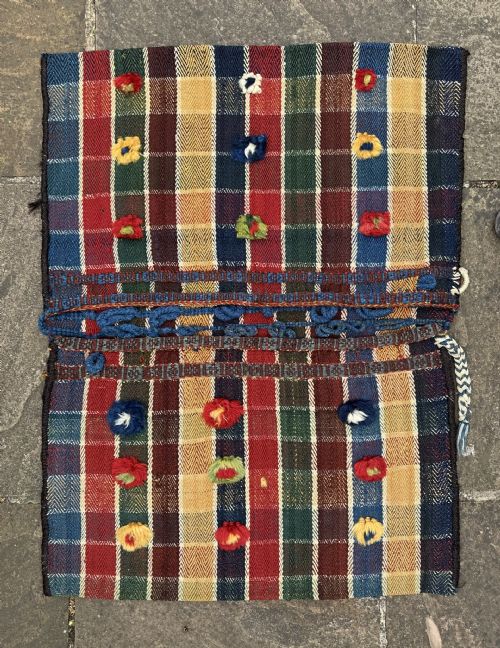
When you search for vintage persian art, you encounter a diverse selection of regional tribal weavings, oil paintings and metalwork from the nineteenth and twentieth centuries. These items range from nomadic storage pouches and flatweaves to framed canvases and carved wooden models.
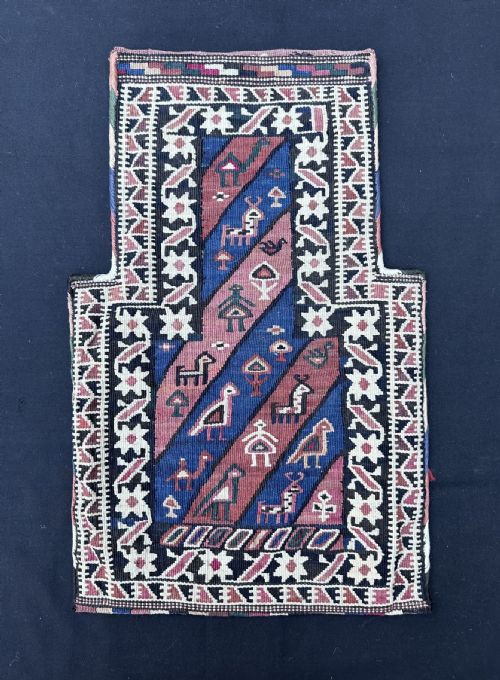
The objects stem from various specific tribal groups and cultural spheres, including the Qashqa'i, Afshar, Bakhtiari and Kordi peoples. Buyers most frequently meet utilitarian nomadic weavings such as salt bags, saddle bags and bread sofreh alongside decorative wall hangings and textiles.
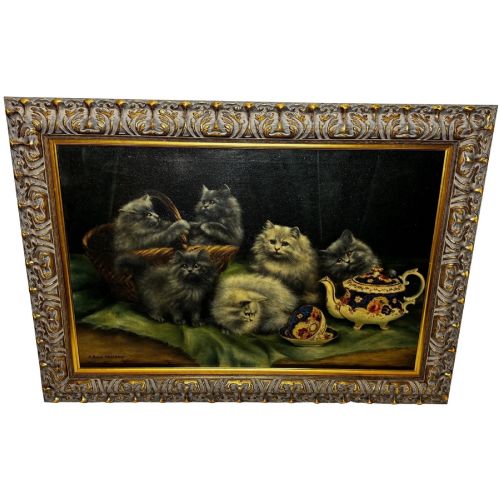
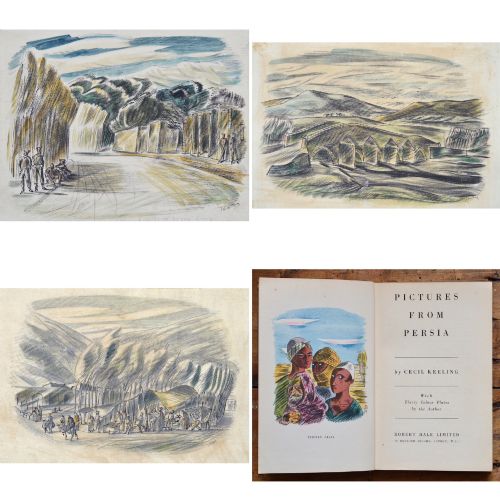
The selection bridges functional tribal craft and fine art, encompassing everything from nineteenth century silk jajim to wartime drawings and oil paintings depicting Persian subjects. Each piece reflects the distinct aesthetic traditions of its maker and region.
Materials and construction
The weavings rely on natural materials such as hand-spun wool, cotton and silk, frequently coloured with natural dyes. Artisans also utilised felt applique, gesso and oil on canvas to create pictorial and textural depth.
Nomadic and village pieces display specialised structural techniques, including pile knots, flatweave structures and intricate embroidery. Heavier items incorporate carved hardwood and brass to form chargers and sculptural models.
Vintage Persian Art Retail Price Guide 2026
Typical asking prices for vintage persian art among the pieces listed under this phrase on Sellingantiques today, from the lower quarter to the upper quarter. They describe what is for sale here now, not the wider market.
Nomadic weavers occasionally embedded small protective amulets directly into the pile of baby cradles to ward off misfortune.
Variations in quality
Quality rests upon the fineness of the materials, the clarity of the natural dyes and the precision of the execution. Pieces featuring complex iconography, such as animal figures or detailed pictorial scenes, demand greater skill from the maker.
The integrity of the structure and the preservation of the original surface materials dictate the desirability of each textile or artwork. Superior examples retain their saturated colour and structural stability despite significant age.
Agnes Augusta Talboys·Cecil Keeling·Robert Kime
The Vintage Persian Art Glossary
- Sofreh
- A woven cloth utilised for serving bread or meals. These textiles often feature geometric tribal motifs.
- Jajim
- A flatwoven textile traditionally utilised as a cover or bedding. They are constructed from narrow strips stitched together.
- Kilim
- A tapestry-woven carpet or hanging produced without a pile. These flatweaves display sharp geometric patterns.
- Charger
- A large decorative plate or platter. Metal examples often feature chased or engraved surface decoration.
Vintage Persian Art: Frequently Asked Questions
How do I hang a textile?
Textiles and bag faces can be mounted on stretched linen or supported by a custom fabric sleeve attached to the reverse. This method distributes the weight evenly across the structure.
Avoid direct nailing through the fabric, as this stresses the wool and cotton foundations over time.
What is a bread sofreh?
A bread sofreh is a flatwoven cloth spread upon the floor or ground during meals to catch crumbs and place food upon. They are woven by nomadic and village women using local wool and cotton.
These pieces often display minimalist geometric designs dictated by the practical requirements of flatweaving.
How do I identify Qashqa'i weavings?
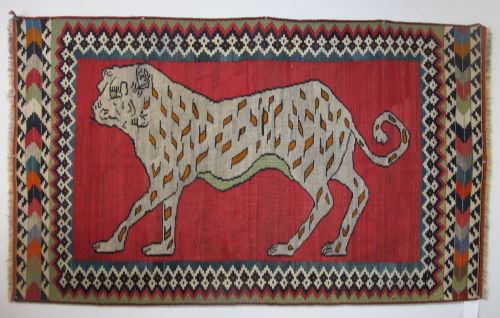
Qashqai weavings originate from nomadic groups in south-west Persia and typically feature saturated madder-red grounds and characteristic medallion layouts. They frequently incorporate stylized animal and plant motifs.
The handle of these textiles tends to be supple, reflecting the quality of the regional wool employed by the weavers.