

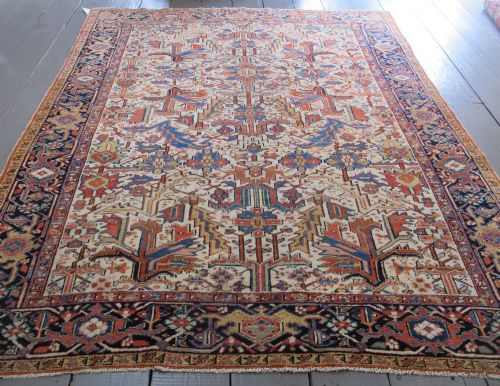
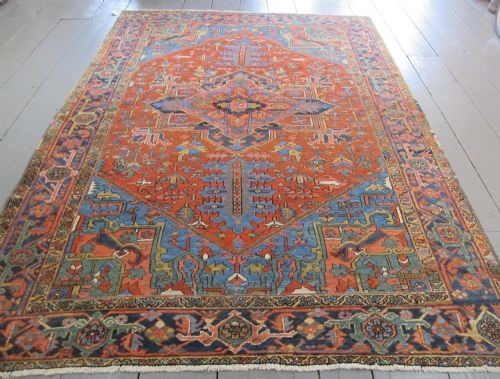
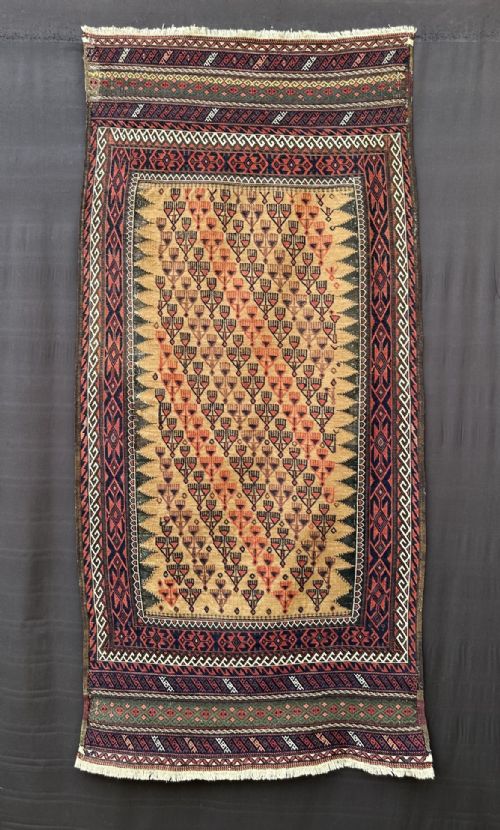
Vintage Persia Rug
A vintage persia rug brings the rich pattern and hand-knotted texture of traditional tribal and village weaving directly into your living space.
Vintage Persia Rug
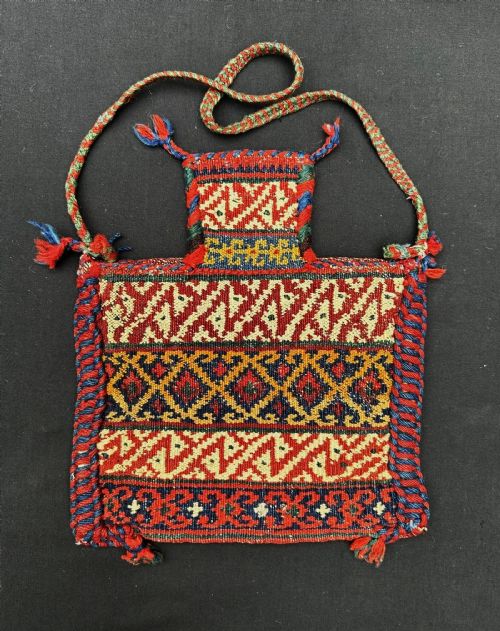
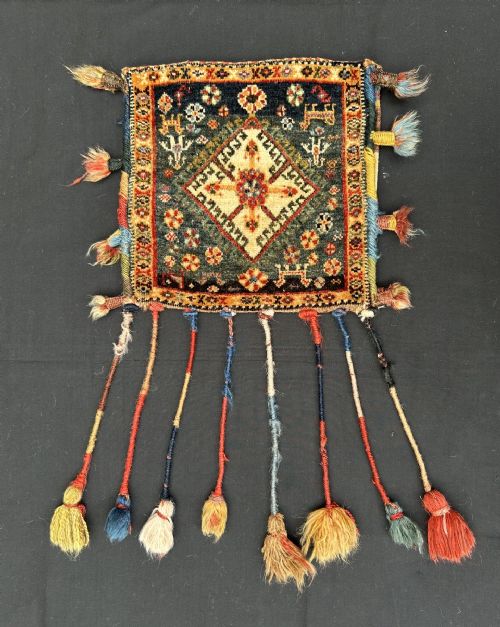
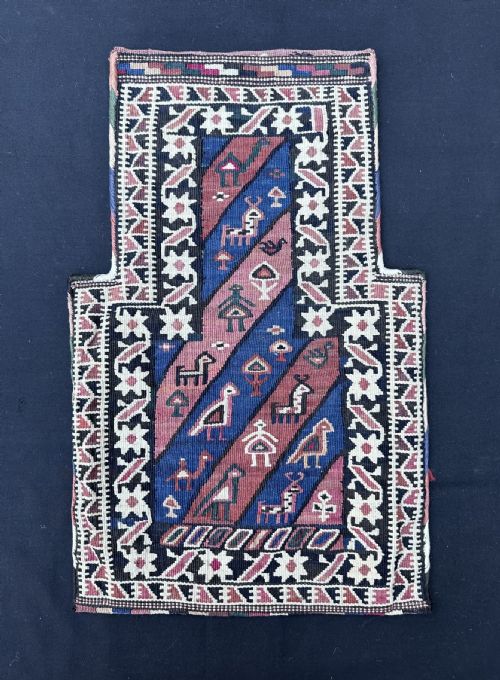
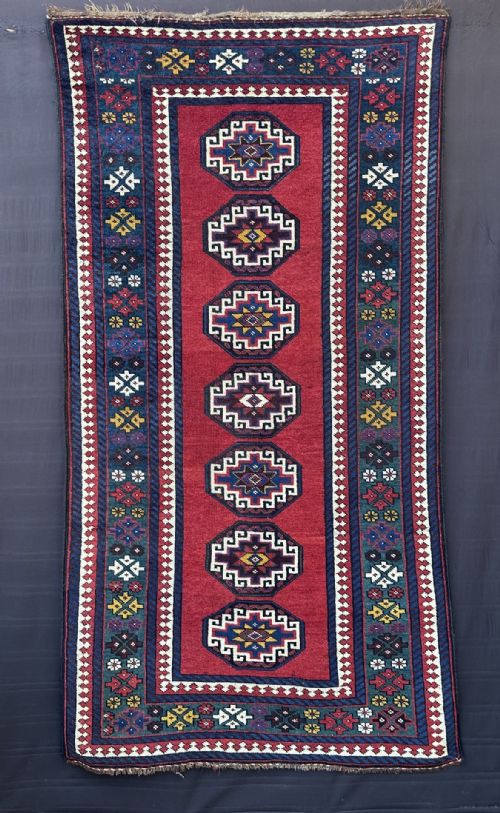
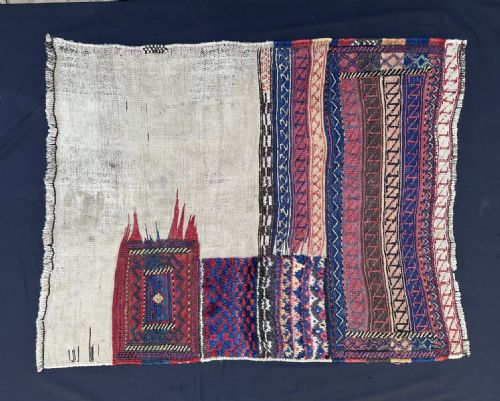
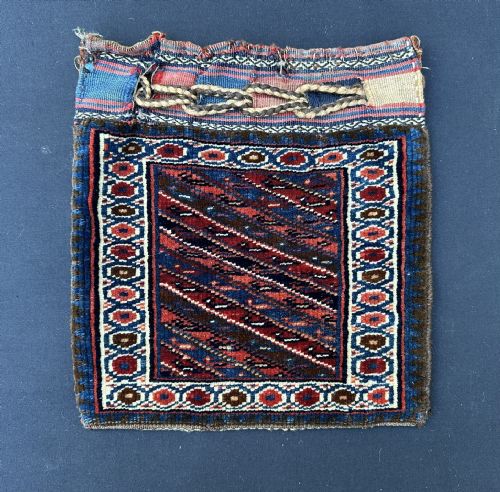
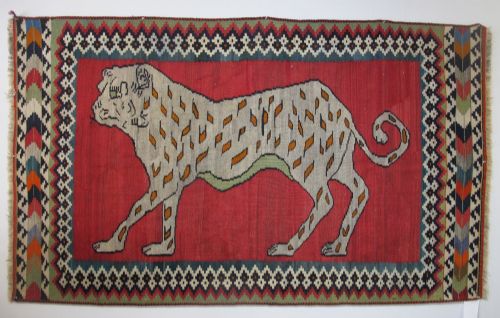
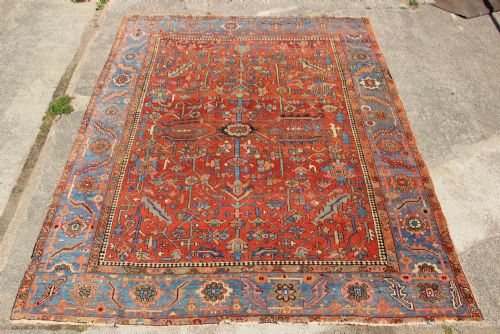
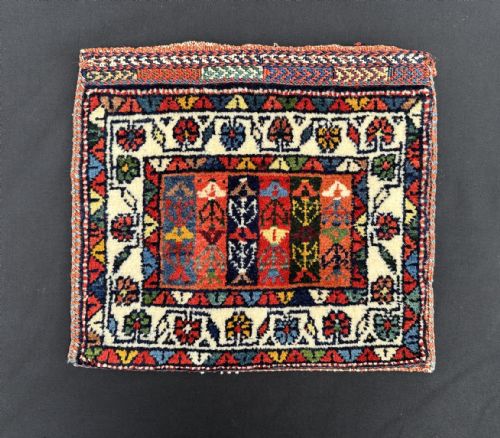
When someone searches for a vintage persia rug, they encounter a wide range of hand-woven textiles originating from various provinces, nomadic confederacies, and distinct villages across the region. These pieces span from large room-size carpets woven in major centres like Heriz and Tabriz down to smaller utilitarian objects such as salt-bags, bread sofreh, and vanity-bags produced by nomadic groups.
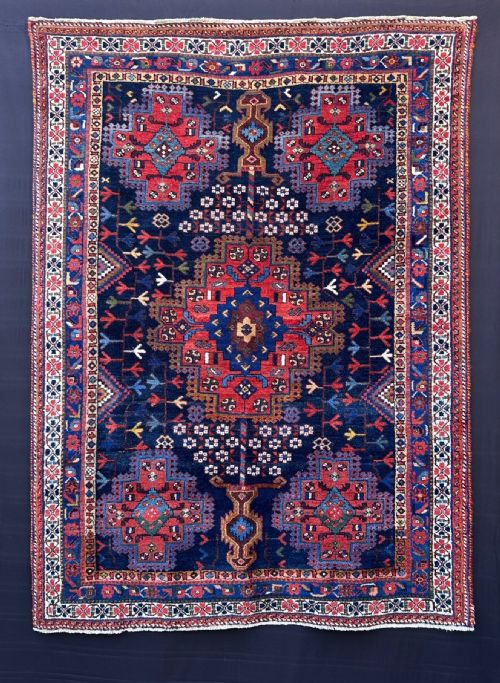
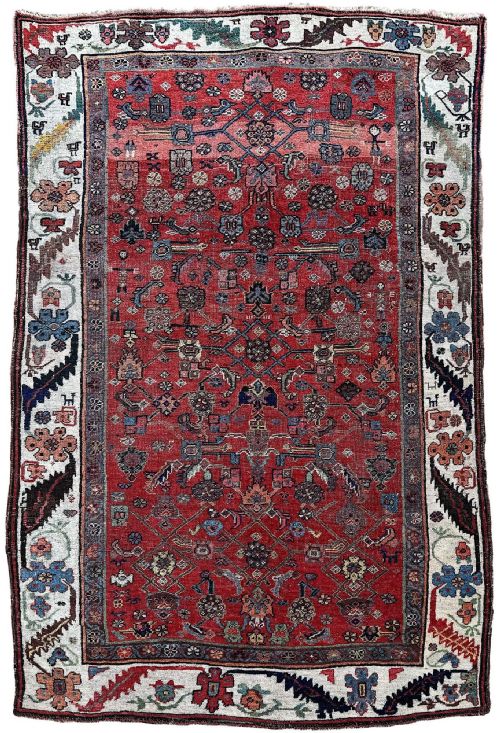
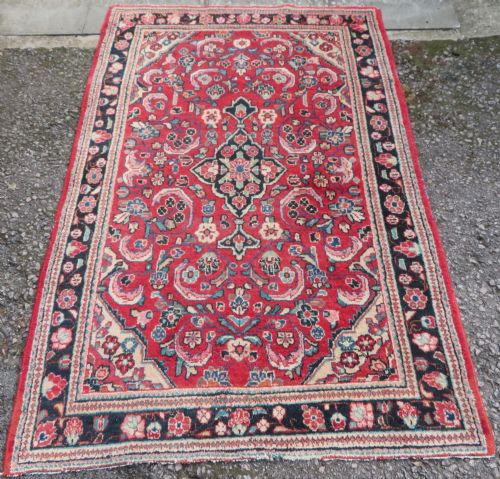
The version most commonly met on this page is the room-size or area rug hailing from production hubs like Hamadan, Bidjar, or Afshar regions, often displaying geometric medallions or repeating tribal motifs. Alongside these floor coverings, buyers frequently discover specialised tribal textiles, including animal trappings, grain sacks, and narrow hallway runners that reflect the specific regional weaving traditions of nineteenth and early twentieth-century Persia.
Geographic attribution plays a central role in defining these textiles, linking specific patterns directly to the communities that knotted them, whether settled village workshops or moving pastoral tribes. Understanding these origins allows a collector to trace the distinct palette, wool quality, and structural nuances characteristic of distinct weaving districts such as Fars, Kerman, or Khorassan.
Materials and construction
Weavers constructed these pieces predominantly using hand-spun wool for the pile, combined with cotton foundations for warps and wefts, though certain nomadic examples incorporate goat hair or wool throughout the entire structure. This locally sourced wool retains natural lanolin, giving the pile resilience and a soft lustre that develops gracefully over decades of use.
The application of natural dyes provided the characteristic rich palettes seen across these textiles, utilising plant and mineral extracts to achieve deep indigos, madder reds, and warm yellows. Artisans secured the yarns using hand-tied knots on vertical looms, finishing the edges with sturdy selvedges and securing the ends with flatweave skirts or braided fringes.
Some nomadic bags still hold traces of desert sand tucked deep within their flatwoven folds from journeys taken a century ago.
Markers of distinction
Quality in these textiles rests heavily on the fineness of the knotting, the precision of the design execution, and the depth achieved through natural dye use. Tighter knot counts generally allow for sharper rendering of intricate geometric or floral motifs, while superior wool preparation ensures the pile retains its integrity and texture over time.
Design integrity and visual balance also separate ordinary examples from exceptional ones, particularly in how harmoniously a weaver distributed colour variations and managed abrash across the field. Furthermore, the completeness of original borders, end finishes, and structural symmetry heavily influence the standing of any given piece within its regional type.
The Vintage Persia Rug Glossary
- Abrash
- Natural tonal variation in rug pile caused by changes in dye batches or hand-spun wool lots over the weaving process. This subtle striping indicates traditional dyeing methods.
- Sofreh
- A flatwoven textile traditionally used for dining, handling dough, or serving bread within nomadic and village households. These utilitarian cloths often feature striking minimalist or tribal symbols.
- Knot count
- The density of individual knots tied per square inch or decimetre across the foundation. Higher density often permits more intricate detail work in classical carpets.
- Warp
- The foundational vertical threads stretched tightly on the loom before knotting begins. Weft threads pass horizontally between these warps to lock the rows of knots into place.
- Kilim
- A flatwoven textile produced without a raised pile, created by tightly interweaving warp and weft strands. These pieces frequently serve as rugs, bags, or decorative covers.
Vintage Persia Rug: Frequently Asked Questions
What is a vintage persia rug?
A vintage persia rug is a hand-knotted or flatwoven floor covering or textile originating from Persian tribal confederacies, villages, or city workshops during the late nineteenth and early twentieth centuries. These pieces utilise traditional techniques, natural dyes, and locally sourced wool.
They reflect the specific cultural motifs and weaving methods of the region where they were made, ranging from nomadic saddle bags to grand room-size carpets.
How do I care for a vintage rug?
Living with these textiles requires gentle, regular maintenance such as careful vacuuming without a beater bar to protect the hand-spun wool pile. Professional cleaning suited for antique textiles helps preserve the natural dyes and structural integrity.
Keeping the piece out of direct, harsh sunlight prevents the natural colours from fading unevenly, ensuring the wool maintains its characteristic depth and lustre.
How do I identify different regional types?
Identifying regional types involves examining specific design motifs, colour palettes, and structural characteristics unique to areas like Heriz, Bidjar, or Fars. For instance, certain provinces favour bold geometric medallions, while others employ intricate all-over floral patterns.
Foundation materials, such as cotton versus wool warps, along with particular edge finishes, also provide key clues for distinguishing village work from nomadic weaving.