


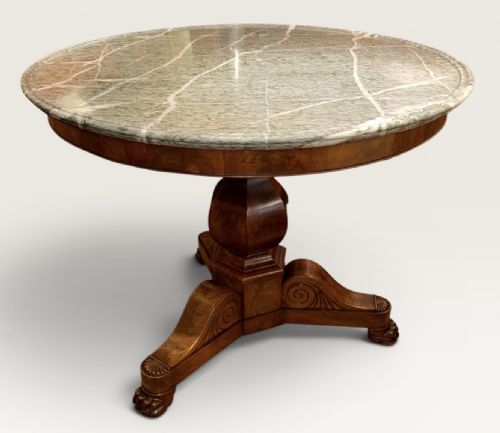

Vintage Pedestal Centre Table
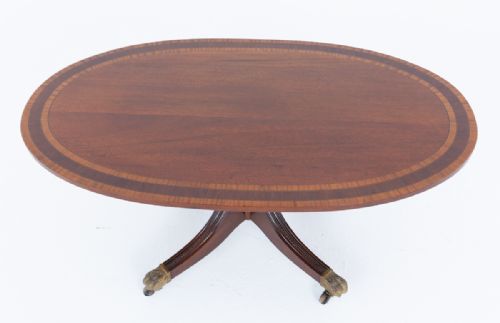
A vintage pedestal centre table anchors a room with a single central column, offering generous surface space and distinct period character.
Vintage Pedestal Centre Table
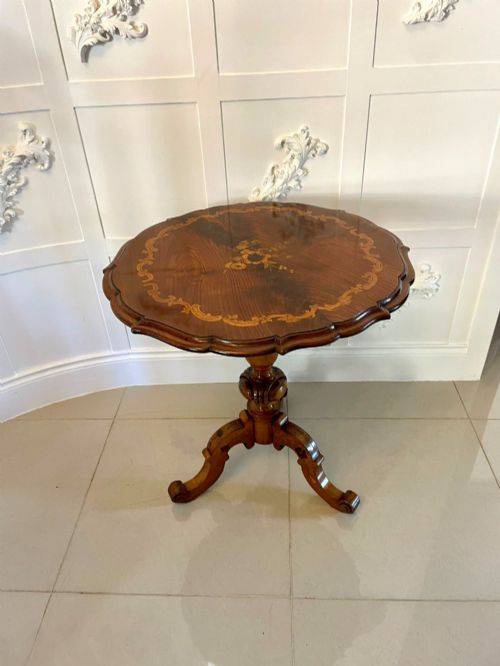
A vintage pedestal centre table stands independently in the middle of a room, unsupported by side walls, utilising a single central pillar or pedestal base. Buyers seek these pieces to anchor a reception room or hallway, providing both a functional surface and a strong architectural focal point.
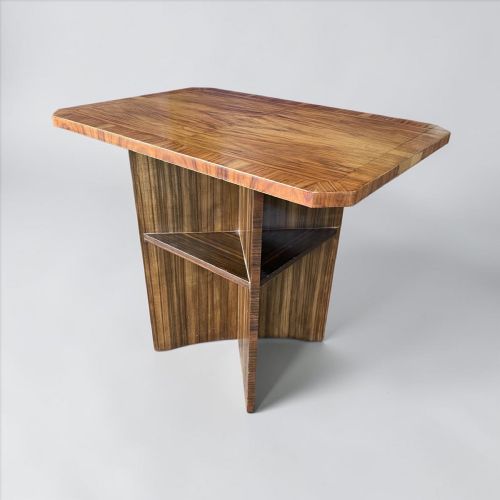
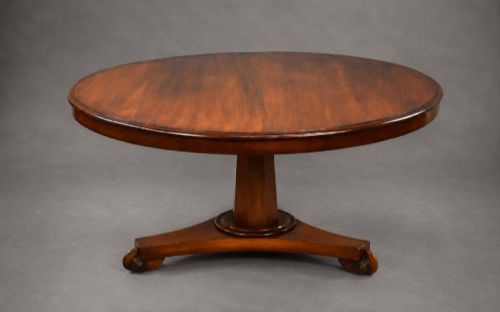
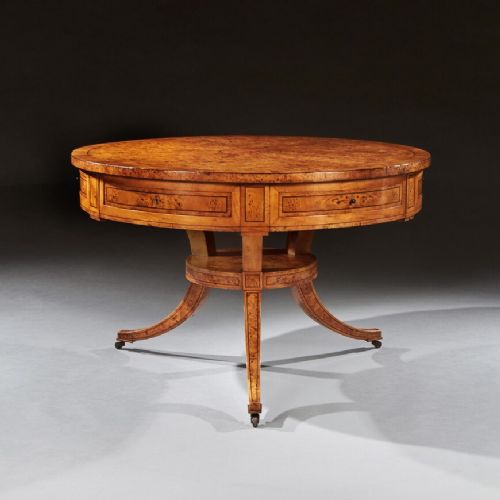
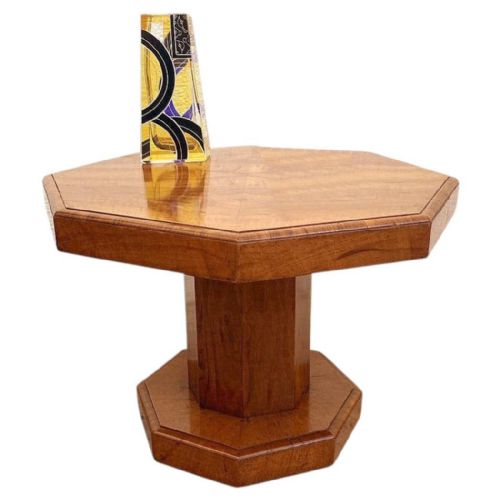
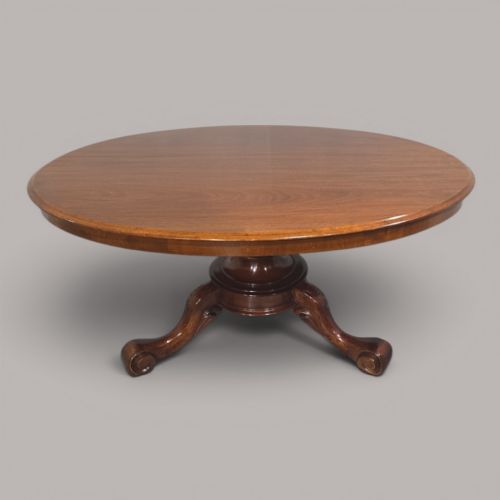
The selections available span multiple eras, most notably the nineteenth century and Victorian periods, alongside later twentieth-century Art Deco interpretations. Common formats include round breakfast tables, tilt-top designs, library drums, and occasional tables.
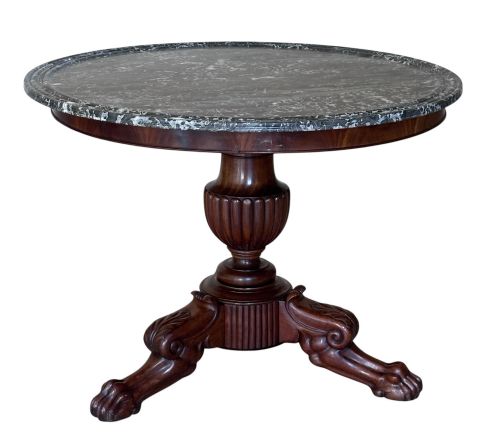
Origins vary widely across the inventory, ranging from English mahogany and oak examples to French gueridons, Italian walnut pieces, and Scandinavian birch or burr root maple creations. Buyers frequently encounter variants featuring marquetry inlay, marble tops, or brass details.
Materials and construction
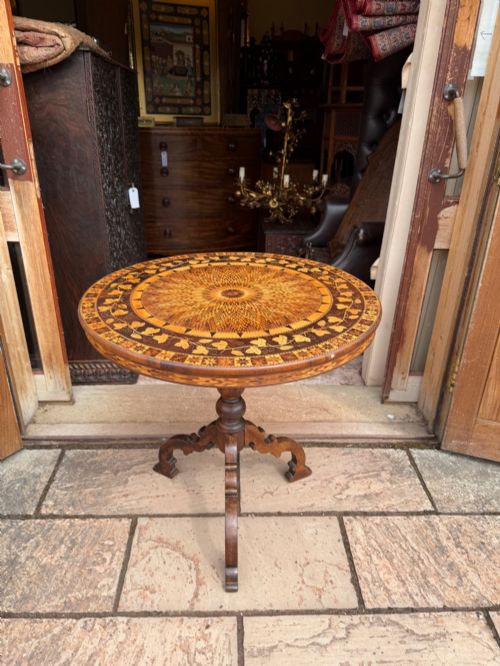
Cabinet makers utilised dense hardwoods such as mahogany, walnut, rosewood, and oak for the primary structures, often selecting figured grains or burr veneers for visual depth. Tops frequently display intricate marquetry, brass inlay, mother-of-pearl work, or inset marble slabs.
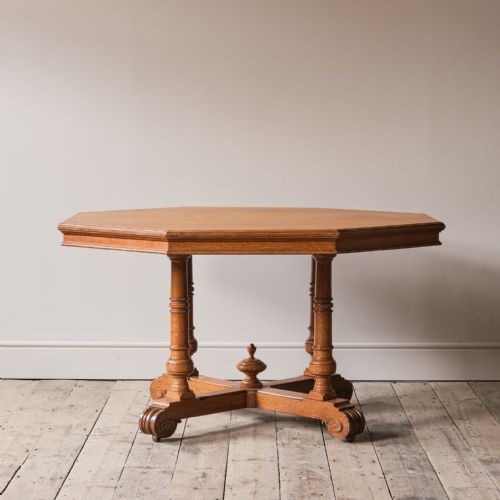
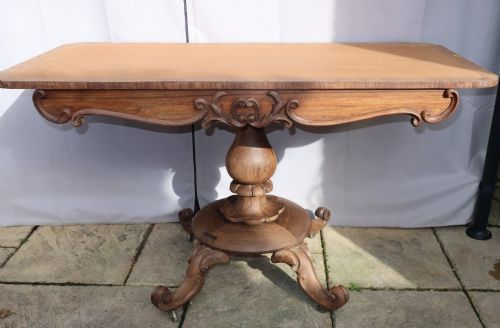
Pedestal supports rely on robust central pillars, which may be octagonal, reeded, or carved, resting upon triform or platform bases. Tilt-top mechanisms employ heavy timber blocks and metal latches to allow the table surface to fold vertically when not in use.
Several tables feature tilt mechanisms designed so servants could fold the tops flat against drawing-room walls after midnight tea.
Evaluating craftsmanship
The distinction between standard items and exceptional examples lies in the selection of timber veneers and the precision of hand-carved or inlaid details. Superior pieces display continuous grain matching, tightly fitted joinery, and original surfaces with mellow patination.
Stability and proportion dictate the merit of a pedestal table, where the weight of the base must properly balance the span of the top. Finer examples integrate sophisticated mechanisms like smooth-action tilt-top catches and original brass castors concealed beneath the feet.
The Vintage Pedestal Centre Table Glossary
- Gueridon
- A small French pedestal table, often round and utilised as a candle stand, occasional table, or centrepiece. Many examples feature decorative painted finishes or inset marble tops.
- Tilt-top
- A table construction featuring a hinged mechanism that allows the top to rotate and lock into a vertical position. This clever design enabled tables to be stored flat against a wall when space was required.
- Triform base
- A three-sided pedestal foot arrangement typical of nineteenth-century tables. It provides stable floor contact while maintaining geometric balance beneath a central pillar.
- Marquetry
- Decorative woodwork where thin slices of various coloured woods, shells, or metals are arranged in pictorial or geometric patterns. Craftsmen apply these veneers to table tops to create elaborate surface designs.
- Drum table
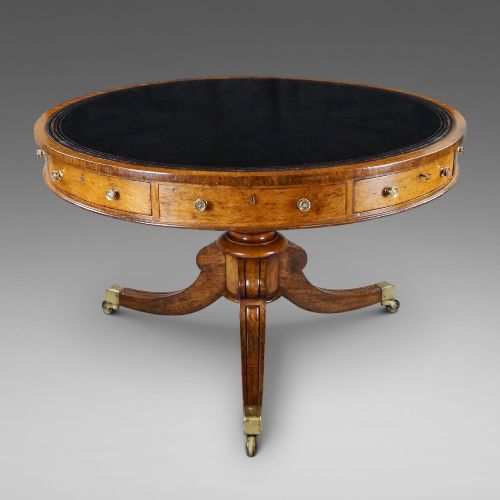
- A heavy circular library table featuring a deep frieze fitted with drawers around the circumference. They typically rest on a robust central column and pedestal foot.
Vintage Pedestal Centre Table: Frequently Asked Questions
Where should I place a centre table?
A centre table belongs in the middle of a room where it can be approached from all sides, functioning as a display surface or a gathering point. Ensure adequate clearance around the perimeter for comfortable movement.
In larger spaces, placing a round pedestal table in a hallway creates a striking first impression when topped with a floral arrangement or lamp.
How do I care for polished wood surfaces?
Maintain timber tables by dusting regularly with a soft, dry cloth and applying traditional beeswax periodically to nourish the grain. Protect the polish from direct sunlight and moisture by using coasters and mats.
Avoid commercial silicone sprays, which build up over time and dull the natural lustre of antique French polish or wax finishes.
Can I use a breakfast table for dining?
Breakfast tables provide versatile dining surfaces for smaller households, thanks to their stable circular tops and absence of corner legs. Guests enjoy ample legroom due to the single central pedestal.
Confirm the diameter of the table to ensure adequate seating space for your intended number of chairs before setting places.
What is the difference between a gueridon and a centre table?
A gueridon is a specific type of French circular table, traditionally lighter in scale and frequently fitted with a marble top. Centre tables encompass a broader category of freestanding tables designed to occupy the middle of a room.
While many gueridons function as centre tables, the former often leans towards decorative occasional use rather than heavy library or dining work.