



Golden Birch Round Table
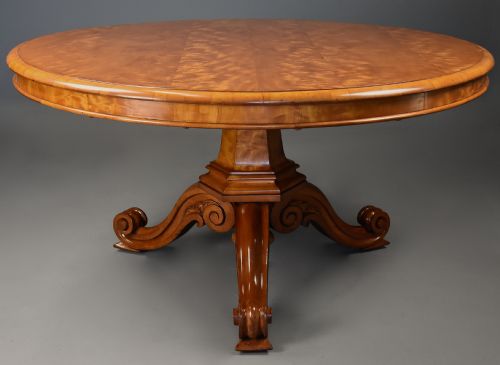
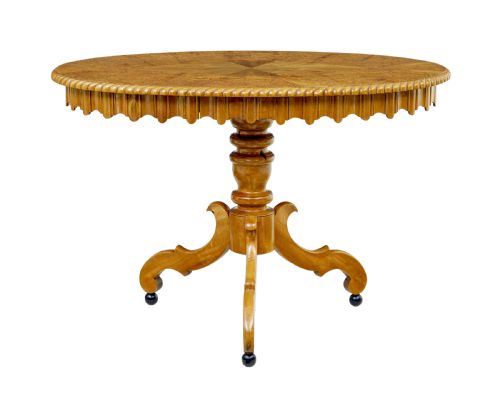
A golden birch round table brings warm, luminous grain and compact Scandinavian or Victorian elegance straight to the centre of a room.
Golden Birch Round Table
A golden birch round table is a compact surface defined by light timber and circular proportions, appearing in forms such as occasional tables, centre tables, coffee tables, breakfast tables, and side tables. These pieces emerge primarily from the nineteenth century, including Victorian examples, alongside twentieth-century Scandinavian Art Deco designs from the nineteen-twenties and nineteen-thirties.
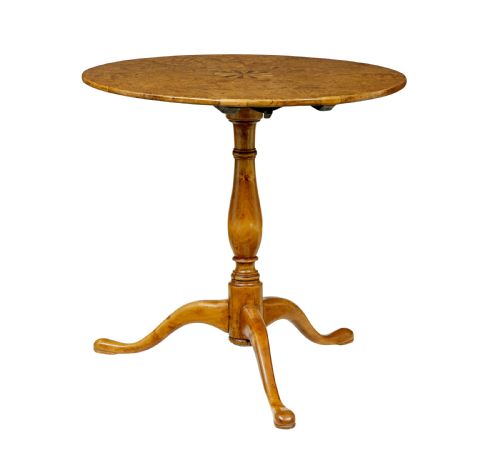
The regional focus sits firmly in Sweden and Scandinavia, where makers favoured pale timbers for domestic furniture. Buyers encounter oval burr birch occasional tables, tilting breakfast tables, and pedestal lamp tables that showcase the natural figure of the wood.
While the search specifies a round shape, the actual inventory includes circular tops alongside oval formats designed to function in similar spaces. Every piece relies on the distinct blonde warmth of birch, burr birch, and satin birch to brighten an interior.
How they were made
Cabinetmakers constructed these tables using solid birch and birch veneer, frequently selecting burr birch and satin birch to exploit dramatic natural figuring in the grain. Workshops enhanced these pale surfaces with contrasting details such as ebony inlay and structural elements in brass.
Construction methods varied from tilt-top mechanisms on nineteenth-century breakfast tables to sturdy pedestal supports on Victorian occasional pieces and geometric frames on Art Deco coffee tables. Timber was carefully cut and applied to accentuate the golden tones inherent in northern European birch.
Golden Birch Round Table Retail Price Guide 2026
Typical asking prices for golden birch round table among the pieces listed under this phrase on Sellingantiques today, from the lower quarter to the upper quarter. They describe what is for sale here now, not the wider market.
Tilt-top tables let Victorian hosts hide their furniture against the parlour wall like polite wooden shields when the dance floor opened.
What varies in quality
Quality in a golden birch round table rests upon the choice and matching of the timber veneer, where densely figured burr or satin birch elevates a piece far above plain stock. The skill of the cabinetmaker shows in the crispness of any ebony inlay and the stability of the central pedestal or leg joinery.
Proportion and period integrity separate the finest examples from simpler utilitarian items, particularly in Swedish Biedermeier and Scandinavian Art Deco pieces where clean lines depend entirely on balanced design. The depth of the finish and the preservation of the natural golden hue determine the visual impact of the wood.
The Golden Birch Round Table Glossary
- Burr birch
- A growth deformity in the tree that produces turbulent, swirling patterns in the wood grain. Cabinetmakers slice this timber into veneer to create highly decorative surfaces on table tops.
- Satin birch
- A specific selection of birch timber exhibiting a smooth, reflective sheen that catches the light. This material appears frequently on nineteenth-century tables and later Art Deco designs.
- Centre table
- A freestanding table designed to sit in the middle of a room rather than against a wall. These pieces feature finished woodwork on all sides.
- Tilt-top
- A table mechanism allowing the circular or oval top to pivot vertically when not in use. This clever design saved valuable floor space in nineteenth-century homes.
- Biedermeier
- A dominant style in Central and Northern Europe during the nineteenth century, emphasising utilitarian comfort and clean neoclassical lines. Makers relied on native blonde woods like birch rather than heavy imported mahogany.
Golden Birch Round Table: Frequently Asked Questions
Where should I place a round birch table?
These tables suit spaces requiring a reflective, pale surface to brighten a corner or anchor a seating arrangement. Centre tables stand well away from walls, while smaller occasional and lamp tables fit beside armchairs.
The compact circular or oval shapes allow easy movement around the furniture without sharp corners obstructing narrow pathways.
How do I clean golden birch furniture?
Maintain the timber using a soft, dry cloth to remove dust and preserve the polished surface. Avoid harsh chemical cleaners or excess moisture, which can damage nineteenth-century French polish and delicate veneers.
Periodic application of a quality natural wax helps protect the grain and deepens the golden lustre of the birch over time.
Are these tables strictly antique?
The inventory spans the nineteenth century up through the nineteen-twenties and thirties. You will find Victorian and nineteenth-century Swedish pieces alongside later Scandinavian Art Deco examples.
Each period brings distinct proportions, with earlier pieces showing traditional pedestals and later twentieth-century items featuring streamlined modernist silhouettes.