


Vintage Pastel Artwork
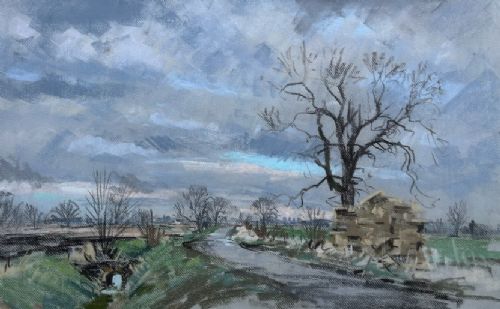
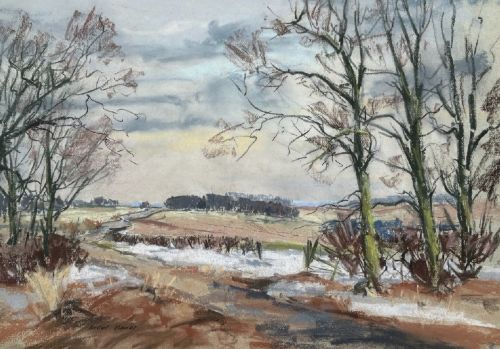
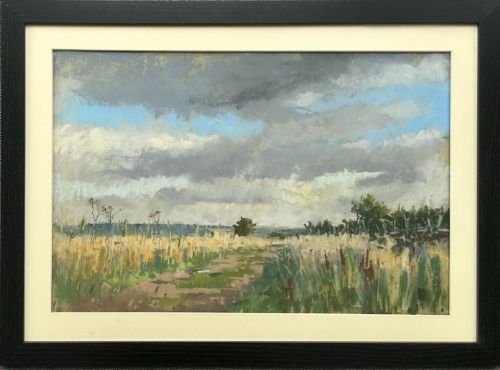
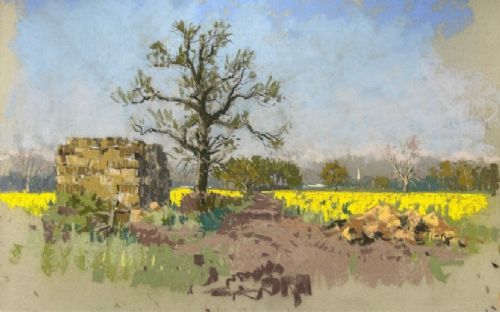
Vintage pastel artwork brings soft colour and tactile immediacy to a room, capturing portraits, landscapes, and scenes across the nineteenth and twentieth centuries.
Vintage Pastel Artwork
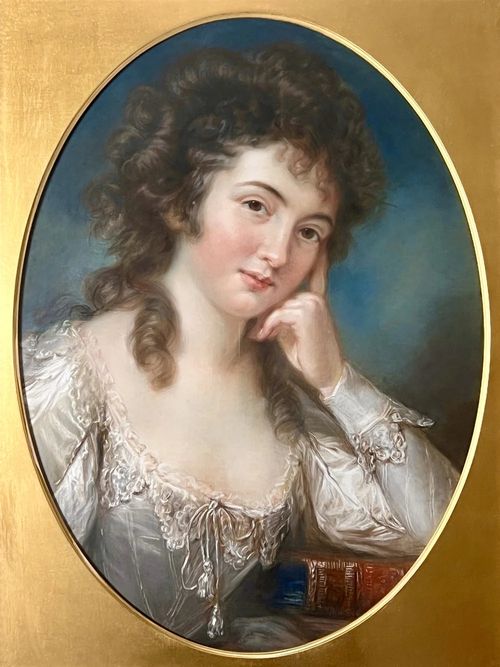
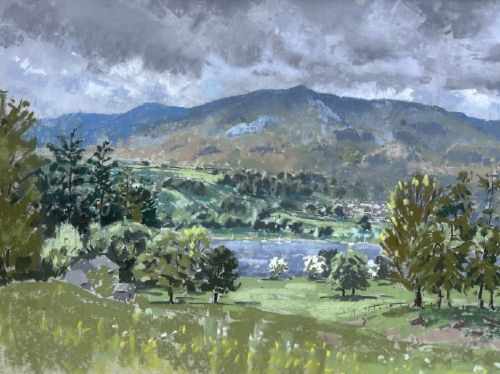
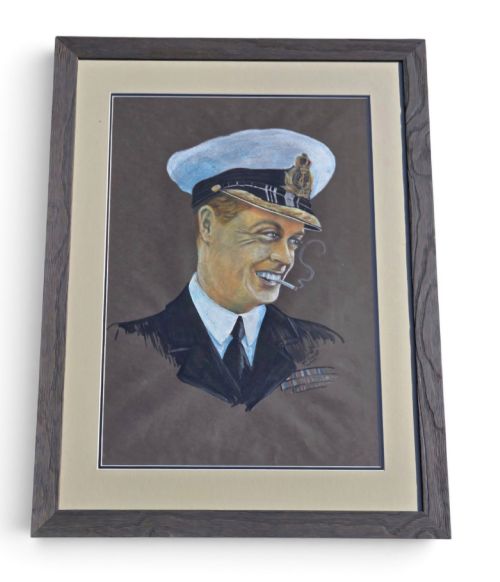
Vintage pastel artwork spans wall pieces created from the nineteenth century through the mid-twentieth century, capturing subjects from quiet landscapes to intimate character studies. When searching this phrase, a buyer encounters original drawings and paintings executed in pastel, chalk, and gouache, often framed behind glass.
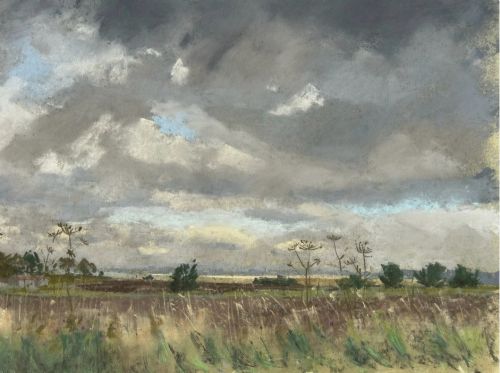
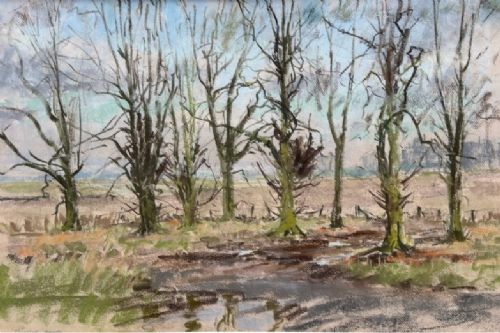
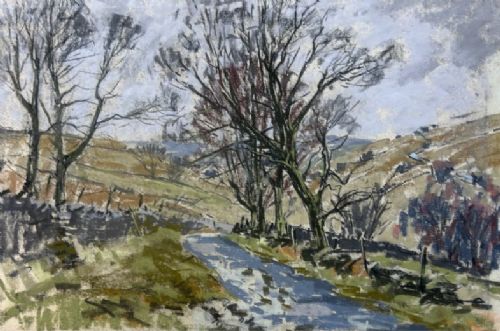
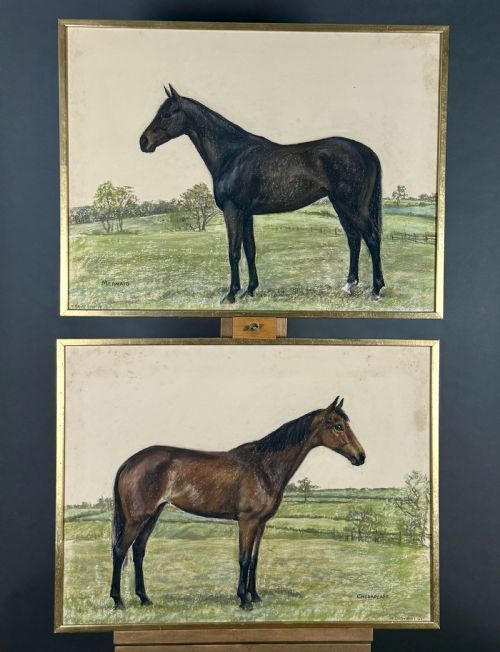
The selections on this page lean heavily toward mid-century British pieces alongside earlier Edwardian and Victorian examples. Portraits of people and animals, floral still lifes, and coastal views dominate the visual record.
How they were made
Artists deployed dry pigments compressed into sticks of pastel, frequently combining them with gouache, charcoal, or watercolour on paper, card, or canvas. These powdered media rely on direct application without liquid binders, allowing rapid layering of tone and hue.
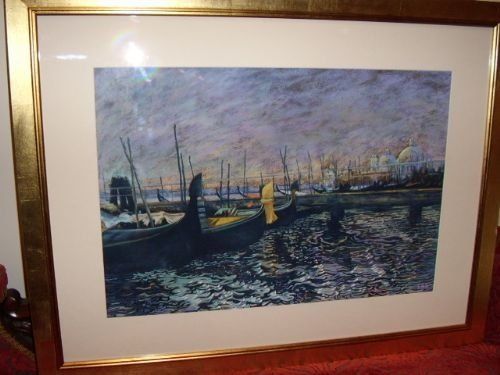
Makers housed these delicate works beneath protective glass within wooden or gilded frames to preserve the fragile, unbound pigment particles from disturbance over the decades.
Vintage Pastel Artwork Retail Price Guide 2026
Typical asking prices for vintage pastel artwork among the pieces listed under this phrase on Sellingantiques today, from the lower quarter to the upper quarter. They describe what is for sale here now, not the wider market.
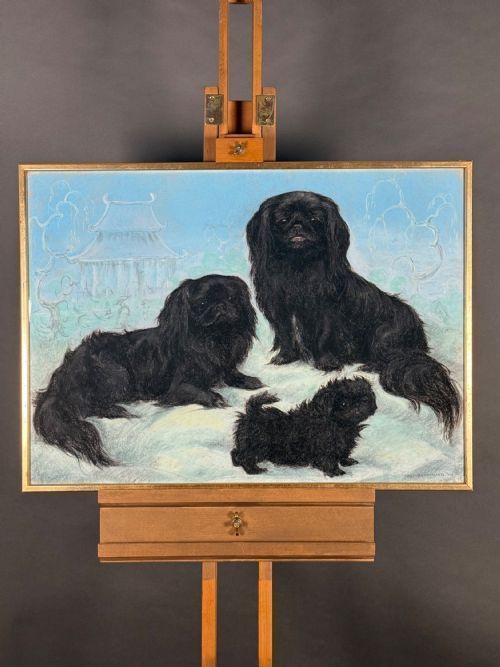
Dogs make frequent appearances on this page, captured in pastel alongside horses, cats, and even a trio of black Pekingese.
What varies in quality
The strength of draftsmanship and the confidence of mark-making separate casual sketches from masterworks. A skilled hand captures likeness and movement with minimal strokes, whereas weaker examples struggle with proportion and anatomical conviction.
Condition and preservation also dictate standing; works retaining their original frames, vibrant unbleached pigments, and clean paper surfaces without heavy foxing sit firmly at the upper end.
Angus Rands·Emily Eyres·John Rattenbury Skeaping·Cecil Charles Windsor Aldin·Gyrth Russell
The Vintage Pastel Artwork Glossary
- Pastel
- A dry painting medium consisting of powdered pigment and a binder, shaped into sticks. It permits direct blending of hues on the drawing surface.
- Gouache
- An opaque water-based paint often used alongside pastel to add solid highlights and dense blocks of colour to a composition.
- Foxing
- Brown spots and patches caused by chemical oxidation on paper over time. It appears frequently in older works kept in damp conditions.
Vintage Pastel Artwork: Frequently Asked Questions
How should I hang vintage pastel artwork?
Hang these pieces away from direct sunlight to prevent the dry pigments from fading over time. Keeping them on internal walls helps protect the paper from moisture and temperature fluctuations.
Ensure the frame remains securely sealed behind glass so the delicate chalk dust stays undisturbed within the mount.
Can pastel drawings be cleaned?
Cleaning pastel work requires specialist paper conservation rather than domestic methods. Because the pigment sits loosely on the surface, any wiping or brushing can smear the delicate lines.
Professional conservators use specific techniques to lift surface grime without disturbing the original strokes.
Why are most pastels under glass?
Glass protects the unbound pigment from physical contact and airborne dust. Without a barrier, even a light touch smudges the dry colour permanently.
Glazing also shields the paper from humidity and atmospheric pollutants that cause degradation.
How do I spot a reproduction?
Genuine pastel artwork shows physical texture under magnification, with individual pigment particles resting on the paper grain. Modern mechanical printing dots reveal themselves under close inspection.
Period framing, paper toning, and artist signatures further help verify the age of the piece.