
Vintage Painting
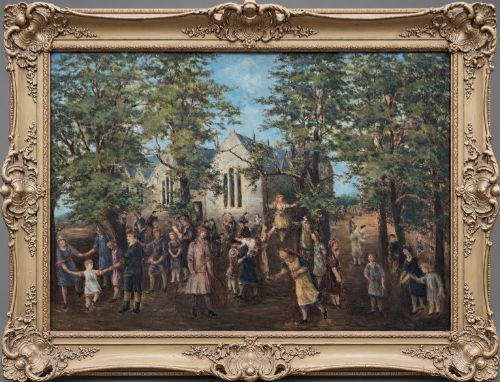
These vintage painting examples encompass oil canvases, watercolours and pastels from the nineteenth century onwards, prized for their historical character and hand-rendered execution.
Vintage Painting
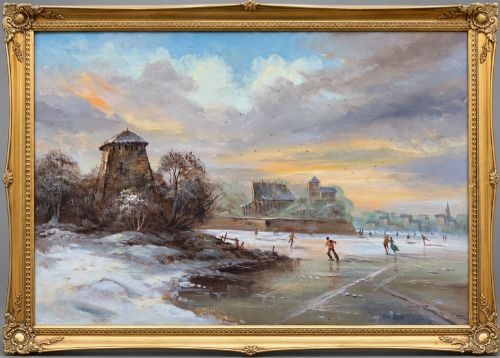
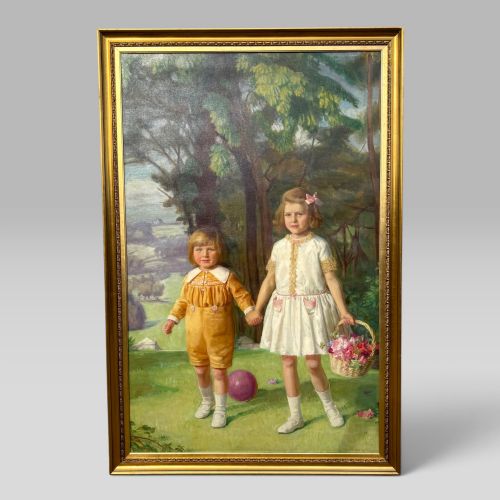
When you search for a vintage painting, you encounter works spanning the nineteenth century, Edwardian era and mid-century periods. These pieces range from detailed portraits of noblewomen and animals to expansive landscapes and intimate watercolours.
The selections on this page frequently include oil on canvas, pastel drawings and watercolour studies. Subjects vary widely from maritime scenes and marine watercolours to botanical flower fairy illustrations and rural landscape views.
Origins stretch across European schools, British mid-century creators and regional artists. You find works signed by notable hands alongside charming folk art and academy life class interiors.
How They Were Made
Artists executed these works using oil paints applied to stretched canvas or wooden boards, alongside watercolours and pastels on paper supports. Pigments were brushed, layered or washed to create depth, light and tone.
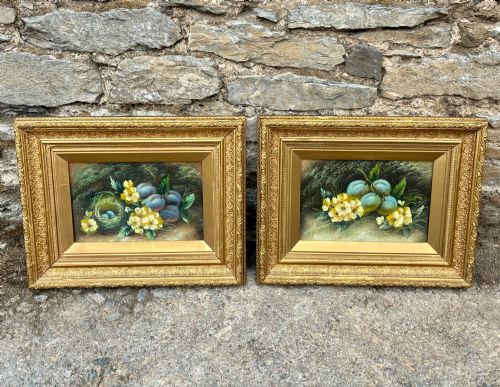
Many works sit within original surrounds such as deep giltwood and gesso fluted hollow picture frames. These frames utilise carved wood and applied gold leaf to complement the visual weight of the paintings.
Some paintings capture spirited canine companions, including tricolour spaniels and Persian cats posing with dignified calm.
What Varies in Quality
The distinction between standard works and exceptional examples rests in the confidence of the brushwork and the precision of the subject's anatomy or perspective. Masterful handling of light, shade and colour balance elevates a composition from a simple record to a compelling visual statement.
Condition and originality also dictate standing, particularly the preservation of the pigment layer against fading, cracking or clumsy restoration. The integrity of the accompanying period frame contributes significantly to the overall cohesion of the piece.
Deidre Daines·Angus Rands·Lavinia Fontana·Sir David Murray·Agnes Augusta Talboys·Marjorie L Davies·Fred Yates·Lionel Ellis·William Langley
The Vintage Painting Glossary
- Giltwood
- Wood that has been coated with a thin layer of gold leaf or gold paint. This technique provides a luminous metallic finish often seen on antique picture frames.
- Gesso
- A plaster-like mixture applied to wood surfaces as a base for painting or gilding. It allows artisans to carve crisp decorative details before applying gold leaf.
- Watercolour
- A painting method in which the paints are made of pigments suspended in a water-based solution. Artists use translucent washes on paper to achieve delicate effects.
- Pastel
- A dry drawing medium in the form of a stick, consisting of pure powdered pigment and a binder. Pastel drawings offer velvety textures and subtle colour blending.
Vintage Painting: Frequently Asked Questions
How do I care for a vintage painting?
Keep the artwork away from direct sunlight and damp environments to protect the canvas and paper supports from degradation. Dust the surface gently with a soft, dry brush without applying moisture or cleaning agents.
Ensure that hanging locations maintain stable room temperatures to prevent the expansion or contraction of wooden stretcher frames. Consult a professional conservator if the paint layer shows signs of cracking or lifting.
Are these paintings supplied with frames?
Many pieces retain their original period surrounds, such as deep giltwood and gesso mouldings that match the era of the artwork. These housings enhance the visual presence and protect the edges of the canvas.
Check individual listings to confirm whether a specific frame is included with the artwork. Unframed works offer the opportunity to select a custom mount suited to your interior space.
How do I identify the age of a painting?
Examine the materials utilised, including the type of canvas weave, stretcher construction and framing techniques. Nineteenth-century works often feature hand-carved wooden frames and older hand-mixed pigment characteristics.
Look for signatures, dates, artist stamps or exhibition labels on the reverse of the canvas or board. Historical records and artist registries frequently help confirm the period of creation.
What is the difference between oil and watercolour?
Oil paintings utilise slow-drying pigments suspended in oil, allowing artists to build thick impasto textures and rich, luminous depths. They are typically executed on stretched canvas or wooden boards.
Watercolours employ water-soluble pigments applied to paper, resulting in luminous, translucent effects and lighter compositions. These works require protective glass framing to prevent moisture damage.