



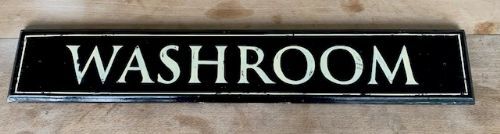

Vintage Painted Wood Sign
These vintage painted wood sign pieces combine practical commerce with decorative folk art, bringing character and historic charm to any interior.
Vintage Painted Wood Sign
A vintage painted wood sign serves as a functional marker or advertisement, originating from various trades, department stores, and public spaces during the nineteenth and twentieth centuries.
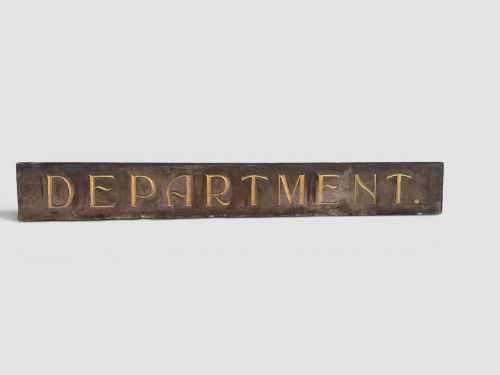
The selection includes large departmental shop boards, framed trade notices, directional markers, and specialised business boards.
These items emerge from periods spanning the Victorian era through the mid-twentieth century, often retaining their original lettering and surface wear.
Materials and construction methods
Craftsmen utilised solid timber panels as the primary foundation, shaping and preparing the wood boards to withstand daily exposure.
Makers applied oil paint and lead-based pigments directly onto the wooden surfaces, sometimes incorporating hand-gilding for lettering and decorative accents.
Signwriters employed freehand brushwork and lettering techniques designed to ensure maximum legibility from a distance.
Assessing quality and authenticity
Superior examples display crisp, hand-painted typography executed by skilled signwriters, whereas lesser pieces show rushed or mechanical lettering.
The integrity of the original painted surface dictates the desirability of the piece, with undisturbed patination holding greater visual strength than heavy modern repainting.
R.D. Roberts·John Denbigh
The Vintage Painted Wood Sign Glossary
- Trade sign
- A board or carved object displayed outside a business to advertise goods or services. These items formed an essential part of street furniture before modern illuminated advertising.
- Signwriting
- The professional craft of painting lettering and graphics by hand. Practitioners relied on steady brush control and precise layout skills to produce clear commercial displays.
- Patina
- The surface appearance grown on materials through age, use and exposure to the elements. This cumulative wear provides visual evidence of a piece's history.
- Gilding
- The application of gold leaf or powder to a surface to create a metallic finish. Signmakers used this technique to highlight important lettering.
Vintage Painted Wood Sign: Frequently Asked Questions
How were these signs originally displayed?
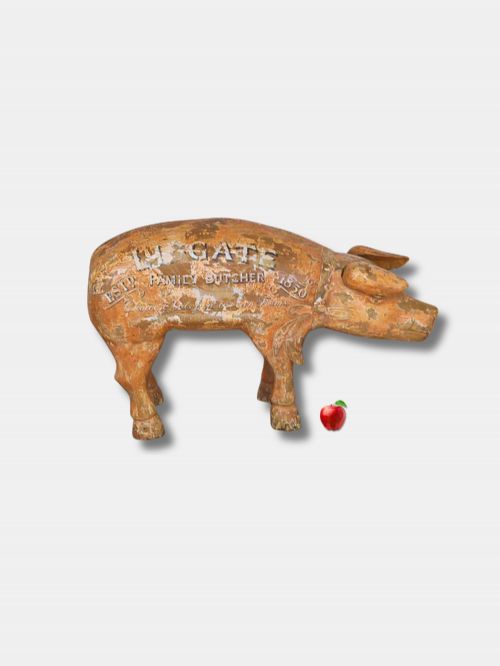
Traders mounted these boards on exterior shop facades, above doorways, or along roadways to attract passing custom. Many served specific commercial purposes inside department stores, pharmacies, and butcher shops.
Over time, surviving examples moved from working environments into domestic interiors, where owners hang them as decorative wall art.
Can I date a sign by its paint?
The composition of the paint layers and the style of the typography offer strong clues regarding the period of production. Signwriters used distinct lettering proportions and pigment mixtures across the nineteenth and twentieth centuries.
Examining the underlying wood and fastening methods helps confirm the age alongside the painted surface.
How do I care for a painted wood sign?
Keep these items away from direct sunlight and damp conditions to protect the historic paint and timber from degrading. Gentle dusting with a dry, soft cloth is sufficient for routine maintenance.
Avoid using chemical cleaners or abrasive materials, as these can strip away the original pigments and surface patination.
What defines folk art in sign painting?
Folk art signs exhibit a charming individuality where the maker relied on personal artistic expression rather than rigid commercial standards. These pieces often feature idiosyncratic lettering and local stylistic quirks.
Such characteristics separate vernacular items from mass-produced institutional signage.