



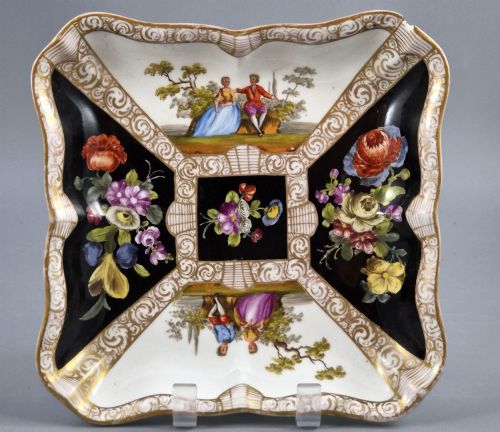
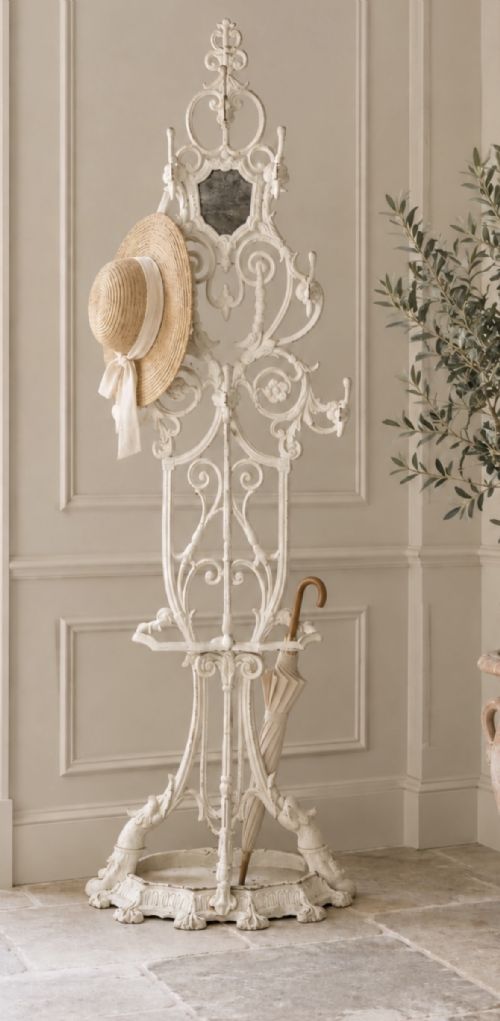
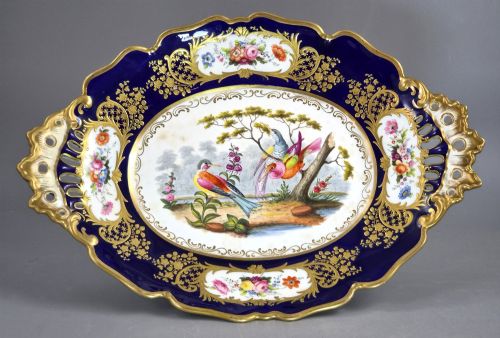
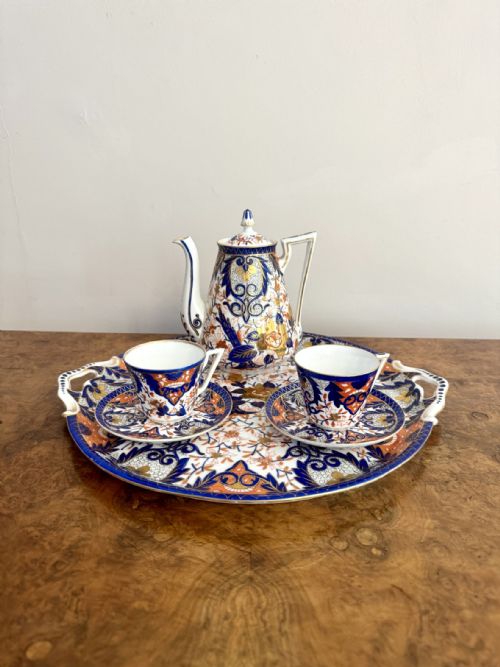
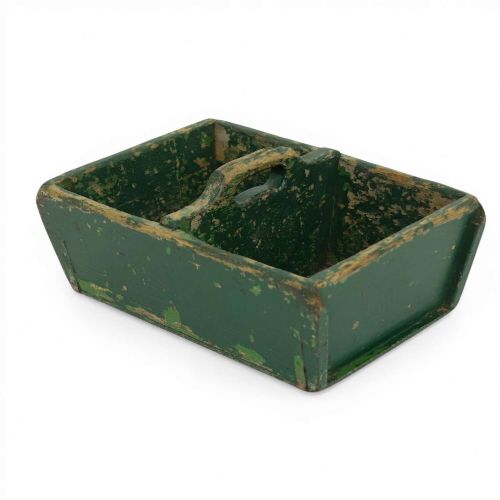
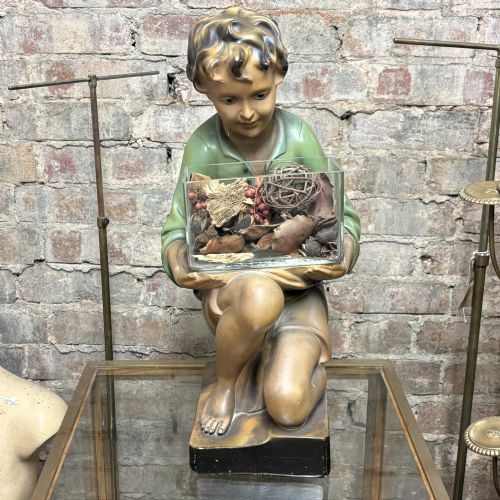
Vintage Painted Tray
A vintage painted tray brings colour and hand-finished artistry to a room, serving as both a functional piece and a display surface.
Vintage Painted Tray
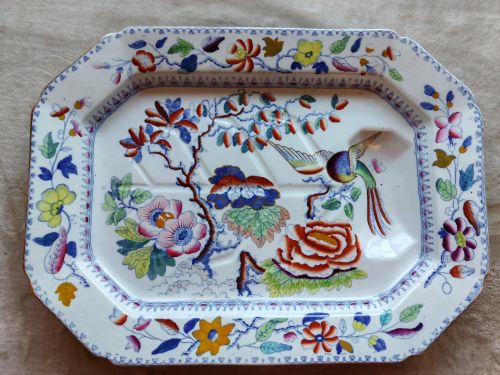
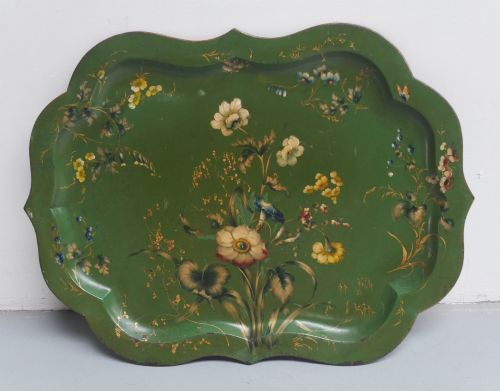
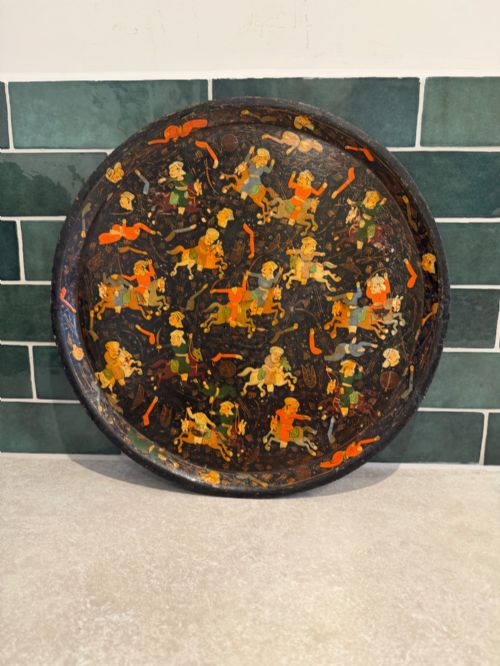
A vintage painted tray encompasses a diverse selection of decorative and serving surfaces spanning the nineteenth and early twentieth centuries. Buyers searching this phrase encounter everything from Regency and Victorian papier-mâché examples to toleware and Kashmiri lacquerware.
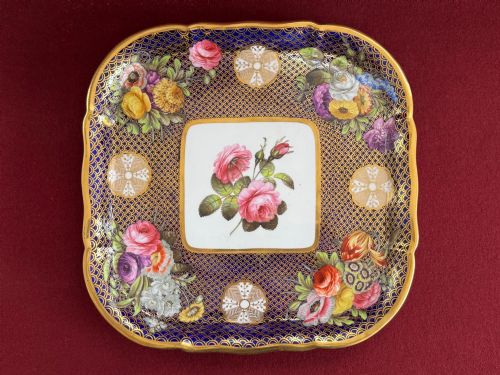
The objects listed range from tea trays and serving dishes to occasional tables mounted on stands. Papier-mâché and painted metal dominate the category alongside porcelain and wood.
Origin points stretch from English and French workshops to Kashmiri and Japanese makers. Pieces often double as desk accessories or sit atop folding bases to function as accent tables.
How they were made
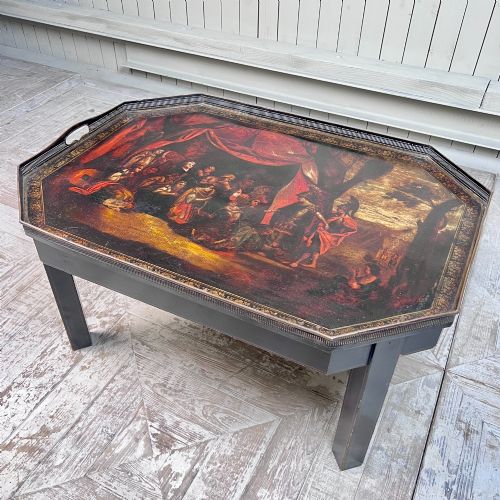
Papier-mâché trays utilise layers of paper pulp mixed with glue and resin, pressed in moulds before drying into a rigid base. Artisans then apply multiple coats of dark lacquer or paint, often embellishing the surface with hand-painted motifs and gold leaf gilding.
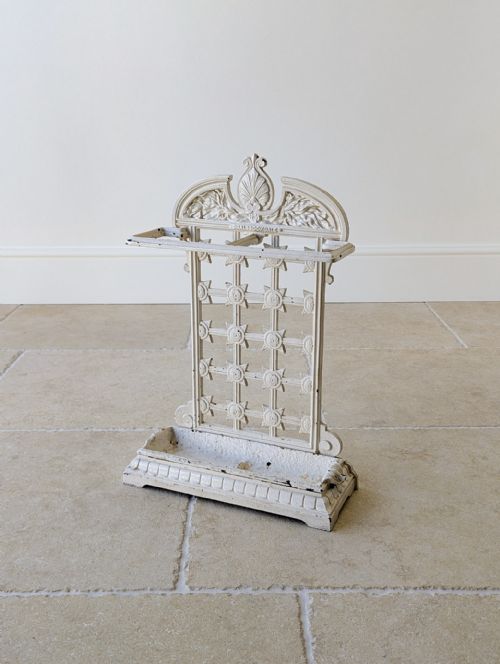
Metal versions rely on sheet iron or tin, treated with heavy dark paint or japanning techniques to create a smooth ground. Porcelain and ceramic alternatives combine moulded clay bodies with hand-applied enamel decoration and cobalt blue pigments.
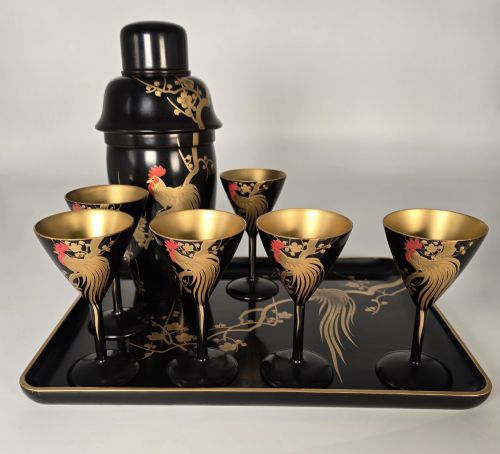
Wood and bamboo pieces incorporate carved elements, painted panels, and intricate lacquer work. Artisans frequently seal these finishes with protective varnishes to withstand daily use.
Vintage Painted Tray Retail Price Guide 2026
Typical asking prices for vintage painted tray among the pieces listed under this phrase on Sellingantiques today, from the lower quarter to the upper quarter. They describe what is for sale here now, not the wider market.
Listings feature papier-mâché, cast iron, porcelain, and wood, spanning from the Regency era through the 1930s.
What varies in quality
The refinement of the hand-painted detail separates standard utilitarian items from exceptional decorative examples. Superior pieces display intricate brushwork, figurative scenes, and meticulous gold leaf application executed by skilled artists.
The integrity of the underlying material dictates longevity and weight. High-grade papier-mâché maintains structural rigidity without warping, while quality metalwork avoids heavy pitting beneath the painted surface.
Originality of the finish and retention of authentic decoration heavily influence the standing of an item. Pieces retaining their uncompromised initial surface and rich patination command greater interest among collectors.
Coalbrookdale·Spode·Royal Doulton·Royal Worcester·Meissen
The Vintage Painted Tray Glossary
- Papier-mâché
- A composite material made from paper pulp or layers of paper bound with glue, used to form lightweight yet durable trays and desk accessories. It provides a smooth surface ideal for dark japanning and painted decoration.
- Toleware
- Painted or enamelled sheet metalware, principally tin or iron, produced in domestic and decorative forms during the eighteenth and nineteenth centuries. The technique often mimics Asian lacquerwork through dark grounds and gilded accents.
- Japanning
- A European imitation of East Asian lacquer finishes, created using heat-dried varnish layers on metal or papier-mâché. It typically results in a glossy black or dark surface adorned with gilt chinoiserie designs.
- Chinoiserie
- A European artistic style reflecting Chinese aesthetic influences, prominent in painted and lacquered furnishings. This style frequently appears on nineteenth-century trays depicting pagodas, figures, and exotic landscapes.
- Vide-poche
- A small decorative dish or tray designed for emptying pockets of loose items such as coins and keys. These items commonly appear in porcelain, faience, or metal across various nineteenth-century periods.
Vintage Painted Tray: Frequently Asked Questions
How do I clean a vintage painted tray?
Dust the surface gently with a soft, dry cloth to remove loose particles. Avoid using water, alcohol, or chemical solvents, as these substances can damage delicate hand-painted details and historic lacquer finishes.
For stubborn marks, consult a professional conservator rather than attempting home remedies. Keeping these items away from direct sunlight and damp environments preserves the paint and prevents warping.
Can I use these trays for serving food?
Most antique papier-mâché and painted metal trays suit decorative display or dry accessory storage rather than wet service. Moisture and heat from hot dishes can compromise historical varnishes and lift delicate painted scenes.
If you choose to use one for serving, line the surface with a linen cloth or utilise it strictly for cold items. Inspect the finish beforehand to ensure it lacks cracks where moisture might seep into the base material.
How do I date a papier-mâché tray?
Examine the weight, edge profile, and underside construction of the piece to determine its manufacturing era. Regency and early Victorian examples often feature deep rims and substantial thickness, while later pieces vary in composition.
Makers' marks are uncommon on papier-mâché, so dating relies on stylistic clues, the nature of the painted subject matter, and the ageing patterns of the lacquer.
What is a tray table?
A tray table combines a removable painted or lacquered tray top with a folding or fixed wooden stand. This form gained popularity for serving tea or displaying decorative objects in nineteenth-century drawing rooms.
Many surviving trays have been paired with later stands to function as occasional or cocktail tables. The versatility of the design allows the surface to lift off the base easily.