



Vintage Painted Low Table
A vintage painted low table brings surface colour and character to a room, offering low-level function with distinctive decorative finishes.
Vintage Painted Low Table
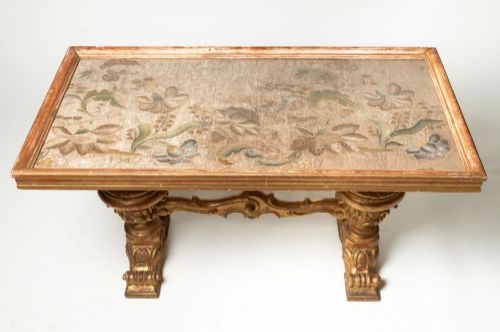
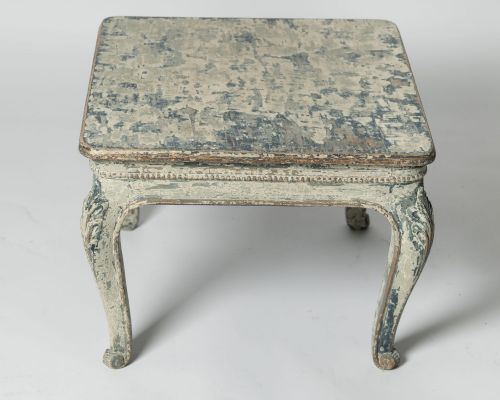
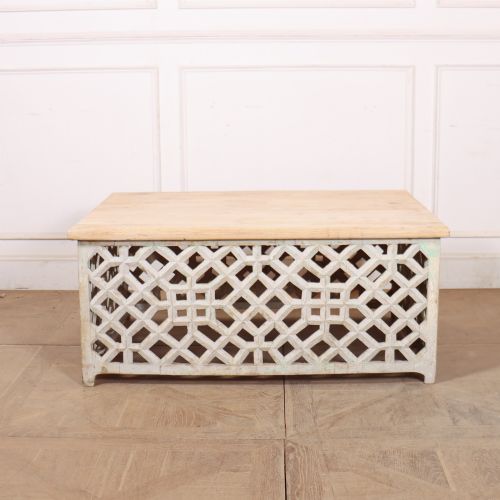
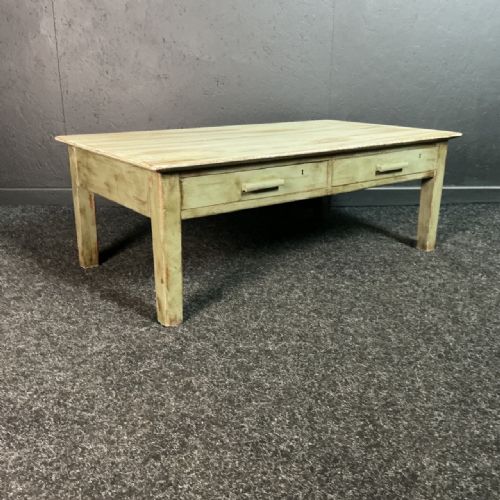
When you search for a vintage painted low table, you encounter coffee tables, tray tables, and adapted low bases originating from diverse regional traditions. The selection spans 18th century pieces through to the 1930s, reflecting various global aesthetics.
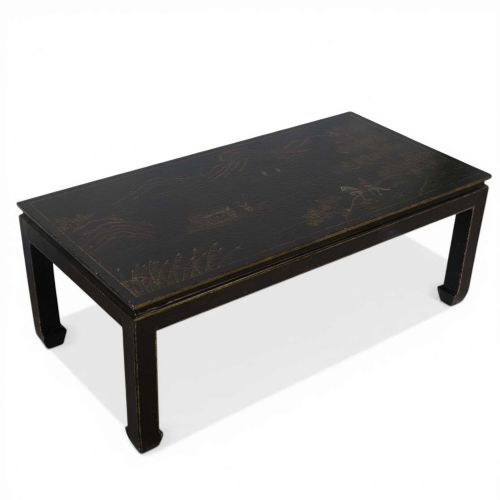
The most common forms on this page include low coffee tables and occasional tables featuring painted, lacquered, or Japanned surfaces. English country, Chinoiserie, and French provincial styles dominate the physical forms available.
How they were made
The construction relies primarily on solid woods such as pine, oak, teak, and hardwood, providing a sturdy carcase for decorative treatment. Artisans applied layers of paint, lacquer, or gilt to achieve the desired surface finish.
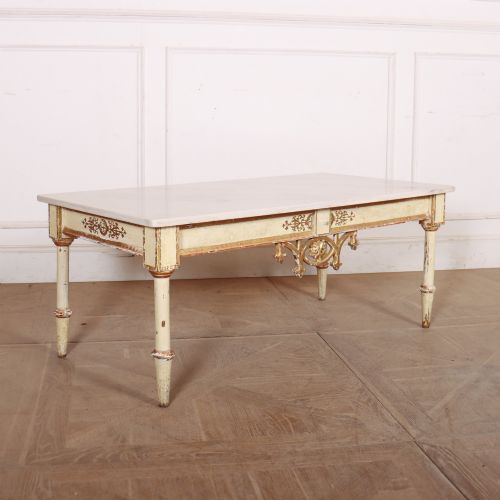
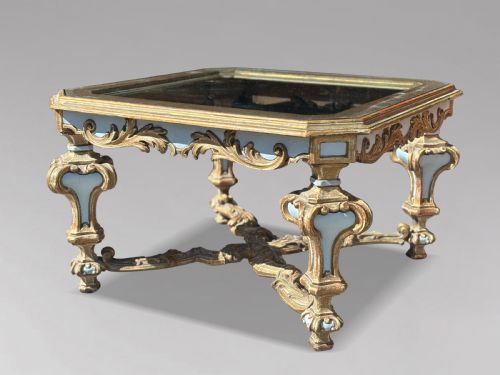
Many items incorporate specialised decorative techniques like Chinoiserie scenes and Japanning, while some examples integrate marble tops or brass hardware to complement the painted timber.
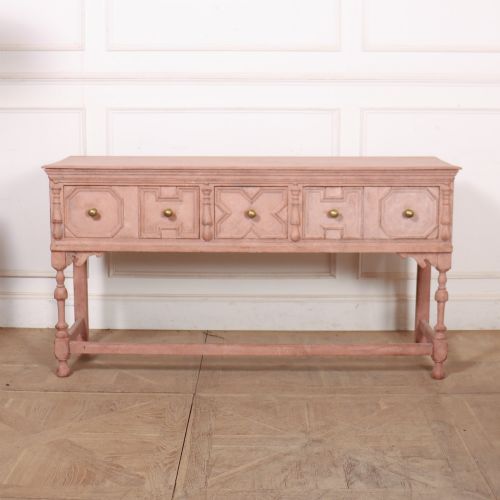
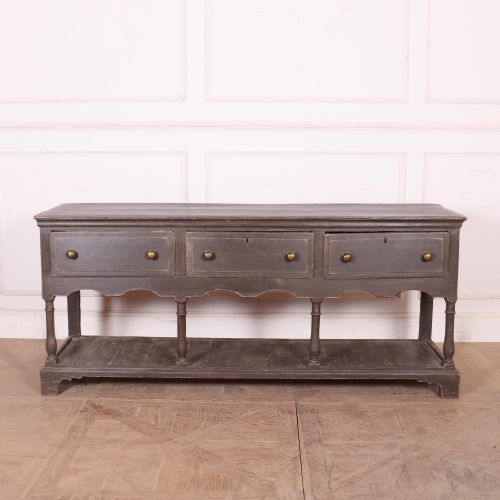
Scottish dairy dressers and French window seats find themselves repurposed as low tables, proving that old furniture loves a second career.
What varies in quality
Quality rests in the execution of the painted or lacquered decoration and the integrity of the underlying timber construction. Hand-painted pictorial scenes and original surface patination distinguish finer examples from standard decorative pieces.
The sophistication of regional styles, such as detailed Chinoiserie motifs or intricate carving on frames, separates standard workshop output from exceptional examples.
Maison Bagues·Harrods
The Vintage Painted Low Table Glossary
- Chinoiserie
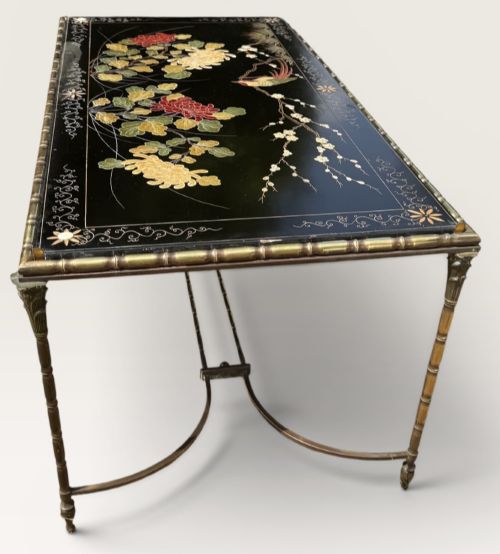
- European decorative style inspired by Chinese art and design, often featuring figures, landscapes, and pavilions rendered in lacquer or paint. This aesthetic appears frequently on tables from the early 20th century.
- Japanning
- European imitation of Japanese and East Asian lacquerwork, created by building up layers of varnish and paint with metallic dust. It provides a glossy, dark surface decorated with raised motifs.
- Potboard dresser base
- A traditional English storage base featuring a low open shelf near the floor, sometimes adapted into a low table format. These pieces utilise sturdy timbers like oak and pine.
- Marble top
- A stone slab fitted to the surface of a table, offering a cool, durable working or display area. This material appears on various French decorative tables.
- Tray table
- A low table comprising a removable or fixed tray surface resting on a folding or rigid stand. Examples often showcase painted or lacquered decoration.
Vintage Painted Low Table: Frequently Asked Questions
What is a vintage painted low table?
A vintage painted low table is a short piece of furniture finished with paint, lacquer, or gilt, used primarily for serving or display.
These items encompass various forms, from adapted dresser bases and tray tables to dedicated coffee tables created across different stylistic traditions.
How do I use a low table in a room?
These tables function well as central coffee tables in living spaces, holding books, drinks, and decorative objects near seating.
Their low profile and painted finishes allow them to anchor a seating arrangement while introducing distinct colour and pattern to the interior scheme.
How do I identify Chinoiserie style?
Chinoiserie pieces feature motifs inspired by East Asian art, typically displayed through painted landscapes, figures, and gilded detailing on lacquered surfaces.
This style appears across various early 20th century tables, often utilising dark backgrounds to make the delicate painted scenes stand out.
Are these tables original or adapted?
The selection includes pieces constructed as low tables originally, alongside older furniture forms like dresser bases that were lowered for modern use.
Examinations of the timber base and the continuity of the paint surface help determine whether a piece retains its original configuration.