
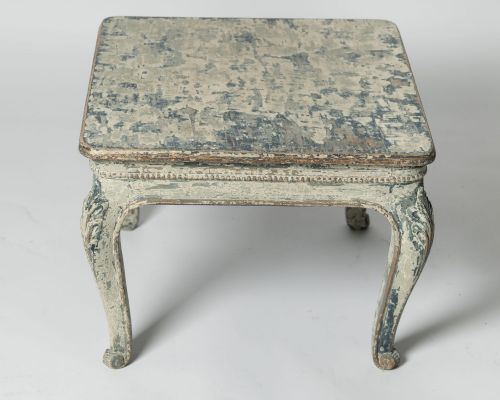
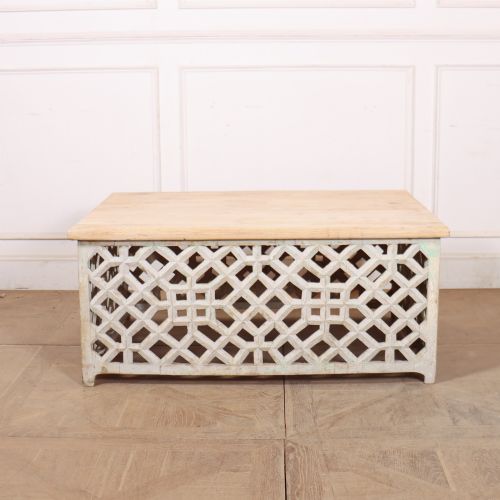
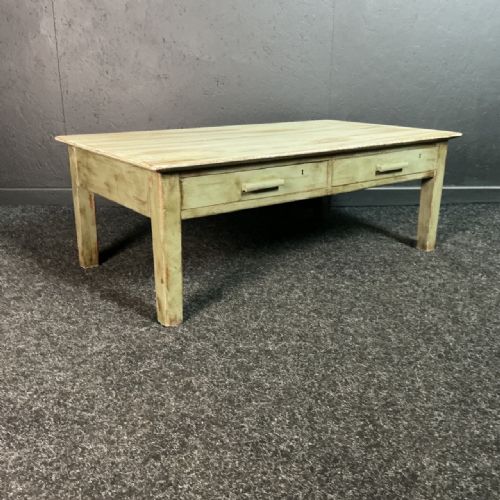
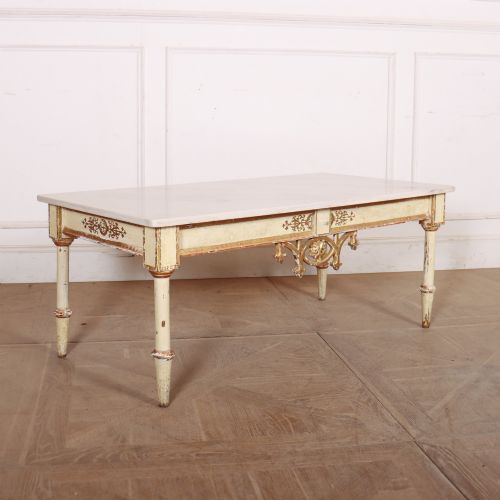


Distressed Painted Low Table
A distressed painted low table brings surface character and low lines into a room, offering practical utility with weathered charm.
Distressed Painted Low Table
A distressed painted low table encompasses low-slung surfaces designed for coffee or casual placement, finished with aged paintwork. These items draw from a range of periods, including the eighteenth and nineteenth centuries, alongside pieces from nineteen-hundred and nineteen-thirty.
Buyers will encounter coffee tables and occasional low forms fashioned from older timbers and painted finishes. Each piece reveals the distinct structural traits of its period, whether Georgian proportion or early twentieth-century utility.
How they were made
Construction relies on timber foundations, utilising oak, teak, hardwood, and general timber framed with traditional joinery. Surfaces receive coats of paint that weather naturally over time, complemented by occasional brass hardware or marble tops.
Carving and structural shaping appear on styles influenced by French regence and louis xvi traditions, while rustic items display simpler carpentry. The application of paint forms the primary decorative layer, often subjected to intentional or natural distress.
Listings feature items spanning the eighteenth century through to nineteen-thirty, utilising timber, paint, marble, and brass across English, French, and Anglo-Indian styles.
What varies in quality
Quality rests in the integrity of the underlying timber frame and the authenticity of the painted finish. Pieces retaining original structural joinery and undisturbed surface patination stand apart from those with compromised timber or unsympathetic modern alterations.
The sophistication of the carving and the harmony of proportions distinguish regional vernacular items from grander stylistic interpretations. A balanced form combined with genuine age in the paint layer marks the distinction at the upper end.
The Distressed Painted Low Table Glossary
- Dressed timber
- Wood that has been planed and squared to uniform dimensions before construction. This preparation ensures stable joints in tables and case furniture.
- Potboard
- A lower open shelf fitted between the legs of a dresser base or table. It was traditionally utilised for storing pots and heavy kitchen utensils.
- Low boy
- A small eighteenth-century table with drawers, standing on relatively short legs. Modern placement often repurposes these as low occasional surfaces.
- Patina
- The surface sheen and textural change acquired by wood and paint through decades of use and handling. It serves as a key indicator of age.
Distressed Painted Low Table: Frequently Asked Questions
What is a distressed painted low table?
A distressed painted low table is a low-standing surface finished with weathered or aged paintwork. These pieces draw on historical forms like dresser bases, side tables, and benches adapted for modern living.
They combine utilitarian timber construction with decorative painted surfaces that show age and wear. The category spans various regional styles from English country to French provincial and Anglo-Indian origins.
How do I use a low table in my room?
These tables function primarily as coffee tables or central low surfaces in living spaces. Their compact height makes them suitable for placing in front of seating.
The weathered painted finish adds textural contrast to clean modern interiors or complements traditional rustic schemes. They provide accessible surface area without dominating the visual weight of a room.
How can I tell the period of a painted table?
Dating relies on examining the underlying construction methods, timber species, and stylistic details. Eighteenth-century pieces display hand-cut joinery and proportions distinct from nineteenth-century or nineteen-hundreds equivalents.
Paint layers and wear patterns also offer clues, though finishes are frequently reapplied over older timber frames. Comparing the structural hardware and leg turning to known vernacular styles helps narrow the date.