

Vintage Painted Cabinet
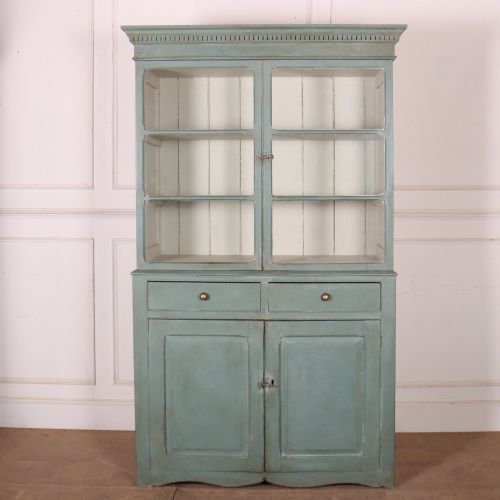
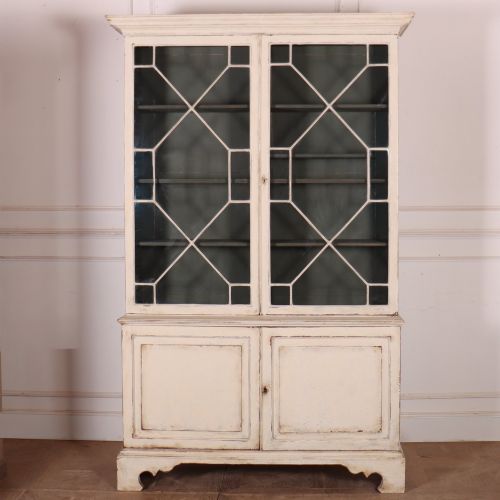
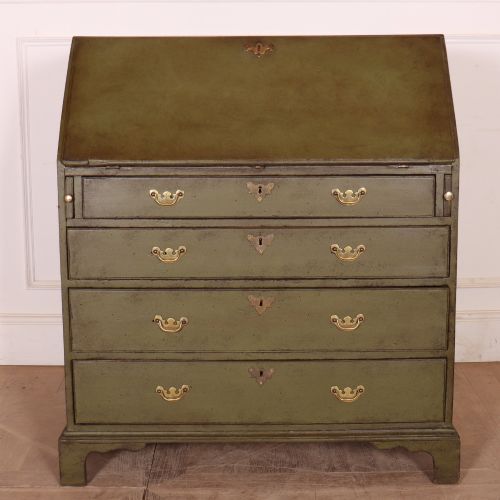
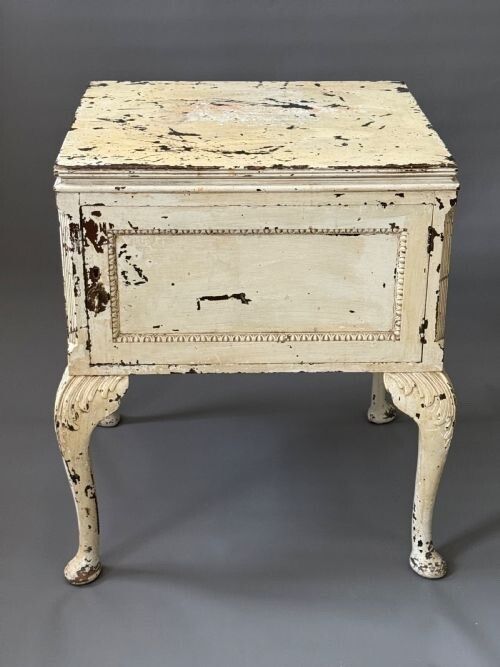
When you search for a vintage painted cabinet, you are looking at practical storage pieces carrying historic decoration from the eighteenth century to the early twentieth century.
Vintage Painted Cabinet
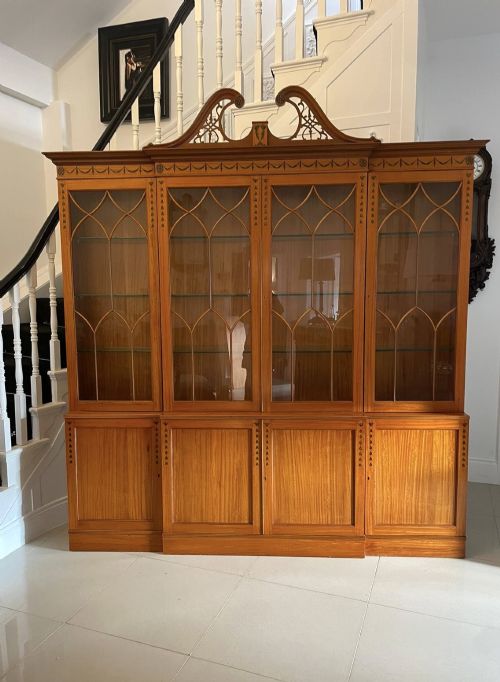
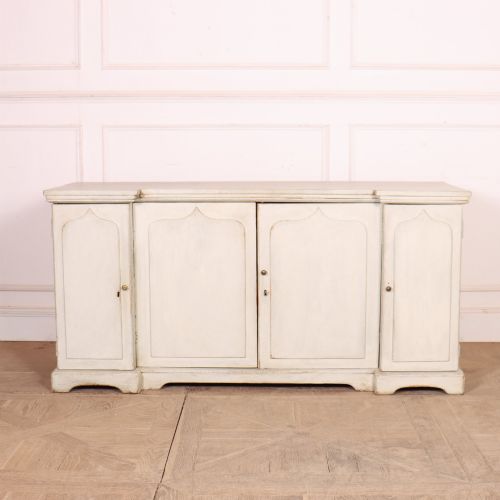
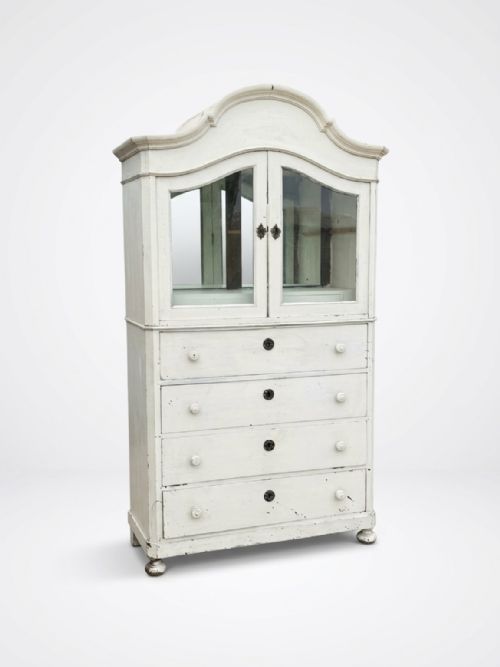
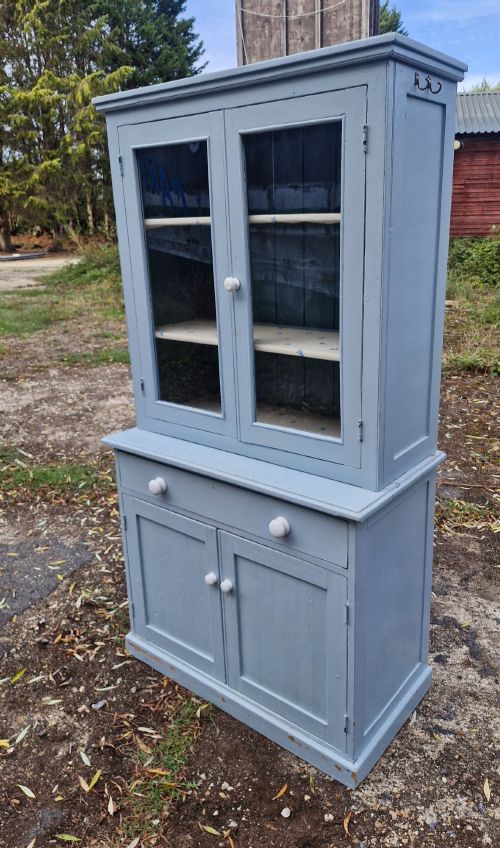
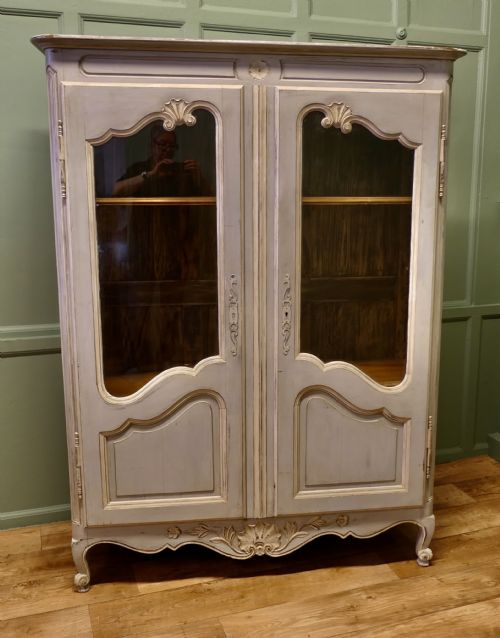
A vintage painted cabinet encompasses a varied group of storage furniture, ranging from bedside tables and corner cupboards to large breakfront display bookcases and kitchen cupboards. The pieces listed here hail from diverse origins including England, France, Sweden, and the broader Continent, reflecting distinct regional tastes in domestic utility.
Buyers will encounter forms constructed from sturdy pine alongside finer satinwood and mahogany structures. Styles span French Provincial, Edwardian, Chinoiserie, and Art Deco, offering both rustic charm and refined decorative schemes.
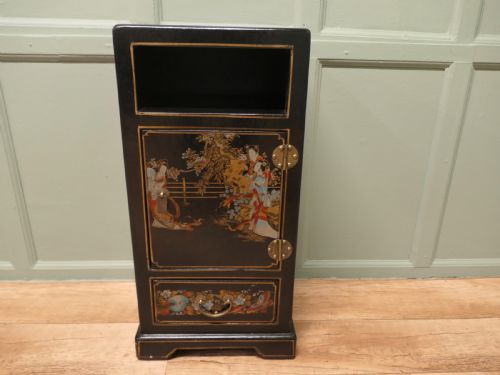
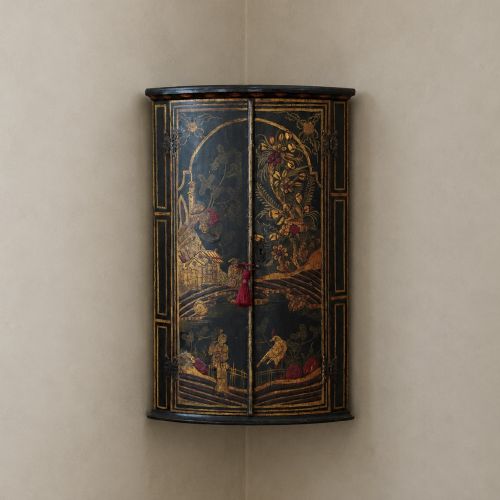
The selection demonstrates how functional household furniture received ornamental treatment across different eras. Many pieces retain original painted decoration, ranging from simple coloured finishes to elaborate lacquered outdoor scenes.
Materials and Construction Methods
Makers utilised solid timbers such as pine, mahogany, and satinwood to build these carcasses, often employing traditional joinery like dovetailing for drawers and mortise and tenon frames. Pine served largely for practical kitchen cupboards and dressers, while satinwood and mahogany formed the basis for refined display cabinets and bookcases.
Surface decoration involved layers of paint, sometimes combined with gold leaf, gilt, and detailed lacquer work. Artisans applied pigments to wood substrates, occasionally utilising distressing techniques or creating Japanned Chinoiserie motifs depicting figurative and landscape scenes.
The furniture forms span compact bedside cupboards and corner units to massive wardrobes, breakfront display bookcases, and kitchen dressers.
Evaluating Decoration and Integrity
The distinction between tiers of quality rests primarily on the preservation of original decorative surfaces and the execution of the painting. Pieces retaining untouched period paintwork or specialised Chinoiserie lacquer stand apart from later repainted items.
Structural integrity and the quality of the underlying timber define the upper range of these items. Finer examples combine well-figured woods or balanced proportions with skilful joinery and sophisticated artistic application.
Maples and Co·Royal Worcester·Meissen·Royal Crown Derby·Coalport
The Vintage Painted Cabinet Glossary
- Breakfront
- A piece of furniture where the central section projects forward from the side sections. This architectural arrangement creates depth and visual interest in large bookcases and display cabinets.
- Vitrine
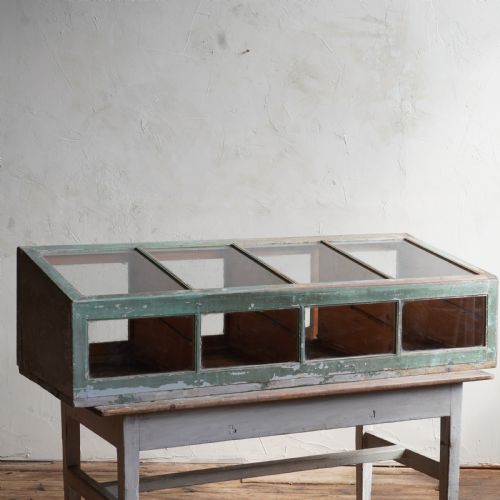
- A glass-fronted cabinet designed specifically for the display of curiosities, porcelain, or decorative objects. These glazed enclosures protect contents while offering maximum visibility.
- Japanned
- A European imitation of East Asian lacquerwork involving layered varnishes and metallic dust. Artisans applied this finish to create glossy dark surfaces adorned with raised motifs.
- Bonnet top
- A hooded or arched pediment surmounting the upper section of a cabinet or bookcase. This curved architectural roofline adds height and elegance to case furniture.
Vintage Painted Cabinet: Frequently Asked Questions
What is a vintage painted cabinet used for?
These pieces served traditional storage and display roles in domestic interiors, holding kitchen provisions, books, or precious household items.
Today, they function as statement storage furniture in living rooms, bedrooms, and kitchens, combining decorative presence with practical utility.
How do I identify the period of a painted cabinet?
Dating relies on examining the underlying construction timber, hardware, joinery techniques, and the style of the painted decoration. Stylistic markers such as Art Deco geometry or Rococo Revival curves provide clear chronological clues.
Paint analysis also helps determine whether the finish is contemporary to the piece's construction or applied during a later decorative campaign.
Are these cabinets painted in original finishes?
Many items retain their original surface decoration, showing natural wear and patination acquired over generations of domestic use. Some pieces feature later or refreshed paint applied to suit changing interior fashions.
Examining the interface between the paint layers and the underlying timber helps reveal the history of the surface finish.
How should I care for a painted wooden cabinet?
Protect the surface by keeping the cabinet away from direct sunlight and maintaining stable room humidity to prevent timber movement. Dust gently with a soft dry cloth and avoid modern chemical cleaning products that might harm historic finishes.
Wax can be applied sparingly to unpainted wooden sections, but painted areas require a gentle touch to preserve the integrity of the pigment.