



Vintage Painted Bureau
A vintage painted bureau brings functional workspace and decorative surface together through centuries of craftsmanship, offering practical charm for the modern home.
Vintage Painted Bureau
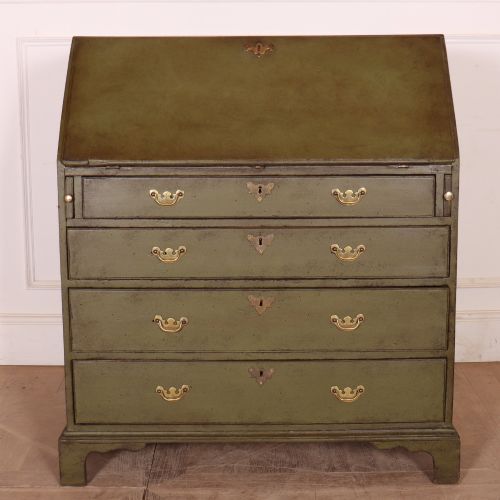
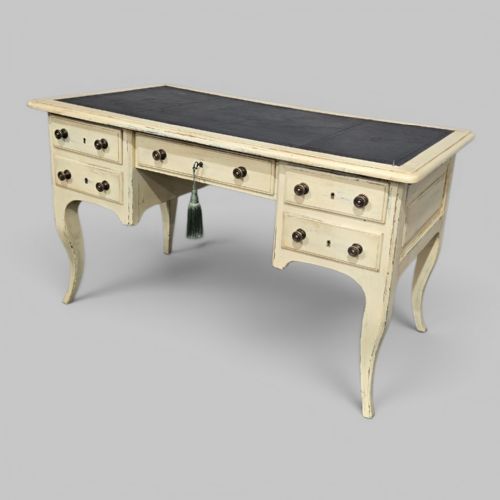
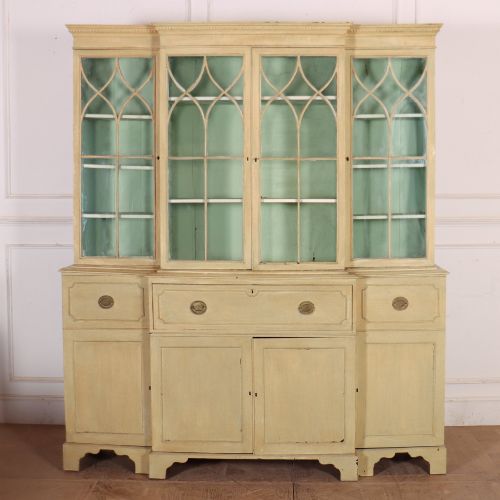
A vintage painted bureau combines a fitted writing slope with storage compartments, presenting an alternative to standard modern desks. The listings show pieces spanning from the eighteenth century through the Edwardian era, incorporating styles such as Georgian proportions and Scandinavian country finishes.
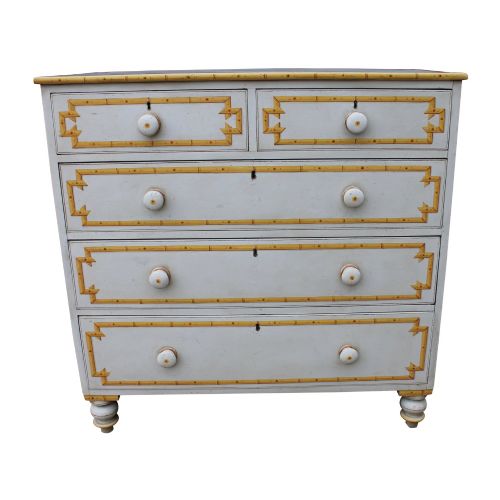
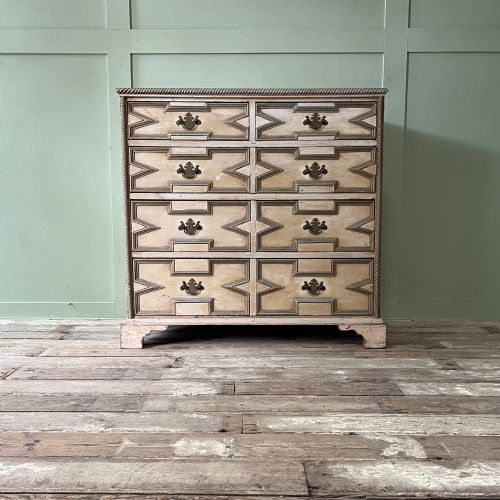
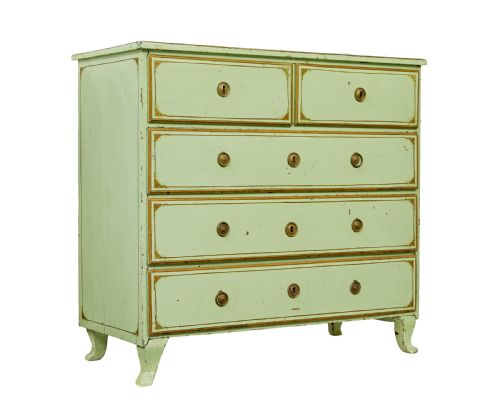
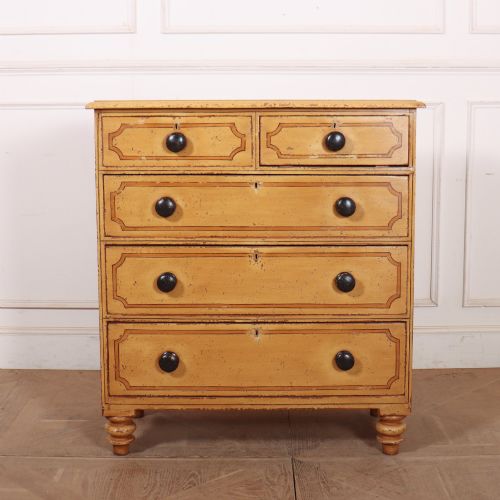
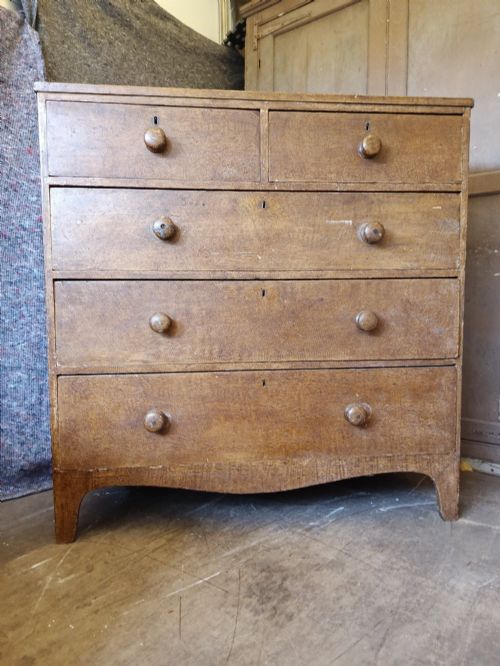
Most examples found here utilise timber frames finished with historical paint schemes, ranging from simple pine surfaces to intricate decorative motifs. Alongside standard drop-front writing desks, buyers will encounter bureau bookcases and secretaire cabinets that integrate display shelving.
Origins stretch across English workshops, French provincial centres, and Swedish rural traditions, reflecting diverse regional tastes in domestic furniture. These items serve as working writing surfaces while providing substantial compartmentalised storage within a compact footprint.
Materials and construction methods
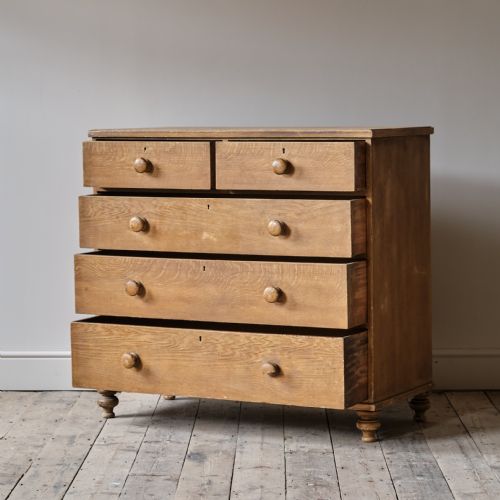
Construction relies heavily on sturdy timbers like pine and oak, often paired with secondary woods for internal drawer framing and hidden compartments. Cabinetmakers utilised traditional joinery techniques such as dovetailed drawer boxes and panelled doors to ensure structural longevity.
Surface decoration involves the application of traditional paint layers, sometimes revealing original pigments beneath subsequent decorative schemes. Brass hardware, including drop handles and escutcheons, secures operational drawer fronts and cabinet doors while providing functional contrast to the painted timber.
Listings incorporate items spanning the eighteenth century, Victorian era, and early twentieth-century decades, utilising pine, satinwood, and iron components.
Quality variations across pieces
Quality depends upon the integrity of the timber frame, the survival of original surface decoration, and the smooth operation of internal writing flaps and drawers. Finer examples retain their structural stability without excessive timber shrinkage or replacement hardware.
The sophistication of the painted finish distinguishes simpler utilitarian items from more ambitious decorative works. Original hand-painted details or authentic regional patination carry greater distinction than later decorative treatments applied to plain carcases.
Sir Clough Williams-Ellis
The Vintage Painted Bureau Glossary
- Bureau
- A desk featuring a sloping hinged lid that drops down to form a writing surface, concealing pigeonholes and small drawers inside. This form evolved to manage correspondence securely in domestic settings.
- Secretaire
- A piece of furniture incorporating a concealed writing drawer or drop-front desk compartment within a larger cabinet or bookcase structure. It conceals utility behind formal exterior cabinetry.
- Chinoiserie
- A European decorative style employing motifs inspired by Chinese art and design, often rendered in painted or lacquered finishes on furniture. This aesthetic gained popularity across various eighteenth and nineteenth-century periods.
- Escritoire
- A light writing cabinet or desk, frequently fitted with multiple small drawers and a hinged writing flap. French interpretations often display delicate proportions and decorative veneers.
- Escutcheon
- A protective plate surrounding a keyhole, usually fashioned from brass or other metals to prevent wear on the surrounding wood or paint.
Vintage Painted Bureau: Frequently Asked Questions
How do I use a bureau as a desk?
Lower the hinged wooden flap to create a horizontal writing surface while keeping stationery and small items organised in the internal pigeonholes.
Close the flap when finished to conceal paperwork and maintain a neat appearance in the room.
Can I store a laptop inside?
Measure the internal depth of the writing compartment before placing modern technology inside older sloped desks.
Many vintage compartments were built for ledgers and letters rather than contemporary widescreen devices.
How should I clean painted wood?
Dust surfaces regularly with a soft, dry cloth to prevent the accumulation of grit on historical paint layers.
Avoid harsh chemical cleaning products that might lift or dissolve older decorative finishes.
Are these pieces heavy to move?
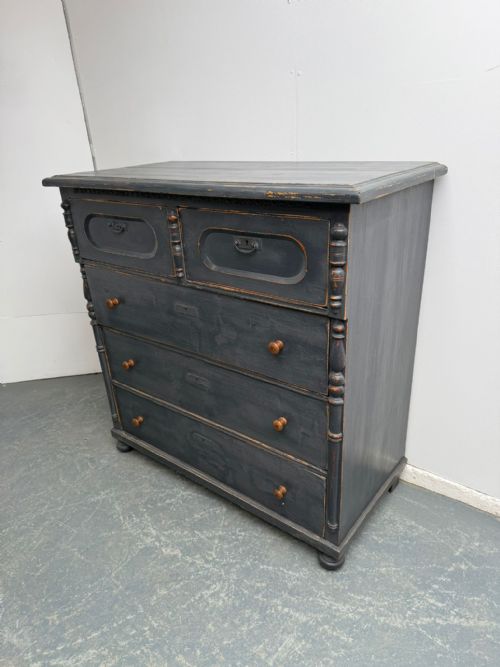
Solid timber construction makes most bureaus and chests substantial items requiring two people for safe relocation.
Removing internal drawers prior to transport lightens the overall load and protects the frame joints.