


Vintage Overmantel Wall Mirror
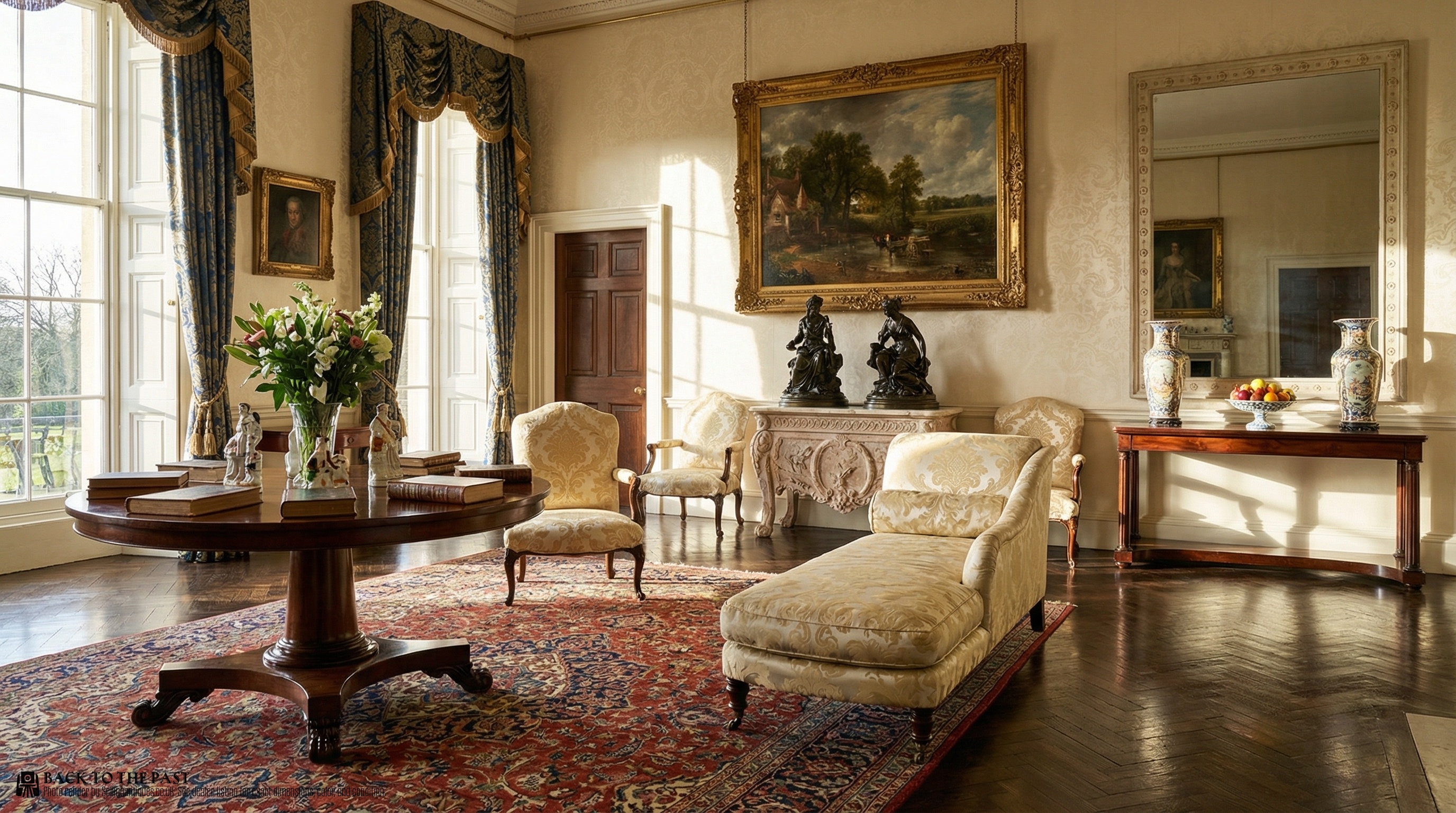
A vintage overmantel wall mirror anchors a room above a fireplace with grand proportions, bringing historic charm and reflective light into the interior space.
Vintage Overmantel Wall Mirror
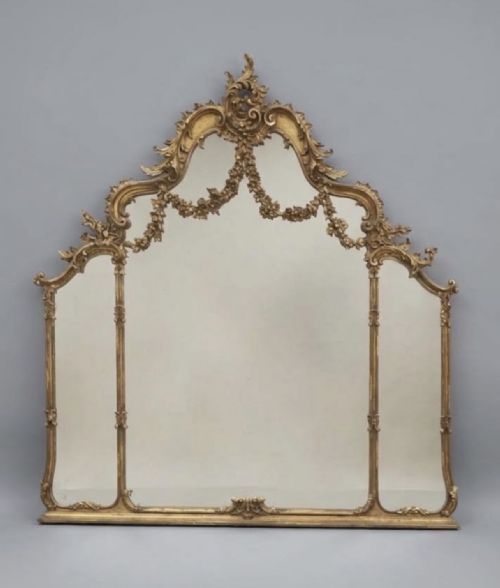
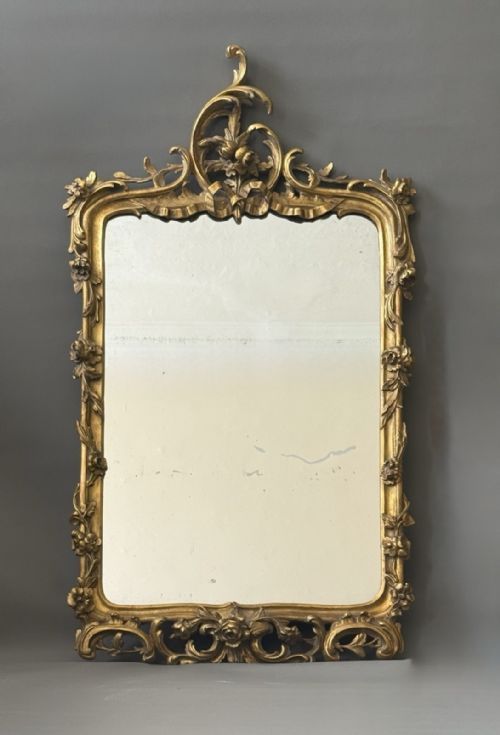
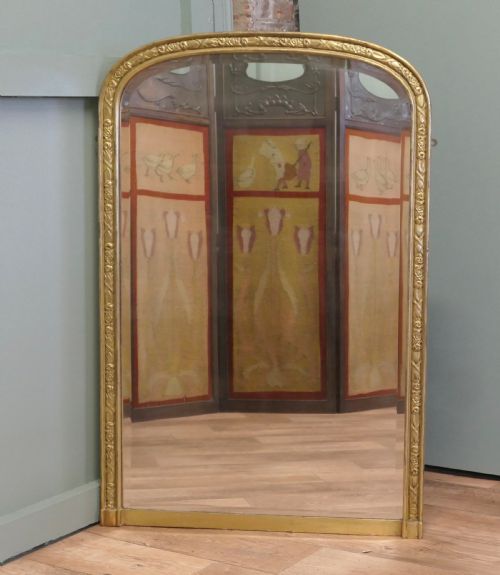
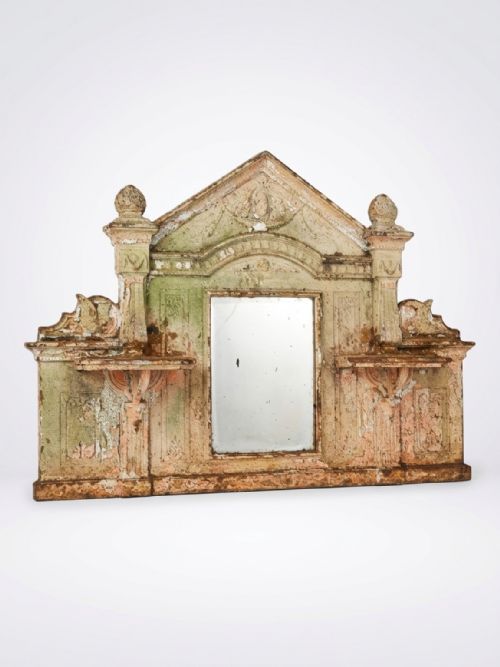
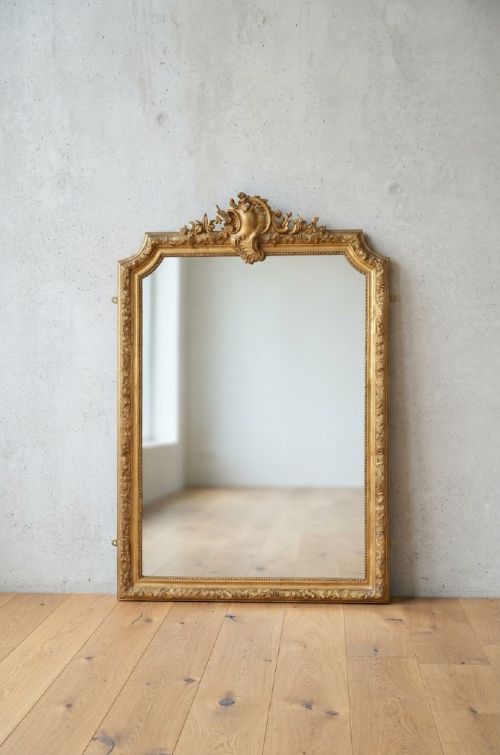
A vintage overmantel wall mirror typically commands attention by resting above a mantelpiece or acting as a principal wall hanging in formal reception rooms. These pieces originate across the nineteenth and early twentieth centuries, drawing heavily upon French stylistic movements like Louis Philippe and Rococo Revival. Buyers seeking this phrase encounter large arched formats, giltwood frames, and classic trumeau designs intended to amplify natural light.
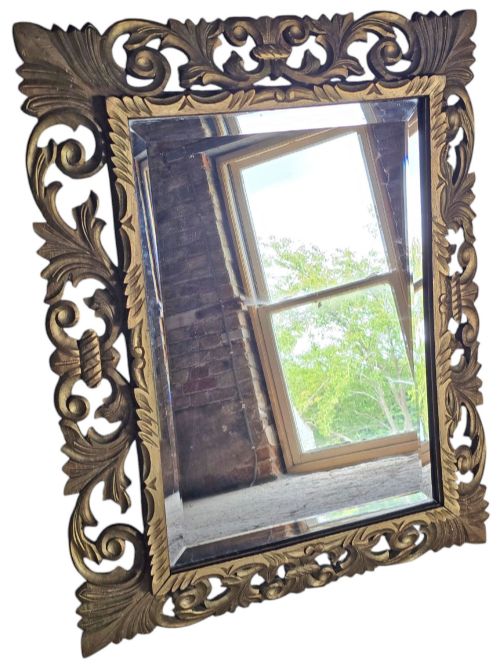
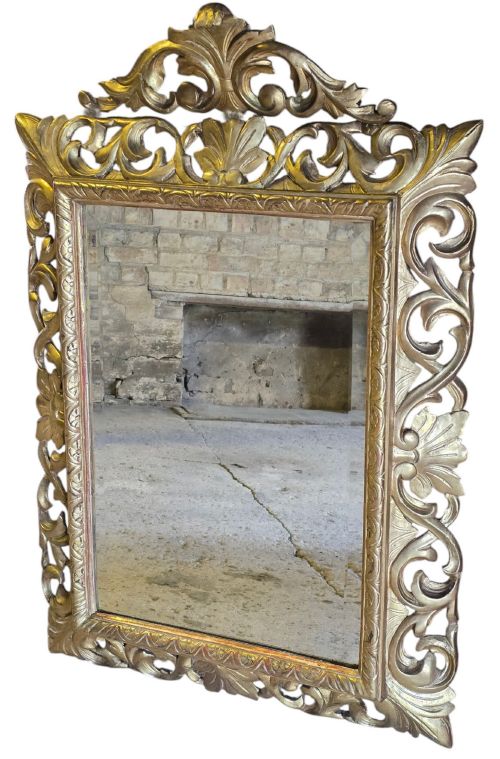
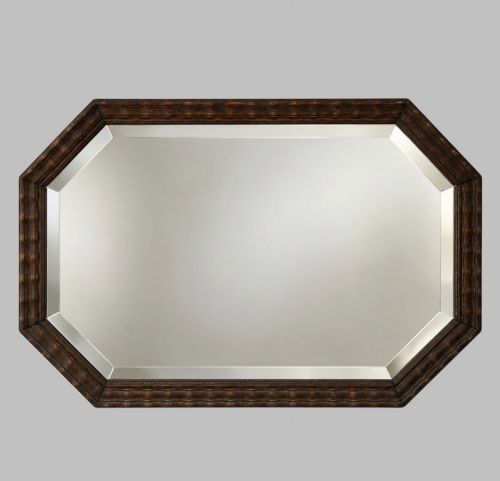
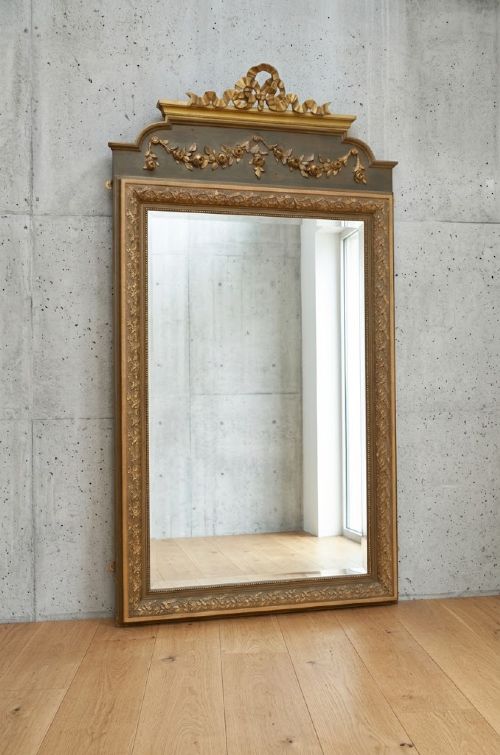
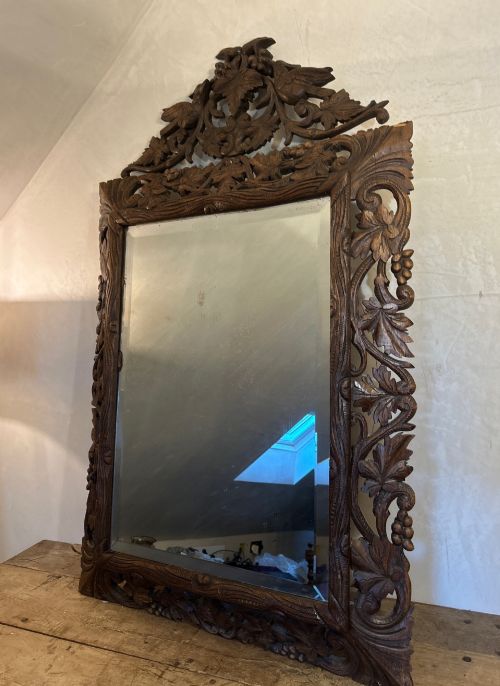
The selection ranges from restrained rectangular oak frames to monumental gilded creations adorned with ornate carvings and ribbon crests. French country examples sit alongside elaborate Florentine statements and architectural giltwood pieces from the Victorian era. Each variant offers a distinct architectural presence shaped by its regional origin and period aesthetic.
Materials and Traditional Construction
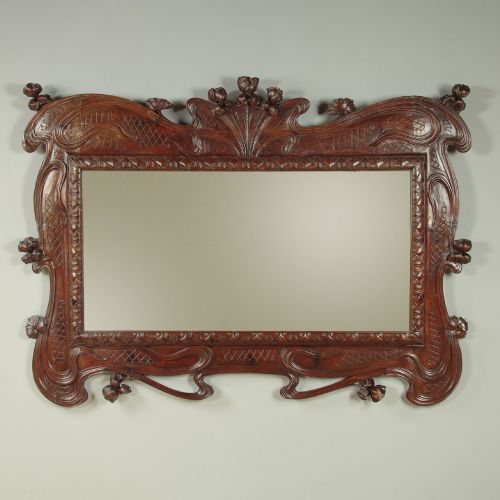
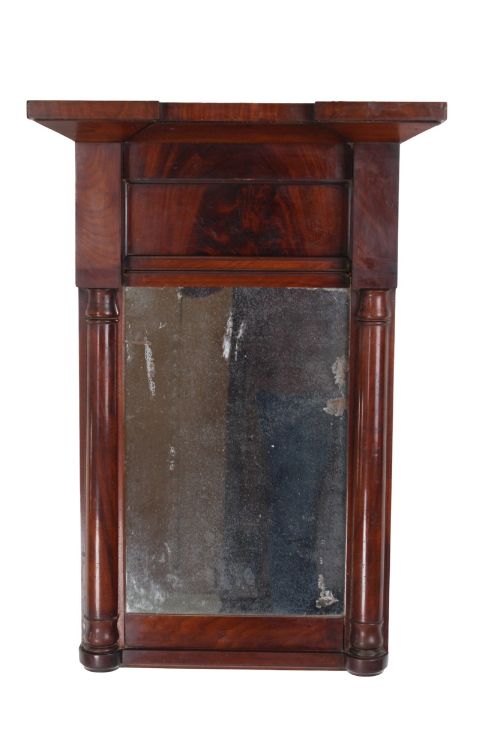
Makers constructed these frames using solid timbers such as oak, mahogany, and walnut, alongside carved wood and applied gesso to build up intricate relief ornaments. Gilding techniques involved laying gold leaf over preparation layers to achieve a luminous metallic finish, while other pieces received painted finishes or ebonised treatments. Early plates often relied on mercury glass, which produces a characteristic mottled foxing over time.
The joinery and framing methods supported substantial mirror plates designed to withstand the weight of heavy timber and moulded plaster work. Craftsmen carved floral motifs, mythological carvings, and scrolling foliage directly into the wooden substrates or modelled them in gesso before finishing. The physical heft of the materials dictates that secure wall fixings remain essential for contemporary placement.
Several mirrors sport playful ribbon crests carved at the very top, proving that nineteenth-century artisans loved a decorative bow just as much as we do.
Distinguishing Quality and Execution
The distinction between tiers of quality rests upon the depth and crispness of the hand-carving within the wood or gesso frame. Superior examples display finely articulated foliage, balanced proportions, and original gilding that has aged with a soft, uniform patina. Lesser pieces may feature simplified moulding profiles or heavy, unsympathetic repainting that obscures the underlying detail.
The integrity of the mirror plate itself contributes significantly to the overall merit of the piece, particularly where original antique glass or authentic mercury silvering survives. Frames constructed from dense hardwoods with robust corner construction demonstrate superior longevity compared to lighter, hastily assembled carcase work. Ultimately, the harmony between the scale of the frame and the proportion of the glass defines the upper echelon of surviving stock.
Waring And Gillow
The Vintage Overmantel Wall Mirror Glossary
- Overmantel mirror
- A large wall mirror specifically designed and proportioned to hang directly above a fireplace mantel. These pieces were traditionally scaled to fill the vertical space between the mantelpiece and the cornice.
- Giltwood
- Timber that has been coated with a thin layer of gold leaf or gold paint. This technique provided a brilliant reflective surface that caught candlelight in historic interiors.
- Gesso
- A plaster mixture consisting of a binder mixed with chalk, gypsum, or pigment. Artisans applied this substance to wooden frames to create a smooth surface for subsequent carving or gilding.
- Trumeau mirror
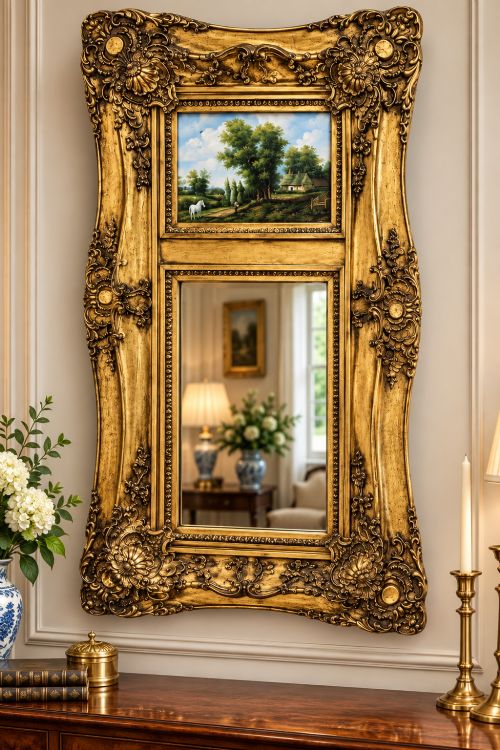
- A decorative wall mirror incorporating a painted panel or carved artwork directly above the glass plate. Originating in French interior design, these pieces often integrated into wall panelling.
- Foxed glass
- Mirror plate showing dark spots, speckling, or mottled patches caused by the degradation of the reflective backing over decades. Collectors prize authentic foxing as an indicator of genuine age.
- Pier mirror
- A tall, narrow wall mirror historically hung on the solid pier of wall space situated between two windows. Their vertical format maximised the bounce of daylight into dark rooms.
Vintage Overmantel Wall Mirror: Frequently Asked Questions
Where should an overmantel mirror be hung?
These mirrors traditionally sit directly above a fireplace mantelpiece, where their expansive scale reflects light and anchors the room's central focal point. Placing them at this height allows the frame to interact naturally with mantel ornaments and architectural surrounds.
Alternatively, hanging one on a primary wall in a dining room or hallway creates the illusion of extended space. The substantial height of these pieces requires secure fixing directly into structural wall anchors.
How do I identify a French Louis Philippe mirror?
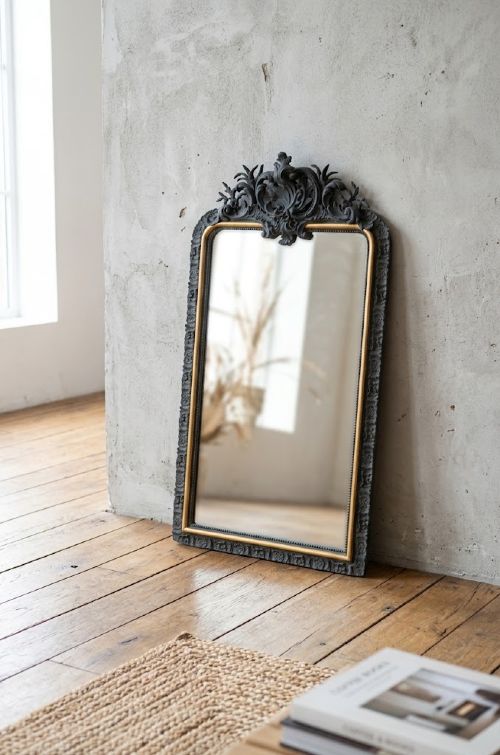
Louis Philippe mirrors typically feature a distinctive rounded upper corners combined with a straight-sided rectangular frame. The frames are often finished in giltwood or gesso with subtle beaded or floral decoration rather than heavy ornamentation.
This style emerged during the nineteenth century as a more restrained alternative to earlier Rococo excesses. Their clean geometric lines suit both traditional and contemporary interior schemes.
What is foxed glass on an antique mirror?
Foxed glass refers to the natural ageing of the reflective silver or mercury backing, which creates characteristic dark spots and cloudy patches. This chemical degradation occurs slowly over centuries as moisture interacts with the metal layer behind the glass.
Many collectors value foxed plates because they prove the glass is genuinely historic rather than a modern replacement. The soft speckling also produces a gentle, non-glare reflection.
Can these heavy mirrors be hung on drywall?
Hanging a heavy nineteenth-century frame requires locating structural wall studs or using heavy-duty cavity fixings rated for substantial weight. The combination of dense timber, gesso, and thick glass makes these items significantly heavier than modern wall hangings.
Professional installation ensures the weight distributes safely across the wall structure. Checking the security of the hanging wire and frame joints is also essential prior to mounting.