



Vintage Oval Gateleg Table
A vintage oval gateleg table provides a practical folding surface rooted in centuries of vernacular British and European woodworking traditions.
Vintage Oval Gateleg Table
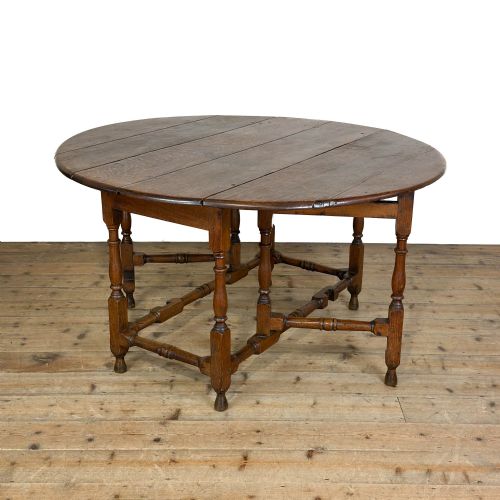
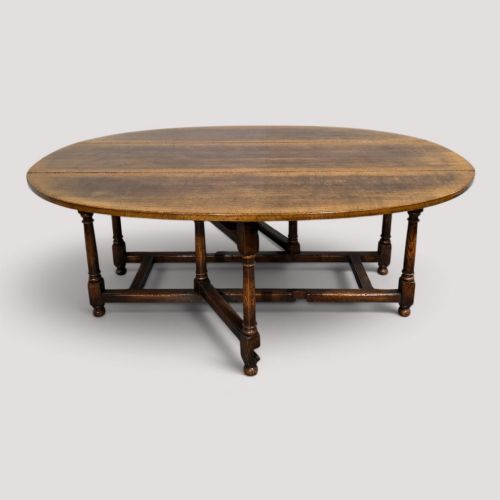
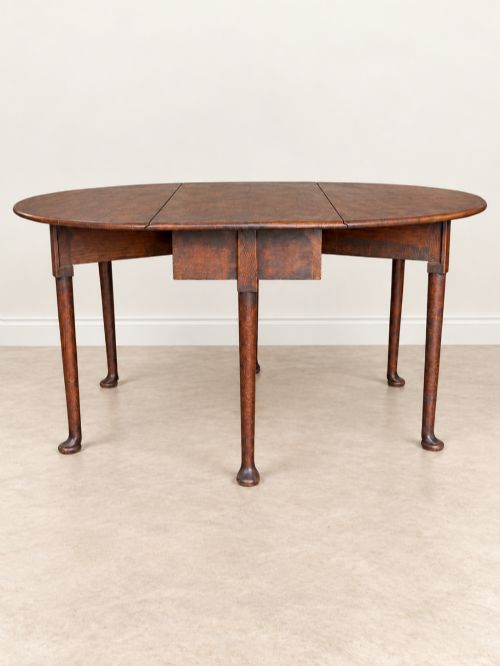
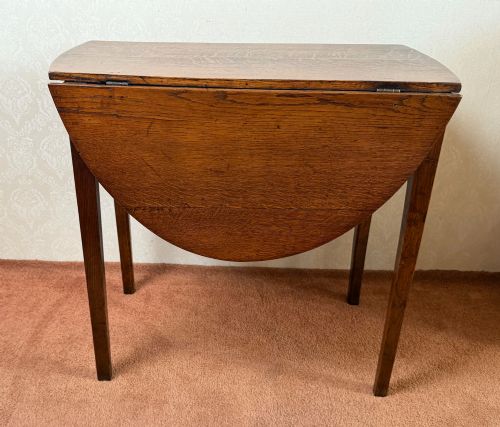
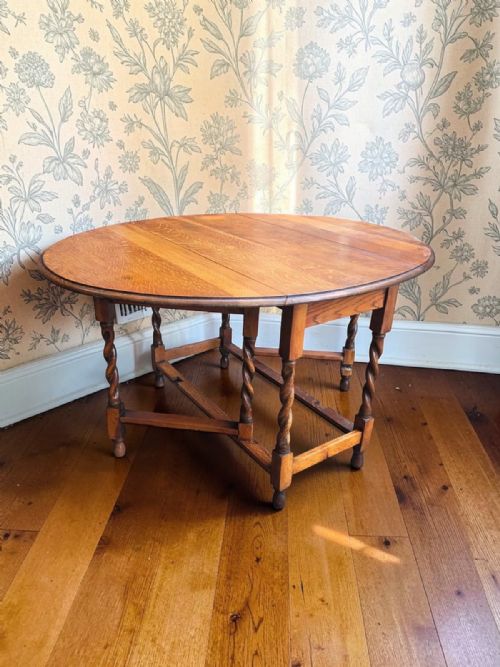
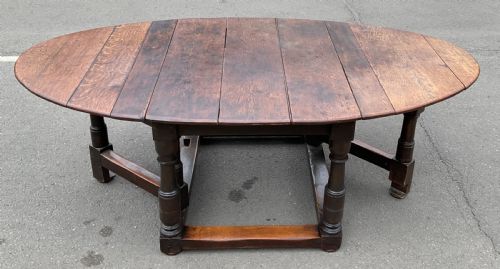
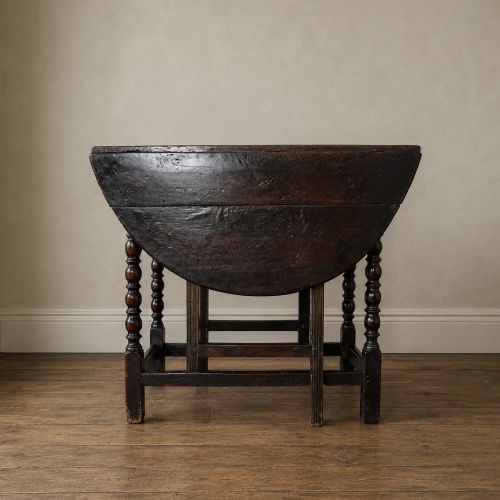
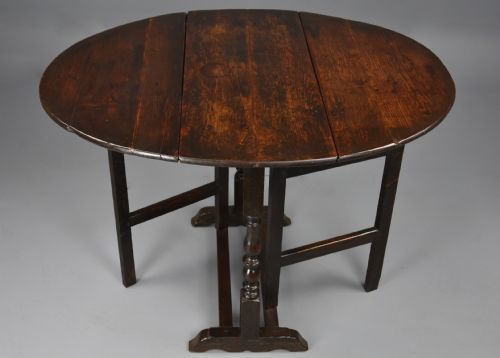
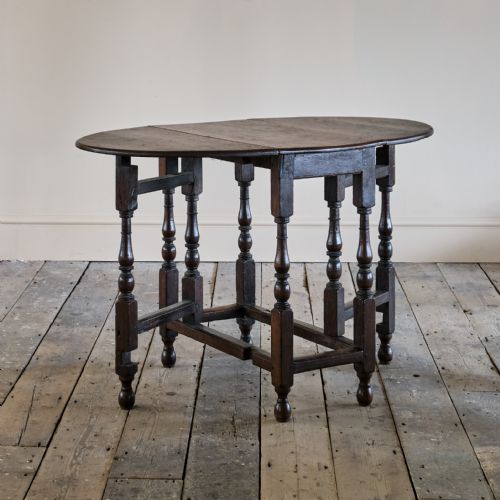
A vintage oval gateleg table is a form of drop-leaf furniture where hinged legs swing outward to support folding leaves, creating an oval top when fully extended. These pieces originate from historic periods spanning the seventeenth century through to the early twentieth century, incorporating revival styles such as Jacobean, Queen Anne, and Georgian.
The pieces most commonly encountered on this page are constructed from oak and mahogany, taking the form of large dining tables, smaller coffee tables, and occasional tables. Buyers select them for their space-saving versatility and the distinct character brought by centuries of domestic use.
Materials and construction
Makers utilised solid timbers, predominantly oak and mahogany, alongside walnut, pine, and painted wood for construction. Structural strength relied on pegged mortise and tenon joints, while turning techniques produced upright supports including distinctive barley twist legs.
Hardware consisted of iron and brass hinges fixed to drop leaves that fold down neatly when not in use. Surface finishes varied from natural wax polishes that built a deep patina over time to painted finishes.
Evaluating quality
Quality rests in the choice of timber and the integrity of the gateleg mechanism, where original hinges and smoothly pivoting wooden frames distinguish superior examples. Substantial proportions and well-figured wood grain elevate pieces from utilitarian items to finer works of cabinetmaking.
The depth of the natural patina and the crispness of turned details, such as barley twist legs, indicate the level of craftsmanship invested in the construction. Alterations to timber or replacement legs alter the historical integrity of older examples.
The Vintage Oval Gateleg Table Glossary
- Gateleg table
- A table with hinged leaves supported by one or more legs that swing out like a gate. This design allows the surface to expand for dining or fold down for compact storage.
- Barley twist
- A type of turned wooden leg carved in a spiral shape resembling a twisted rope. This decorative feature appears frequently on seventeenth-century and revival furniture.
- Drop-leaf
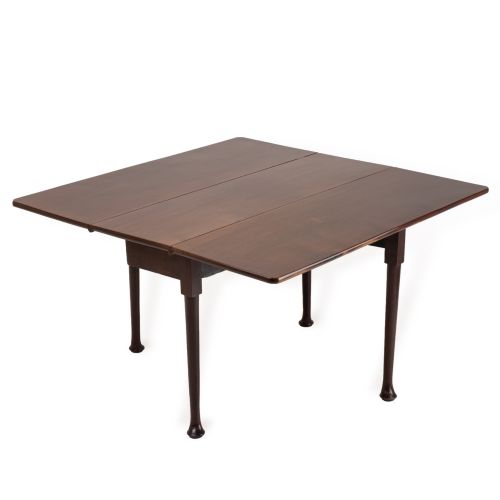
- A table top configuration comprising a fixed centre section and hinged flaps that drop down at the sides. It offers flexibility in floor space utilisation.
- Patina
- The glossy sheen and mellow colour developed on the surface of wood over decades or centuries through handling, polishing, and natural ageing.
Vintage Oval Gateleg Table: Frequently Asked Questions
How do I use a gateleg table daily?
Keep both leaves dropped against the central frame to use the piece as a narrow console or side table against a wall. Swing the hinged support legs outward and raise the leaves when you need a full dining surface.
Fold the leaves down again after meals to reclaim floor space in smaller rooms. Placing felt pads beneath everyday objects protects the historic timber surface from marks.
How do I distinguish seventeenth-century oak from later revivals?
Examine the construction marks, timber grain, and joinery methods closely on the underside of the table. Seventeenth-century examples typically exhibit hand-sawn boards, pegged joints, and uneven timber shrinkage accumulated over centuries.
Revival pieces from the late nineteenth and early twentieth centuries often display more uniform machining marks and standardised fixings. Comparing the patina across high-wear areas also reveals the true age of the piece.
Will a mahogany gateleg table fit a modern interior?
Mahogany gateleg tables blend easily into contemporary spaces due to the warm reddish-brown tones of the wood. Their slender turned legs and drop-leaf mechanism offer visual lightness that prevents them from dominating a room.
Pair a large dining version with modern chairs for a contrasting look, or use a smaller occasional table beside seating. The ability to fold the leaves down makes them adaptable to changing spatial requirements.
How do I care for a waxed wood finish?
Apply a coat of quality beeswax furniture polish sparingly and buff with a soft cloth to maintain the protective shine. Avoid placing these tables near direct heat sources or in strong sunlight, which can dry out and fade the timber.
Use coasters and placemats to prevent moisture rings from damaging the antique surface. Regular gentle dusting keeps the grain clear without stripping the accumulated patina.