
Vintage Outdoor Seating
These vintage outdoor seating pieces bring character to gardens and terraces through cast iron, teak, and wrought iron forms.
Vintage Outdoor Seating
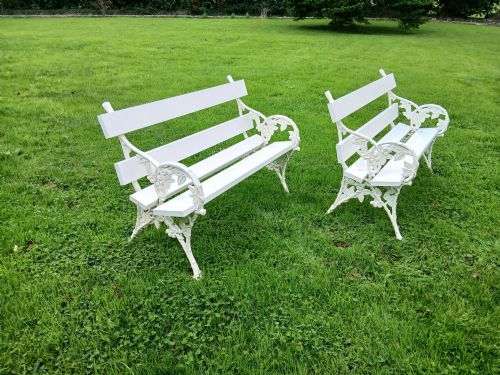
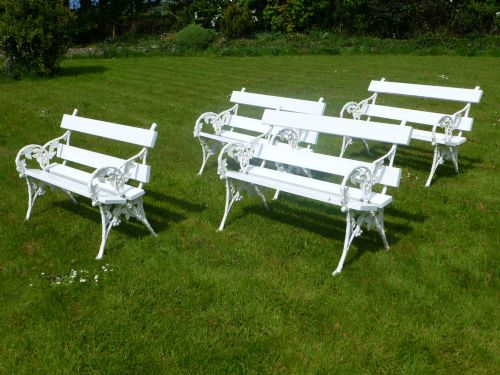
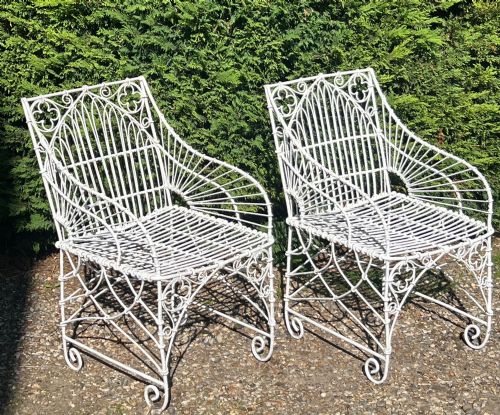
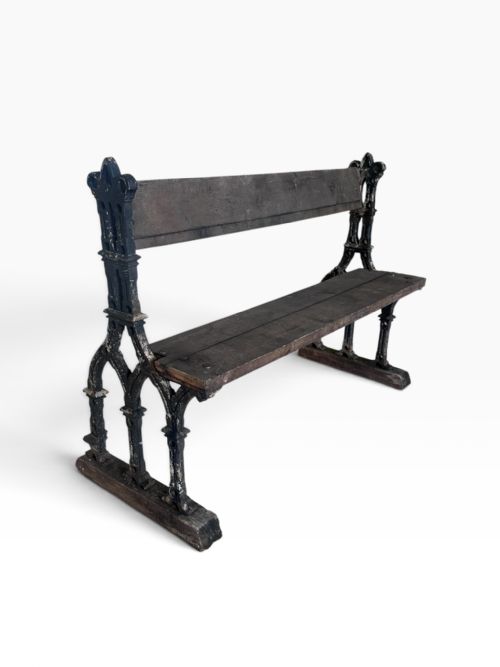
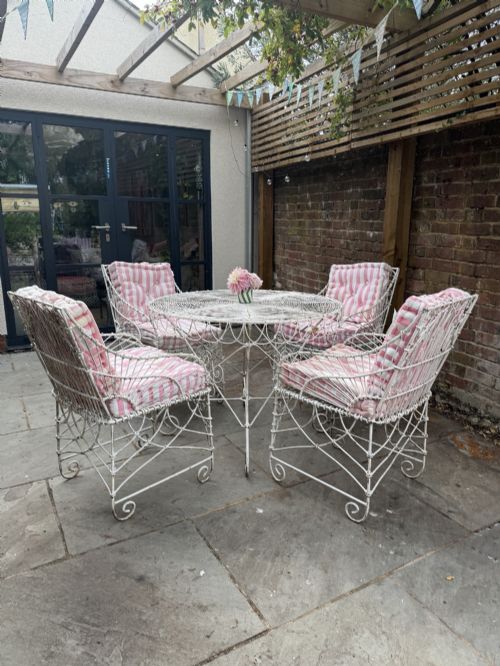
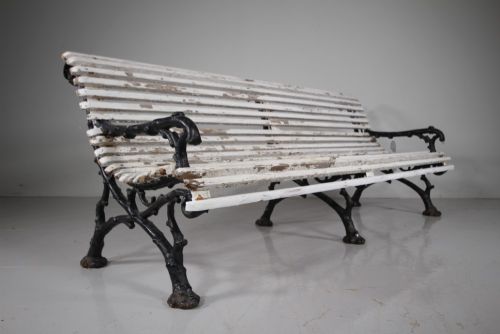
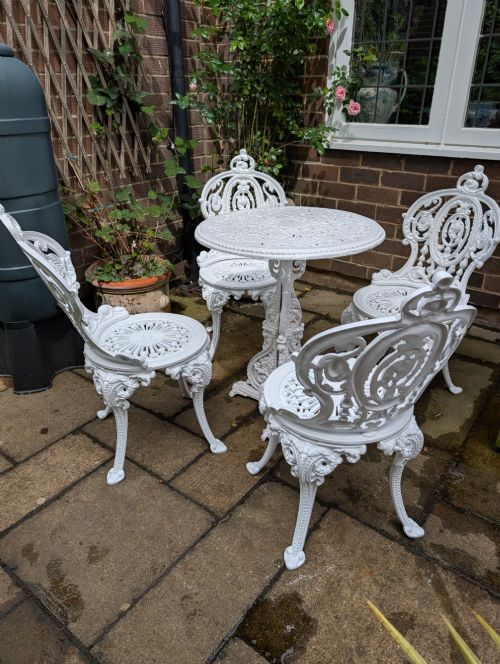
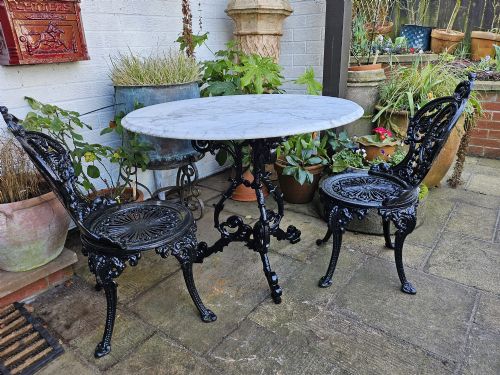
You will find pieces reflecting Victorian, Edwardian, and Regency periods alongside French Country and English garden styles. Iron examples frequently display intricate cast or wrought patterns such as blackberry and leaf motifs, Gothic arches, and strapwork.
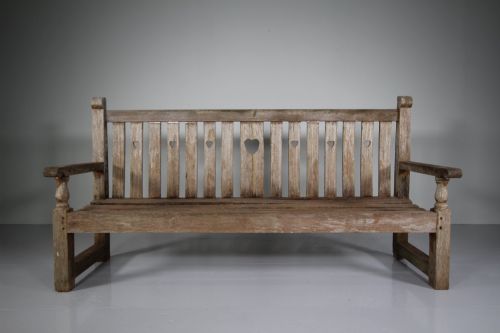
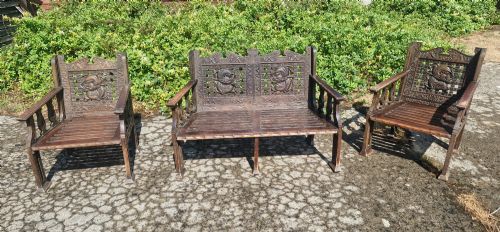
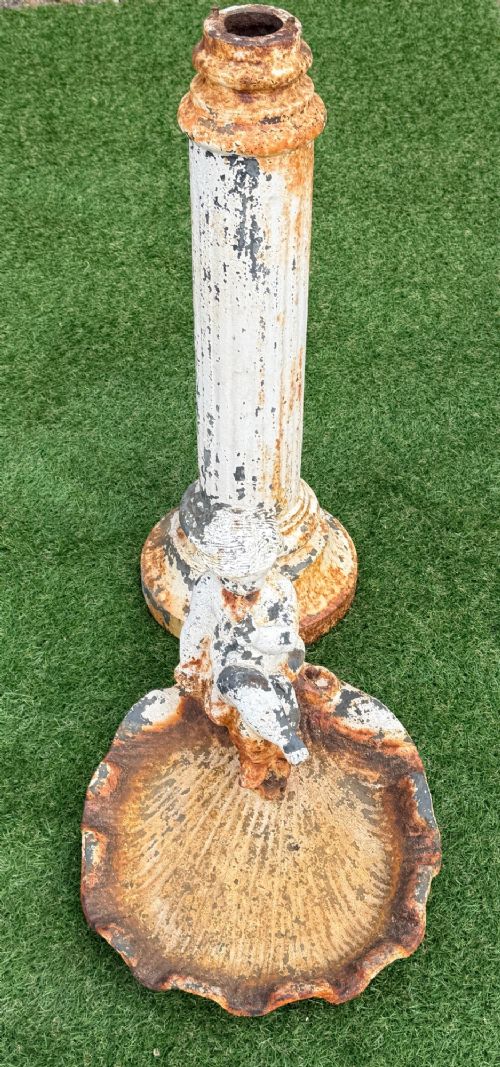
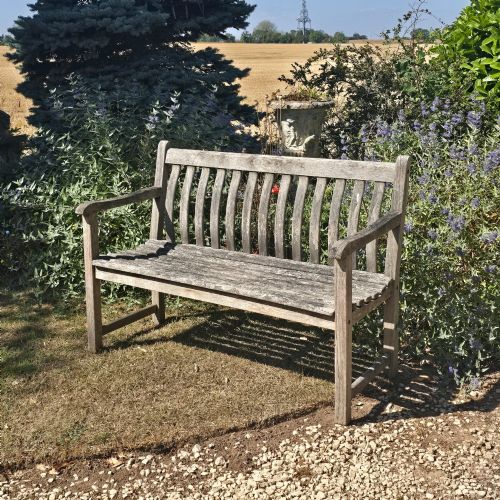
Timber items lean towards durable woods like teak and elm, often shaped into heart motifs or rustic slats. Alongside seating, the listings include occasional garden tables, bird baths, and arbours designed for exterior placement.
Materials and construction methods
Foundries produced the heavy metal elements using cast iron and wrought iron, pouring molten metal into detailed moulds or shaping hot bars by hand to form strapwork, scroll arms, and robust frames. Many of these metal surfaces carry historic layers of paint or natural weathering.
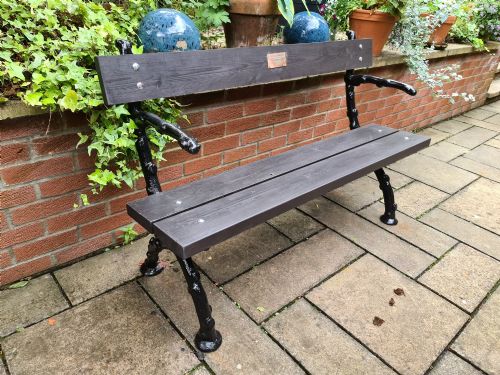
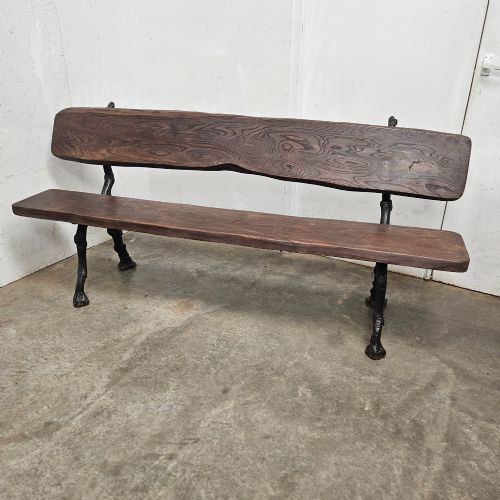
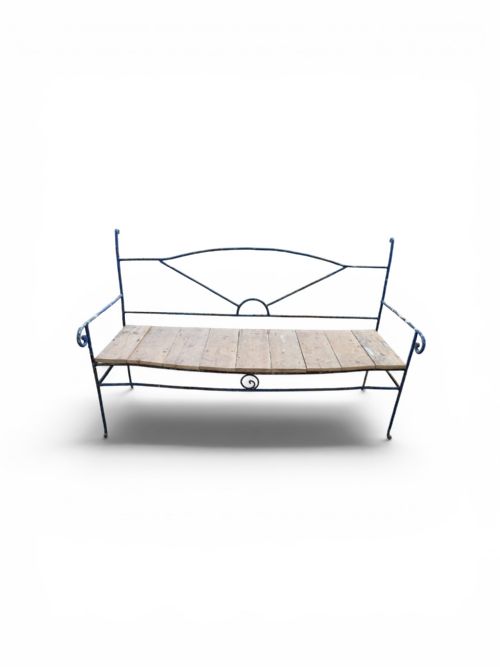
Woodland timbers such as teak, elm, and general hardwoods were utilised for seats and slats, joined using traditional carpentry methods to withstand exterior conditions. Certain designs combine these materials, pairing iron frames with wooden slats or adding marble tops to metal bistro tables.
The listings combine cast iron, wrought iron, teak, timber, and reconstituted stone across Victorian, Edwardian, and Regency periods.
Determining quality in outdoor pieces
The distinction between standard utility furniture and superior examples lies in the crispness of the casting and the ambition of the design. Foundries that produced named or registered patterns achieved sharper relief in details like foliage and figural masks.
Material selection dictates longevity and tactile appeal, with dense timbers like teak and substantial cast iron structures holding their integrity better than lighter substitutes. The preservation of original surface finishes, whether early paint or a well-silvered timber grain, preserves the integrity of the piece.
Falkirk Carron Foundry·Christopher Dresser·Coalbrookdale
The Vintage Outdoor Seating Glossary
- Cast iron
- Iron poured into a mould to create rigid, highly detailed decorative forms. It allows for complex motifs like leaves and crests but can be brittle under sharp impacts.
- Wrought iron
- Iron heated and hammered by hand into functional and decorative shapes. It yields tough, flexible components often seen in linear strapwork and scroll designs.
- Strapwork
- Flat bands of metal arranged in geometric or interlaced patterns. This technique provides structural support while adding rhythmic linear decoration to seats and backs.
- Faux bois
- An artistic imitation of wood grain applied to other materials such as concrete or metal. French makers utilised this technique to blend garden furnishings into natural landscapes.
- Arbour
- A shaded garden alcove featuring lattice panels or wirework designed for climbing plants. These structures create enclosed seating retreats within a larger garden layout.
Vintage Outdoor Seating: Frequently Asked Questions
How do I maintain vintage teak benches outdoors?
Teak naturally weathers to a silver-grey patina when left exposed to the elements, requiring minimal chemical intervention. Cleaning the surface gently with water and a soft brush removes accumulated dirt without stripping the natural oils.
Applying oils is optional and serves primarily to darken the wood tone rather than protect the core material. Ensuring the feet rest on dry paving prevents moisture absorption during wetter months.
Are cast iron garden seats heavy to move?
Cast iron components possess considerable weight, making these benches and chairs exceptionally stable on uneven ground. This mass prevents them from shifting in high winds or sinking into soft soil.
Because of their weight, repositioning them generally requires two people to avoid damaging the legs or turf. During winter, some owners prefer to store lighter metal or wood suites under cover.
What is the difference between Regency and Victorian styles?
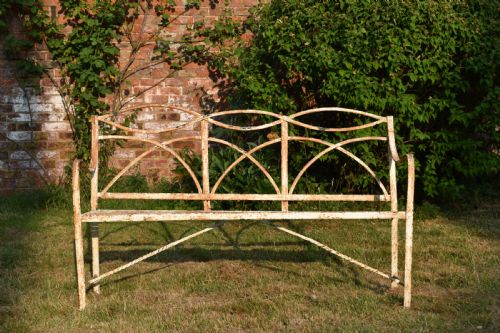
Regency garden seating typically exhibits classical restraint, featuring geometric strapwork, delicate curves, and slender iron profiles. These designs echo neoclassical architecture and early nineteenth-century interior trends.
Victorian pieces embrace heavier ornamentation, incorporating naturalistic motifs like foliage, branches, Gothic tracery, and figural elements. Cast iron production surged during the Victorian era, allowing for deeply textured and robust garden furniture.
Can I leave metal garden chairs outside year-round?
Iron and metal garden furniture withstands outdoor conditions well, provided the protective surface coatings remain reasonably intact. Over decades, exposure to rain develops stable oxidised surfaces or weathered paint that adds historical character.
Checking the joints and fasteners periodically ensures the framework remains rigid despite seasonal temperature shifts. Storing cushions or non-metal additions indoors during extended wet periods prolongs their lifespan.