


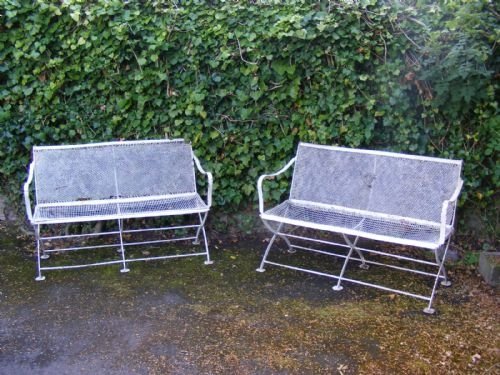
French Outdoor Bench
A french outdoor bench brings enduring structure to a terrace or lawn, offering robust metalwork and rustic timber ready for decades outside.
French Outdoor Bench
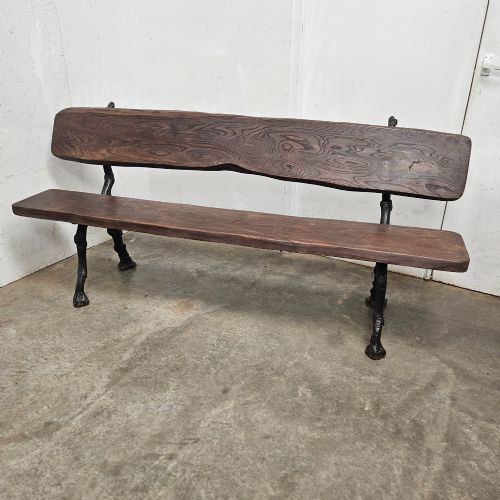
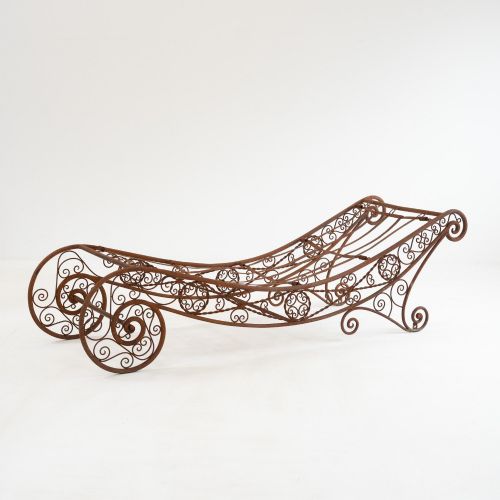
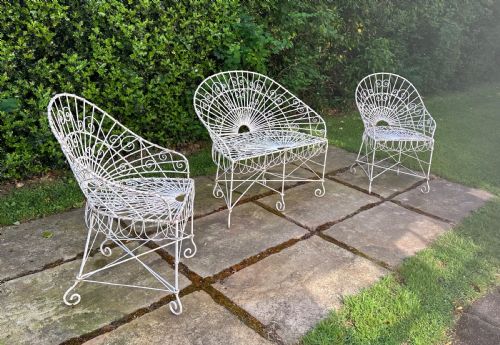
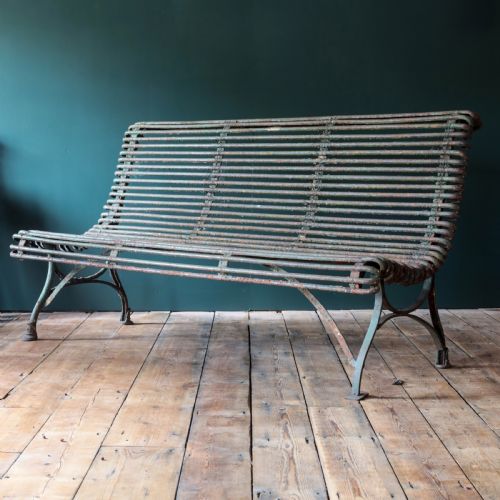
A french outdoor bench encompasses garden seats, daybeds, and arbours shaped by 19th century, Victorian, and early 20th century hands. Buyers searching for a french outdoor bench encounter robust metal frames, wirework constructions, and elm slats designed for garden utility.
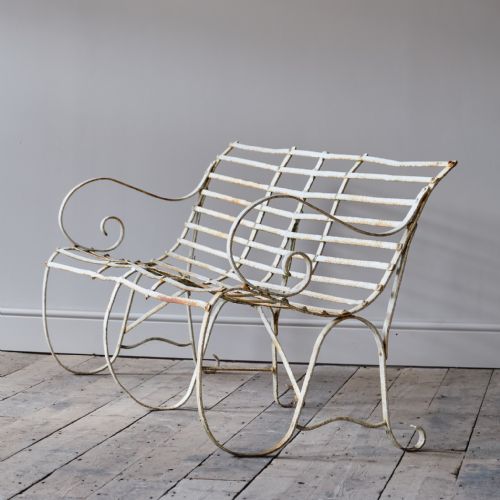
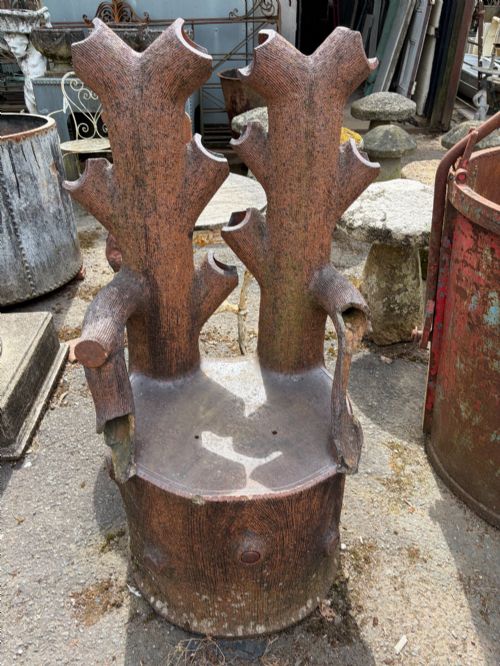
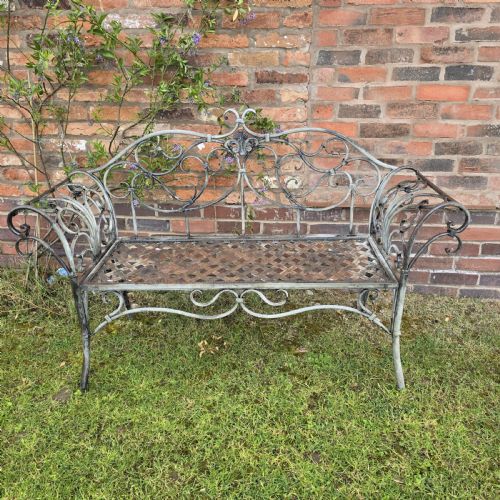
The most common forms on this page include wrought iron scroll benches, cast iron designs, and rustic elm and iron faux bois pieces. Makers combined architectural styles like Gothic Revival with practical garden seating to suit terraces and lawns.
Examples range from compact two-seater benches to larger matching sets with chairs, reflecting how historical French and Victorian gardens were furnished for leisure.
Materials and construction
Makers utilised wrought iron, cast iron, steel, and steel wire to build durable frames capable of withstanding the elements. Metal components often feature strap work, scroll motifs, and layers of original paint preserved from the period.
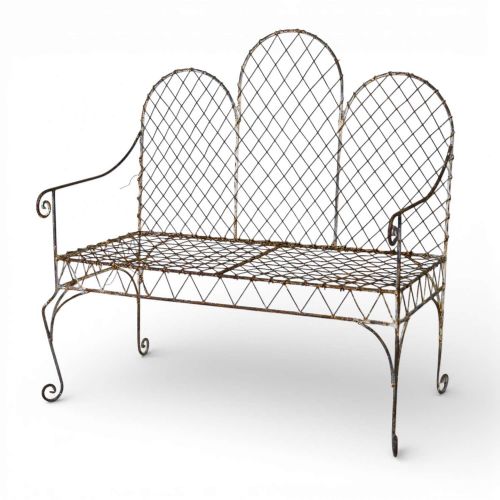
Timber elements rely on elm for seats and structural parts, sometimes shaped through faux bois techniques to mimic natural branches. Wirework construction creates lighter arbours and seating frames through intricate bending and joining.
The inventory includes garden daybeds, arbours, and matching seating sets alongside standard benches.
Assessing quality
Quality rests in the crispness of iron casting, the complexity of wrought scrollwork, and the retention of original surface paint. Pieces with named foundry designs or integrated architectural influences show superior ambition in the workshop.
The integrity of the elm slats and the tightness of wirework joints determine the structural success of the piece. Subtle variations in proportions and decorative detail separate standard garden seats from exceptional historical examples.
Val D osne
The French Outdoor Bench Glossary
- Faux bois
- Imitation wood. This technique involves shaping concrete, metal, or timber to resemble natural tree branches and logs.
- Wrought iron
- Iron beaten into shape. This material provides strong, flexible frames that makers bent into scrollwork and strap designs.
- Cast iron
- Iron poured into moulds. This method allows for repetitive decorative patterns and heavy structural components.
- Wirework
- Metal wire bent and joined. This technique produces lighter garden arbours and seating with open, geometric patterns.
- Strap work
- Flat metal strips joined together. Makers utilised this method to reinforce bench seats and backs with geometric rigidity.
French Outdoor Bench: Frequently Asked Questions
How do I care for an old metal garden bench?
Keep the metal clean and dry during harsh winter months to protect the underlying structure and any remaining historic surface layers. Avoid harsh chemical strippers that might remove original paint.
Position the bench on stable paving or gravel to prevent moisture from rising directly into the feet or lower frame components.
Where should I place a wirework arbour?
Site the arbour where climbing plants can twine through the open metal structure to provide natural shade and seasonal colour. Ensure the base secures firmly into the ground to support the weight of mature foliage.
Position the piece as a focal point at the end of a garden pathway or framing a terrace entrance.
Are these benches suitable for year round outdoor use?
Iron and steel garden seating handles outdoor environments well, provided the metal receives basic seasonal maintenance. Elm and other timbers benefit from sheltered spots or protective covers during prolonged winter dampness.
Inspect the paint and surface condition regularly to catch early signs of weathering before moisture affects the metal.
How do I identify a 19th century piece?
Look for heavy cast iron components, hand-forged wrought iron scrollwork, and traditional joining methods without modern welding. Patina from layers of old paint often indicates considerable age and historical use.
Compare the decorative motifs, such as Gothic Revival arches, against known period designs and foundry catalogues.