


Antique Garden Bench Pair
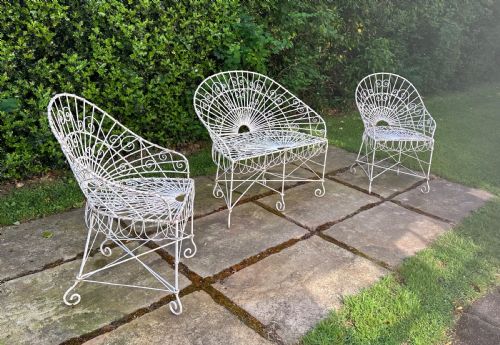
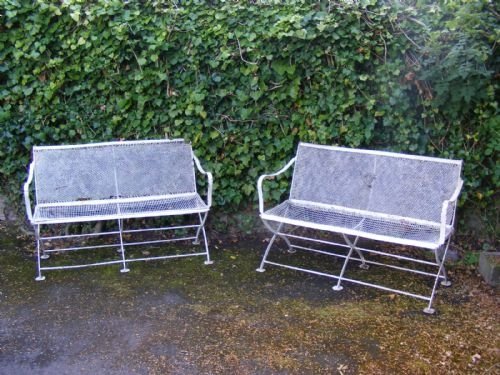
These antique garden bench pair selections bring enduring ironwork and timber seating to lawns and conservatories.
Antique Garden Bench Pair
An antique garden bench pair comprises matching seats designed for outdoor grounds, courtyards, and sheltered conservatory spaces. These listings centre on durable seating arrangements produced across the nineteenth and twentieth centuries.
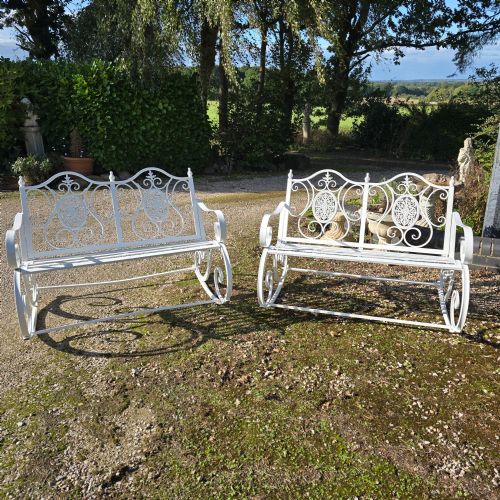
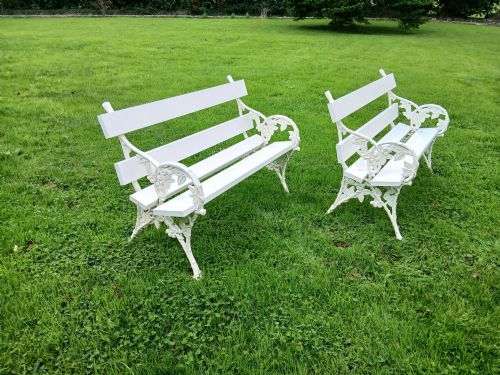
Buyers frequently encounter cast iron and wrought iron compositions, alongside timber and teak constructions. Examples range from nineteenth-century Victorian designs to interwar period pieces and regency style revivals.
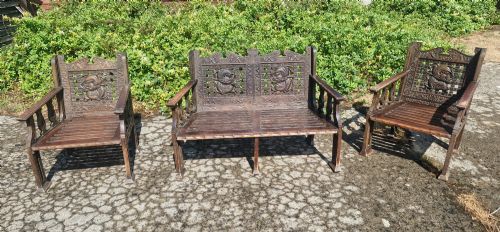
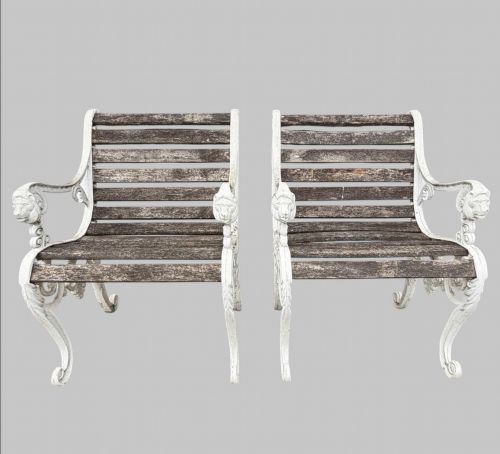
The objects take the form of complete garden benches, bench ends intended for restoration, matching garden armchairs, and larger seating suites. Origins span English workshops, French country aesthetics, and Anglo-Indian carving traditions.
How they were made
Maker foundries utilised cast iron and wrought iron for structural frames and decorative panels. Molten metal poured into sand moulds created intricate motifs such as blackberry and leaf patterns, lion masks, and gothic tracery.
Carpenters and joiners worked with timber and teak to construct supportive slats and seating surfaces. Painted wood finishes and protective layers of paint were applied to shield the materials from weathering.
Listings feature Victorian, Edwardian, and interwar periods alongside materials such as teak, cast iron, and wrought iron.
What varies in quality
The clarity and crispness of cast iron ornamentation define the upper tier of production. Foundry work displaying sharp relief on leaf details and animal masks indicates superior manufacturing standards.
The structural integrity of surviving timber slats and iron frames determines the durability of each set. Examples retaining original cast bench ends paired with well-preserved woodwork command greater attention.
Falkirk Carron Foundry·Coalbrookdale·Val D'osne
The Antique Garden Bench Pair Glossary
- Cast iron
- Iron poured into a mould to shape decorative bench ends and frames. This material allows for intricate relief patterns such as foliage and masks.
- Wrought iron
- Iron heated and hammered into shape by hand or machine. It provides resilient structural support for garden seats.
- Bench ends
- The structural side supports of a bench that hold the backrest and seat slats. These iron components often bear foundry marks.
- Conservatory suite
- A matched set of seating designed for indoor-outdoor garden rooms. These suites incorporate timber or carved elements.
- Gothic Revival
- A nineteenth-century design style mimicking medieval architectural forms. This aesthetic appears on iron bench backs with pointed arches.
Antique Garden Bench Pair: Frequently Asked Questions
How do I protect iron benches?
Cast and wrought iron frames benefit from periodic cleaning and rust prevention treatments. Maintaining protective paint layers prevents moisture damage during winter months.
Positioning benches on hard, well-drained surfaces rather than directly on damp soil reduces corrosion risks. Timber slats require appropriate oils or treatments to preserve the wood.
Can these benches stay outside?
Most iron and teak garden seats tolerate outdoor conditions well. Historic timber components last longer when sheltered during harsh weather.
Moving painted wood and delicate suites into conservatories or sheds over winter preserves their condition. Robust cast iron pieces withstand outdoor exposure across seasons with minimal intervention.
Are bench ends usable?
Iron bench ends form the structural sides of a seat and require new timber slats to become functional. Restorers cut wood to fit the existing bolt holes.
These components allow buyers to recreate period seating using durable modern timber or reclaimed wood. Matching the correct slat thickness ensures stability.
How do I date iron seats?
Stylistic clues such as Victorian gothic tracery or regency curves indicate the manufacturing period. Foundry marks and pattern registration numbers provide further chronological evidence.
Heavier casting methods and specific bolt configurations also help distinguish nineteenth-century examples from later twentieth-century productions.