
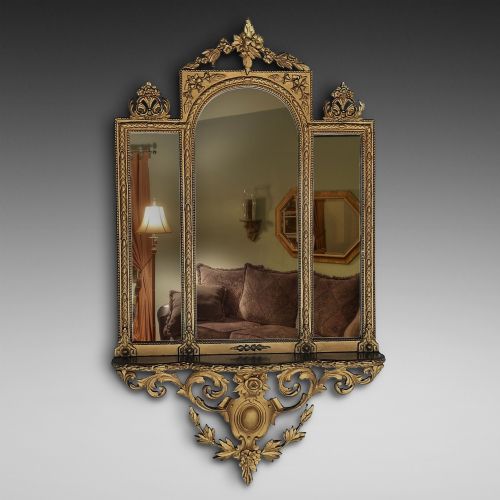
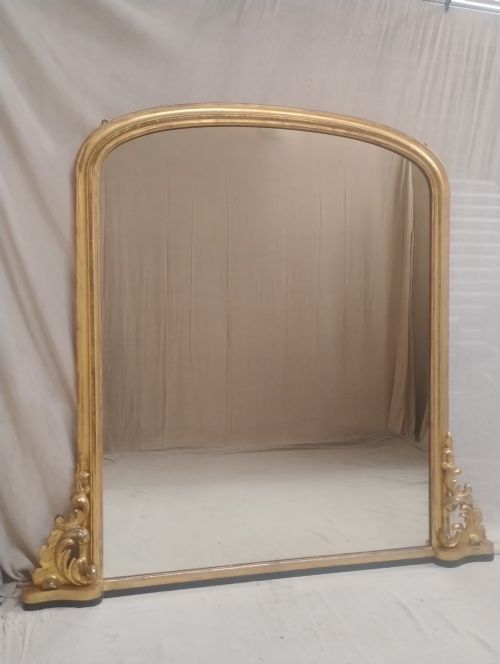
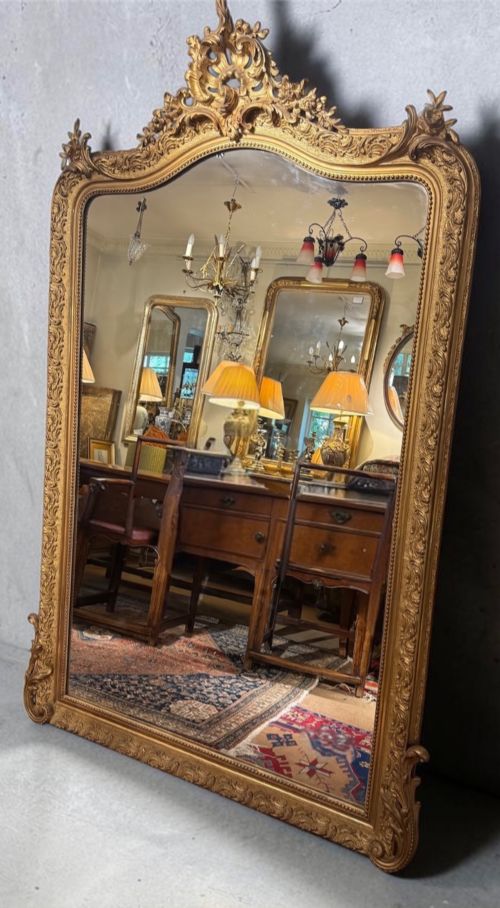
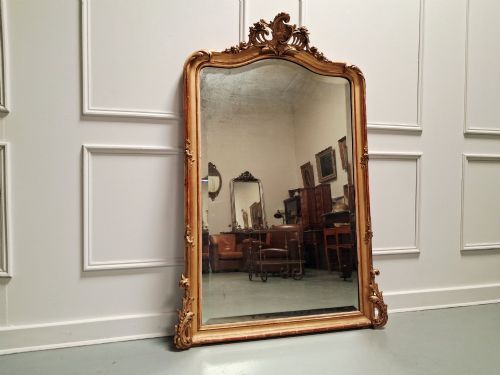
Vintage Ornate Overmantel Mirror
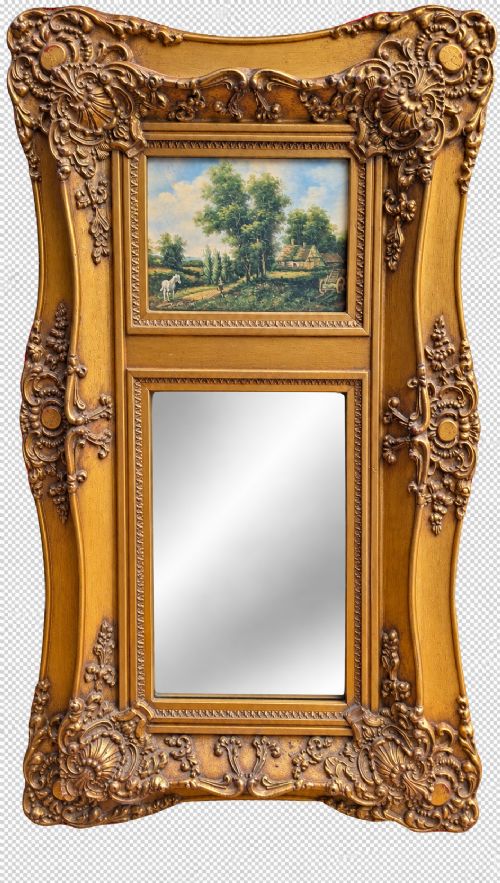
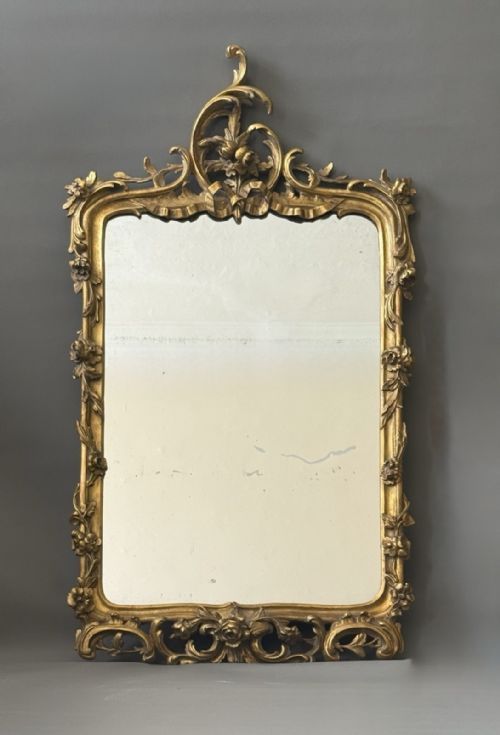
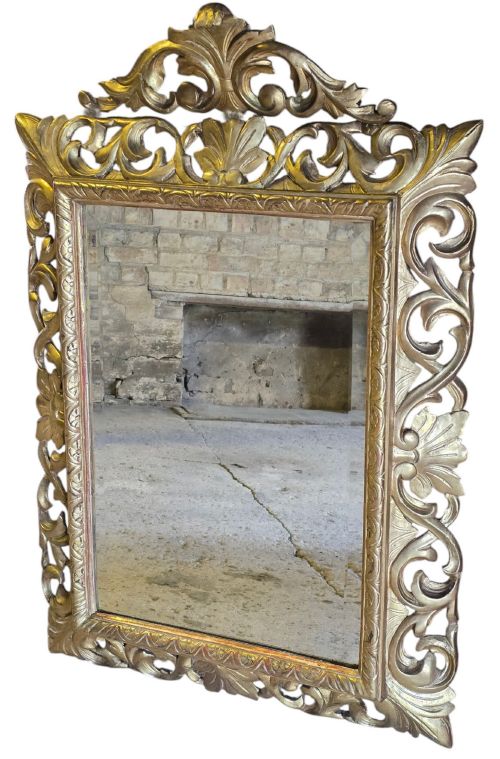
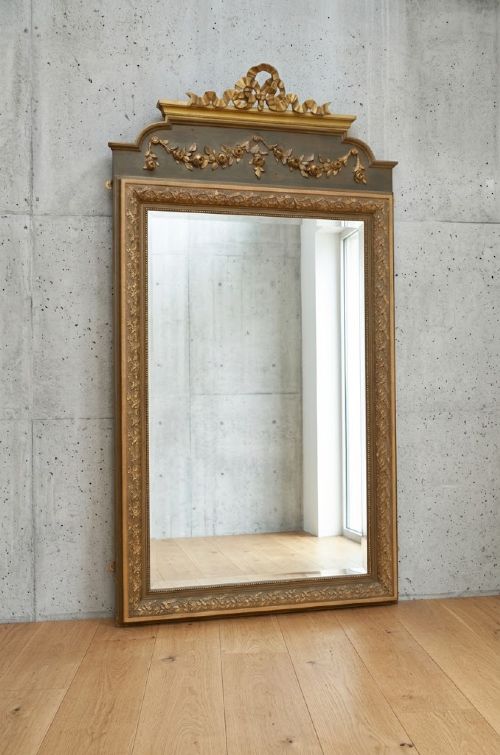
A vintage ornate overmantel mirror anchors a room with sweeping gilding and grand scale, offering the reflective presence designed for a traditional fireplace.
Vintage Ornate Overmantel Mirror
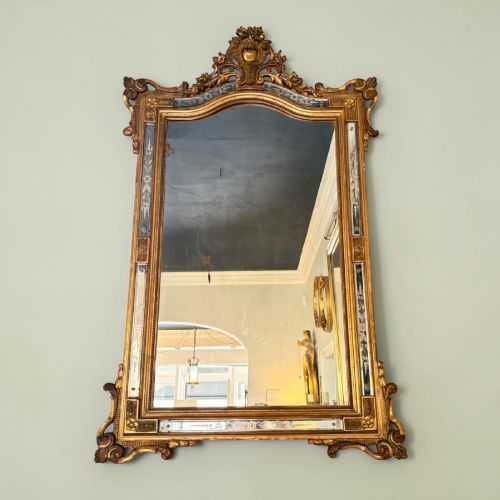
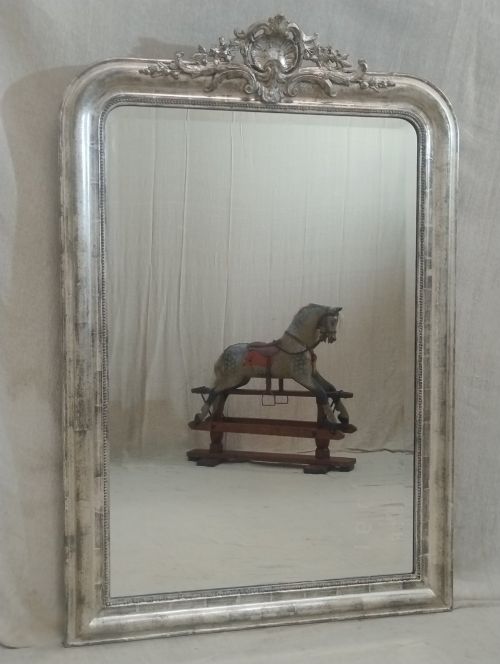
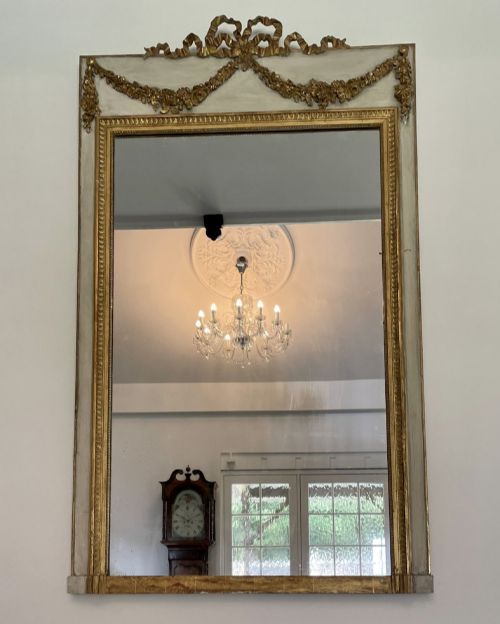
A vintage ornate overmantel mirror is a substantial wall piece designed to hang above a fireplace mantel, drawing heavily on nineteenth-century decorative traditions. The selection on this page centres on large formats spanning the Victorian and Edwardian eras, alongside French Louis Philippe and Rococo Revival influences.
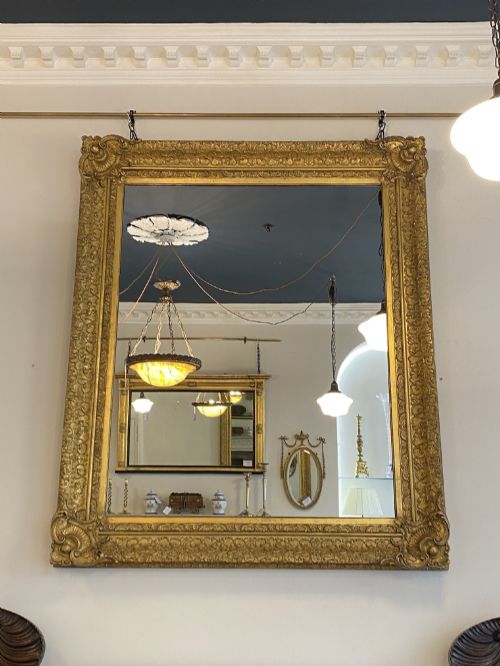
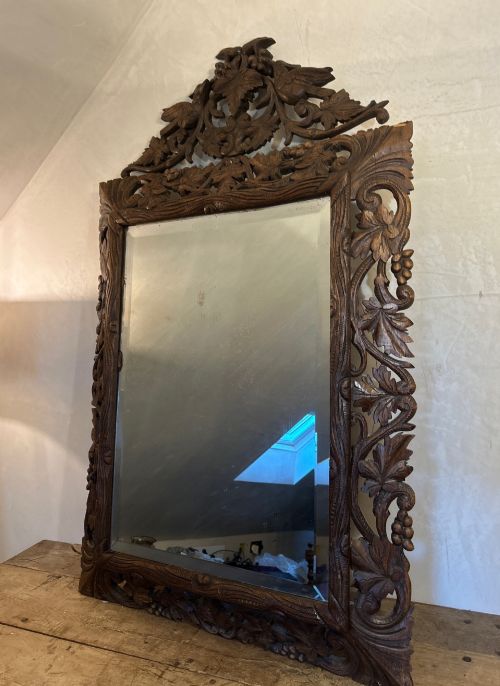
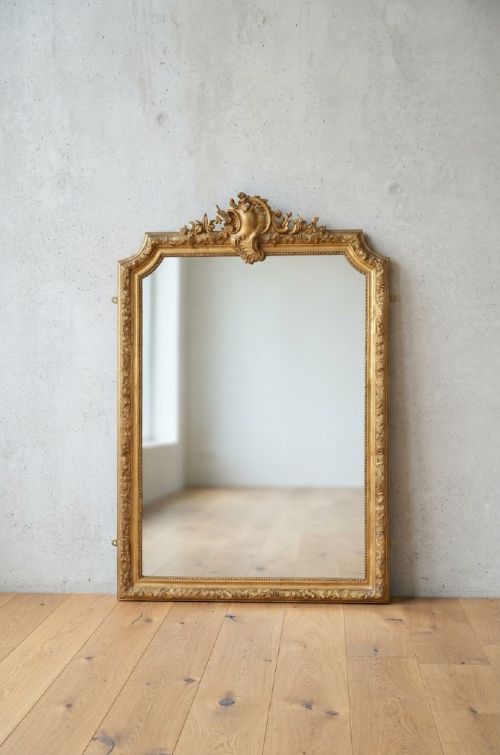
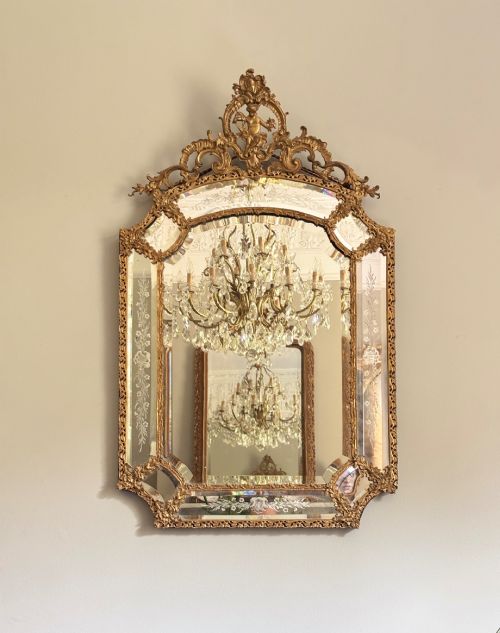
Makers fashioned these plates to command a reception room, frequently employing arched tops or heavily carved crests to draw the eye upward. French and English workshops dominate the records, producing grand giltwood and gesso frames intended to reflect light deep into domestic interiors.
Materials and Technique
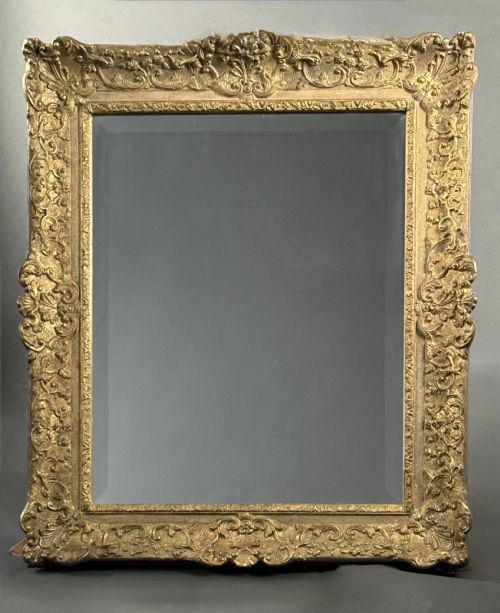
Craftsmen built the core frames from timber such as oak or pine, applying layers of gesso to sculpt intricate scrolls, foliage, and ribbon crests. Artisans then laid gold leaf, silver gilt, or paint over the composition mouldings to achieve a rich metallic sheen.
Mirror plates were set directly into the carved housings, sometimes featuring bevelling at the edges to catch the light at oblique angles. Older pieces often retain antique glass plates that show subtle foxing and age spots across the reflective surface.
Several mirrors carry old marriage plate inscriptions, once commissioned to celebrate family unions and reflect lifelong prosperity.
Craftsmanship and Depth
The distinction between standard production and top-tier examples lies in the depth and sharpness of the hand-carved gesso work. Superior frames display crisp undercut foliage and botanical details rather than soft, mass-produced composition mouldings.
The weight and clarity of the original mirror plate also separate grades, with thicker glass offering truer reflections. Additionally, the integrity of the original gilding - whether gold leaf or parcel gilt over ebonised wood - determines the visual richness of the piece.
The Vintage Ornate Overmantel Mirror Glossary
- Overmantel
- A mirror specifically proportioned to hang on the wall directly above a fireplace mantelpiece. These pieces are typically wider than they are tall, or rise in a grand arch.
- Gesso
- A plaster-like mixture applied to a wooden frame to create a smooth surface for carving and gilding. Artisans mould intricate relief decorations into this material before applying metal leaf.
- Giltwood
- Timber that has been coated with gold leaf or a gold-coloured finish. This technique gives the frame a luminous metallic appearance that catches room lighting.
- Rococo Revival
- A nineteenth-century design style that revives the asymmetrical C-scrolls, shell motifs, and naturalistic curves of the eighteenth-century French movement. It defines many of the ornate frames found on this page.
- Parcel Gilt
- A decoration method where only specific portions of a frame are gilded, leaving the underlying wood or ebonised finish visible for contrast.
Vintage Ornate Overmantel Mirror: Frequently Asked Questions
How do I hang a heavy overmantel mirror?
These large frames require secure fixing directly into wall studs or masonry using heavy-duty brackets. The substantial weight of wood and gesso demands professional wall anchors to ensure safety.
Position the base just above the mantel shelf, leaving enough clearance to protect the frame from direct heat rising from the fireplace.
What is the difference between Victorian and French styles?
Victorian frames often display heavier timber construction with robust moulded plaster details suited to formal British interiors. French designs, including Louis Philippe and Rococo styles, lean toward softer curves, delicate crests, and lighter gilded finishes.
Both traditions aimed to maximise light distribution in high-ceilinged reception rooms.
Can these mirrors be placed on a floor instead?
Large overmantel mirrors are frequently leaned against a wall rather than hung, particularly when their height exceeds standard wall fixings. This placement creates a relaxed, grand aesthetic while anchoring an empty corner or blank expanse of wall.
Ensure the base rests on a stable surface with anti-tip hardware securing the top frame to the wall.
How should I clean an antique gilt frame?
Dust the carved gesso and giltwood surfaces gently with a dry, soft-bristled brush to remove accumulated particles without disturbing the finish. Avoid commercial polishes, water, or abrasive cloths, which can strip fragile gold leaf or moisture-sensitive composition mouldings.
Use a clean, dry microfibre cloth specifically for the glass plate, taking care not to let moisture seep behind the rebate.