
Vintage Oriental Wool Rug
A vintage oriental wool rug brings centuries of tribal weaving and regional tradition straight onto a wooden floor.
Vintage Oriental Wool Rug
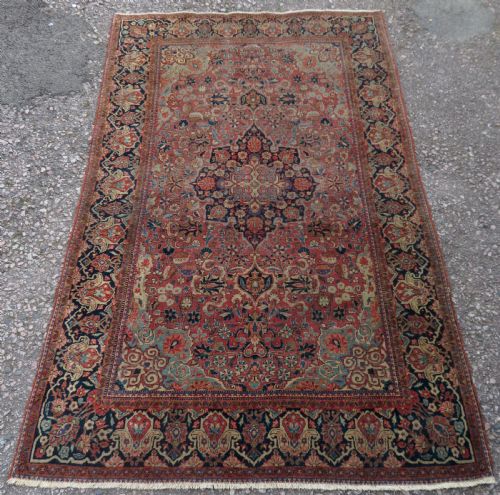
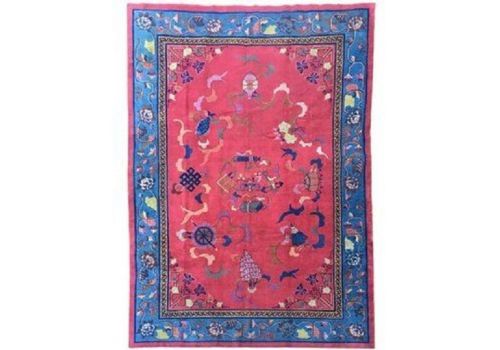
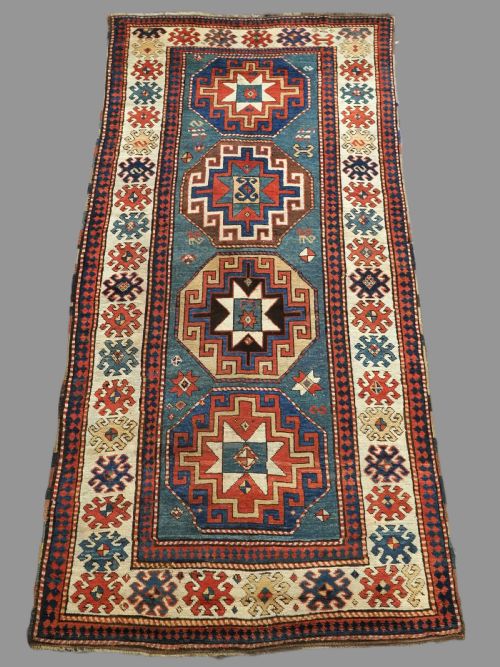
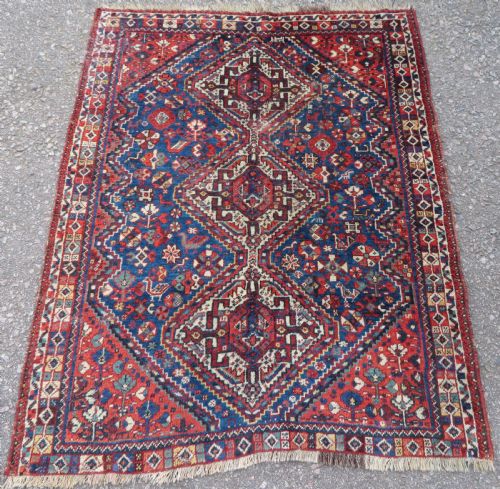
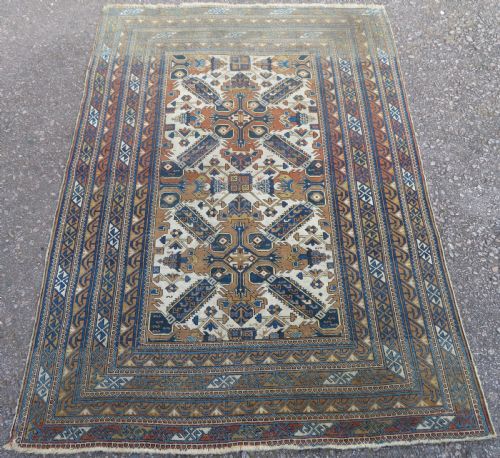
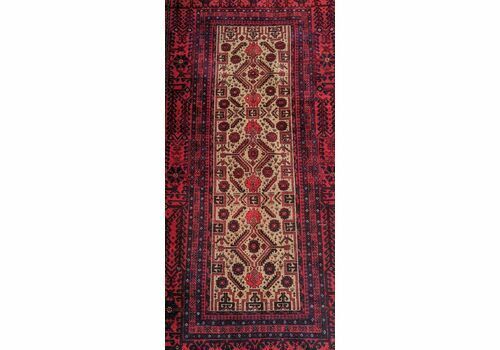
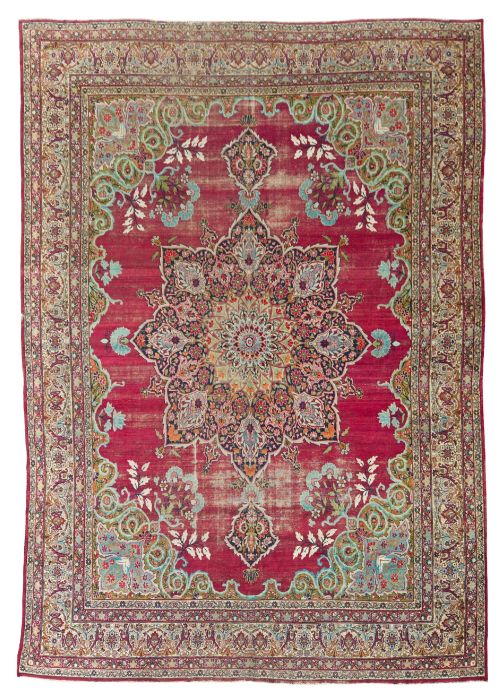
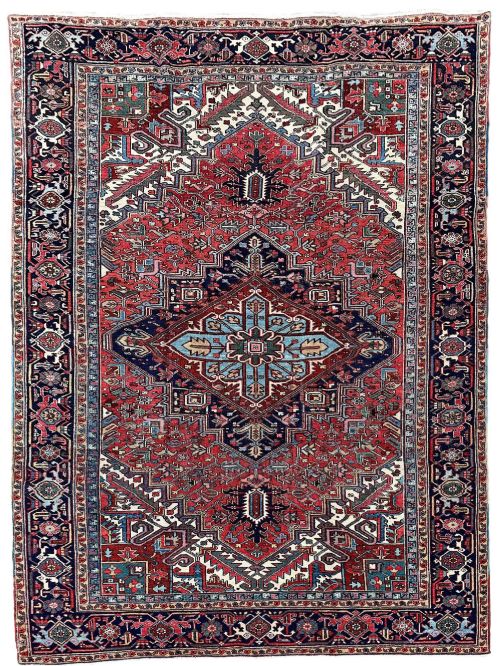
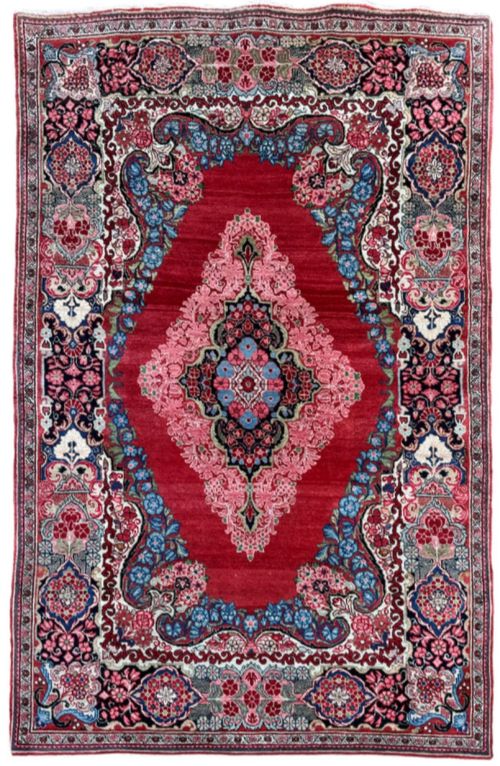
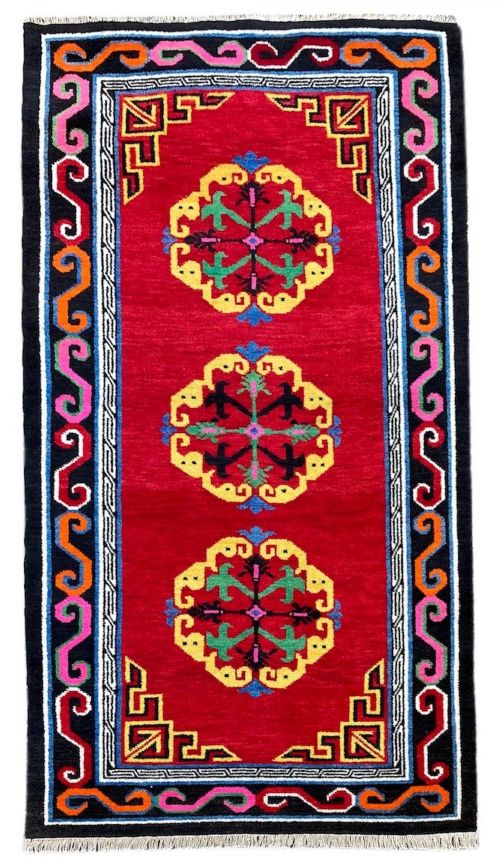
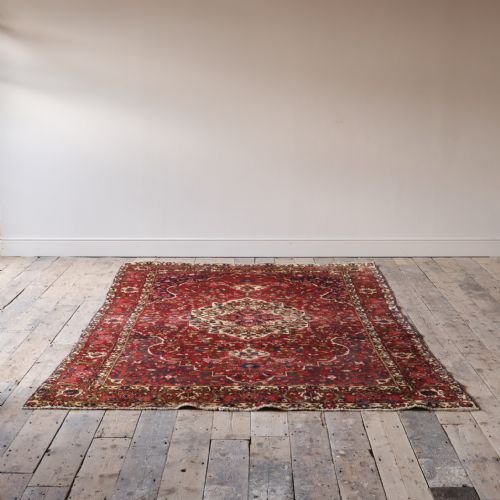
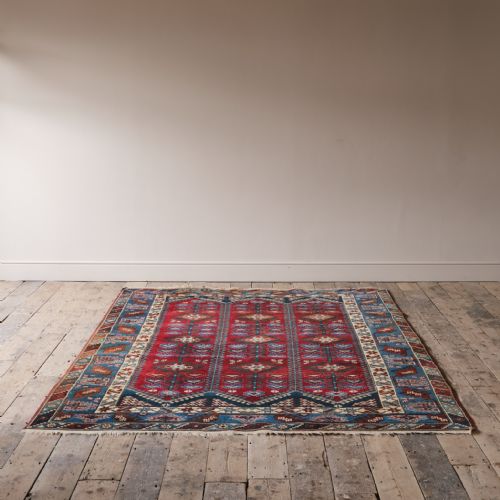
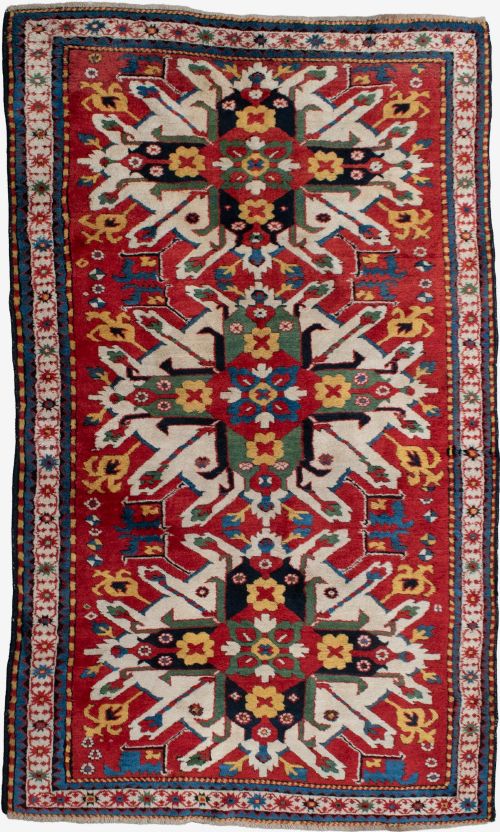
When searching for a vintage oriental wool rug, collectors examine floor coverings spanning from the late nineteenth century into the decades following nineteen hundred. These pieces originate from Persian, Caucasian, Anatolian, Turkmen, Tibetan, and Ottoman workshops and nomadic tribes.
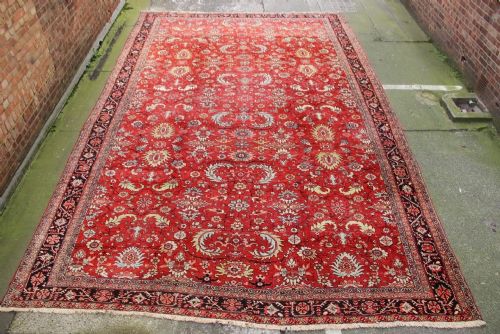
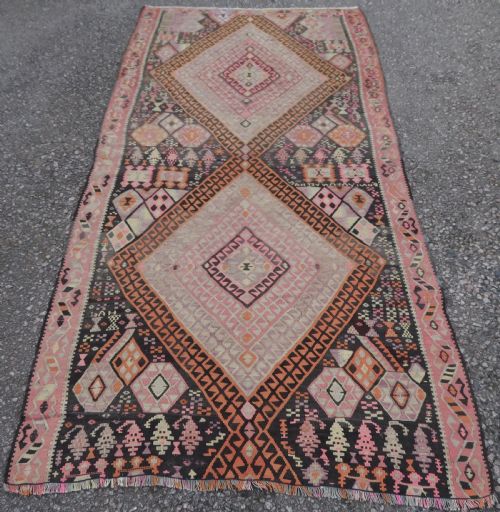
The inventory on this page consists of area rugs, large carpets, and long hallway runners designed for domestic use. Village workshops and tribal weavers produced these textiles to withstand generations of foot traffic while displaying regional motifs.
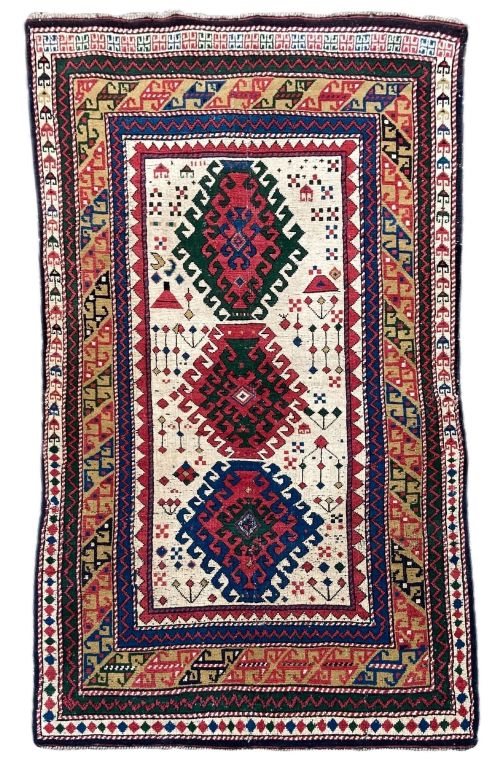
Buyers encounter formats ranging from compact hearth-sized mats to expansive carpets measuring several metres in length. Each specimen reflects the specific weaving culture of its originating region, such as Heriz, Oushak, Tabriz, or Kazak.
Materials and Construction
Weavers constructed these rugs predominantly using sheep wool for the pile, often hand-spun to create resilient strands that took dye evenly. Foundations typically relied on cotton or wool warps and wefts, providing structural stability to the knotted structure.
Makers utilised natural dyes derived from plants and minerals, yielding deep reds, olive greens, and mellow multi-coloured palettes that age with subtle patination. Certain pieces incorporated silk highlights or cotton details to define specific medallion outlines within the field.
Nomadic weavers occasionally inserted stray animal hairs directly into the wool pile.
Distinctions in Quality
Quality rests upon knot density, the precision of the geometric or floral layout, and the integrity of the wool. Finer village and city workshops achieved tight knots that held complex medallion structures clearly, whereas coarser tribal pieces prioritized heavy wool weight.
The depth and consistency of the natural dye palette also dictate standard, as skilled dyers produced tones that harmonised across the field as the textile matured. Structural uniformity along the selvedges and ends indicates competent initial production.
The Vintage Oriental Wool Rug Glossary
- Warp
- The vertical threads stretched lengthwise on a loom before knotting begins. These form the foundational skeleton of the rug and often appear exposed at the fringe ends.
- Weft
- The horizontal threads passed across the warp strands between rows of knots to bind the structure together. They stabilize the width of the textile.
- Selvedge
- The reinforced side edges of a rug formed by wrapping or binding the outermost warp threads. This prevents the edges from unravelling during daily use.
- Pile
- The upright cut or looped wool fibres that form the usable surface of the carpet. The height and density of this layer determine the tactile feel.
- Medallion
- A large central ornamental motif placed in the middle of the rug field. Persian and Anatolian weavers utilised these geometric or floral focal points to anchor the composition.
Vintage Oriental Wool Rug: Frequently Asked Questions
How do I clean an old wool rug?
Vacuum gently without using a rotating brush bar to protect the wool pile and delicate fringe ends.
Professional specialist washing is recommended for deeper cleaning to prevent natural dye bleeding.
Where were these rugs made?
These textiles originate from regions across Persia, the Caucasus, Anatolia, Turkmenistan, and Tibet.
Nomadic tribes, village households, and established city workshops produced them for domestic and export markets.
Can I place these rugs in a hallway?
Long narrow formats specifically function as hallway runners to handle high foot traffic while protecting underlying floors.
Using a secure underlay prevents slipping and reduces friction between the wool foundation and hard flooring.
How do I identify tribal designs?
Tribal designs typically feature bold geometric patterns, repeating motifs, and spontaneous colour shifts created by nomadic weavers.
City carpets tend to display symmetrical floral medallions and curved lines planned on paper cartoons.