


Vintage Oriental Trunk
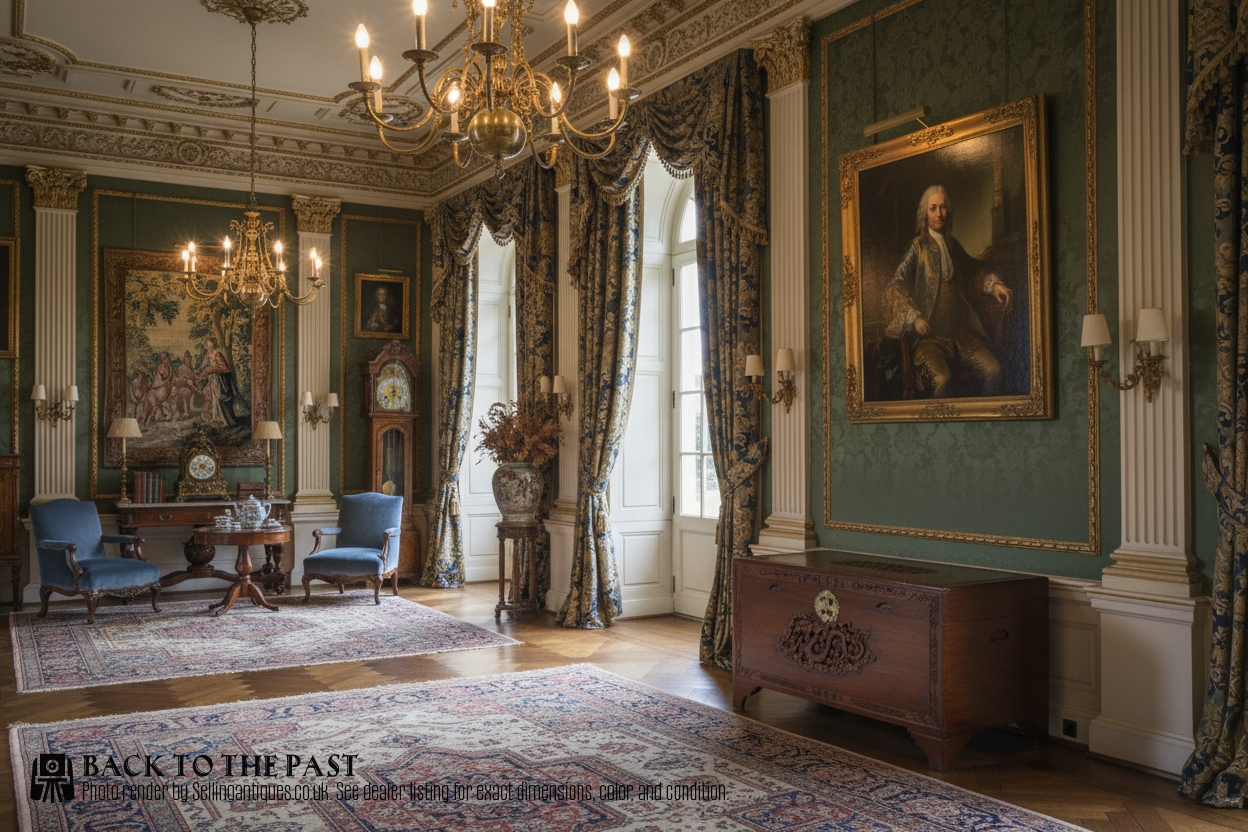
These pieces of vintage oriental trunk variety bring carved timber and brass hardware into a room, offering practical storage with historic character.
Vintage Oriental Trunk
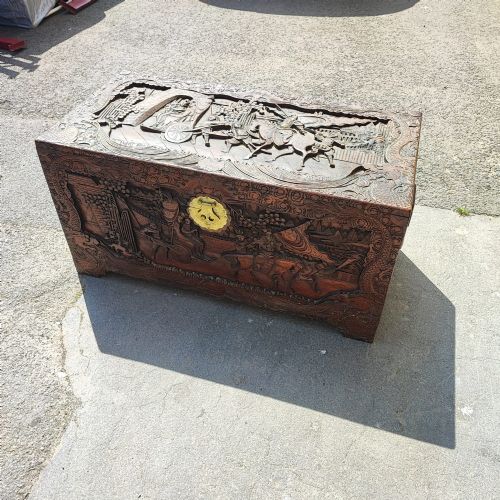
When you search for a vintage oriental trunk, you encounter a selection spanning the nineteenth century through the early decades of the twentieth century. These storage pieces take forms such as camphor chests, blanket boxes, and travel trunks originating from Chinese, Indian, Japanese, and East African workshops. The most common examples on this page are carved camphorwood chests displaying traditional Chinese export or regional styles.
Beyond standard blanket boxes, the selection includes specialised luggage chests, leather-bound trade trunks, and occasional furniture adapted from campaign pieces. Materials range from fragrant camphorwood and teak to rosewood, elm, and lacquered leather. Each piece reflects the utilitarian travel requirements or export trade demands of its period.
How they were made
Joinery relies on solid hardwoods such as camphorwood, teak, and rosewood, chosen for durability and resistance to pests during transit. Artisans shaped these timbers into robust storage boxes, frequently employing hand-carved relief panels depicting floral or figural motifs.
Metalwork plays a structural and decorative role, with brass hardware, straps, and corner brackets secured across leather, wood, and lacquered surfaces. Many trunks incorporate original brass handles and lock plates designed for maritime travel and trade.
Listings feature items spanning the Victorian era through the nineteen-thirties, utilising materials such as camphorwood, teak, brass, leather, and lacquer.
What varies in quality
The standard of carving distinguishes individual pieces, moving from simple linear decoration to deeply undercut, intricate figural reliefs on camphorwood panels. Crisp detailing in the timberwork indicates greater skill in the workshop.
Hardware integrity and material selection define the upper tier, particularly pieces retaining original brass mounts, fitted interiors, and uncompromised hardwood or leather construction. The integration of traditional joinery without modern alterations preserves the integrity of the piece.
The Vintage Oriental Trunk Glossary
- Camphorwood
- A resilient, aromatic timber commonly used for storage chests because its natural scent protects contents from insects. It forms the primary material for many traditional export trunks.
- Zanzibar Chest
- A distinctive type of trade chest featuring heavy brass studding, strapwork, and compartmented interiors, often constructed from teak or rosewood. These pieces reflect historic maritime trade routes linking India, East Africa, and the Middle East.
- Chinese Export
- Objects manufactured in China specifically for Western markets, combining traditional domestic forms with stylistic elements requested by European and American buyers. This category includes leather-covered trade trunks and carved camphor chests.
- Tansu
- A traditional Japanese mobile storage cabinet or chest built from timber with iron or brass mounts. These pieces were designed for domestic utility and flexible interior organisation.
- Campaign
- Furniture designed to be easily packed and transported for military or travel use, typically fitted with recessed brass handles and folding elements. Victorian examples often utilise durable hardwoods and robust metal reinforcement.
Vintage Oriental Trunk: Frequently Asked Questions
What were oriental trunks used for?
These chests served primarily for transporting personal belongings, textiles, and valuables across maritime trade routes and long journeys. Their sturdy construction and secure brass hardware protected contents from moisture and rough handling.
In domestic settings, families utilised them as blanket boxes, storage trunks, and occasional tables. The natural properties of camphorwood made them particularly suitable for safeguarding garments over long periods.
How do I care for a camphorwood chest?
Keep the timber away from direct heat sources and rapid temperature fluctuations to prevent the wood from splitting. Dust the carved surfaces gently with a dry cloth and avoid harsh chemical polishes.
Allow the natural grain and finish to breathe without applying heavy waxes unless the dry timber specifically requires nourishment. Inspect the brass hardware periodically to ensure hinges and mounts remain stable.
How do I date a vintage trunk?
Examine the construction methods, timber types, and hardware style to establish an approximate period of origin. Nineteenth-century examples often feature hand-forged or early cast brass fittings alongside traditional joinery.
Twentieth-century pieces from the nineteen-twenties and thirties may incorporate different internal configurations or stylistic influences such as art deco elements. Comparing the carved motifs and overall scale with documented trade pieces helps narrow the timeframe.
Where were these chests made?
The pieces originate from various regions involved in historic trade, including workshops in China, India, Japan, and East Africa. Chinese export hubs produced numerous camphorwood chests for international buyers.
Other examples stem from Anglo-Indian colonial workshops or maritime centres like Zanzibar. Each region imparted local timber choices and decorative techniques to the finished trunks.