



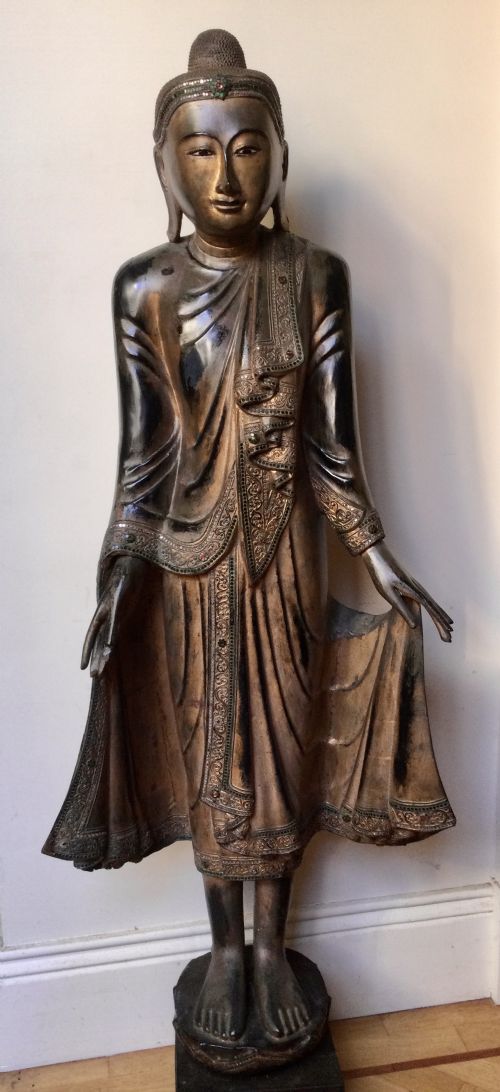


Vintage Oriental Timber Sculpture
These vintage oriental timber sculpture pieces bring hand-carved character to a room, spanning figures, animals, and plaques from Asian and European traditions.
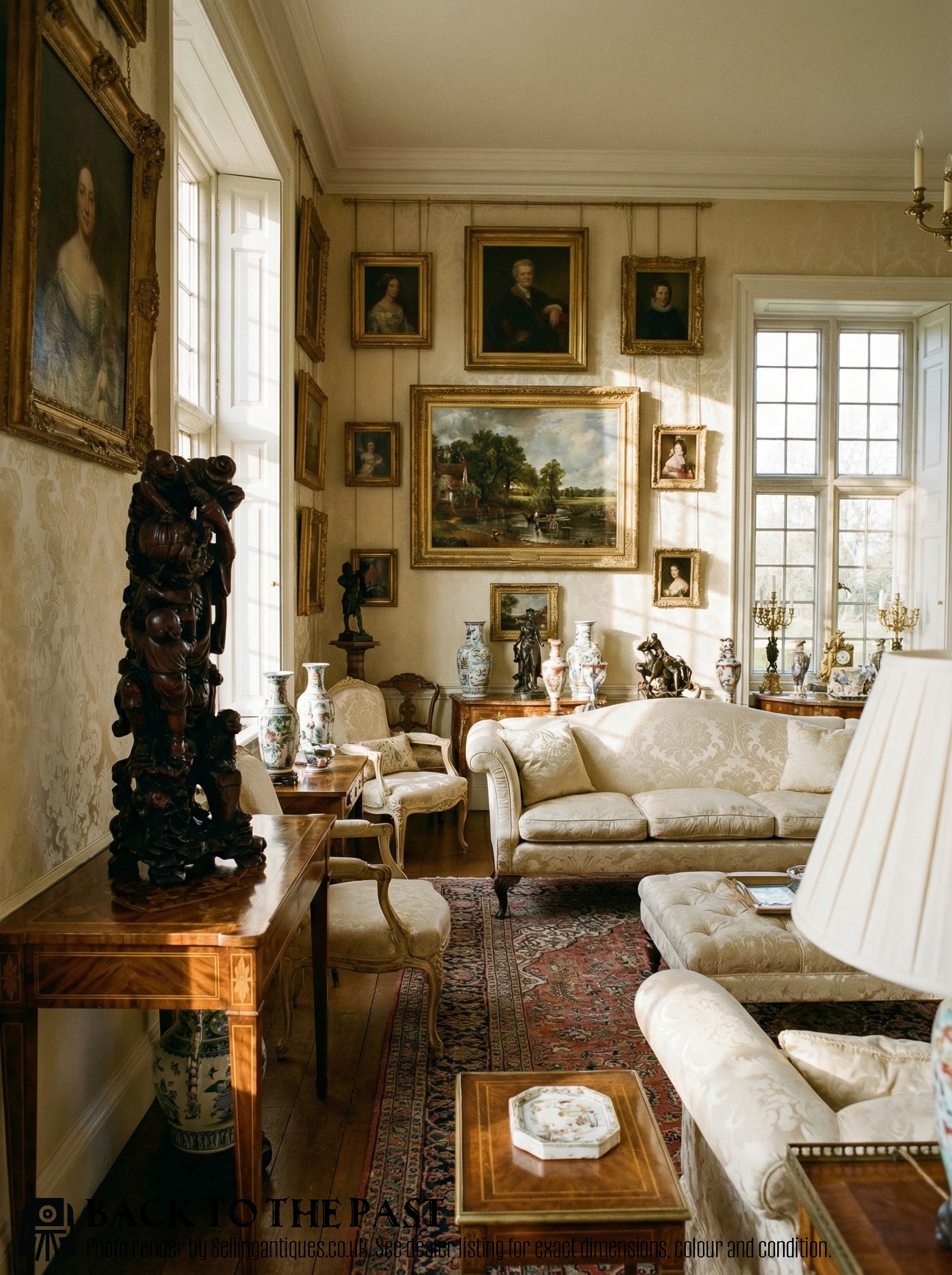
Vintage Oriental Timber Sculpture
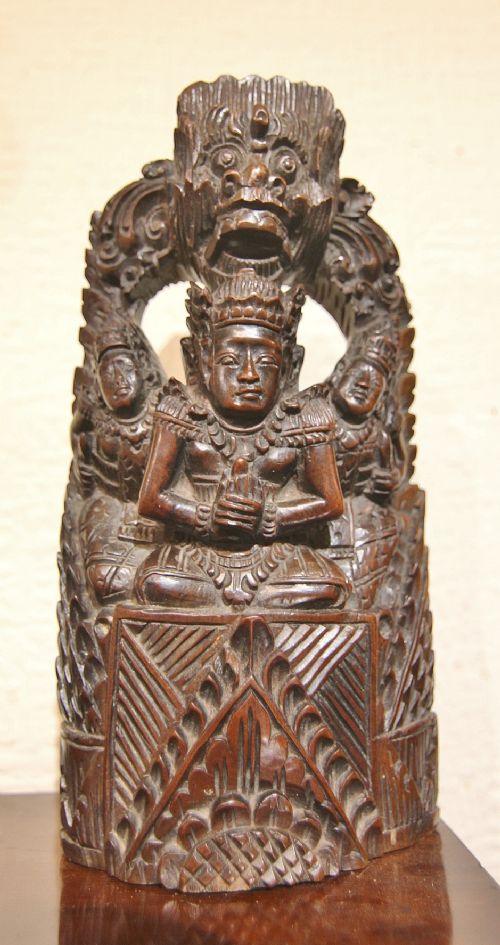
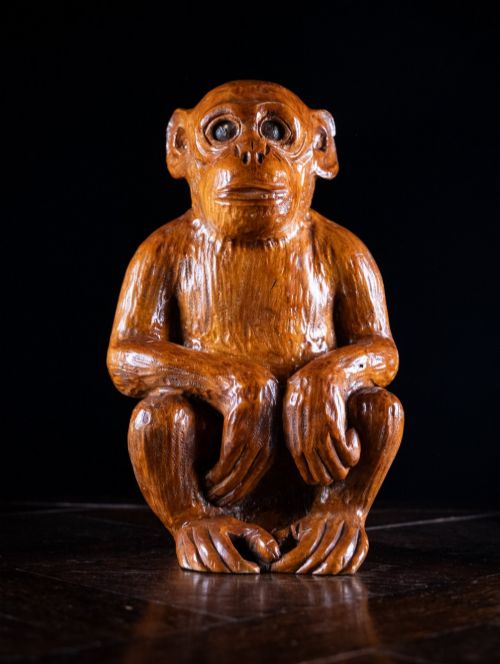
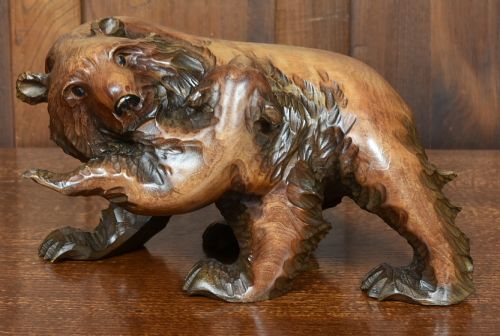
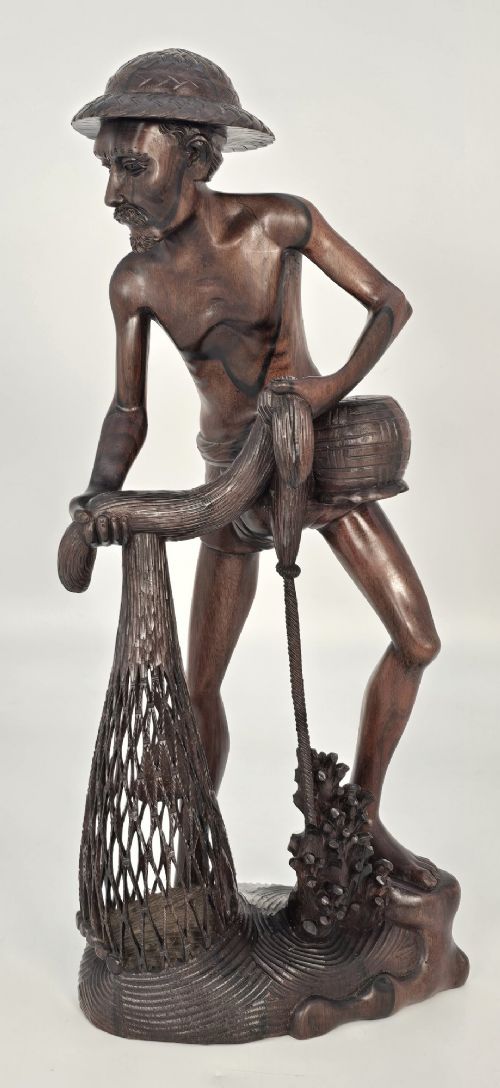
When you search for vintage oriental timber sculpture, you encounter a diverse gathering of hand-carved wooden figures, animals, and decorative panels. These objects range from nineteenth-century Chinese hardwood elephants and Buddhist immortals to Japanese folk art bears and geisha figures.
The selections on this page lean heavily towards nineteenth-century and early twentieth-century creations. You will regularly find regional works originating from China, Japan, India, Sri Lanka, Indonesia, and Mongolia, alongside related European interpretations such as Black Forest carvings.
Forms vary from standalone statues of Buddha and mythical creatures to wall plaques and functional root wood table lamps. Each piece records traditional carving methods applied to dense timbers and stained woods.
What varies in quality in vintage oriental timber sculpture
Depth and precision of the hand-carving separate standard decorative items from superior examples. Master carvers achieved expressive faces, balanced proportions, and intricate anatomical details on figures like fishermen, deities, and animals.
The choice of raw material influences the overall integrity and weight of the object. Dense hardwoods and well-selected root wood maintain stability and showcase sharper chisel work over centuries compared to softer timbers.
Vintage Oriental Timber Sculpture Retail Price Guide 2026
Typical asking prices for vintage oriental timber sculpture among the pieces listed under this phrase on Sellingantiques today, from the lower quarter to the upper quarter. They describe what is for sale here now, not the wider market.
Listings feature 19th-century and early 20th-century items made from hardwood, root wood, and bone.
The Vintage Oriental Timber Sculpture Glossary
- Hardwood
- Timber derived from broad-leaved trees, providing the dense and durable foundation required for intricate oriental carvings. These woods resist warping and hold fine chisel details.
- Root wood
- Sections of tree root utilised by carvers who followed the natural contours of the timber to shape lamps and figures. This organic approach ensures each sculpture is entirely unique.
- Nata-tsukuri
- A traditional Japanese woodworking technique utilising a hatchet to shape timber. It leaves visible, purposeful facets across the surface of the sculpture.
- Qing Dynasty
- The final imperial dynasty of China, spanning from the seventeenth to the early twentieth century. Pieces from this era often display traditional cultural motifs and formal attire.
Vintage Oriental Timber Sculpture: Frequently Asked Questions
How do I clean a carved wooden sculpture?
Dust the timber gently with a soft, dry brush to remove particles from deep crevices. Avoid using liquid cleaners or oils that might damage the aged surface or staining.
Keep the sculpture away from direct sunlight and radiators to prevent the wood from drying out and cracking over time.
What is the difference between Chinese and Japanese carvings?
Chinese pieces often depict mythological figures, deities, and courtly animals rendered in dense, dark hardwoods with elaborate detail. Japanese items frequently reflect folk art traditions, capturing animals or local figures with simpler, direct tool marks.
Both traditions rely on hand-carving techniques, but the cultural motifs and wood selections generally distinguish their regional origins.
How do I date an antique timber sculpture?
Examine the tool marks, wear patterns, and patina developed on the wood over decades of handling. Nineteenth-century pieces typically exhibit dry, oxidized timber surfaces that modern reproductions cannot replicate.
Consult the stylistic elements, such as Qing Dynasty attire or specific regional folk art traditions, to narrow down the period of creation.
Where should I place a heavy hardwood figure?
Position large sculptures on stable, level furniture capable of supporting considerable weight without bowing. Ensure the display area remains free from extreme temperature fluctuations.
Allow enough surrounding space for the sculpture to be viewed from multiple angles, particularly freestanding figures and animal studies.