



Vintage Oriental Storage Cabinets
These vintage oriental storage cabinets bring centuries of Far Eastern craftsmanship and striking decorative lacquer directly into modern rooms.
Vintage Oriental Storage Cabinets
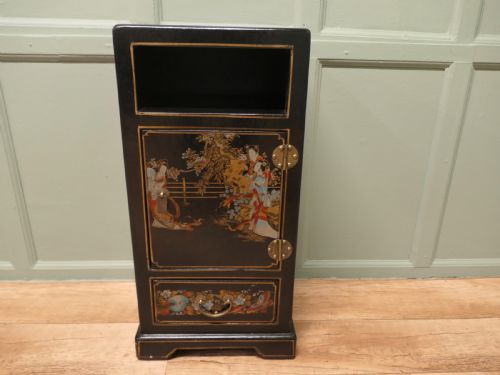
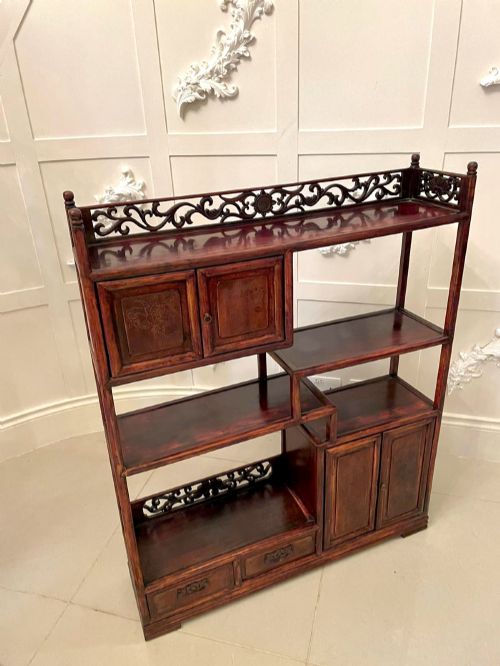
Buyers seeking vintage oriental storage cabinets encounter diverse forms ranging from traditional Chinese wedding cupboards and elm sideboards to multi-drawer apothecary chests and Japanese tansu units.
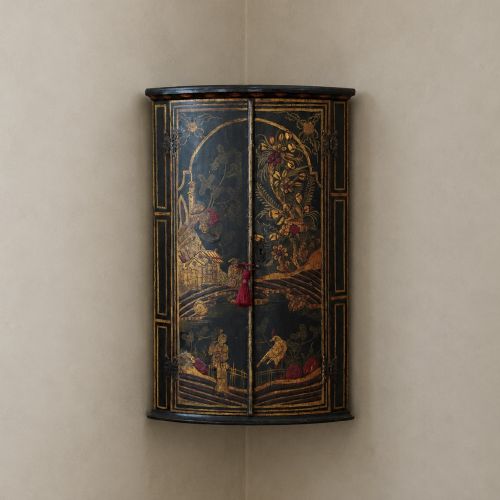
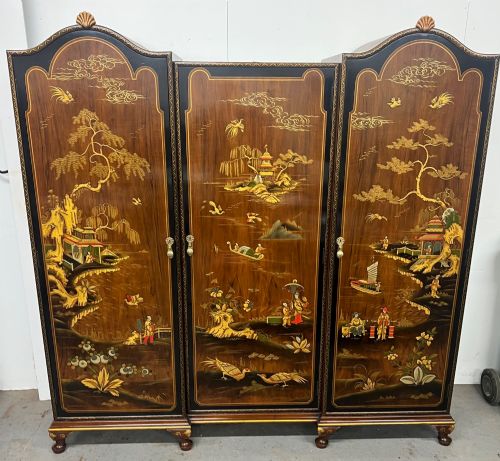
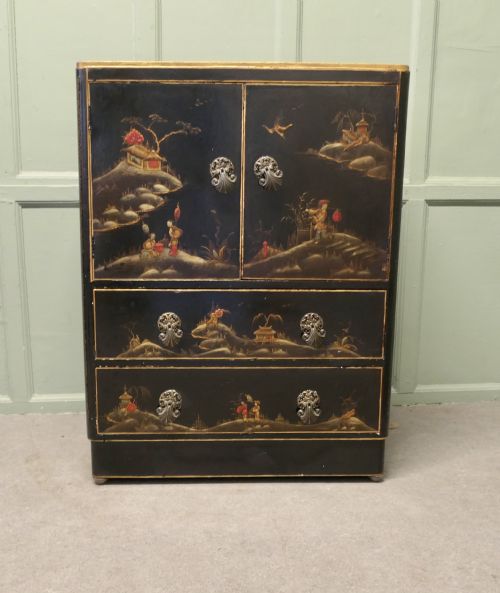
The pieces appearing on this page span the nineteenth century through the early decades of the twentieth century, encompassing styles such as Chinoiserie, Qing Dynasty, and Korean Joseon.
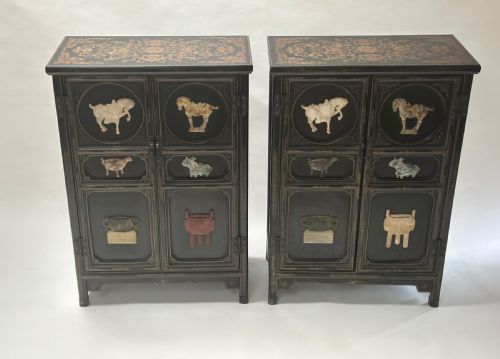
Practical utility matches decorative presence, as these cabinets, cupboards, and chests provide enclosed shelving or numerous small drawers suited to contemporary storage needs.
How they were made
Workshops relied primarily on native timbers including elm, teak, camphor wood, and various hardwoods to construct robust frames and panels.
Surfaces frequently received applications of lacquer, paint, or japanning, complemented by functional and decorative hardware forged from brass and iron.
Listings span the nineteenth century through the 1930s, incorporating elm, camphor wood, brass, and lacquer.
What varies in quality
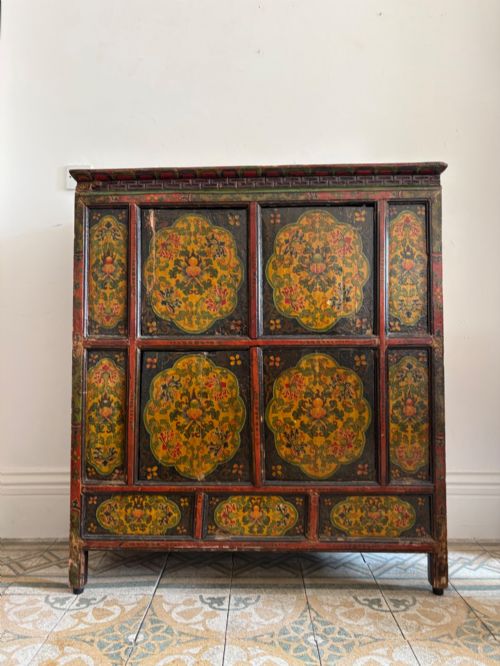
Distinctions across the range depend upon the execution of surface decoration, such as hand-painted floral motifs or layered lacquer finishes, alongside the structural integrity of the timber joinery.
The refinement of original metal fittings, including brass hinges and iron drawer pulls, marks the difference between standard utilitarian storage and superior cabinetmaking.
Maples & Co.
The Vintage Oriental Storage Cabinets Glossary
- Chinoiserie
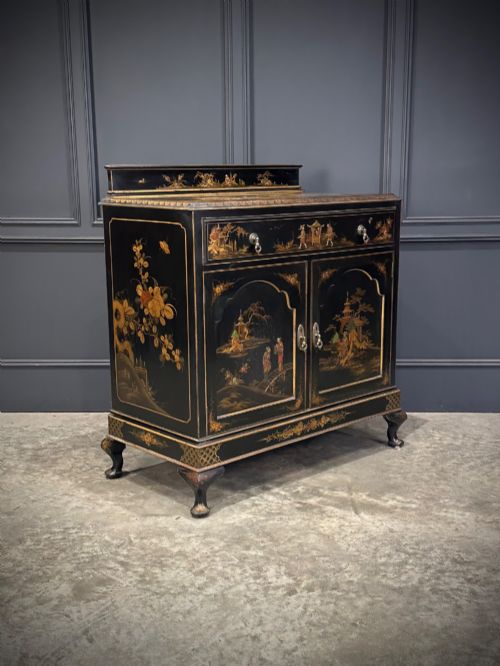
- European decorative style imitating Chinese artistic traditions. This aesthetic appears frequently on cabinets featuring black or coloured lacquer.
- Tansu
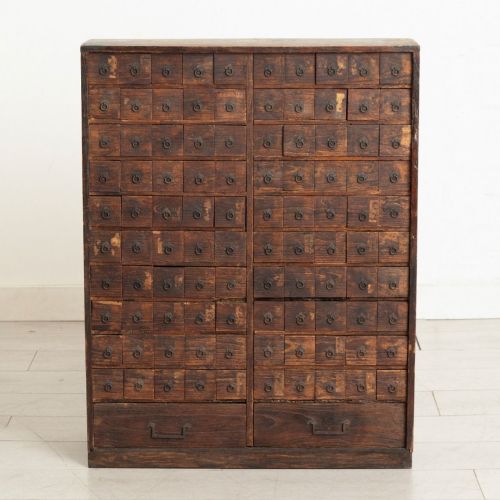
- Traditional Japanese mobile storage chest. These pieces often incorporate numerous small drawers and sliding panels.
- Japanning
- European imitation of East Asian lacquerwork. Craftsmen built up layers of varnish to achieve a glossy dark surface.
- Bandaji
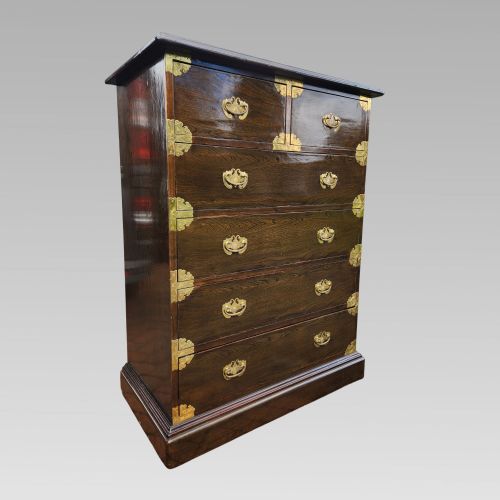
- Traditional Korean storage chest featuring large metal strap hinges. These elm or hardwood pieces served primarily for blanket storage.
Vintage Oriental Storage Cabinets: Frequently Asked Questions
What rooms suit a Chinese elm marriage cabinet?
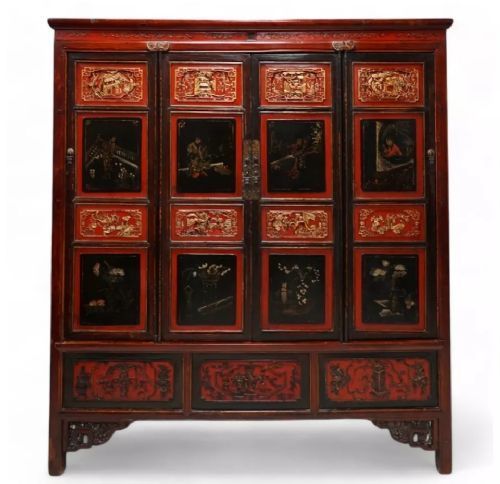
Marriage cabinets offer tall vertical storage with interior shelving behind double doors. They sit well in living areas or bedrooms where substantial wooden furniture anchors the room.
Their striking red or natural elm finishes make them natural focal points against neutral walls.
How do apothecary chests differ from standard sideboards?
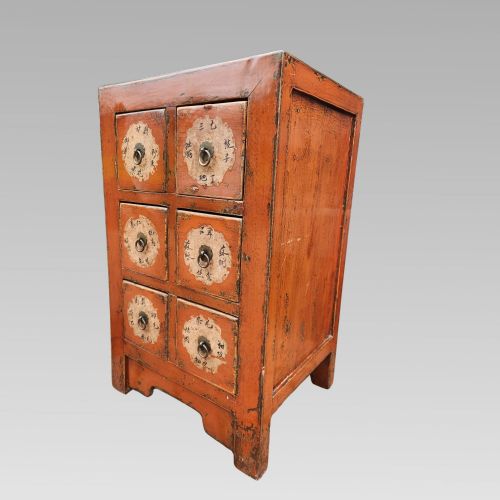
Apothecary chests contain numerous small drawers originally designed for sorting medicinal herbs and dried ingredients. Sideboards provide broader cupboards and surface tops intended for serving or general storage.
Both forms utilise traditional hardwoods like elm and camphor wood.
Where should a Japanese tansu chest be placed?
Tansu chests function effectively as low media units, hallway consoles, or bedside storage due to their compact proportions and multiple drawers. Originally designed for portability, they retain a versatile scale.
Placing them in open spaces allows the iron hardware and timber grain to remain visible.
How do I identify Chinoiserie decoration on a cupboard?
Chinoiserie pieces display painted or gilt scenes featuring figures, pagodas, birds, and flowers set against lacquered backgrounds. This European interpretation of Chinese design gained popularity across the nineteenth and early twentieth centuries.
Surfaces are typically finished in black, red, or cream lacquer.