



Antique Lacquer Drinks Cabinet
An antique lacquer drinks cabinet brings dramatic Chinoiserie scenes and bold Art Deco silhouettes into a room, offering a brilliant storage piece for modern hosting.
Antique Lacquer Drinks Cabinet
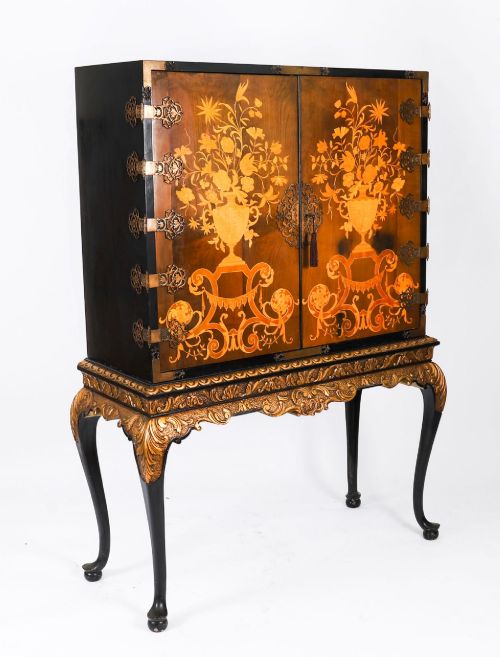
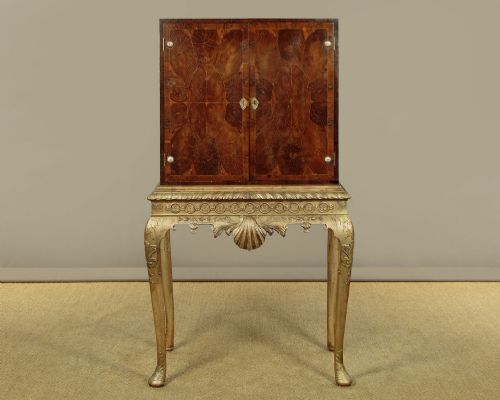
An antique lacquer drinks cabinet encompasses everything from 18th Century japanned pieces to 1930s Art Deco cocktail bars and Chinoiserie cabinets on stands. Buyers seeking this phrase encounter formats ranging from large side cabinets to compact cocktail bars with original glass tops.
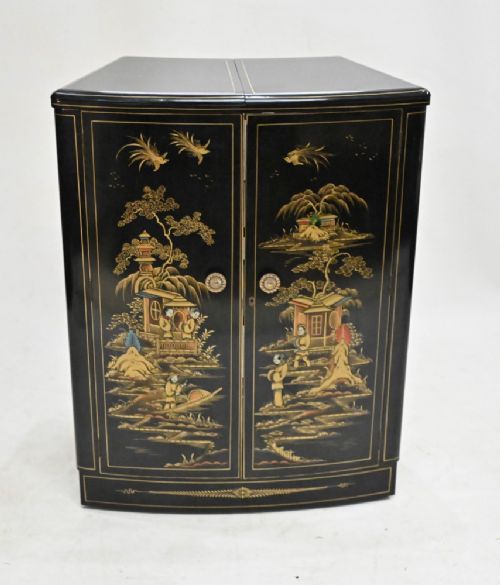
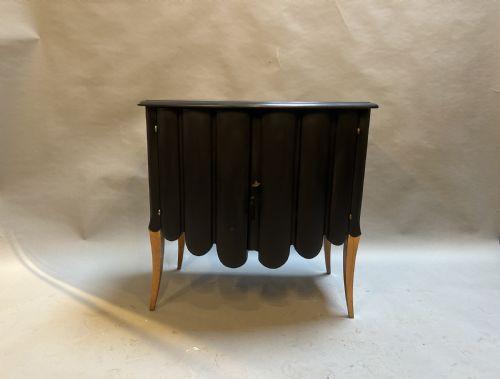
The Chinoiserie style dominates the selection, frequently presenting raised gold leaf and intricate painted figures upon black or red lacquer backgrounds. Alongside these, French Art Deco models in blonde maple and black lacquer represent the later evolution of the form.
Materials and construction
Craftsmen built these cabinets using timber and wood carcasses coated in successive layers of lacquer to achieve deep, reflective surfaces. Artisans then applied gold leaf and hand-painted metallic details, particularly in the Chinoiserie and Japanned traditions.
Metal hardware such as brass handles and hinges complement the wooden structures, while specific 20th Century examples incorporate original glass tops for functional cocktail preparation.
Antique Lacquer Drinks Cabinet Retail Price Guide 2026
Typical asking prices for lacquer drinks cabinet among the pieces listed under this phrase on Sellingantiques today, from the lower quarter to the upper quarter. They describe what is for sale here now, not the wider market.
Listings span the 18th Century, 19th Century, Edwardian era, and the 1920s to 1930s Art Deco period.
Assessing quality
Quality rests upon the depth and intricacy of the lacquer work, where superior pieces display finely detailed hand-painted gold leaf scenes rather than simplified motifs. The proportion of the cabinet relative to its supporting stand also dictates the visual balance of the piece.
The integrity of the original surface finish separates exceptional examples from heavily restored or later-decorated equivalents. Maker attribution, such as work by H&L Epstein or retailers like Harrods, further distinguishes the upper tier.
H and L Epstein·Harrods
The Antique Lacquer Drinks Cabinet Glossary
- Chinoiserie
- European decorative style reflecting Chinese artistic influences, commonly seen on lacquer cabinets depicting figures, pagodas, and landscapes.
- Japanned
- European imitation of East Asian lacquerwork using specialised varnishes and metallic dusts, popular on 18th Century and Regency furniture.
- Lacquer
- Durable resin finish applied in multiple layers to wood surfaces, providing a smooth gloss that accepts metallic decoration.
- Silver Gilt
- Silver object or metal mount coated with a thin layer of gold, found on specific stands supporting these cabinets.
Antique Lacquer Drinks Cabinet: Frequently Asked Questions
What is an antique lacquer drinks cabinet?
An antique lacquer drinks cabinet is a specialised storage unit for glassware and bottles, finished with East Asian-inspired lacquer or Art Deco styling.
These pieces typically date from the 18th Century through the 1930s, often featuring stands, painted Chinoiserie scenes, and specialised interior fittings for hosting.
How were Chinoiserie cabinets used?
Historically, these cabinets served as display and storage vessels for luxury goods before evolving specifically into cocktail and drinks cabinets in the 20th Century.
In modern rooms, they function as focal points for entertaining, housing bottles, glassware, and mixing equipment behind decorative doors.
How do I identify Art Deco lacquer?
Art Deco lacquer pieces from the 1920s and 1930s usually display geometric silhouettes, contrasting finishes like blonde maple and black lacquer, and streamlined metal hardware.
Unlike earlier Chinoiserie models with pictorial scenes, Art Deco examples prioritize sleek lines and material contrasts.
What is the difference between japanned and lacquered?
Japanning is a European technique developed to imitate Asian lacquer, utilising heat-cured varnishes and raised metallic powder decorations.
While both terms describe glossy resin-coated wood surfaces, japanning specifically denotes the Western interpretation popular in the 18th and 19th Centuries.