
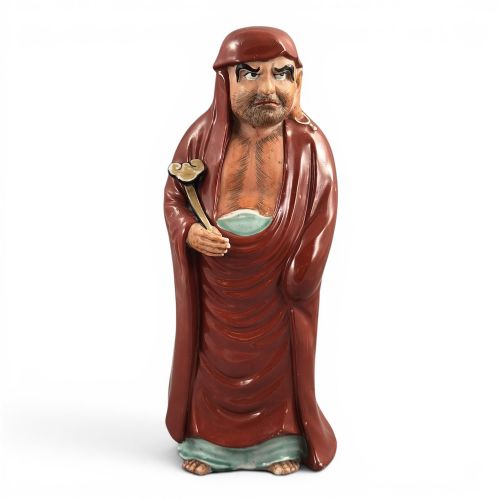
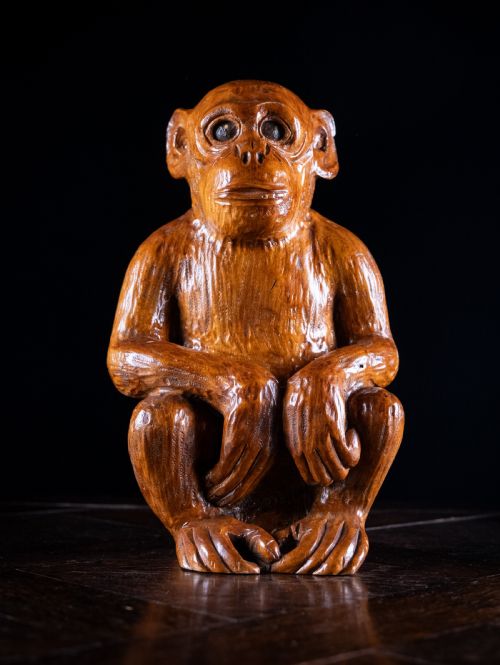
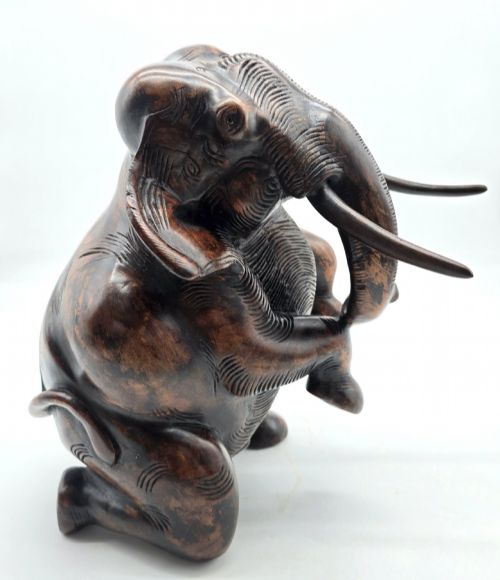
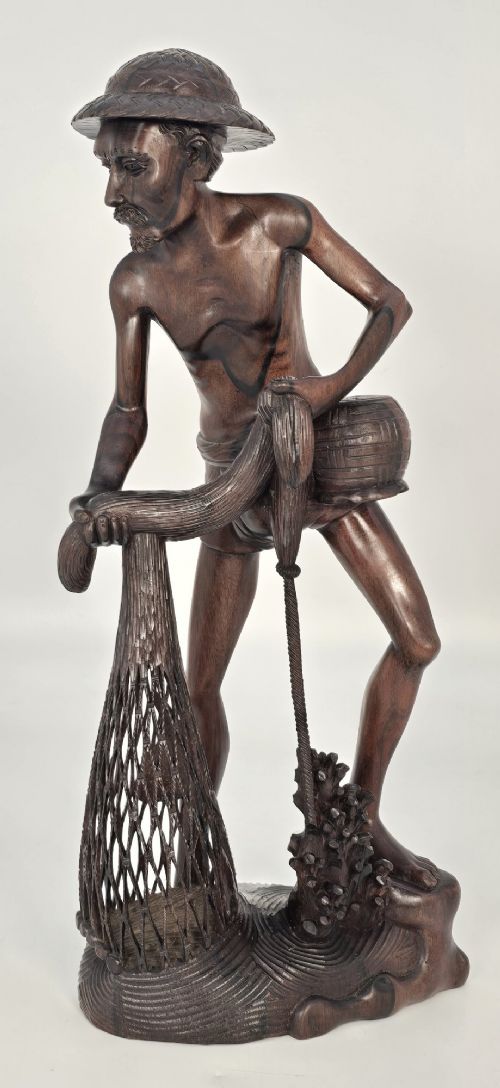

Vintage Oriental Sculpture
These vintage oriental sculpture pieces bring centuries of Asian artistry into a room through cast bronzes and hand-carved woods.
Vintage Oriental Sculpture
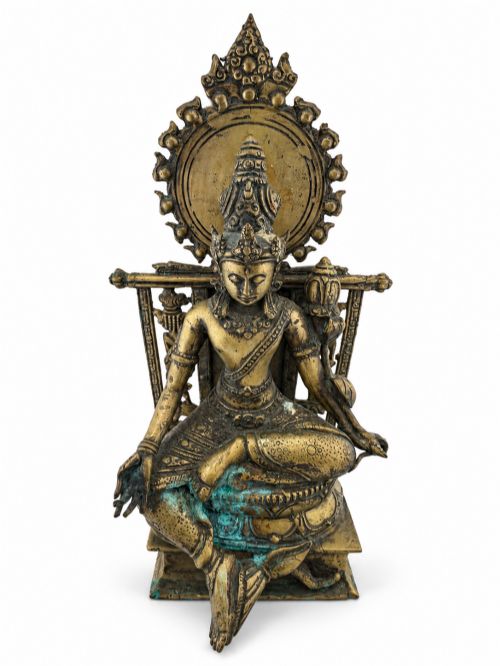
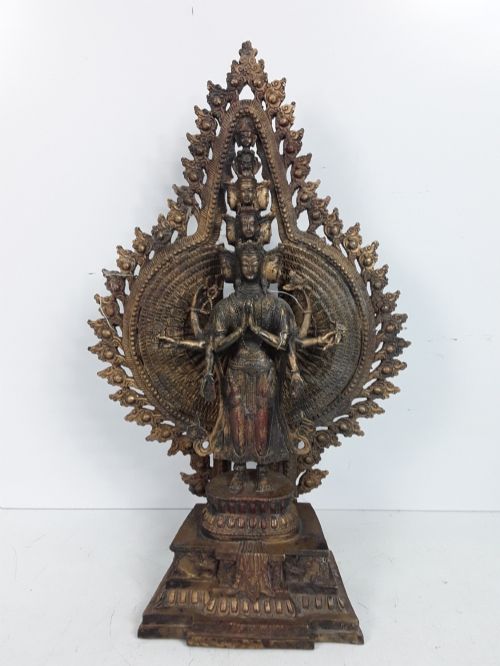
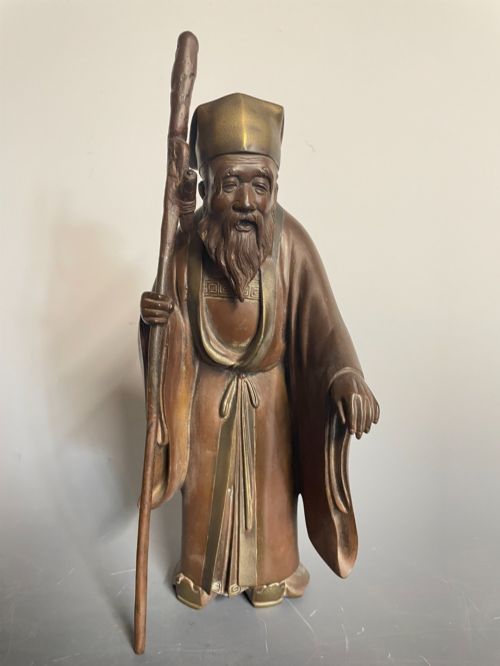
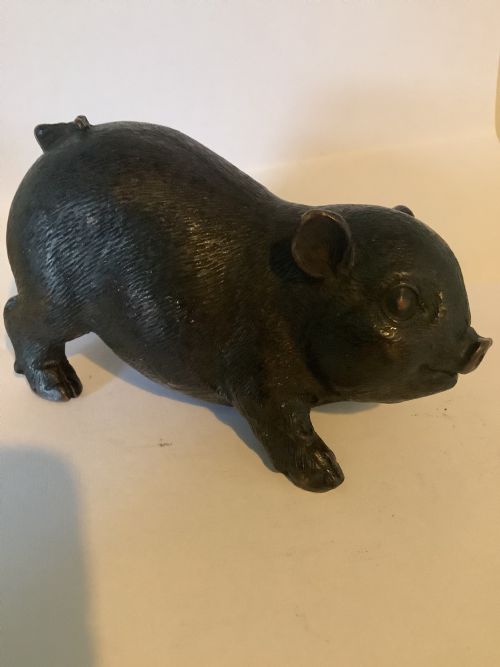
When you search for vintage oriental sculpture, you meet figures, animals, and shrines originating from Chinese, Japanese, Indian, and Himalayan workshops. The selection relies heavily on cast bronzes and carved hardwoods depicting deities, animals, and human subjects from the nineteenth and early twentieth centuries.
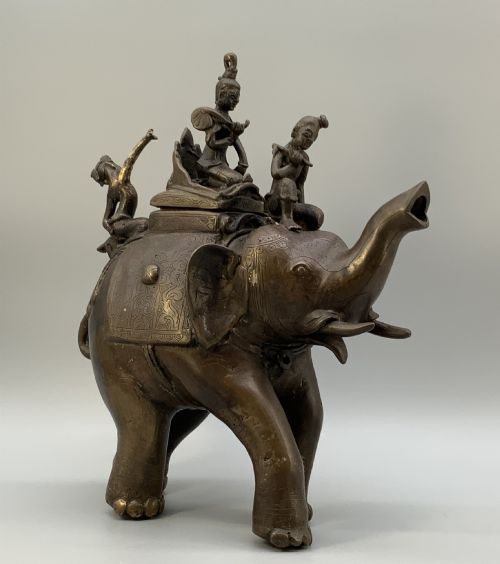
You are most likely to encounter bronze temple figures, carved wooden animals such as elephants and bears, and decorative porcelain or enamel pieces. These items span periods from the late Qing Dynasty and Meiji period through to the Edwardian era and the nineteen-thirties.
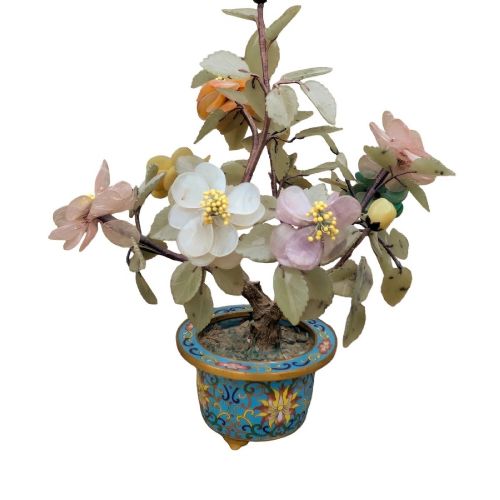
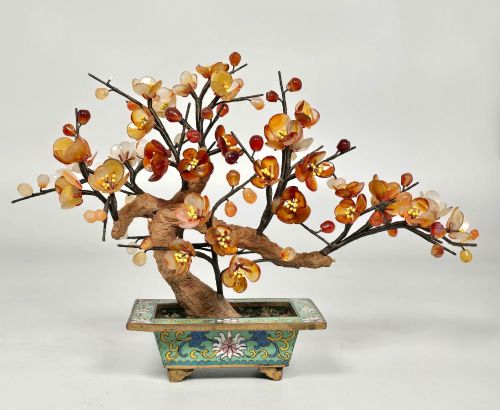
The assortment encompasses both traditional religious icons like Buddhas and domestic decorative objects including bonsai trees made from hardstone and cloisonné. Each piece reflects the specific regional crafts and materials of its origin, ranging from Indian engraved metals to Japanese wood carvings.
Materials and methods
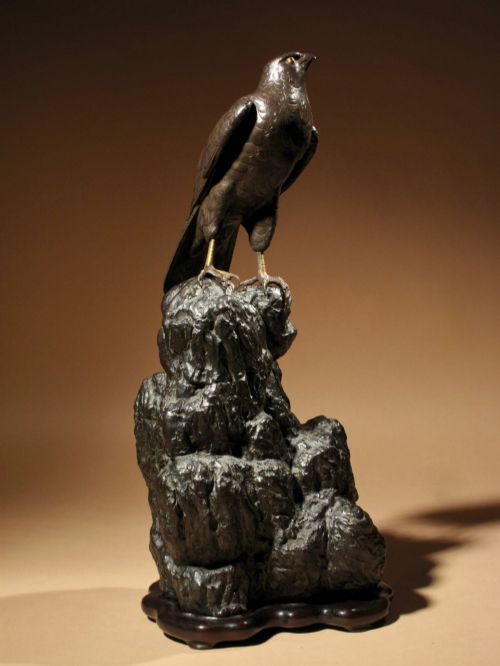
Maker workshops utilised traditional casting methods for metals, producing detailed bronzes and brasses through lost-wax techniques or specialised foundry work. Artisans chased and engraved the cooled metal surfaces to define hair, garments, and natural textures.
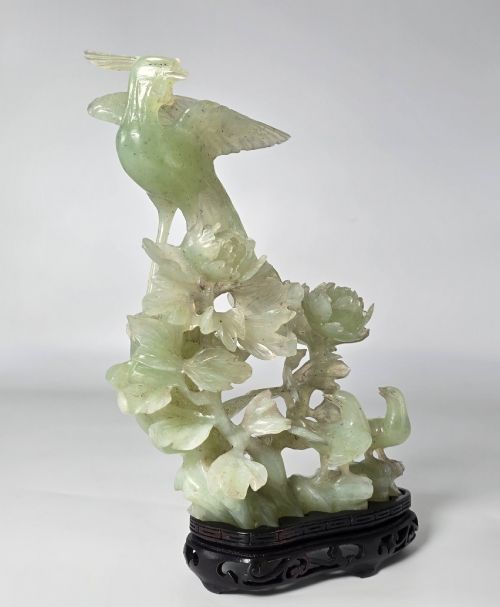
Carvers worked dense media including boxwood, hardwood, soapstone, and jade using hand chisels to shape figures and intricate landscape scenes. Details were often enhanced with lacquer, polychrome paint, or inlaid hardstones to add colour and contrast.
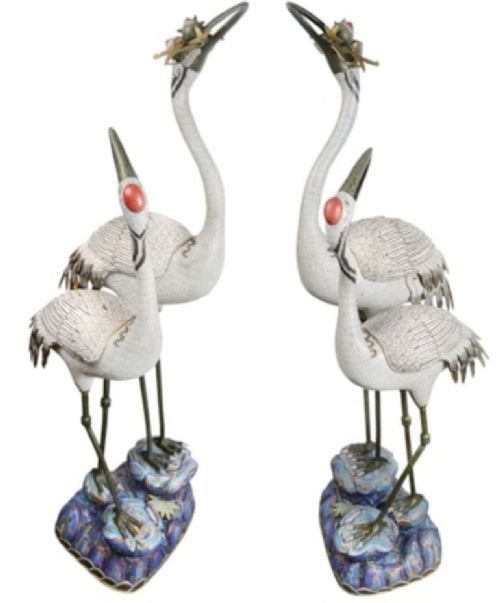
Ceramic figures were shaped from clay, glazed using techniques such as sancai or Kutani methods, and fired in kilns before receiving enamel decoration. Complex botanical sculptures combined cloisonné containers with wired hardstone leaves and blossoms.
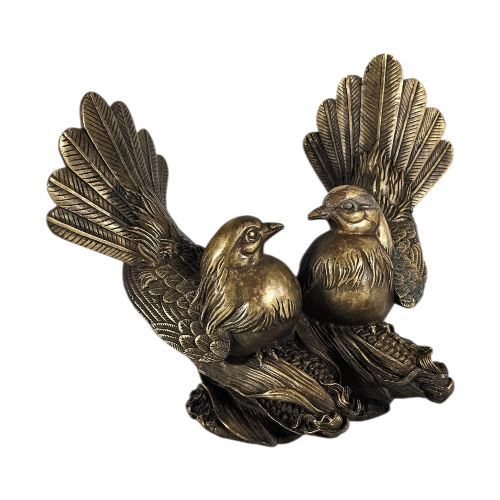
Subject matter ranges widely across the available pieces, covering Buddhist deities, elephants, lions, birds, and botanical bonsai arrangements.
Judging the work
The standard of carving or casting defines the distinction between ordinary production and superior craftsmanship. Master artisans achieved anatomical precision and fluid movement in subjects like animals and human figures, whereas lesser pieces show stiff postures and generalized surface detail.
The selection of raw materials dictates visual depth and longevity, with high-grade jades, dense hardwoods, and heavy bronzes outperforming soft stone or thin-gauge metal castings. Finish application, such as precise cloisonné cell work or clean glaze distribution, separates competent studio output from hurried manufacture.
Tokyo Foundry Sakai Kōzan
The Vintage Oriental Sculpture Glossary
- Okimono
- A Japanese decorative freestanding sculpture designed for display on a shelf or in a tokonoma alcove. These carvings typically depict animals, people, or mythical figures.
- Cloisonné
- A metalwork technique where thin wire partitions are soldered to a base and filled with enamel paste before firing. This creates coloured compartments across the surface of vases or sculptural forms.
- Foo Dog
- A traditional guardian lion figure originating in Chinese art, often carved from stone or wood or modelled in porcelain. Pairs typically flank temple entrances or domestic thresholds.
- Daruma
- A Japanese traditional doll or carved figure modelling Bodhidharma, the founder of Zen Buddhism. These round forms typically lack legs and embody persistence.
- Sancai
- A three-colour glaze tradition used on Chinese pottery, most commonly combining amber, green, and cream tones. The technique dates back to the Tang Dynasty but inspired later revivals.
Vintage Oriental Sculpture: Frequently Asked Questions
How do I identify a Meiji period Japanese bronze?
Meiji period bronzes often feature deep patination, fine surface chasing, and naturalistic animal or human forms produced in Japanese workshops.
Look for foundry marks or signatures stamped into the metal base, alongside the characteristic weight and dense casting quality of the era.
Where were these sculptures originally displayed?
Many of these pieces served as household shrines, decorative centerpieces, or garden ornaments within traditional Asian interiors.
Religious figures occupied temple altars or domestic meditation spaces, while animals and bonsai trees decorated living rooms and studies.
How should I care for carved hardwood and bronze?
Bronze surfaces benefit from occasional dusting with a soft brush and gentle wiping to preserve the stable patina.
Hardwood sculptures require stable indoor humidity levels and regular treatment with appropriate natural waxes to prevent timber splitting.