


Vintage Oriental Pictorial Carpet
These vintage oriental pictorial carpet pieces bring narrative and human history into a room through intricate hand-knotted storytelling.
Vintage Oriental Pictorial Carpet
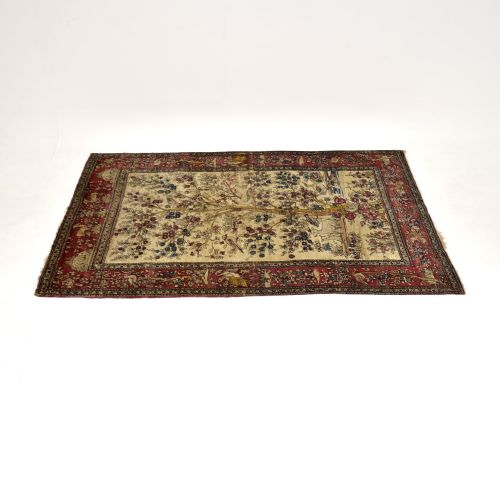
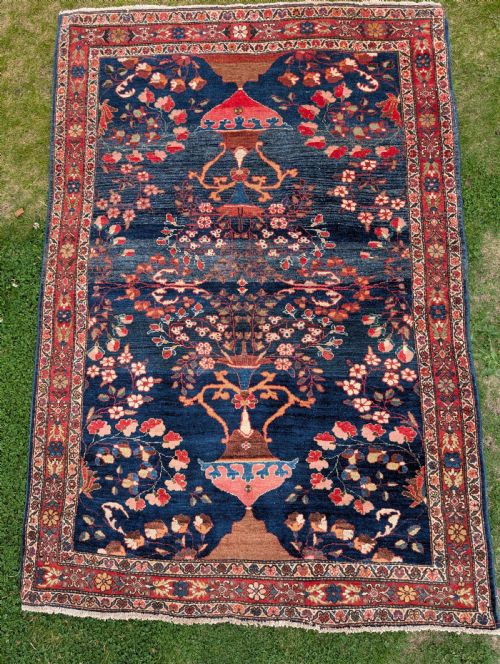
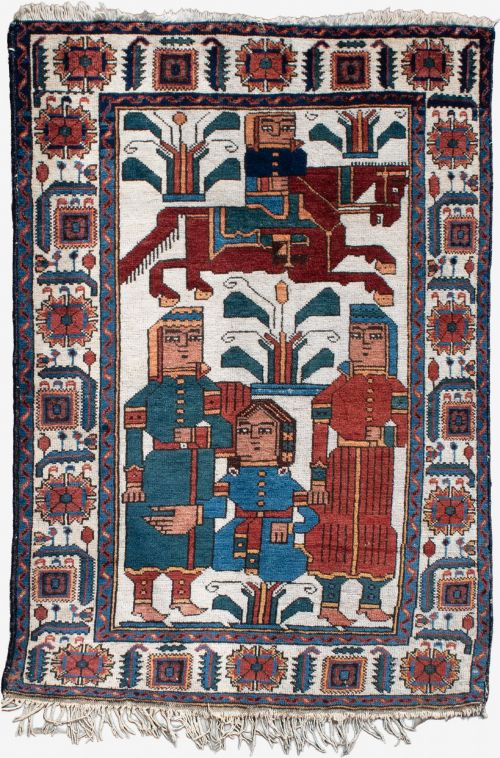
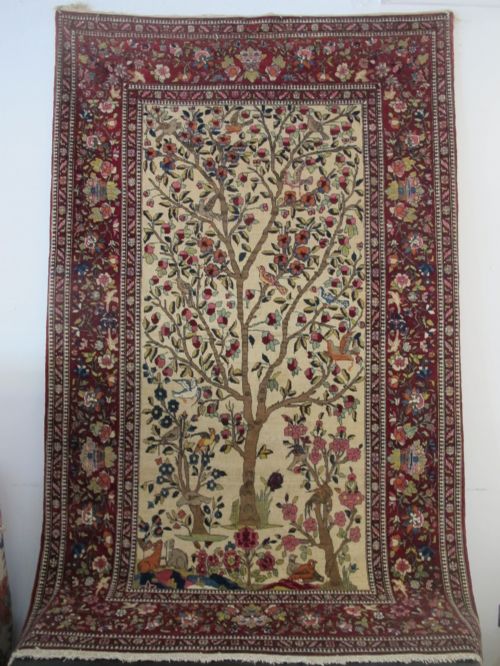
A vintage oriental pictorial carpet presents figurative scenes, animals, people or architectural motifs rather than purely geometric or floral patterns. When you explore this selection, you encounter hand-knotted pieces originating from various Persian, Afghan and Caucasian centres. These textiles function as floor coverings or wall hangings that document specific cultural narratives.
The inventory on this page spans several decades, with examples dating from the late nineteenth century through to the 1930s. Persian weaves, including Kashan, Isfahan, Kirman and Tabriz types, appear alongside Afghan tribal works and Caucasian pieces. Buyers most frequently meet wool constructions, though cotton and silk also form the structural foundation of these narrative works.
Materials and Construction
Weavers constructed these carpets using wool, cotton and silk fibres, knotted by hand onto supportive warps and wefts. Wool provides the durable pile for the majority of these floor coverings, while cotton frequently forms the sturdy foundation threads that hold the tension. Silk appears in finer regional examples, allowing for greater detail within the pictorial depictions.
The traditional knotting technique requires meticulous placement of dyed yarns to build complex figurative designs. Artisans in workshops and tribal communities utilised natural and synthetic dye methods to achieve the colour palettes seen across Isfahan, Kashan and Afghan pieces. Each rug reflects the specific regional traditions of its makers, from urban workshops to nomadic encampments.
Some carpets preserve ancient political portraits woven directly into the wool, immortalising historical rulers underfoot.
Factors That Determine Quality
The clarity and complexity of the pictorial narrative separate standard examples from superior works. Carpets with tightly packed knots and precise execution of human figures, animals or buildings demonstrate greater technical skill by the weaver. Finer materials like silk and high-grade wool also indicate a higher level of workshop production.
Condition and structural integrity heavily influence the standing of an individual carpet. Examples that retain their original borders, fringe lengths and even pile wear maintain their decorative impact more successfully. Furthermore, signed pieces or works attributed to notable weaving centres like Kashan or Isfahan often represent the pinnacle of this craft.
Mohtasham Kashan·Ahmadi
The Vintage Oriental Pictorial Carpet Glossary
- Pile
- The upright yarn loops that form the usable surface of the carpet. This soft layer absorbs wear and displays the woven imagery.
- Warp
- The vertical threads stretched tightly on the loom before knotting begins. These foundational cords often show at the fringe ends of the rug.
- Weft
- The horizontal threads passed across the warp strands to secure the rows of knots in place. They add structural stability to the textile foundation.
- Knot
- The individual loops of yarn tied around warp threads to build the design. Higher knot counts generally permit more detailed pictorial representations.
- Prayer rug
- A small textile featuring a specific architectural arch or mihrab design indicating direction. Makers historically utilised these mats for daily devotional practices.
Vintage Oriental Pictorial Carpet: Frequently Asked Questions
What is a pictorial carpet?
A pictorial carpet depicts specific human figures, animals, historical scenes or architectural elements within the woven pile rather than repeating geometric medallions. These textiles act as narrative artworks translated into wool, cotton or silk.
Weavers across Persia and the Caucasus produced these narrative works in both urban workshops and tribal settings. They serve equally well as wall hangings or statement floor coverings.
Where were these rugs made?
The pieces originate from traditional weaving regions across Central Asia and the Middle East. Specific towns like Kashan, Isfahan, Tabriz and Kirman developed distinct urban workshop styles.
Nomadic and tribal groups in Afghanistan and the Caucasus produced alternative styles with distinct borders and symbolic motifs. Each origin brings specific materials and colour palettes to the textile.
Can I walk on a pictorial rug?
Most of these pieces were originally created as functional floor coverings and handle normal foot traffic well. However, extremely fine silk examples or fragile nineteenth-century items benefit from placement in low-traffic areas.
Many collectors choose to hang delicate pictorial carpets on walls to protect the pile from physical wear. Using a quality underlay prevents slipping and reduces friction against hard floors.