






Vintage Oriental Display Charger
These vintage oriental display charger pieces bring traditional ceramic artistry and metalwork into modern interiors.
Vintage Oriental Display Charger
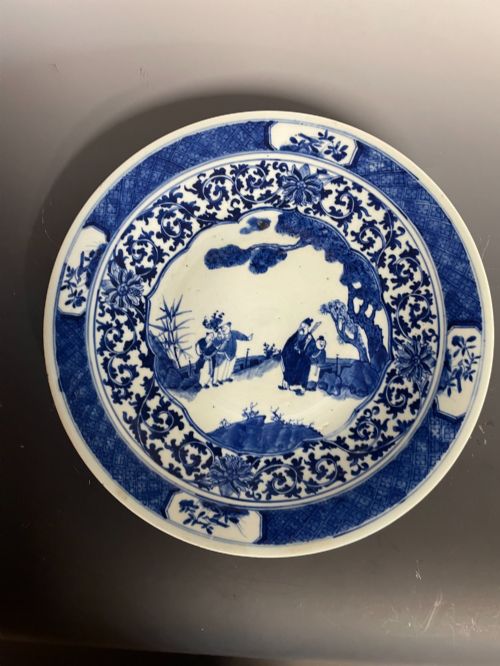
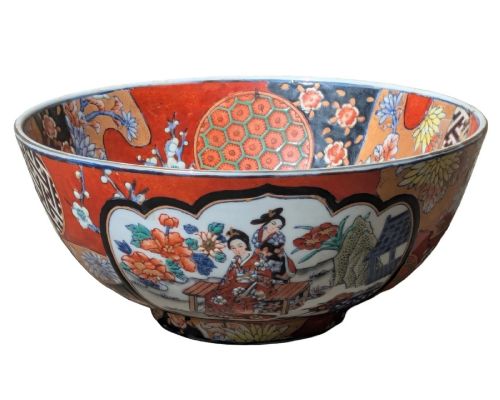
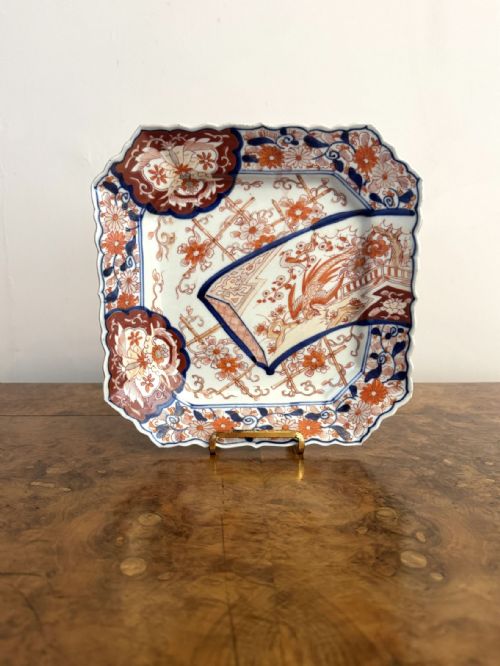
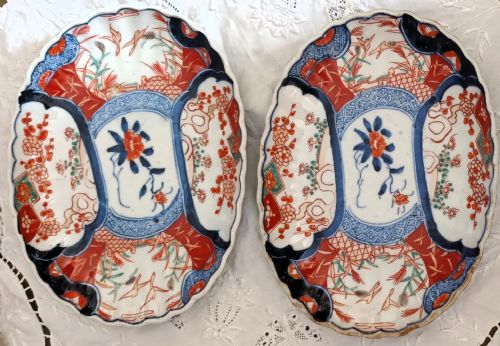
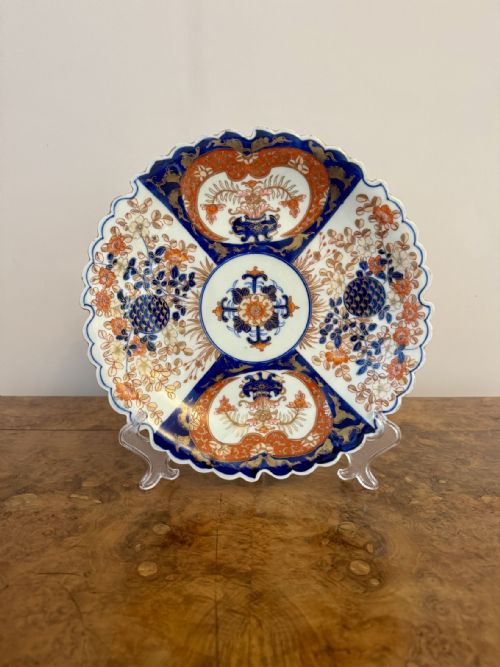
A vintage oriental display charger encompasses large decorative plates, platters, and wall-hanging vessels originating from Japanese and Chinese workshops. The selection here leans heavily towards Japanese Imari porcelain and cloisonne enamel trays spanning the nineteenth and early twentieth centuries.
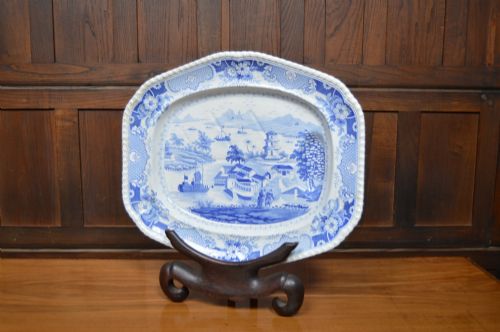
Buyers encounter forms ranging from traditional circular chargers to square plates, scalloped edges, and oval shapes. These items were originally made for display or decorative service rather than everyday dining.
Originating across periods from the Edo and Meiji eras up through the Victorian and Taisho years, these items reflect diverse Asian aesthetic traditions brought into Western homes.
Materials and Technique
Porcelain and ceramic form the base of the chargers, shaped and fired before receiving detailed hand-painted designs in traditional palettes. Artisans applied glaze and cobalt blue pigments, often supplemented with rich iron-red and gold leaf details.
Cloisonne pieces utilise metal wires soldered to copper or brass bodies to form cells, which are then filled with coloured enamel paste and fired multiple times. This technique creates complex pictorial scenes depicting birds, fish, and landscapes.
Current listings feature items from the Meiji period, Victorian era, and the early twentieth century, utilising porcelain, copper, and enamel.
Evaluating the Workmanship
Quality rests in the precision of the hand painting and the complexity of the subject matter depicted on the surface. Standard production pieces display repetitive motifs, whilst superior examples exhibit intricate detailing in the figures, foliage, and borders.
Material application also dictates standing, particularly in cloisonne where the neatness of the wirework and the depth of the enamel gloss separate standard items from masterworks. Porcelain items show distinction in the crispness of the form and the vibrancy of the underglaze or overglaze pigments.
Koshida
The Vintage Oriental Display Charger Glossary
- Charger
- A large decorative plate or platter traditionally used for display rather than holding food at the table.
- Imari
- A style of Japanese porcelain featuring a distinctive palette of underglaze blue, iron-red, and gilt highlights.
- Cloisonne
- A decorative metalwork technique where enamel is applied within compartments formed by soldered wires on a copper or brass base.
- Meiji Period
- An era in Japanese history spanning from 1868 to 1912 known for significant artistic production and export.
- Canton Rose Medallion
- A style of Chinese porcelain decorated with panels of figures, birds, and flowers painted in rich pastel colours and gold.
Vintage Oriental Display Charger: Frequently Asked Questions
What is a vintage oriental display charger used for?
These large plates function primarily as decorative wall hangings or tabletop centrepieces.
Historically, households placed them on sideboards or mounted them on walls to showcase fine craftsmanship and colourful oriental motifs.
How do I identify a Meiji period piece?
Meiji period items often combine traditional Japanese motifs with techniques refined during the late nineteenth century.
Look for detailed hand painting, complex cloisonne wirework, and subjects such as Mount Fuji, deities, or native fauna.
Can I hang these heavy chargers on the wall?
Many chargers feature substantial weight, particularly the porcelain and cloisonne enamel examples.
Secure hanging requires specialised spring-loaded plate hangers designed to support the specific diameter and weight distribution of the piece.
What is the difference between Imari and Canton plates?
Imari chargers originate from Japan and typically employ a strict palette of blue, red, and gold.
Canton plates come from China and are characterised by compartmentalised pastel designs featuring panels of figures and floral scenes.