


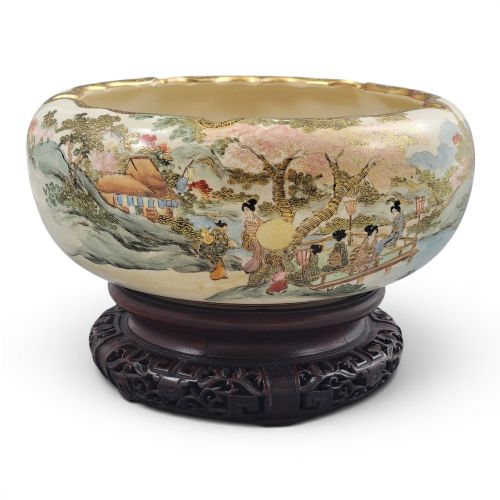


Vintage Oriental Bowl
A vintage oriental bowl brings centuries of East Asian craftsmanship, from delicate Imari porcelain to intricate cloisonne enamel, straight to the modern table.
Vintage Oriental Bowl
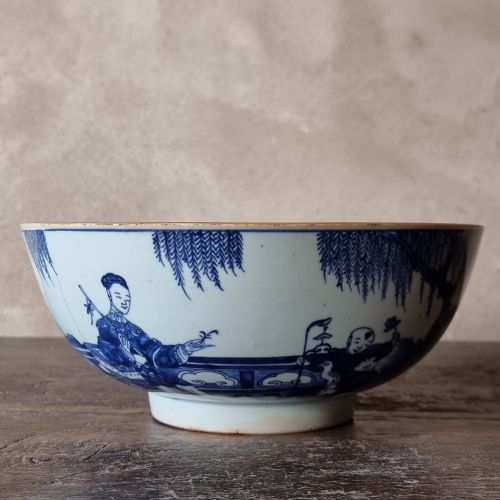
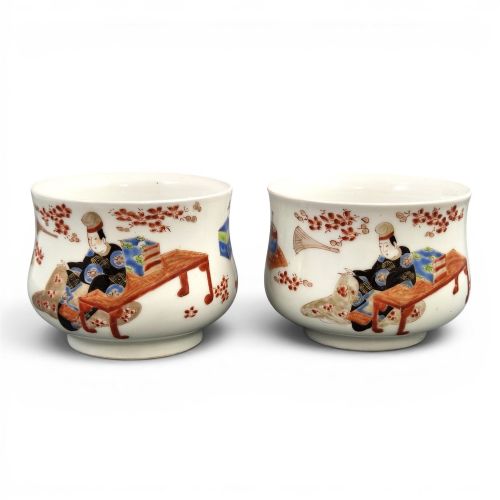
When searching for a vintage oriental bowl, buyers encounter a diverse selection spanning Chinese export porcelain, Japanese Meiji period Imari wares, and heavy bronze vessels. These decorative items range from small tea cups and sake sets to large punch bowls and garden planters.
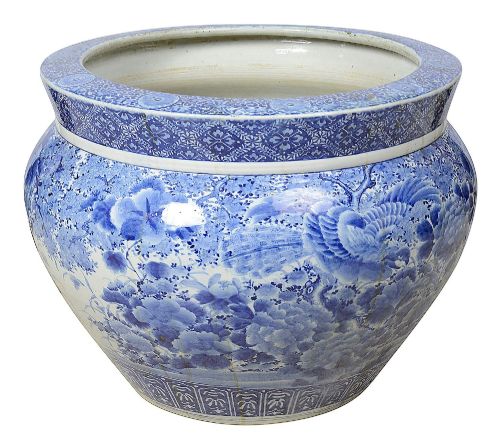
The objects originate primarily from centuries of Asian ceramic and metalwork traditions, appearing in materials like cobalt blue and white porcelain, cloisonne enamel, and cast bronze. Many pieces reflect specific historical eras such as the Qing dynasty or the Meiji period, while others date through the Edwardian and Showa eras.
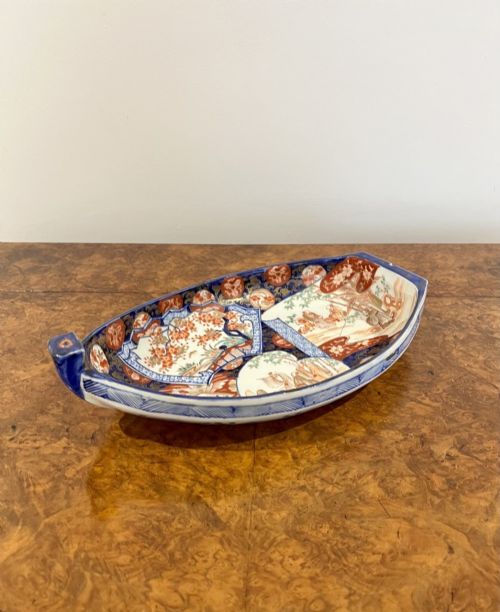
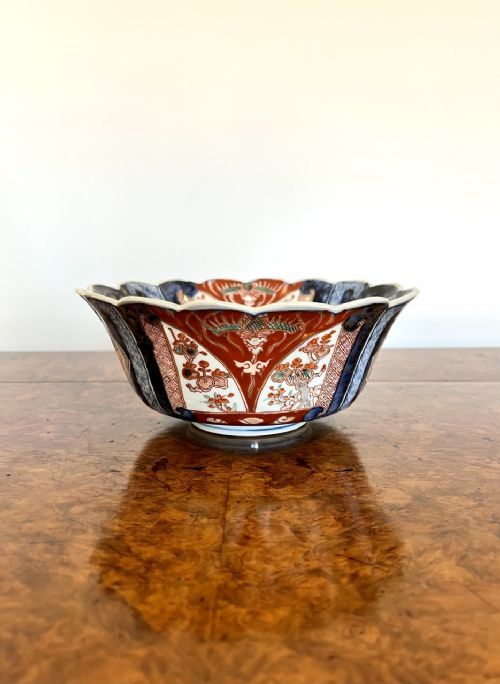
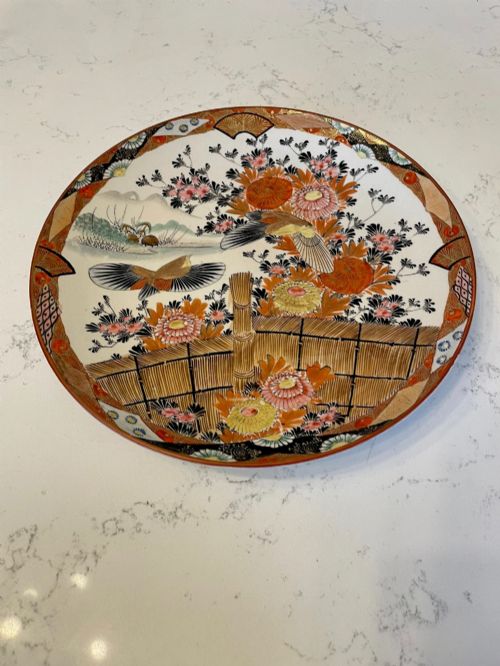
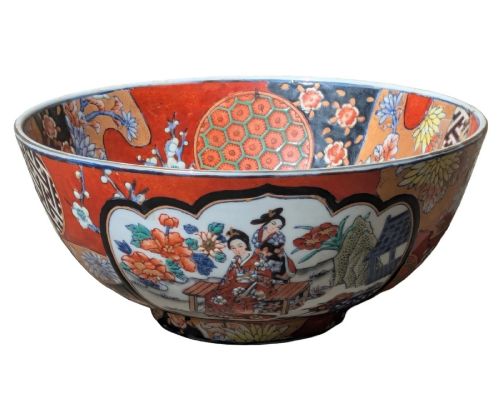
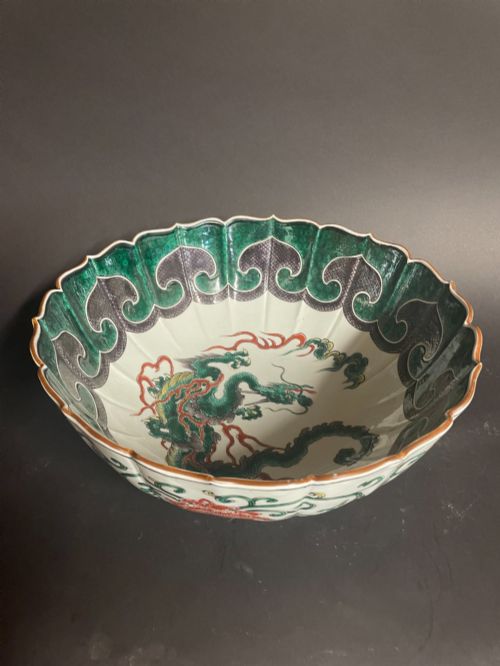
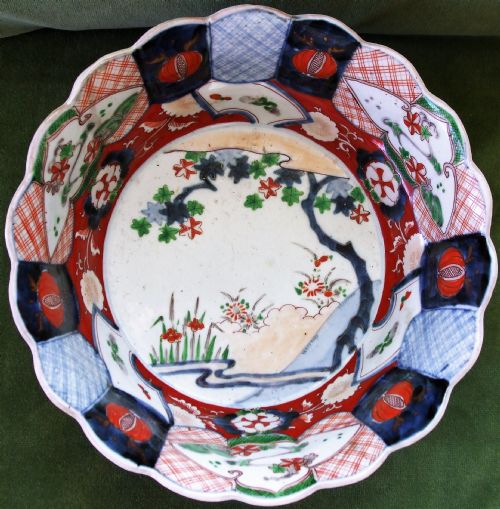
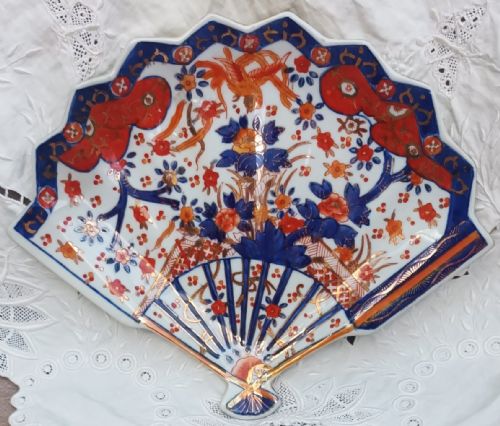
Imari patterned porcelain with scalloped edges and hand painted motifs forms a large portion of the available selection. Alongside these ceramic dishes, buyers will find heavy bronze and brass censers, silver enamelled ashtrays, and enamel chargers featuring birds, lotus flowers, and dragons.
Materials and Techniques
Porcelain forms the backbone of these vessels, shaped through traditional throwing and moulding before receiving cobalt underglaze or hand painted enamel decoration. Potters in centres like Arita utilised local clays to create durable bodies that tolerated high firing temperatures.
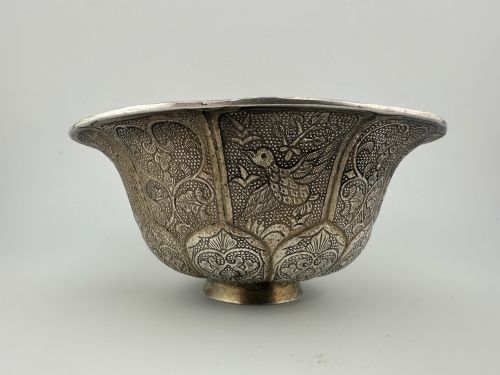
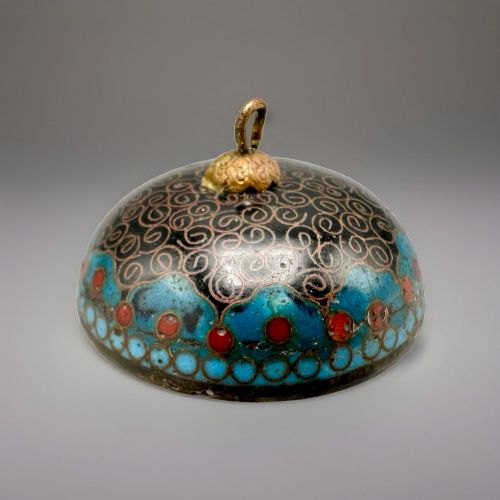
Metal vessels rely on bronze, brass, copper, and white metal, often shaped by casting and finished with cloisonne wirework. Artisans soldered thin metal ribbons to the base to form cells, which they filled with coloured enamel pastes before firing and polishing the surface smooth.
Surface ornamentation combines naturalistic motifs with metallic leaf and intricate enamel work. Artisans applied gold leaf accents and detailed hand painting to porcelain surfaces, while bronze pieces often received incised marks or applied relief elements like birds and dragons.
Vintage Oriental Bowl Retail Price Guide 2026
Typical asking prices for vintage oriental bowl among the pieces listed under this phrase on Sellingantiques today, from the lower quarter to the upper quarter. They describe what is for sale here now, not the wider market.
Listings feature materials ranging from delicate Arita porcelain and cloisonne enamel to heavy cast bronze and white metal.
Assessing Craftsmanship
Quality rests upon the precision of the hand painting and the clarity of the underlying glaze or enamel. Finer examples display crisp cobalt blue brushwork or tightly packed cloisonne wires without pooling or surface pitting.
Weight and metal density distinguish superior bronze and brass vessels from lighter utilitarian wares. Master signatures, reign marks, and precise potting in the footring indicate pieces produced by skilled workshops rather than mass production.
Shozo·Shizan·Daisy Makeig-Jones Wedgwood
The Vintage Oriental Bowl Glossary
- Imari
- A style of Japanese porcelain featuring a distinct palette of underglaze blue, iron red, and gilt highlights. These wares were heavily exported to Europe from the port of Imari during the Edo period.
- Cloisonne
- A decorative metalwork technique where flat wires are soldered to a metal base to create compartments for enamel paste. The piece is then fired and polished to a smooth finish.
- Punch bowl
- A large, deep vessel originally designed for mixing and serving communal drinks during social gatherings. These pieces often feature wide diameters and robust porcelain or ceramic walls.
- Censer
- A ritual vessel used for burning incense, typically cast in bronze or brass with openwork lids. Scholars and collectors prize these heavy metal pieces for their stability and patination.
- Arita
- A Japanese town famous for producing some of the earliest and finest porcelain in the country. Wares from this region supplied both domestic markets and international trade.
Vintage Oriental Bowl: Frequently Asked Questions
What is an Imari bowl?
An Imari bowl is a piece of Japanese porcelain decorated in characteristic shades of cobalt blue, iron red, and gold. These colourful wares were produced in Arita and shipped through the port of Imari.
They became immensely popular in European households during the seventeenth and eighteenth centuries for display and dining use.
How do I date a bronze censer?
Dating a bronze censer involves examining the weight, casting quality, and any reign marks stamped or cast into the base. Earlier pieces often display a deep patination and heavier metal density.
Scholar's censers from the seventeenth century typically show careful attention to surface finish and balanced proportions without modern tooling marks.
What is cloisonne enamel?
Cloisonne enamel is a technique where thin metal wires are attached to a bronze, copper, or brass body to form enclosed design cells. Craftsmen fill these tiny compartments with powdered glass paste before firing the vessel in a kiln.
The resulting surface is ground down and polished until the metal wires and coloured glass rest in a single plane.
Can I use these bowls daily?
Most antique oriental bowls require gentle handling due to their age and delicate enamel or gilt decoration. Hand washing in warm soapy water preserves the surface pigments.
Heavier bronze and brass vessels handle dry decorative use well, but porcelain items are best kept away from modern dishwashers and harsh detergents.