
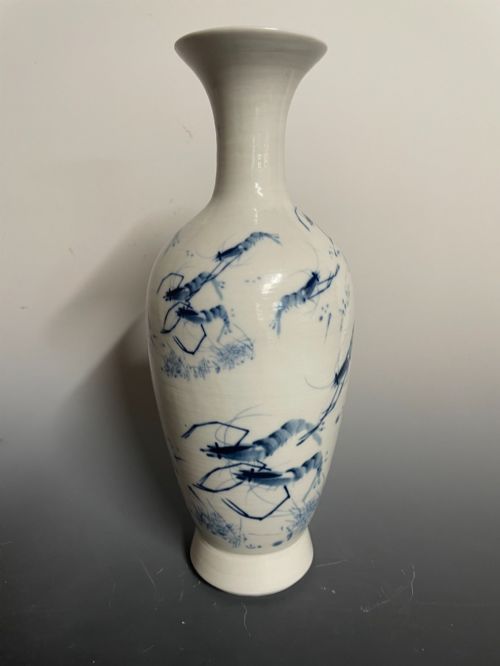
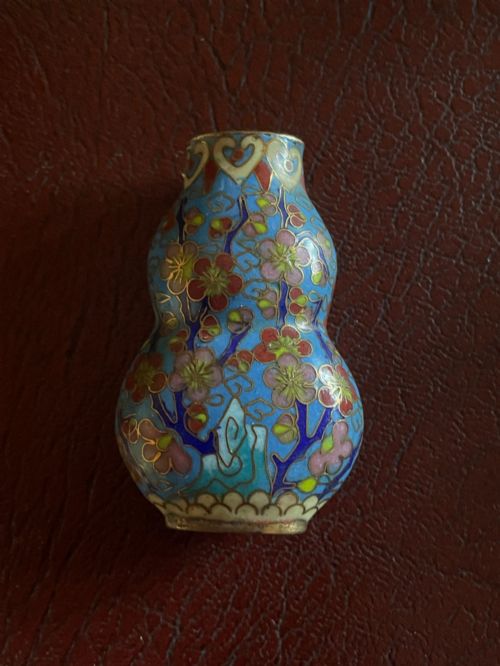
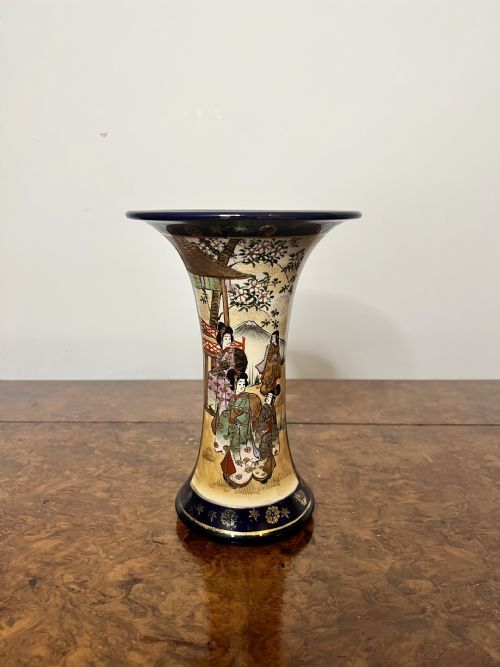

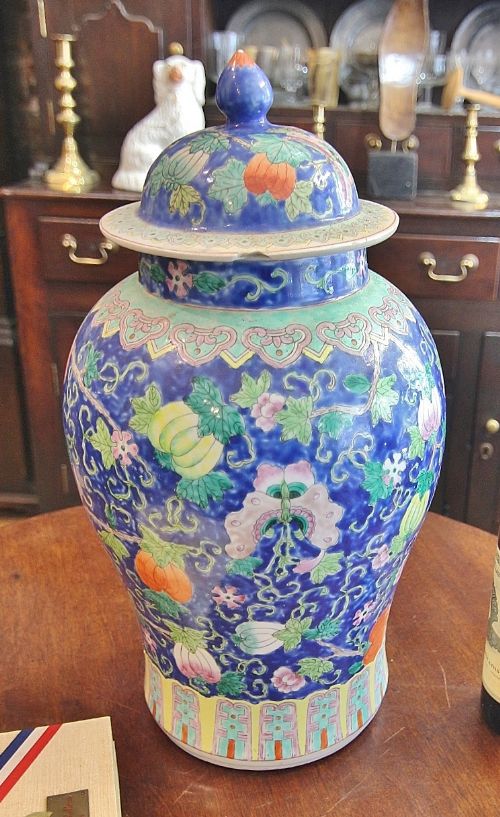

Vintage Oriental Blue Vase
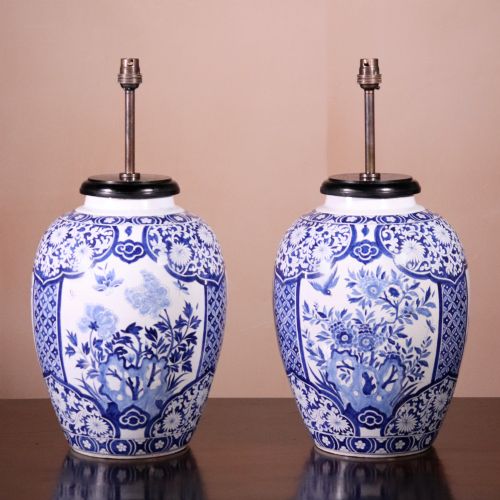
These vintage oriental blue vase options bring together porcelain, enamel and earthenware spanning centuries of Eastern and Western design.
Vintage Oriental Blue Vase
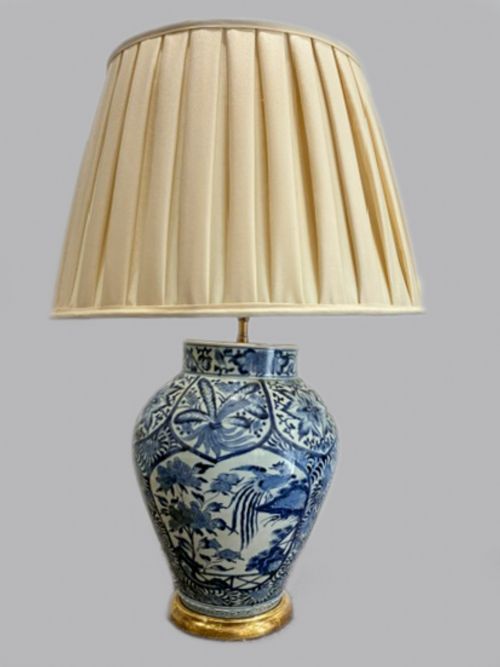
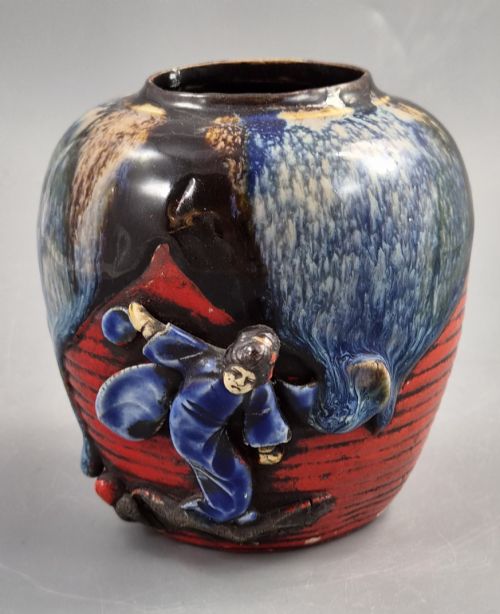
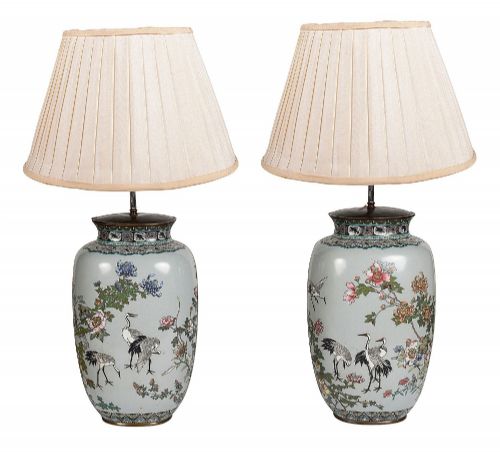
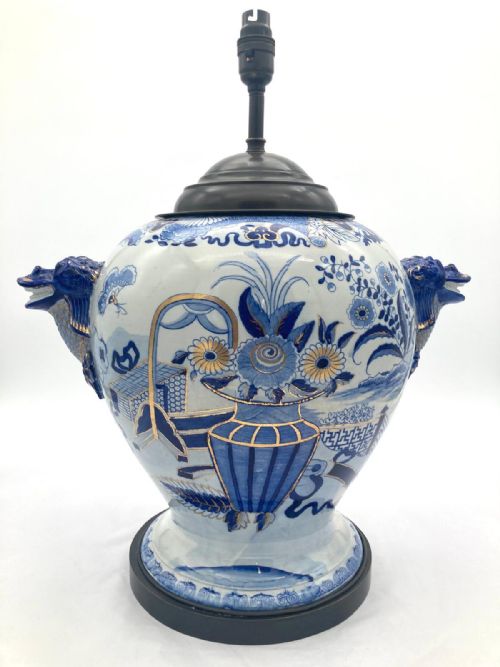
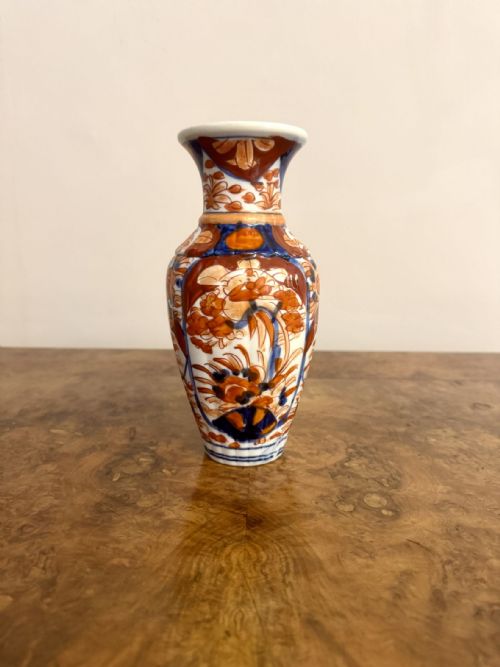
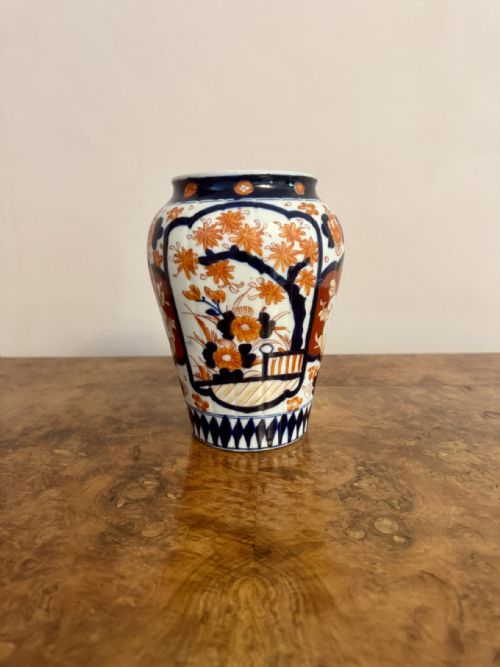
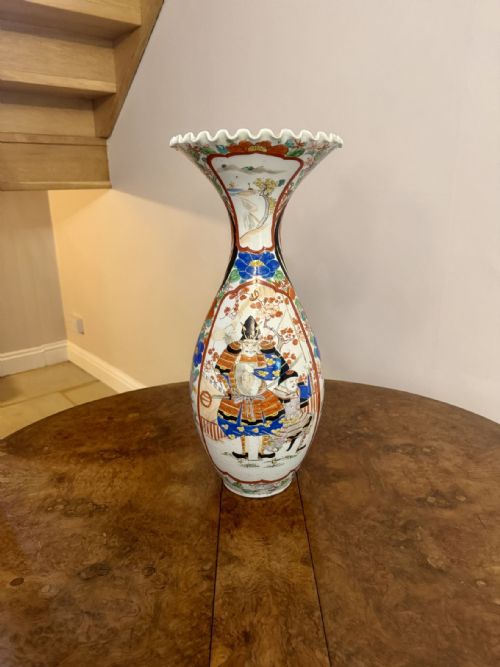
A vintage oriental blue vase search reveals a wide assortment of ceramic and metal vessels originating from Japan, China and European workshops influenced by Eastern aesthetics. Buyers encounter everything from traditional Imari porcelain and Satsuma earthenware to Cloisonné enamel pieces and English adaptations.
The objects span multiple centuries, with significant representation from the Meiji period and late nineteenth century alongside earlier Chinese and seventeenth-century items. Forms range from slender neck vessels and ginger jars to large floor standing pieces and lamps.
Many of these containers carry traditional cobalt blue pigments, contrasting with ironstone, flambé glazes and multicoloured enamel work. Collectors select them for interior display or functional conversion into lighting.
Materials and construction
Porcelain and earthenware form the core of these items, shaped on the wheel or moulded before receiving hand-painted cobalt decorations under glaze. Kiln firing creates the durable vitreous bodies seen in Imari and blue and white wares.
Cloisonné pieces rely on delicate metal wires soldered to a brass or copper base to create compartments filled with coloured enamel paste. Subsequent firing and polishing produce the smooth, patterned surfaces characteristic of Japanese and Chinese decorative vessels.
Some examples incorporate ormolu mounts, wood bases or electrical wiring added during later adaptations into table lamps.
Listings feature items from the seventeenth, eighteenth and nineteenth centuries, alongside Meiji period ceramics and twentieth-century reproductions.
Assessing craftsmanship
Quality rests on the precision of the hand painting, the clarity of the cobalt blue underglaze and the crispness of the enamel or cloisonné wirework. Finer examples display balanced composition, careful registration of motifs and unblemished surfaces from the kiln.
The weight and stability of the ceramic body, alongside the integrity of any applied figures or metal mounts, distinguish superior workshop production from commercial output. Pieces bearing recognised studio signatures or period marks generally reflect higher standards of design and execution.
Kinkozan·Kōko·Hicks and Meigh·Carlton Ware
The Vintage Oriental Blue Vase Glossary
- Imari
- A style of Japanese porcelain featuring underglaze blue and overglaze iron red and gold. This decoration originated in Arita and gained popularity across Europe during the Edo period.
- Cloisonné
- An enamelling technique where metal wires form cells on a vase body to hold vitreous paste. Artisans fire the piece multiple times to fuse the glass to the metal foundation.
- Satsuma
- A type of Japanese earthenware characterised by a ivory craquelure glaze and detailed polychrome painting. Workshops in Kyoto often produced these decorative items for export.
- Baluster
- A vase shape with a rounded lower body that tapers upward to a narrow neck and flanged rim. This classic silhouette appears frequently in nineteenth-century ceramic design.
- Flambé
- A streaky, variegated glaze produced by copper oxides reacting in a reduction kiln atmosphere. This technique creates mottled transitions of blue, purple and red across the ceramic surface.
Vintage Oriental Blue Vase: Frequently Asked Questions
How do I identify Imari porcelain?
Imari porcelain typically displays a distinctive palette combining deep cobalt blue and iron red with accents of gold leaf. The decorative schemes often incorporate floral panels and brocade motifs.
These pieces were produced primarily in the Arita region of Japan for both domestic use and international export during the Meiji period and earlier eras.
What is Japanese cloisonné?
Japanese cloisonné involves applying thin metal wires to a brass or bronze vessel to create bounded pockets. Craftsmen fill these compartments with coloured enamel before firing and polishing the exterior.
This technique produces intricate geometric or pictorial designs with a smooth, luminous finish.
Can I convert these vases safely?
Many historical vessels arrive already converted into table lamps using drilled bases or fitted brass caps. Purists prefer intact antique forms, but wired adaptations remain common for domestic interior placement.
Professional rewiring ensures the preservation of fragile ceramic or enamel bodies during everyday modern use.
How do I date an antique vase?
Dating relies on stylistic clues, glaze characteristics, kiln marks and material composition. Nineteenth-century Meiji pieces often show distinct export signatures and refined underglaze cobalt techniques.
Comparing base construction and wear patterns against documented examples helps confirm the period of manufacture.