


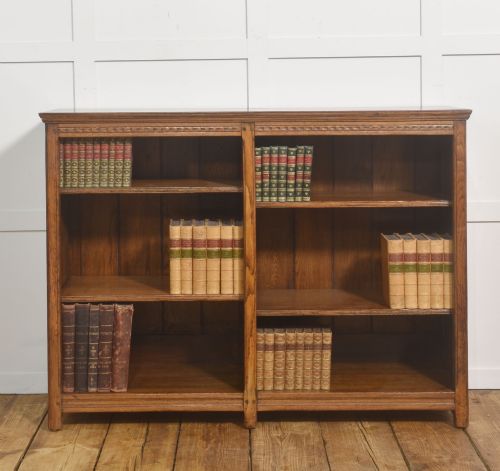
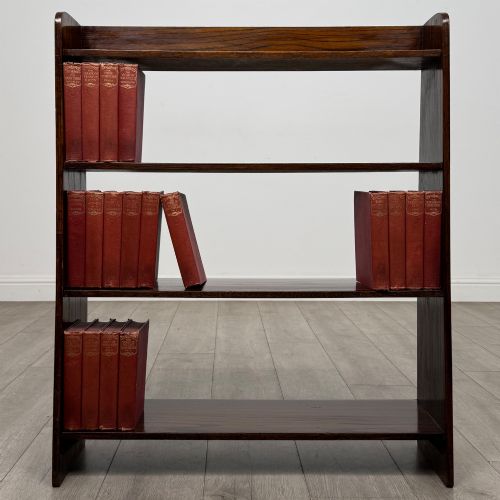
Vintage Open Standing Shelf
A vintage open standing shelf brings accessible display space and character to a room, presenting books and objects in an unfussy, upright design.
Vintage Open Standing Shelf
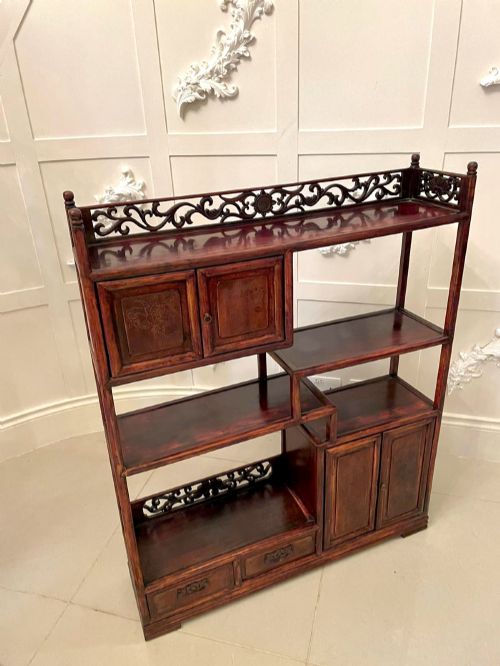
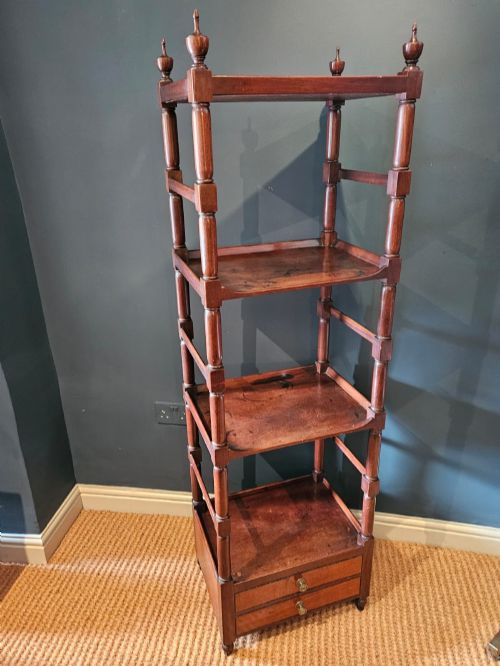
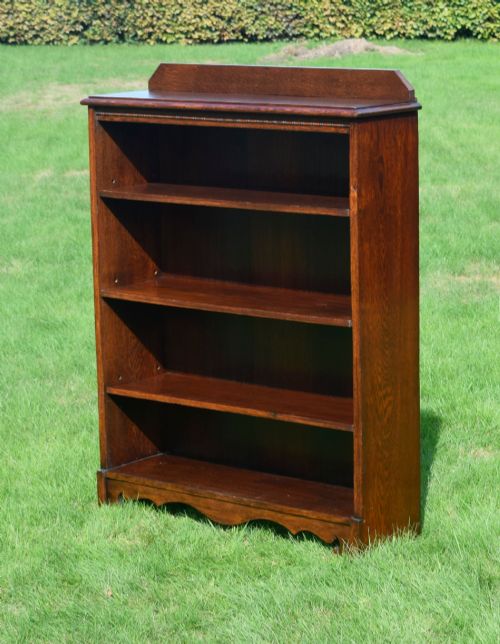
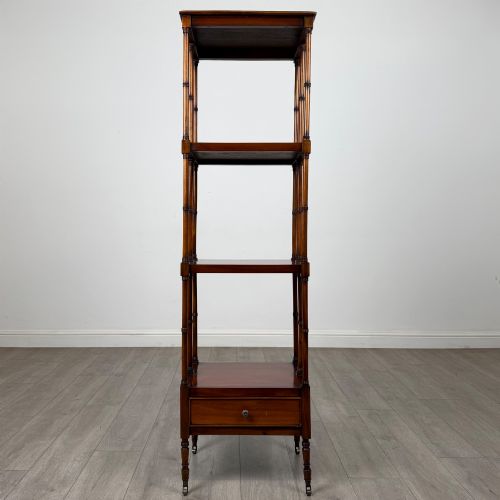
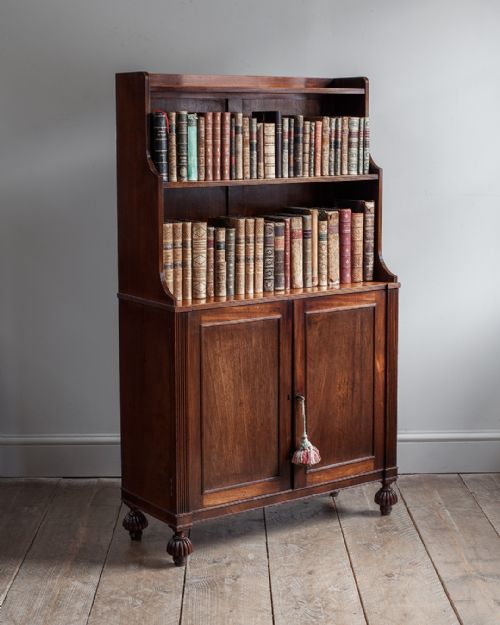
A vintage open standing shelf encompasses versatile upright furniture designed to hold books and display objects without enclosed cabinet doors. When searching for a vintage open standing shelf, buyers encounter a variety of related forms including bookcases, whatnots, etageres, and tiered stands spanning the Victorian, Edwardian, and early twentieth-century periods.
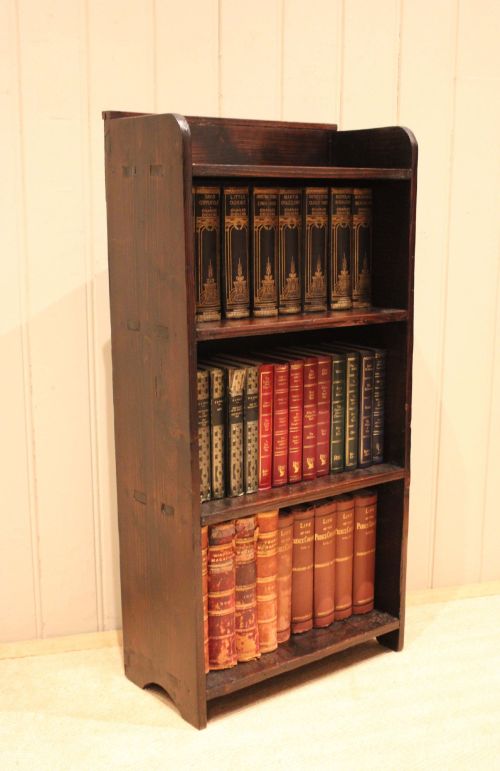
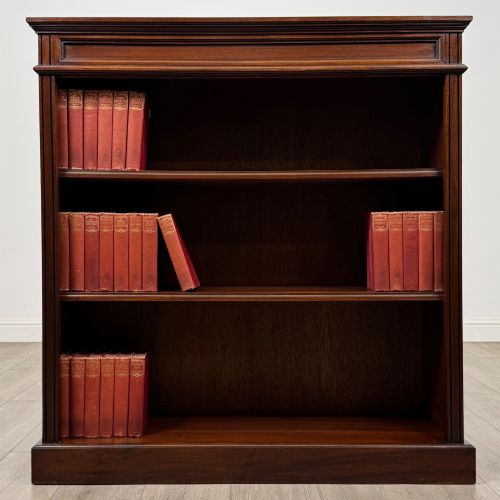
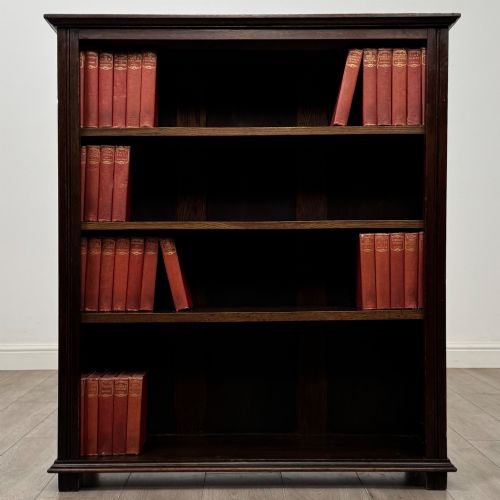
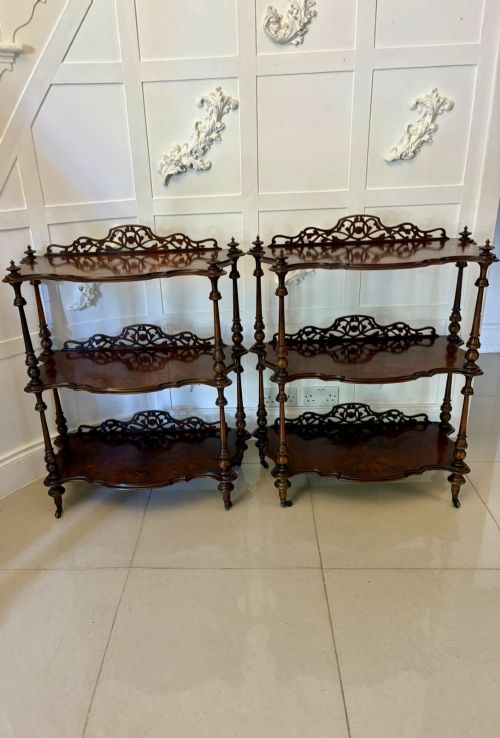
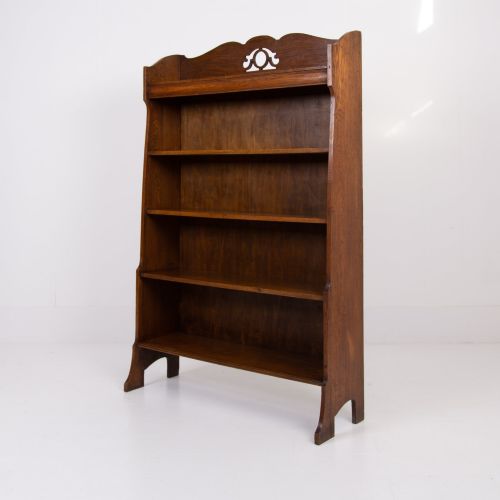
The most common examples on this page are sturdy oak and mahogany bookcases from the Edwardian era and the 1920s, often built with simple open backs or adjustable shelves. Alongside these stand more decorative pieces such as nineteenth-century walnut whatnots, rosewood display shelves, and occasional rustic pine or satinwood designs.
Judging build and materials
Quality rests on the selection of timber and the integrity of the joinery across the tiers and uprights. Dense hardwoods like burr walnut, mahogany, and figured oak denote a finer standard of manufacture compared to basic pine or generic wood constructions.
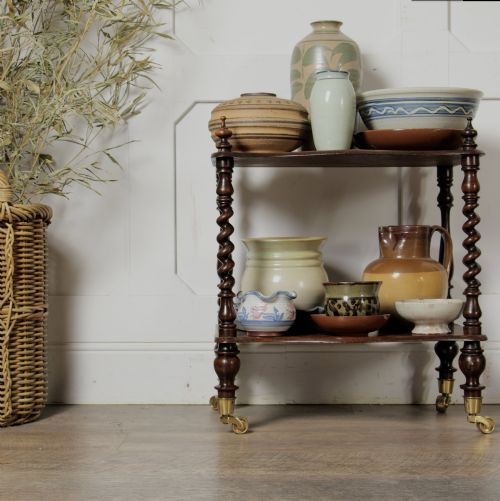
Refinement in turning, such as crisp barley twist legs or precise beading along shelf edges, separates standard utility items from higher workshop output. The inclusion of adjustable shelving mechanisms and thoughtful proportions also distinguishes superior examples.
Some shelves come with leather tops, proving that even books appreciate a soft surface to lean upon.
The Vintage Open Standing Shelf Glossary
- Etagere
- A piece of furniture consisting of a set of open shelves for displaying small objects. This French form often incorporates turned legs and decorative woodwork.
- Waterfall bookcase
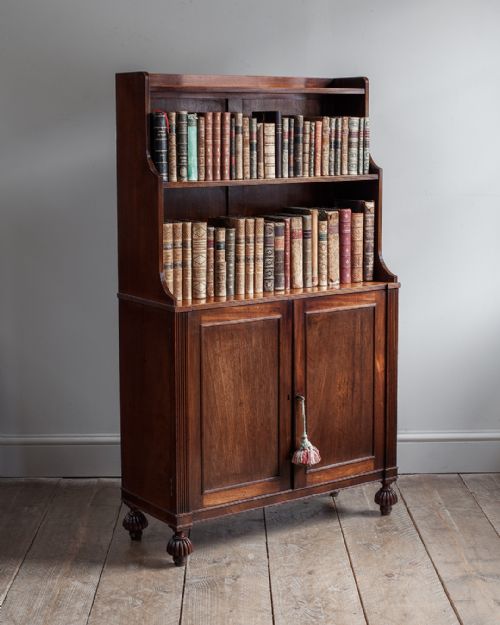
- A tiered shelving unit where each lower shelf is deeper than the one above it. The stepped profile creates a distinctive cascading silhouette.
- Barley twist
- A spiral turning resembling a twisted rope, commonly found on the vertical supports of stands and bookcases. This decorative woodworking technique appears frequently on Victorian pieces.
- Arts and Crafts
- A design movement favouring honest construction, visible craftsmanship, and simple oak forms. Pieces from this tradition avoid excessive ornamentation in preference of utility.
Vintage Open Standing Shelf: Frequently Asked Questions
What is an open standing shelf used for?
These pieces serve primarily for storing books and displaying decorative objects within living spaces or libraries.
Their open construction allows easy access and visibility from all sides.
How do I identify an Edwardian bookcase?
Edwardian examples often feature golden oak construction with simple lines and functional open backs, frequently dating around 1900 to 1910.
They reflect a lighter aesthetic than heavy Victorian furniture while maintaining sturdy traditional joinery.
Are the shelves adjustable?
Many oak and library bookcases include adjustable shelving mechanisms to accommodate books of varying heights.
Simpler whatnots and tiered stands generally feature fixed tiers.
What is the difference between a whatnot and an etagere?
A whatnot is traditionally an English multi-tiered display stand, whereas an etagere is the French equivalent often featuring lighter decorative framing.
Both serve the same general function of holding ornaments and volumes.
How do I care for antique wood shelves?
Maintain the wood by avoiding direct sunlight and keeping humidity levels stable to prevent timber movement.
Regular dusting and occasional application of appropriate furniture wax preserve the finish.