
Vintage Open Shelf
A vintage open shelf brings character and accessible storage to a room, offering a practical display for books and cherished objects.
Vintage Open Shelf
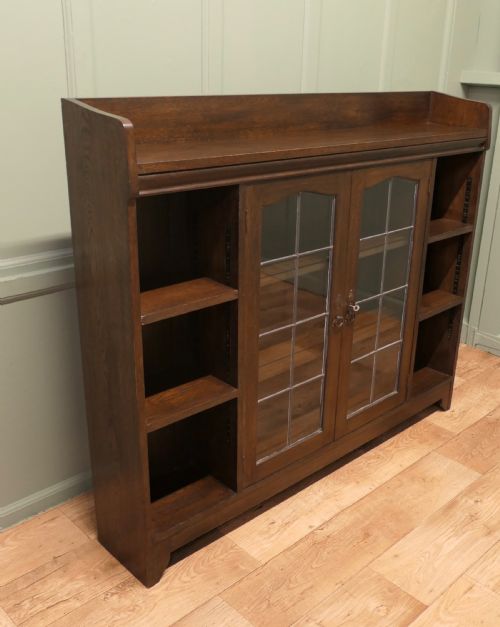
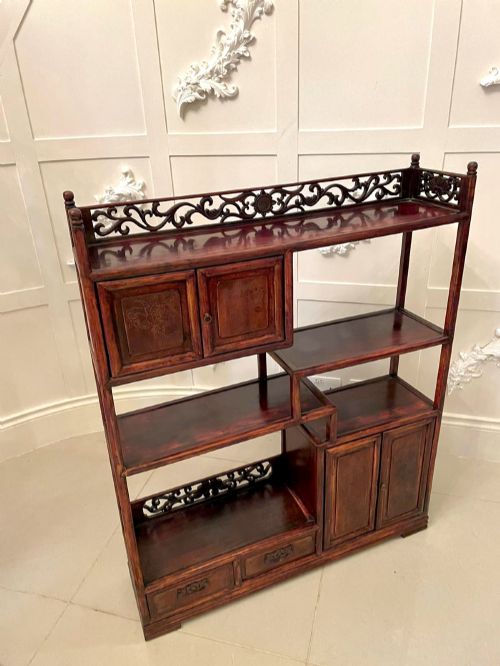
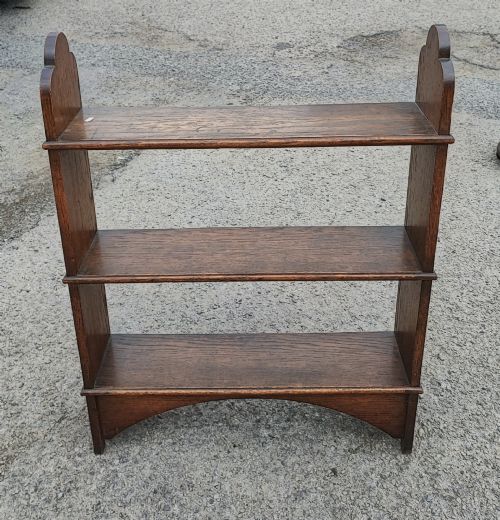
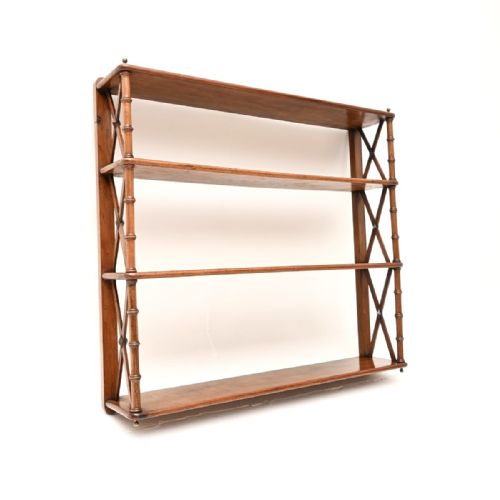
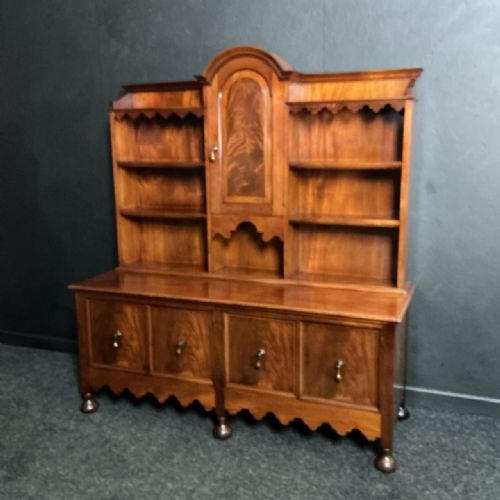
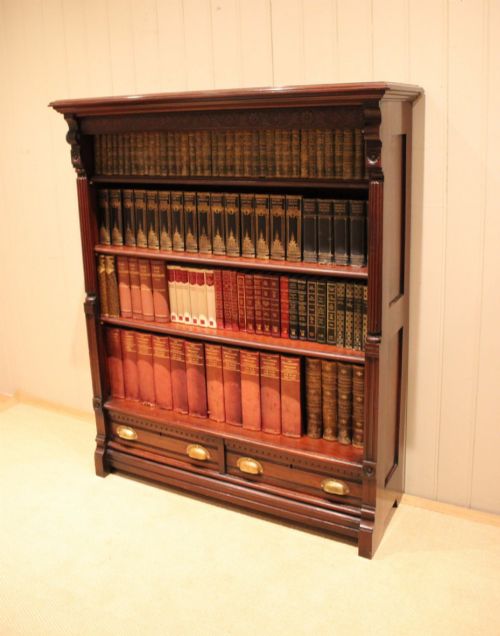
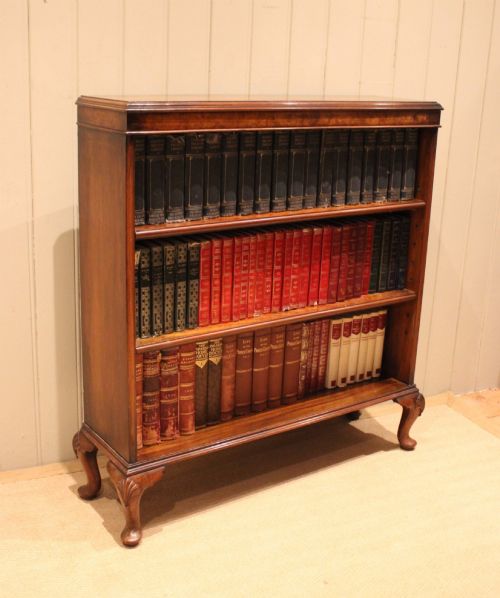
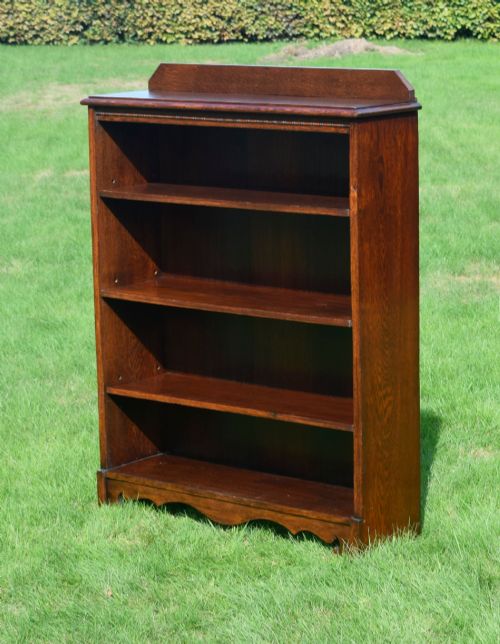
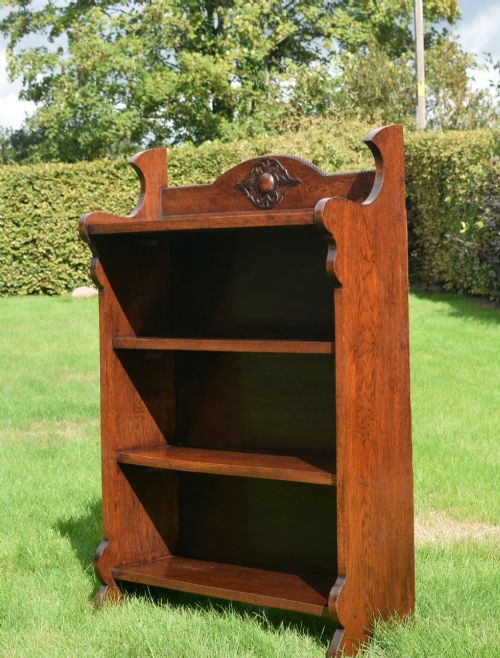
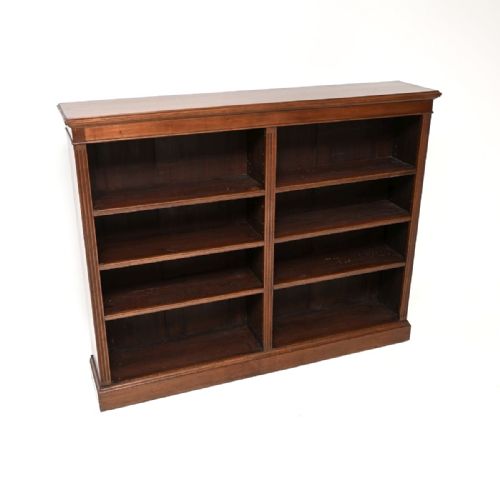
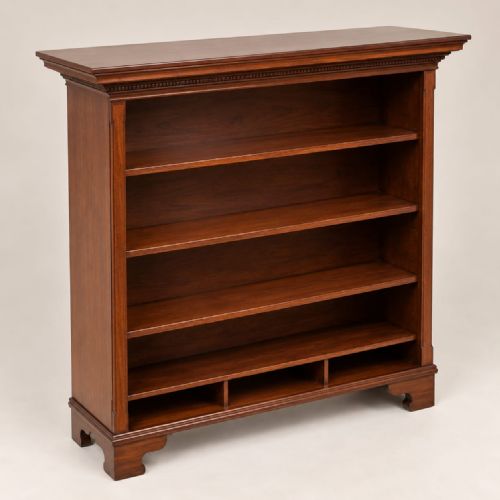
A vintage open shelf functions primarily as a bookcase, wall shelf, dresser, whatnot, or corner shelf designed to keep volumes and decorative items visible and within reach. These pieces span periods from the Regency and Victorian eras through the Edwardian years and into the 1920s, 1930s, and broader 19th and 20th centuries.
The selections encountered on this page most frequently take the form of open bookcases and multi-tiered shelving units. Makers and manufacturers of these earlier eras utilised solid timbers and clever configurations to maximise utility in domestic spaces.
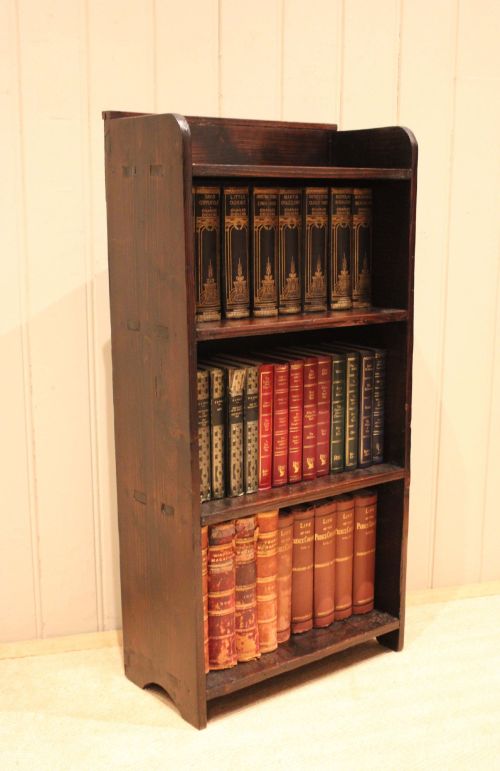
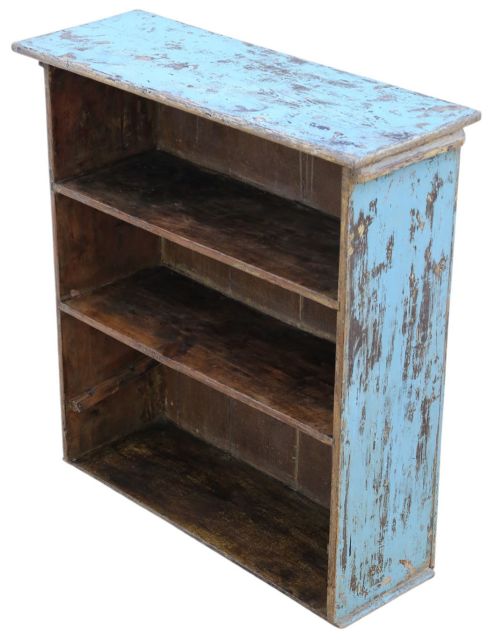
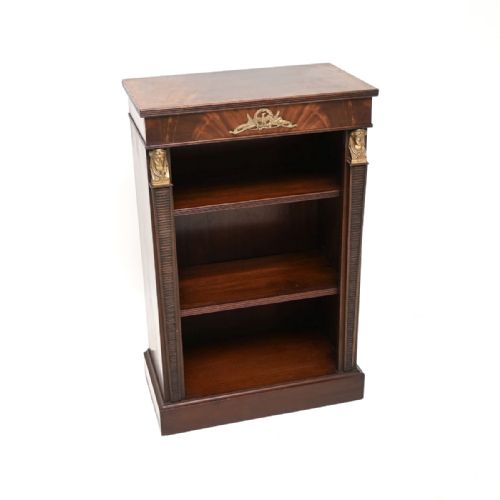
Buyers selecting a vintage open shelf will find examples reflecting distinct stylistic movements, including Arts and Crafts, Art Deco, Neoclassical Empire, and Rustic Country designs. Such variety ensures that whether the preference leans towards a grand mahogany display or a modest pine unit, an appropriate domestic solution exists.
How they were made
Craftsmen built these items predominantly using hardwoods and softwoods such as oak, mahogany, walnut, burr walnut, flame mahogany, ash, and pine. Structural stability often relied on traditional joinery methods suited to the weight of heavy volumes and tiered displays.
Surface treatments ranged from polished wood finishes displaying natural grain patterns to painted applications such as distressed blue. Decorative details like barley twist uprights, beaded edges, and architectural mouldings demonstrate the varied carpentry techniques of past centuries.
Some Victorian whatnots possess tiers so slender they seem designed purely to test the balance of your finest porcelain.
What varies in quality
The standard of a vintage open shelf depends heavily on the selection of timber and the sophistication of its construction. Pieces employing choice veneers like burr walnut or flame mahogany exhibit a greater depth of visual grain than plain utility items.
Refinement in proportion and decorative restraint distinguish finer examples from standard workshop output. Details such as adjustable shelving mechanisms and deliberate stylistic flourishes elevate certain items above basic utilitarian storage.
Heals
The Vintage Open Shelf Glossary
- What-Not
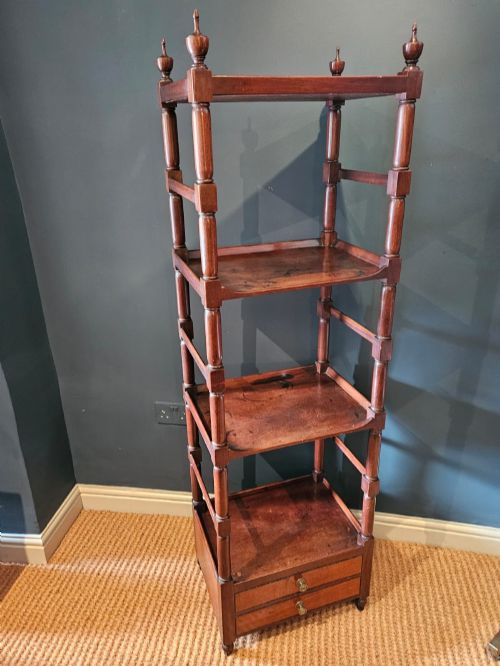
- A multi-tiered piece of furniture designed for displaying ornaments, books, or small possessions. These open stands often feature several stacked platforms supported by slender uprights.
- Waterfall Bookcase
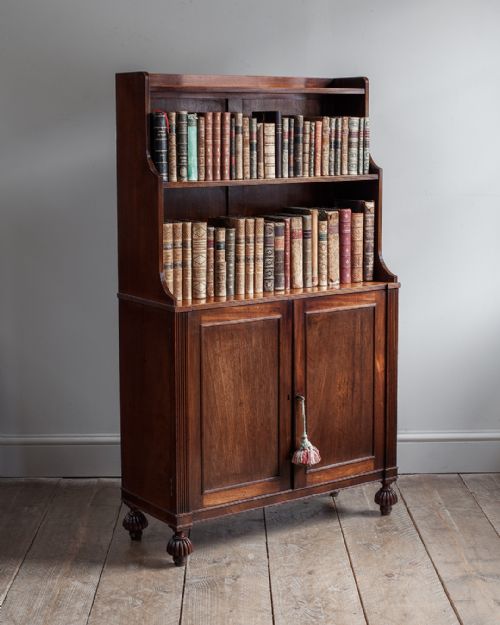
- A stepped shelving unit where each successive tier is shallower than the one beneath it, creating a cascading profile. This style gained popularity during the Regency period.
- Barley Twist
- A turned wood decoration resembling a spiral rope. Craftsmen utilised this technique on the structural legs and columns of Victorian stands and bookcases.
- Burr Walnut
- Timber taken from the warted excrescence of a walnut tree, highly prized for its swirling, intricate grain patterns. Cabinet makers applied it as a veneer on luxury furniture.
- Arts and Crafts
- A design movement prioritising traditional craftsmanship, visible construction, and simple forms over mass-produced ornamentation. Pieces from this aesthetic frequently feature plain oak.
Vintage Open Shelf: Frequently Asked Questions
What is a vintage open shelf used for?
These pieces provide accessible storage and display surfaces for books, ceramics, and personal ornaments within a living space.
Because the sides and fronts remain open, items stored on them are instantly visible and easy to retrieve during daily routines.
How do I style an open shelf?
Arranging items by height and grouping objects with complementary materials helps create a balanced visual composition.
Combining upright book collections with decorative objects prevents the shelves from looking cluttered or purely utilitarian.
Are antique open shelves sturdy?
Most examples constructed from solid hardwoods like oak and mahogany remain remarkably robust and capable of supporting heavy volumes.
Checking that joints are secure ensures the structure safely bears the weight of your book collection.
How do I identify the period of a bookcase?
Stylistic clues such as carved barley twists, architectural pediments, or minimalist geometric lines point towards specific historical design eras.
The choice of primary wood, whether flame mahogany, burr walnut, or rustic pine, also offers strong hints regarding the date of manufacture.