

Mirrored Victorian Shelf
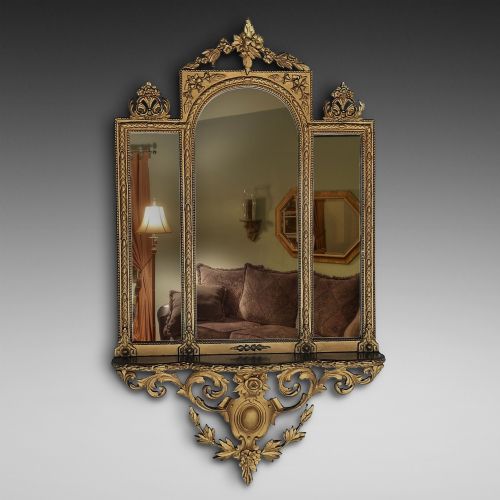
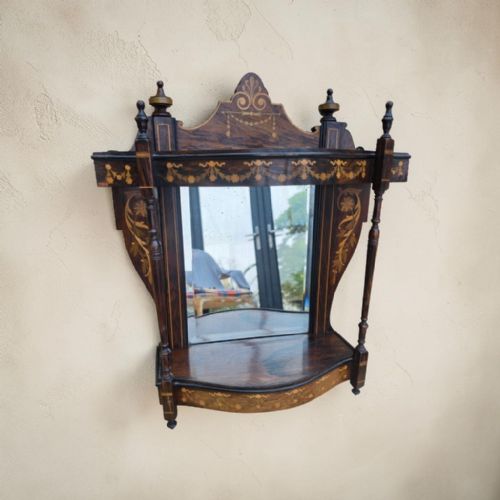
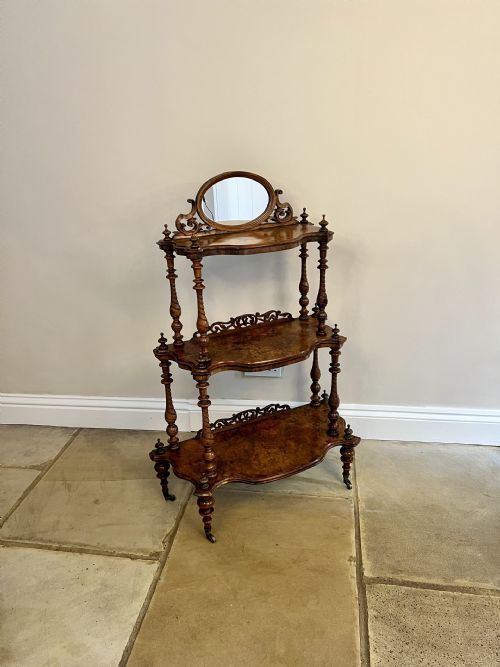
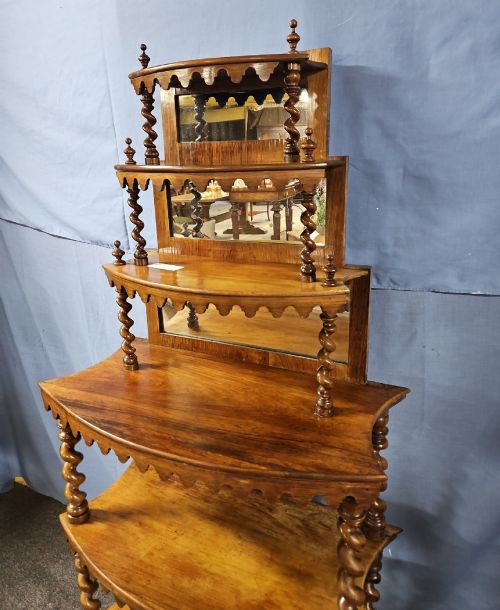
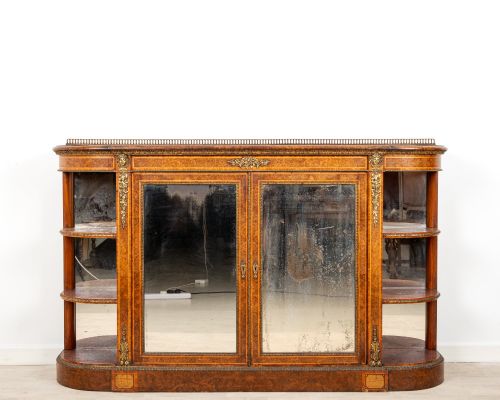
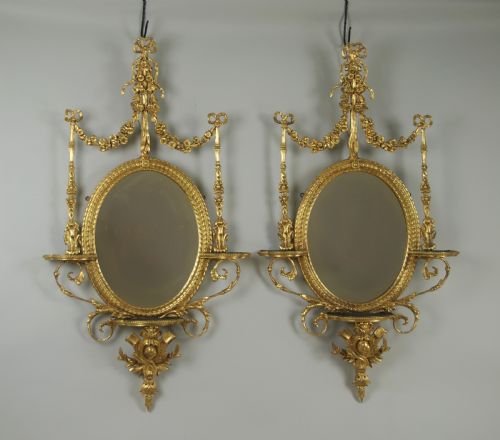
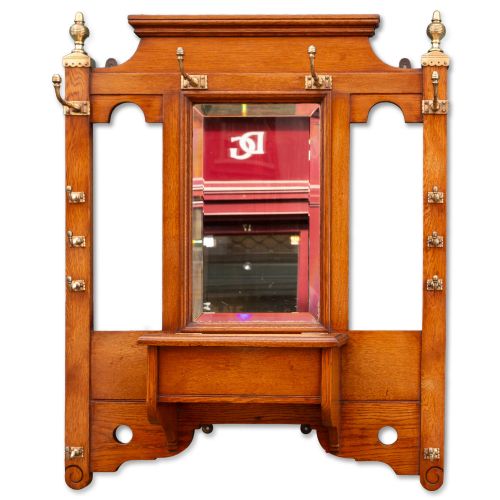
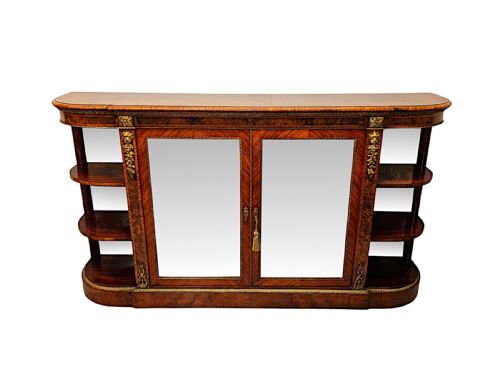
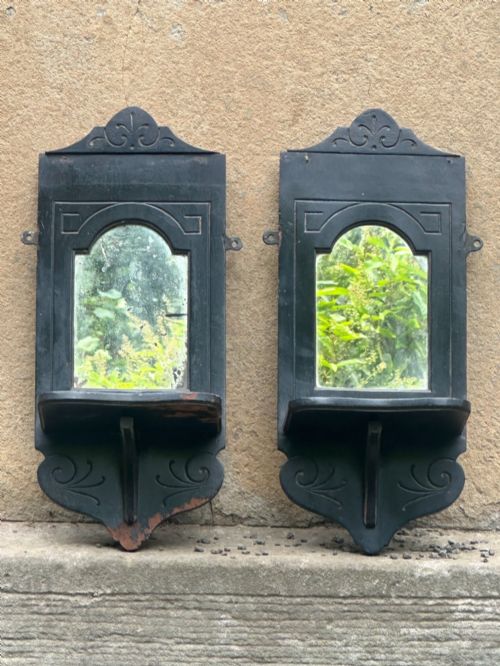
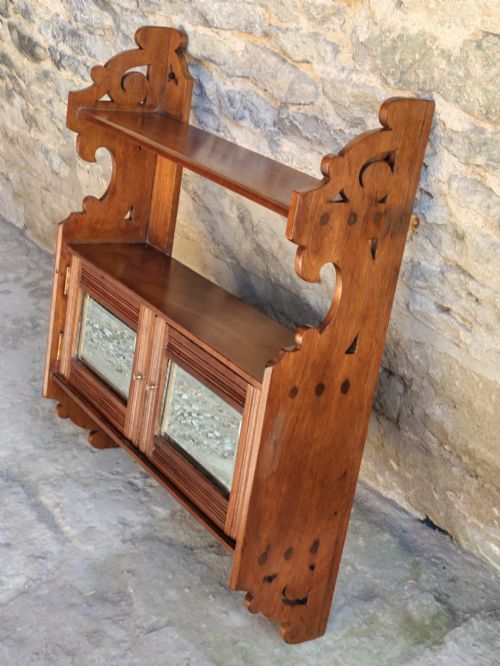
These mirrored victorian shelf pieces combine reflective glass with practical tiers, offering both light and display space for the home.
Mirrored Victorian Shelf
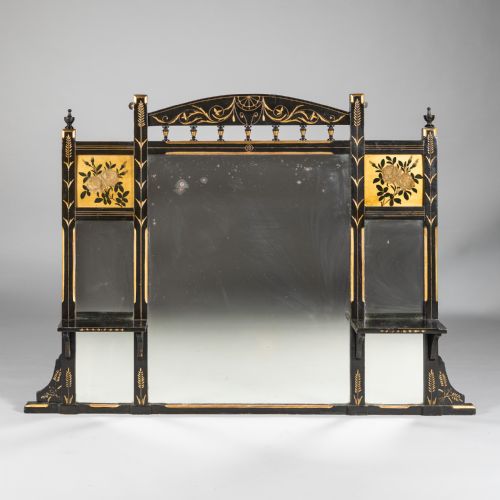
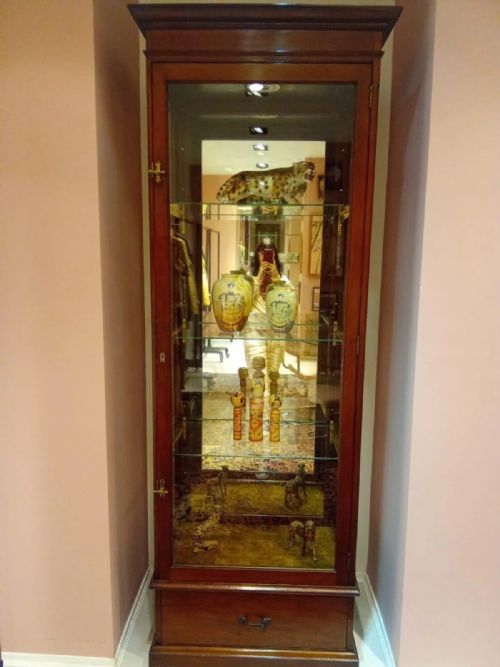
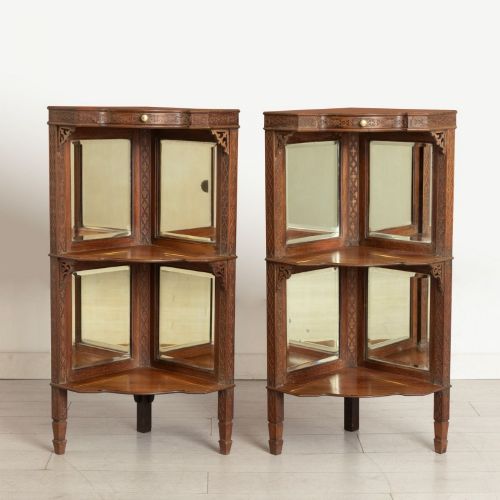
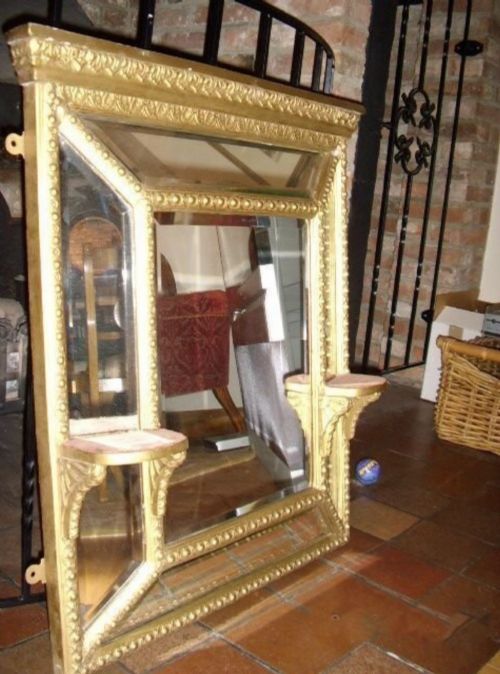
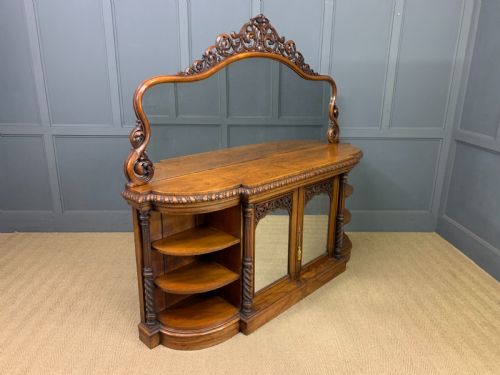
When you search for a mirrored victorian shelf, you encounter pieces designed to mount on walls or stand within nineteenth-century interiors. These items range from compact wall-mounted brackets and small ledges with glass to larger overmantel units and whatnots incorporating reflective plates.
The options span the Victorian era, the Aesthetic Movement, and Edwardian periods, utilising timbers such as walnut, mahogany, and rosewood alongside gilt frames and brass fittings. Buyers select these works to catch the light in smaller rooms while providing a designated surface for small ornaments.
Materials and construction methods
Cabinet makers utilised dense hardwoods like burr walnut, rosewood, and mahogany, frequently applying marquetry inlay and ormolu mounts. Ebonised finishes and parcel-gilt details appear alongside bamboo and oak in pieces influenced by the Aesthetic Movement.
Glass plates, sometimes bevel-cut, were fitted into rebated wooden frames or secured behind brass brackets and display ledges. Structural stability relied on traditional mortise and tenon joints, while backboards typically consisted of solid pine or oak planks.
Listings feature items from the 1850s through to the 1920s, constructed in walnut, mahogany, rosewood, and oak.
Factors determining quality
The distinction between ordinary production and superior work rests on the choice of timber veneer and the precision of the inlay. Burr walnut and figured rosewood with crisp, hand-cut brass or boxwood stringing indicate higher workshops.
Joinery execution and the originality of the mirror glass dictate overall worth. Examples retaining their original bevelled glass plates, stable bracket supports, and intact Ormolu mounts demonstrate superior cabinet-making standards.
Gillows·Edwards & Roberts·Cottier & Co·Liberty & Co·John Stow Ltd
The Mirrored Victorian Shelf Glossary
- Overmantel mirror
- A large glass panel designed to hang above a fireplace mantelpiece, frequently incorporating small display shelves.
- Whatnot
- A freestanding piece of furniture consisting of several open shelves for displaying ornaments, sometimes combined with a mirror or small drawer.
- Credenza
- A low sideboard or cabinet, frequently featuring mirrored doors and ormolu mounts, common in Victorian reception rooms.
- Girandole
- A branched wall-mounted candleholder or light fixture incorporating a mirrored backplate to reflect illumination.
- Parcel-gilt
- A decorative technique where only specific portions of a wooden or ebonised frame receive a thin layer of gold leaf.
Mirrored Victorian Shelf: Frequently Asked Questions
Where should I hang a mirrored shelf?
These pieces suit entrance halls, drawing rooms, or above bedroom mantelpieces where they bounce natural light around the space.
Ensure the wall construction supports the combined weight of the timber frame and glass before mounting.
How do I clean the mirror plate?
Wipe the glass gently with a soft cloth dampened in distilled water or mild vinegar solution, avoiding harsh ammonia-based cleaners.
Take care to prevent liquid from seeping behind the silvering at the edges of nineteenth-century glass plates.
Can these shelves hold heavy items?
Most of these designs serve primarily for light decorative objects, small ceramics, or pocket watches rather than heavy books.
Check the fixing points and bracket construction underneath to gauge the weight capacity of each individual piece.
How do I distinguish Victorian from Edwardian styles?
Victorian examples frequently showcase heavier timbers like burr walnut and rosewood, often accompanied by elaborate ormolu mounts and deep carving.
Edwardian alternatives tend toward lighter oak, simpler satinwood inlay, or painted finishes reflecting changing interior tastes.