



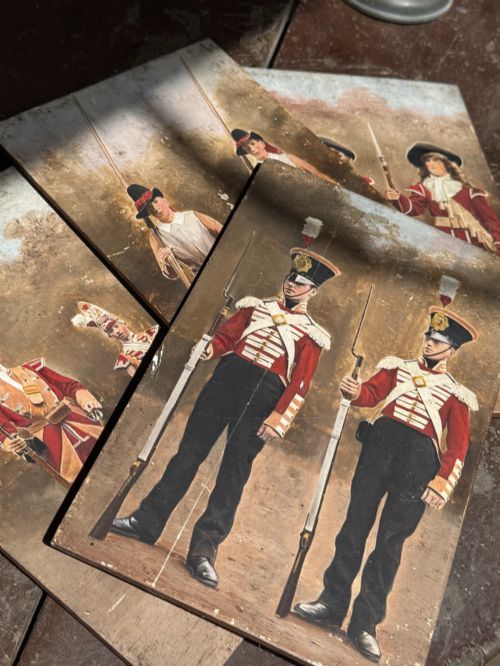
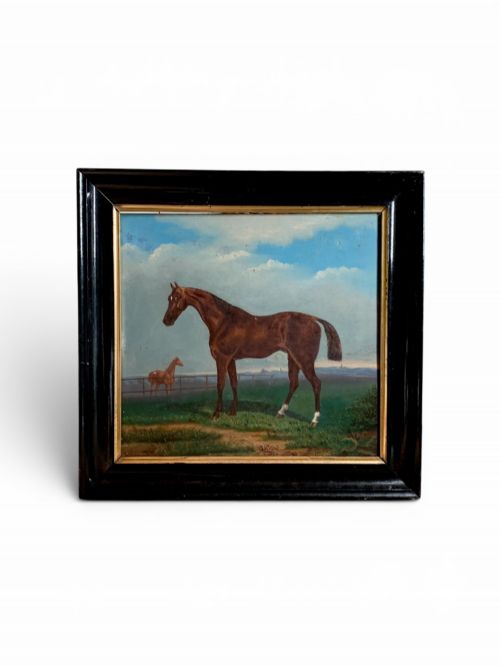
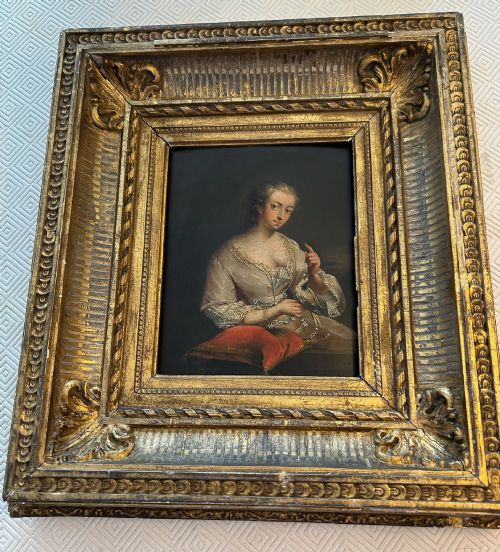
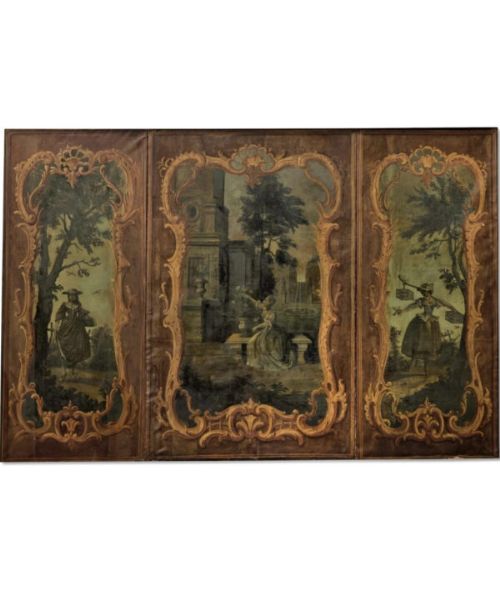

Vintage Oil Painting Panel
A vintage oil painting panel offers direct contact with the artist's hand through pigment applied to a rigid wooden support.
Vintage Oil Painting Panel
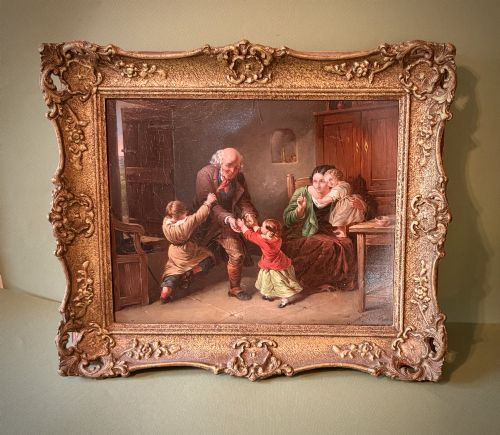
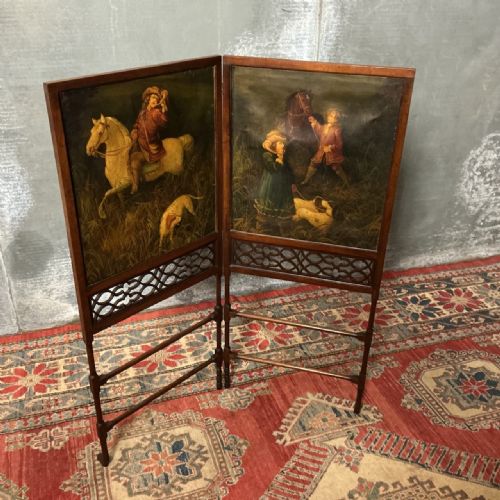
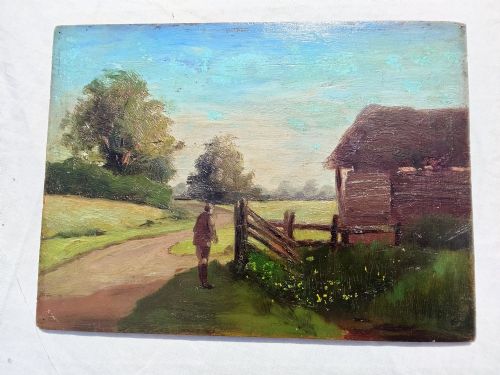
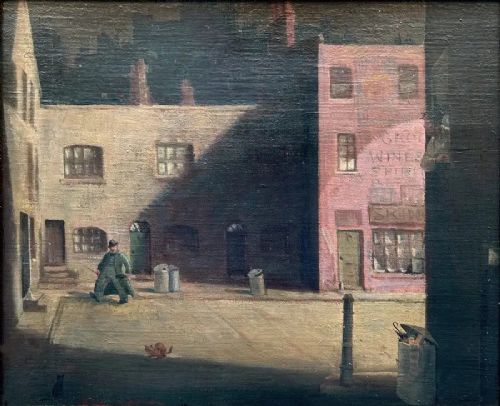
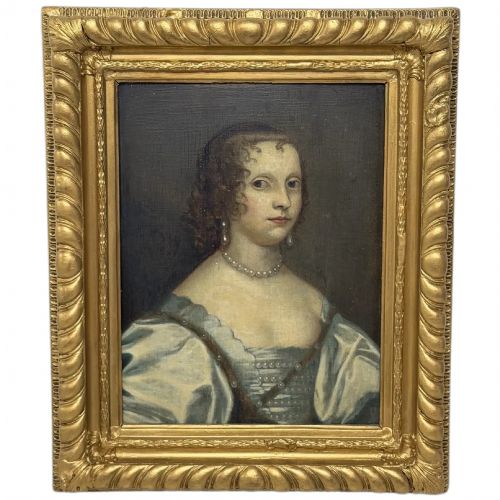
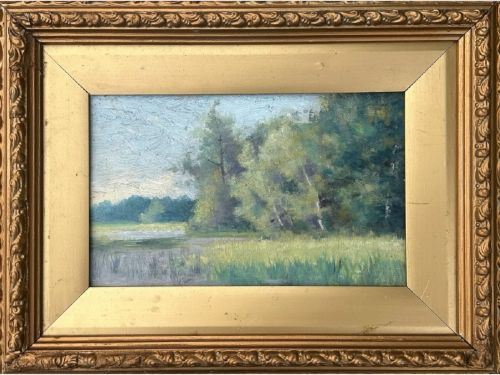
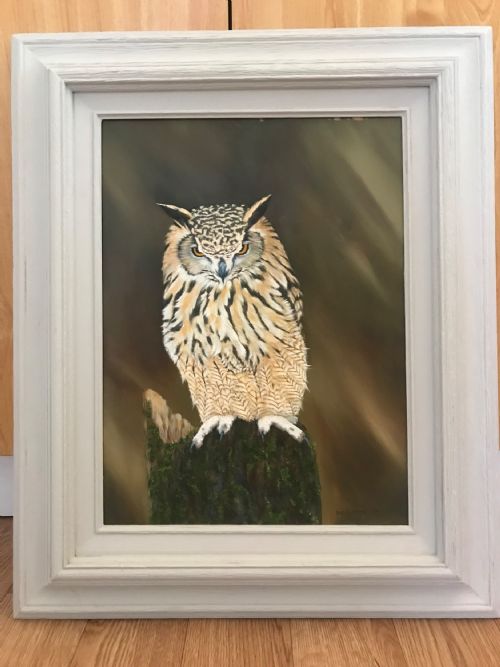
A vintage oil painting panel brings together works executed on rigid supports such as wood, oak, pine, and board rather than flexible canvas. When searching for a vintage oil painting panel, collectors encounter landscape, portrait, and still life subjects spanning the nineteenth century through the mid-twentieth century.
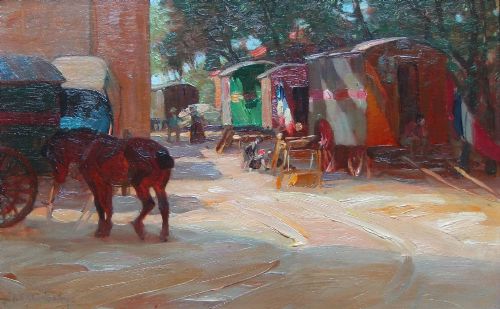
The selection here encompasses British, French, Italian, and Dutch schools, showcasing methods ranging from Impressionism to naive portraiture. Works include smaller scale studies alongside detailed interior scenes and coastal views executed directly onto prepared wood.
Wooden supports provide a stable ground that prevents the cracking often found on older woven textiles. This format appeals to buyers seeking intimate compositions with considerable longevity and distinct historical character.
How they were made
Makers applied oil paint directly to prepared wooden boards, oak panels, or pine supports, utilising the rigid ground to build up thick impasto or smooth glazes. The natural grain of the wood often interacts with the pigment, providing subtle texture beneath the brushwork.
Frames selected for these works range from solid period wood mouldings to ornate gilt constructions designed to protect the edges of the panel. Artists relied on seasoned timber to prevent warping, preparing the surface with gesso or priming layers before beginning the composition.
Listings feature works created across the eighteenth, nineteenth, and twentieth centuries, utilising oil paint applied to wood panels, canvas, and board.
What varies in quality
The distinction between ordinary and exceptional works rests on the confidence of the brushwork and the preservation of the pigment layer. Superior examples display assured handling of light and shadow, with stable wood supports showing minimal distortion over time.
Depth of composition and clarity of provenance elevate certain pieces, distinguishing rapid outdoor sketches from finished cabinet paintings. The harmony between the painted surface and the original frame further defines the standing of individual works.
Tom Campbell·Francisco Sancha·Maud Raphael Jones·Paul Ehrenberg·Florence Adelina Hess·Paul Élie Gernez·Edouard Julien·Fernando Del Basso·William Williams·Alfred John Bouchette·Quirijn Van Brekelenkamp·Hans Temple·Kershaw Schofield·Théophile Emmanuel Duverger·William Maxwell Reekie·Lewis Creighton·Owen Bowen
The Vintage Oil Painting Panel Glossary
- Panel
- A rigid flat support made of wood, board, or metal used as an alternative to canvas for painting. Oak, pine, and mahogany were frequent choices for durability.
- Impasto
- Paint applied thickly to a surface, leaving visible brush or palette knife marks that stand out from the plane. This technique adds tactile dimension to the composition.
- Grisaille
- A painting executed entirely in shades of grey or neutral monochrome, often used to simulate sculpture or as an underpainting for coloured glazes.
- Triptych
- A work divided into three sections or three carved panels hinged together or displayed side by side as a single unified composition.
- Provenance
- The chronological history of the ownership of a work of art, establishing its authenticity and previous collections.
Vintage Oil Painting Panel: Frequently Asked Questions
How do I clean a wood panel painting?
Surface dust should be removed gently with a soft, dry natural bristle brush without applying pressure to the pigment.
Water and household detergents must be avoided entirely, as moisture penetrates unsealed wood and damages older oil layers.
Why did artists paint on wood?
Rigid wooden boards offered a stable, durable surface that required less preparation than stretched canvas and resisted punctures.
Panels allowed for smoother detail work and remained popular for smaller cabinet paintings throughout centuries of European art.
How do I identify the wood type?
Inspection of the reverse side often reveals grain patterns, tool marks, or joins characteristic of oak, pine, or mahogany supports.
Older panels frequently show hand-planed textures or historical bevels along the edges that indicate the method of preparation.
Where should I hang these paintings?
Display locations should maintain stable humidity and temperature away from direct sunlight and heat sources to protect the timber.
Kitchens and damp environments cause wood to expand and contract, which places stress on the brittle oil paint layers.