
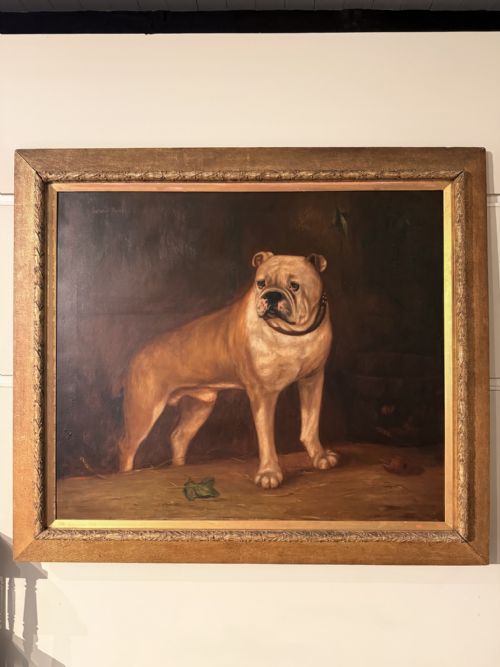

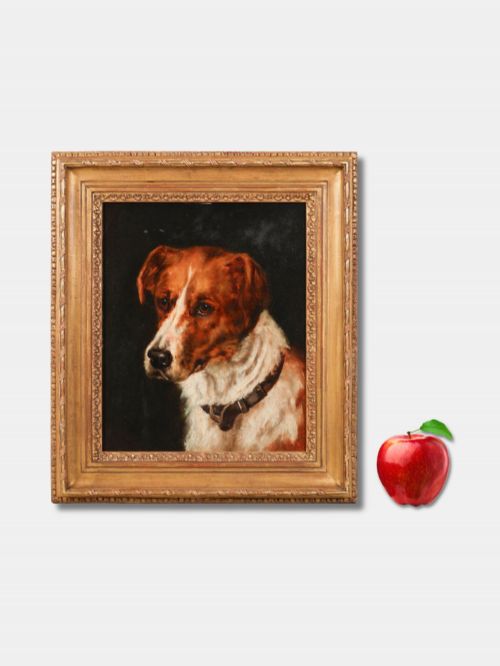


Vintage Oil Artwork Dog
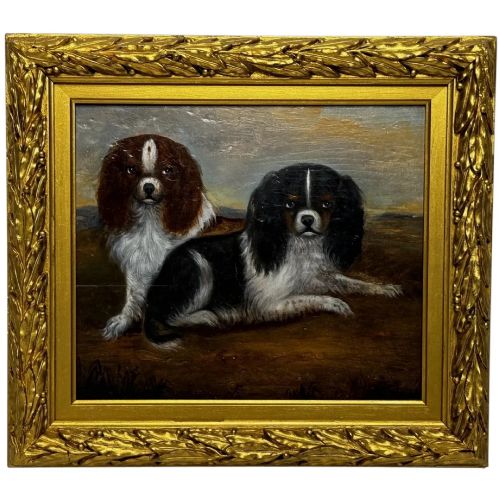
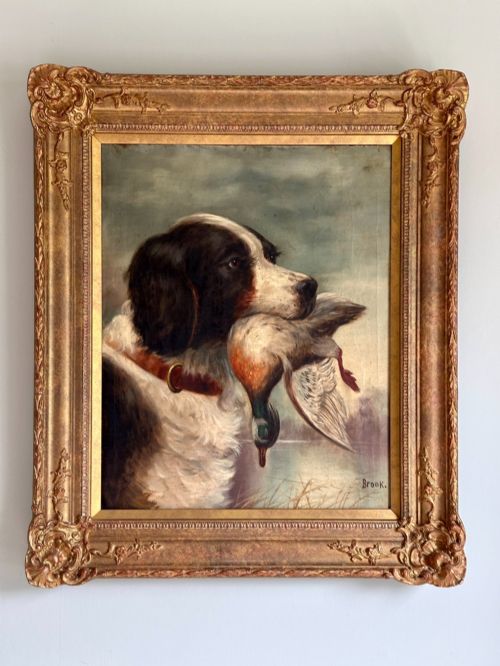
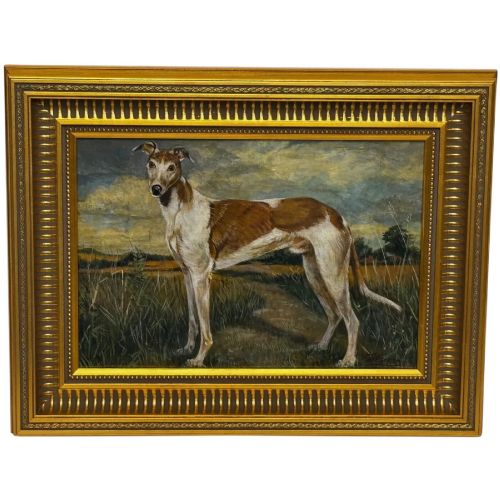
These vintage oil artwork dog pieces capture canine subjects in oils from the nineteenth and twentieth centuries.
Vintage Oil Artwork Dog
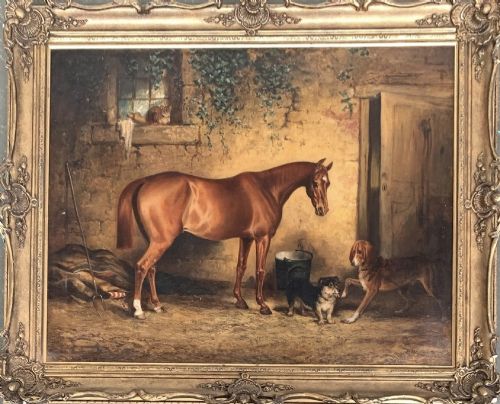
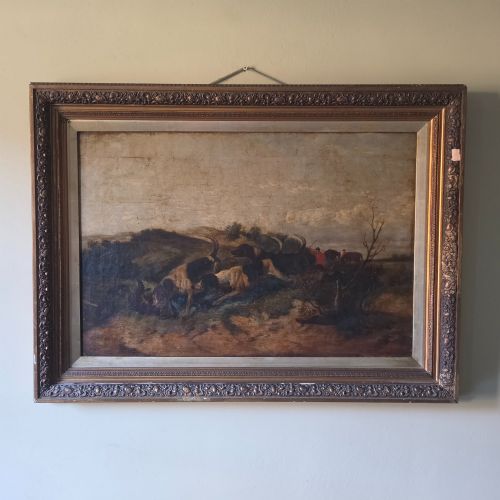
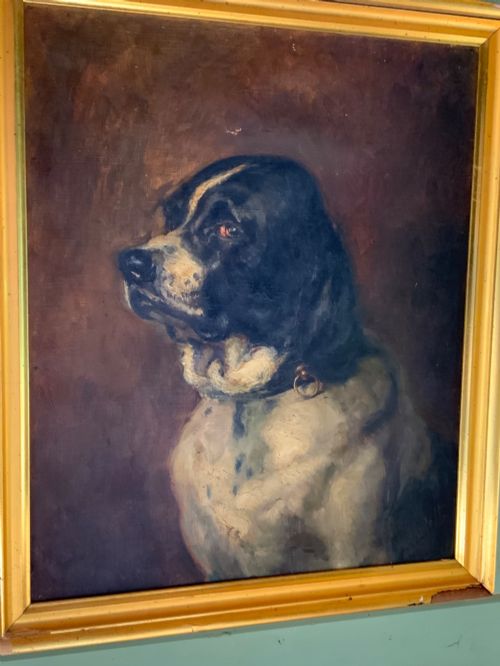
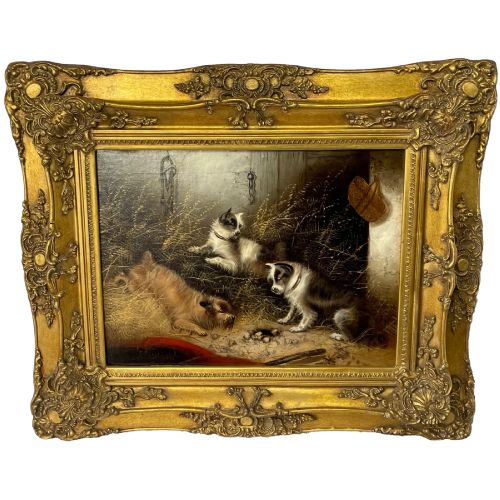
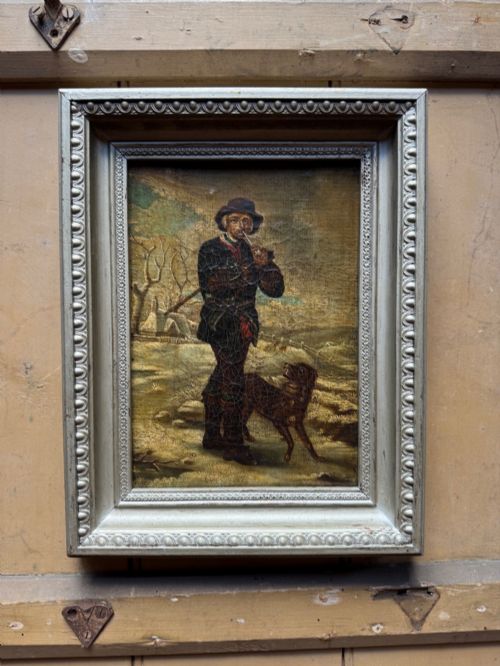
A vintage oil artwork dog brings painted canine portraits and sporting scenes into domestic spaces. These works range from intimate studies of terriers and spaniels to grand equestrian and hunting compositions.
Buyers encounter Victorian and Edwardian portrayals alongside mid-century interpretations. The subjects appear either as solitary companions or within landscapes, farmyards and interiors.
Works originate from British, French and American schools, spanning the 1880s through to the 1950s. Canvases and wooden panels constitute the primary supports for these painted animals.
Materials and Techniques
Artists applied oil paint using brushes and palette knives onto prepared supports such as canvas or wood panel. Many of these historical works retain their original gilt or wood frames.
Pigments were layered to build depth in the fur, eyes and surrounding backgrounds. Ground layers and varnishes protect the underlying paint over decades of display.
Several canvases capture dogs actively interrupting farmyard rat hunts or peering out from surprisingly formal courtyard settings.
Distinctions in Quality
Quality rests in the anatomical accuracy of the animal and the expressiveness of its gaze. Skilled artists render bone structure and coat texture with convincing realism.
Compositional balance and the treatment of light distinguish accomplished paintings from standard decorative works. Period frames suited to the era of the painting further elevate the piece.
Henry Barraud·John Emms·Thomas Hicks·William Barraud·George E Sharpe·Sir Edwin Landseer·John Alfred Wheeler·J Cecil Bradshaw·Jules Chardigny·Henri Schouten·George Earl·Florence Mabel Hollams·James Ward
The Vintage Oil Artwork Dog Glossary
- Oil on Canvas
- A traditional painting technique utilising pigment suspended in drying oils applied to a woven fabric surface stretched over a wooden frame.
- Giltwood
- Wood carved and coated with gold leaf or a metallic finish, commonly used for historical picture frames.
- Sporting Art
- A genre of painting depicting field sports, horses, hounds and working dogs in rural or landscape settings.
- Realism
- An artistic movement focused on depicting subjects truthfully without idealisation, prominent in nineteenth-century animal portraiture.
Vintage Oil Artwork Dog: Frequently Asked Questions
How do I hang a heavy oil painting safely?
Secure the frame using appropriate wall anchors matched to the weight of the canvas and wood support. Professional picture hooks distribute the load evenly.
Position the work away from direct sunlight and heat sources to protect the oil paint and canvas from environmental stress.
What periods do these dog paintings cover?
The selections span from the nineteenth century through the Edwardian era and into the mid-twentieth century. Victorian examples frequently feature sporting or working breeds in traditional settings.
Later pieces from the 1940s and 1950s reflect shifting domestic attitudes towards pet ownership and portraiture.
How should I clean a vintage oil painting?
Dust the surface gently with a soft, dry brush to remove loose particles. Avoid using water or liquid solvents on the paint layer.
Professional conservators should handle deeper cleaning or varnish removal to prevent damage to the original pigments.
Are these paintings executed on canvas or board?
Artists utilised both stretched canvas and rigid wood panels as supports for their oil paints. Canvas pieces often exhibit traditional woven textures behind the ground layer.
Board and panel supports provide a solid foundation, common in smaller scale animal studies.