


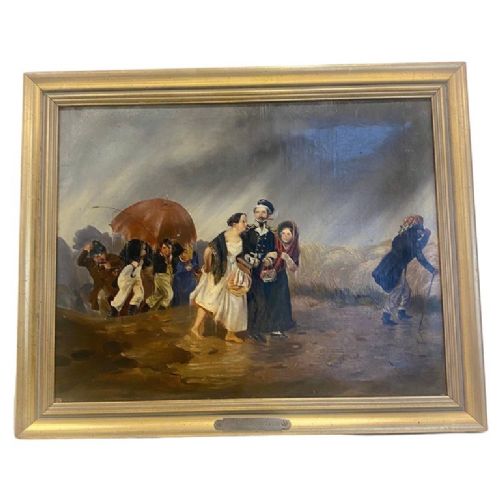


European Genre Scene Oil
These european genre scene oil paintings capture everyday domestic life and interiors across the nineteenth century.
European Genre Scene Oil
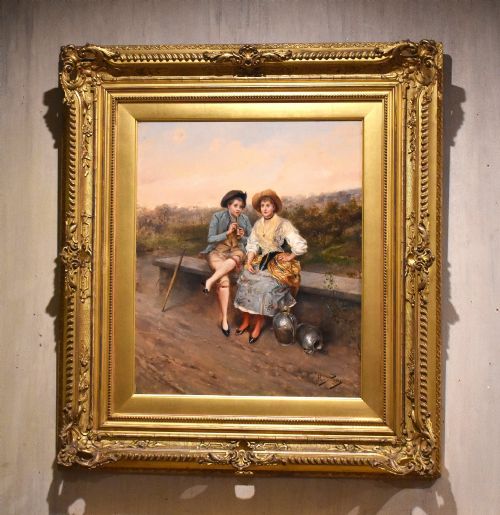
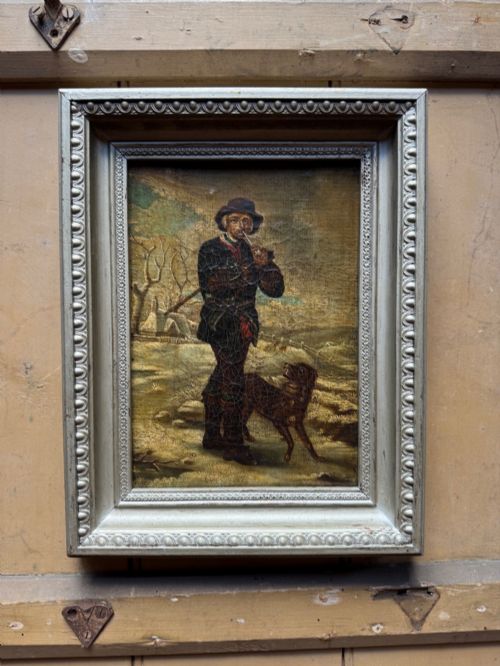
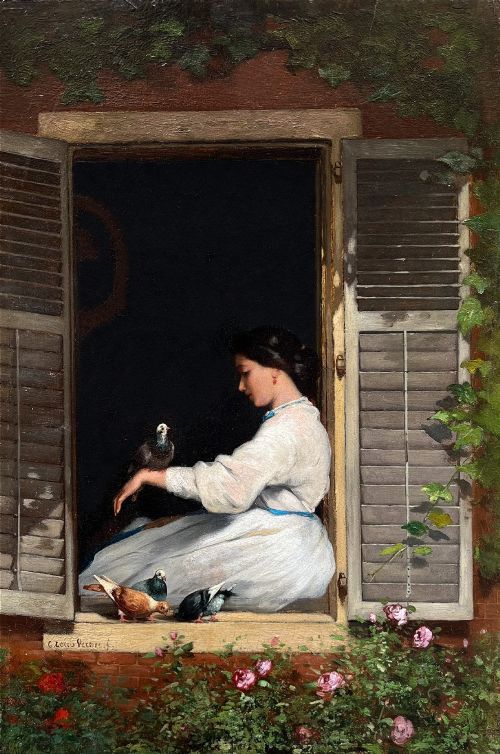
A european genre scene oil depicts daily activities, domestic moments, and figures such as peasants, children, or women working indoors. The selections on this page span the nineteenth century, including specific dates from eighteen sixty to eighteen eighty, alongside Victorian and nineteen thirty examples.
Most compositions utilise oil on canvas or oil on board, housed within gilt wood frames featuring gesso and gold leaf. The object types range from single fine art paintings and wall art to matched pairs of framed paintings.
The styles recorded across these works include nineteenth century realism, genre realism, academic painting, and continental European school traditions. Buyers frequently encounter framed peasant scenes, interior domestic studies, and landscape oils with figures.
How they were made
Painters applied oil paint onto prepared canvas, wooden board, or tin supports to build up layered domestic compositions. These panels and canvases required careful preparation with gesso before the artist executed the fine brushwork.
The finished artworks were typically housed within wooden frames embellished with gesso and gold leaf gilding. This traditional framing method protected the edges of the canvas or board while providing a decorative border for wall display.
The listings on this site encompass nineteenth century and Victorian periods, utilising oil paint, gold leaf, and gesso on wood, canvas, and board.
What varies in quality
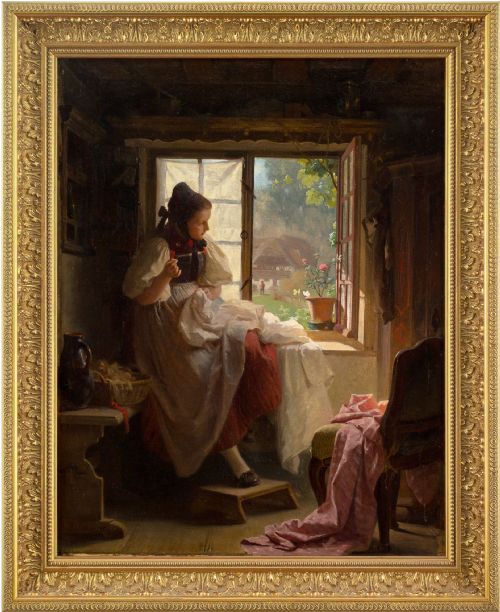
The refinement of the brushwork and the expressive detail in the figures separate standard decorative works from more accomplished academic paintings. Masterly handling of light through windows and interior shadows elevates the depth of a genre scene.
The preservation of the original oil paint layer and the integrity of the gilt wood frame influence the overall character of the piece. Works retaining their nineteenth century frames demonstrate greater historical completeness.
Max Kaltenmoser·Louis Charles Verwee·R. Palnay·Joseph Emmanuel Weiser·Wilhelm Alexander Meyerheim
The European Genre Scene Oil Glossary
- Genre painting
- A depiction of aspects of everyday life by portraying ordinary people engaged in common activities. These works focus on domestic interiors, street scenes, and rural labour rather than historical or mythological subjects.
- Oil on board
- A painting executed upon a rigid wooden or composition panel rather than a flexible woven canvas. This surface type provides a completely stable support for detailed nineteenth century brushwork.
- Gesso
- A plaster-like mixture applied to wooden panels, canvas frames, or mouldings to create a smooth surface for painting or gilding. It forms the base layer beneath gold leaf on traditional frames.
- Continental
- A term used to describe fine art originating from mainland Europe rather than Britain. It groups together various nineteenth century schools such as German and other continental traditions.
- Academic painting
- Art produced under the influence of European academies of art, following strict standards of composition and finish. These works display formal technical precision and detailed realism.
European Genre Scene Oil: Frequently Asked Questions
What is a genre scene?
A genre scene depicts everyday life, ordinary people, and domestic interiors rather than formal portraits or grand historical events. These paintings capture relatable moments such as sewing, walking in the rain, or social gatherings.
Such works were immensely popular throughout the nineteenth century across various European schools. They offer a direct window into the domestic habits and clothing of past centuries.
How do I identify the period?
Periods are identified through clothing styles, framing techniques, and the artist's specific stylistic approach to nineteenth century realism. Many pieces carry explicit dates within their titles or signatures from the eighteen sixties and eighties.
Additional dating clues come from the physical support, such as oil on board or canvas, and the composition of the gesso frame. Victorian examples often share distinct decorative traits with continental works of the same decade.
Are these paintings supplied framed?
The majority of these works come within their period frames, frequently constructed from wood with gesso and gold leaf finish. These frames are integral to the presentation and historical context of nineteenth century wall art.
Buyers should examine the listing details to confirm whether a specific piece includes its original gilt wood frame or an alternative setting.
What subjects are most common?
Peasant scenes, domestic interiors, and figures engaged in quiet indoor tasks appear frequently across these continental and British works. Common motifs include women sewing by windows, children, and travellers in various weather conditions.
These narrative subjects were favored by academic and realist painters who sought to record authentic moments of daily life with technical precision.