




Vintage Octagonal Coffee Table
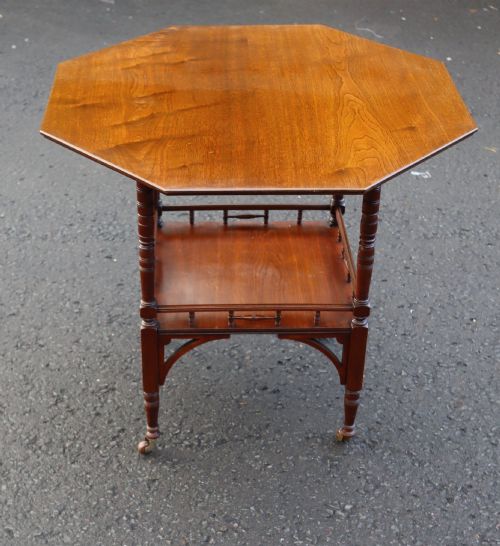
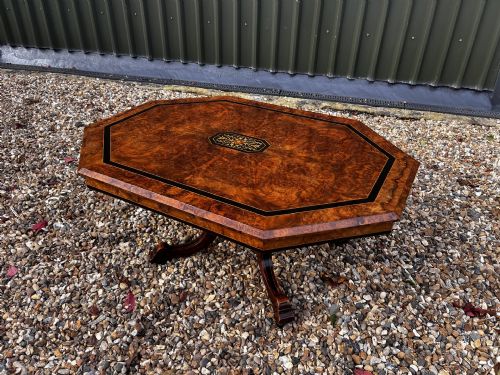
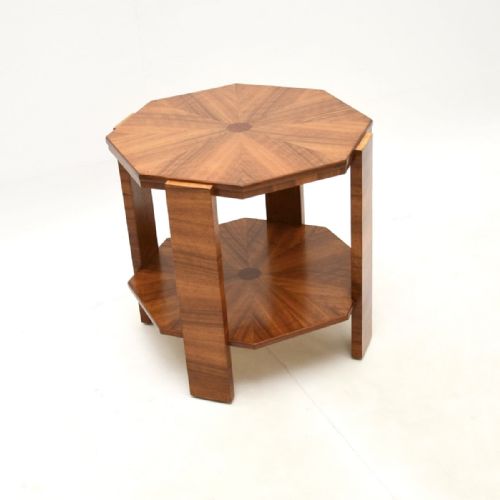
A vintage octagonal coffee table anchors a room with eight-sided geometry, bringing rich walnut, inlaid brass, and carved hardwood surfaces to your seating area.
Vintage Octagonal Coffee Table
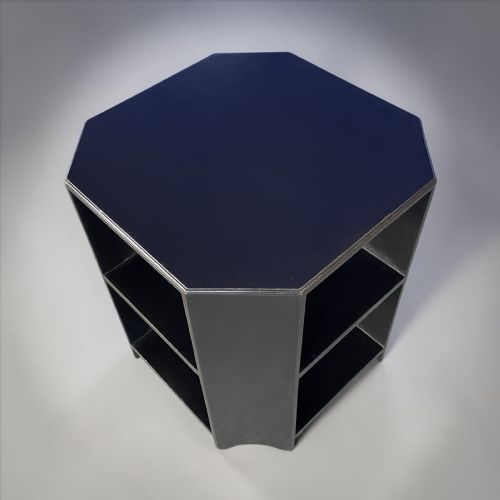
A vintage octagonal coffee table unites distinctive eight-sided surfaces with historical periods ranging from the nineteenth century through the Art Deco era. Buyers seeking this form encounter low tables, side pieces, and occasional tables designed for practical placement beside seating.
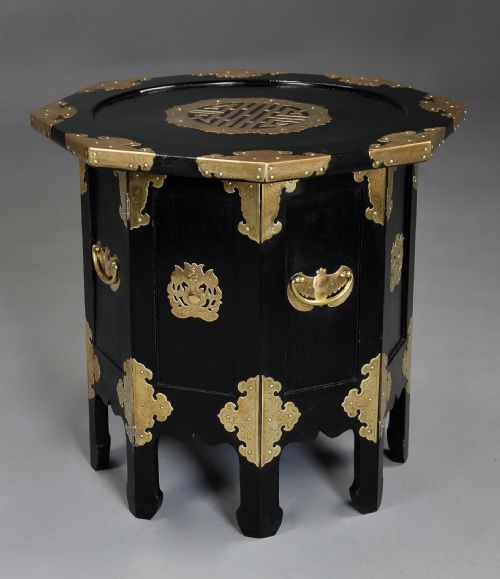
The selections span diverse geographical traditions, featuring Anglo-Indian, Moorish Revival, and Chinoiserie aesthetics alongside European oak and walnut creations. Many examples function as multi-tiered book tables, nesting sets, or folding Damascus pieces suited to compact interiors.
How they were made
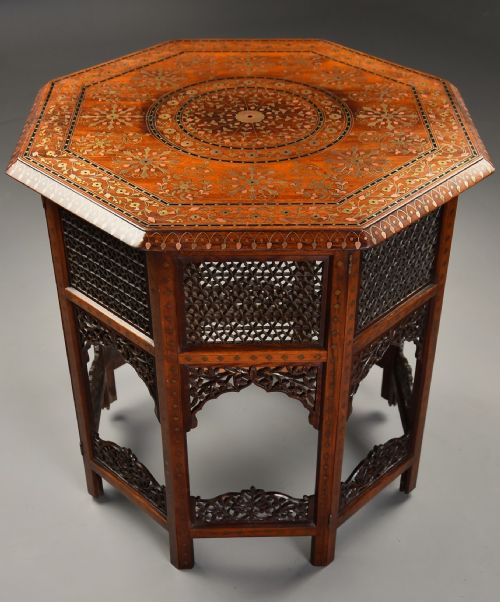
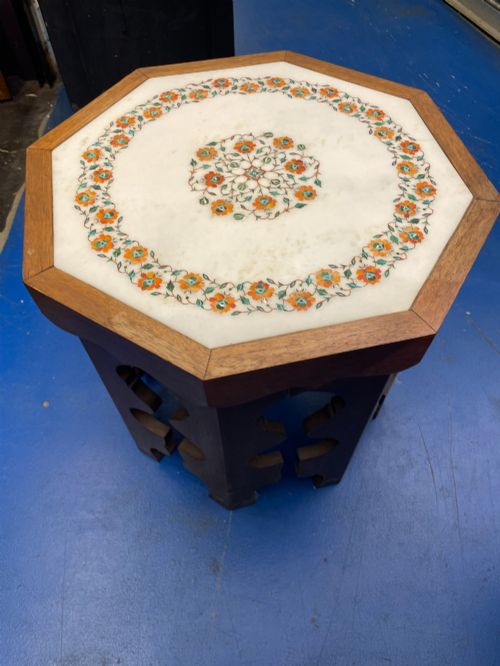
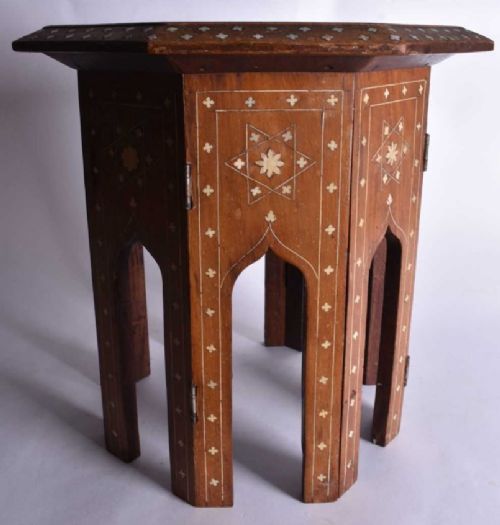
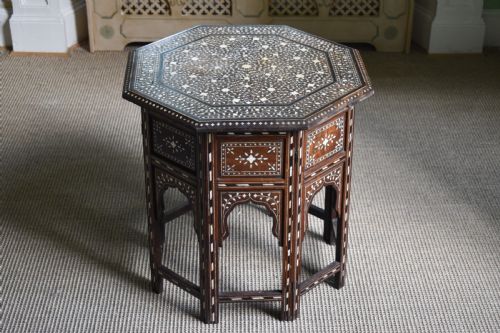
Craftsmen utilised solid hardwoods including oak, walnut, and teak, frequently applying ebonised finishes or burr walnut veneers to achieve striking surface patterns. Tables originating from Hoshiarpur and Kashmir incorporate intricate mother-of-pearl, bone, and brass wire inlays set directly into the wood.
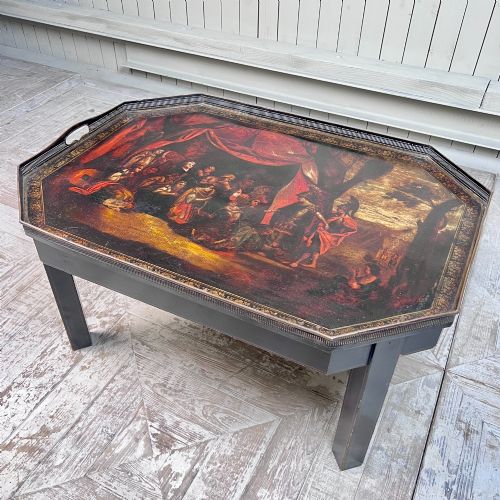
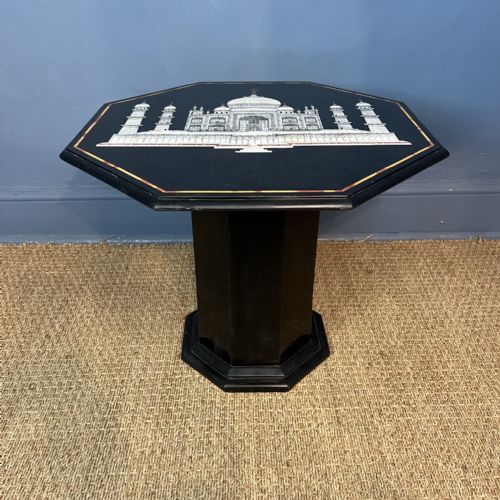
Alternative constructions employ copper tops, marble surfaces, and painted lacquer work, demonstrating regional specialisms from Italy to Burma. Folding frames and tiered book storage structures rely on precise joinery to support the heavier stone or inlaid wooden tops.
Vintage Octagonal Coffee Table Retail Price Guide 2026
Typical asking prices for vintage octagonal coffee table among the pieces listed under this phrase on Sellingantiques today, from the lower quarter to the upper quarter. They describe what is for sale here now, not the wider market.
Listings feature walnut, oak, teak, and rosewood alongside ebonised wood and hard닼woods spanning the nineteenth and twentieth centuries.
What varies in quality
The integrity of the inlaid decoration distinguishes standard production from finer workmanship, particularly where brass, mother-of-pearl, and carved elements meet the base timber. Richness of grain in figured walnut and the depth of hand-carved relief work elevate specific examples.
Structural stability in folding mechanisms and tiered revolving book tables reflects the original joiner's skill. Preservation of delicate decorative surfaces, from Sorrento marquetry to Kashmiri walnut carving, dictates the standing of each piece.
The Vintage Octagonal Coffee Table Glossary
- Inlay
- A technique where pieces of contrasting materials such as brass, bone, or mother-of-pearl are inserted into depressions in the wood base to form decorative patterns. This method defines many tables from Hoshiarpur and Moorish traditions.
- Ebonised
- Wood treated with a chemical stain or dark finish to imitate the appearance of ebony. This dark surface frequently contrasts with inlaid metal wire or pale mother-of-pearl.
- Marquetry
- The art of applying pieces of veneer to a structure to form decorative patterns and pictures. It appears prominently on Italian Sorrento pieces.
- Occasional table
- A small, movable table designed for specific, intermittent use within a room rather than permanent placement. They appear frequently in Art Deco and Edwardian listings.
- Burr walnut
- Wood taken from the warted growth on a walnut tree, yielding highly figured and swirling grain patterns. Cabinetmakers utilised these veneers on top surfaces for dramatic visual effect.
Vintage Octagonal Coffee Table: Frequently Asked Questions
How do I style an octagonal table?
Place the eight-sided surface centrally before a sofa or low seating arrangement to allow equal access from multiple angles. The geometric shape contrasts effectively against rectangular rugs and linear upholstery.
Keep surface styling balanced by centring a single low object, such as a ceramic bowl or small lamp, leaving the decorative wood or inlay visible.
What periods do these tables represent?
The pieces span from the mid-nineteenth century through the Edwardian period and into the 1930s. Art Deco examples feature clean walnut veneers, whilst earlier Victorian pieces often showcase regional carving.
Enquiries into specific decades benefit from examining the hardware, construction methods, and prevailing decorative motifs recorded in the listing details.
Are these tables suitable for daily use?
Most sturdy oak, walnut, and hardwood variants handle everyday placement for books and cups. Tables featuring delicate mother-of-pearl inlay or marble tops require coasters and careful placement.
Reviewing the listed materials helps determine whether a piece suits high-traffic family areas or quieter sitting rooms.
How do I identify regional inlay styles?
Hoshiarpur and Kashmiri pieces typically feature dense botanical or geometric wire and mother-of-pearl inlay across walnut or shesham wood. Moorish and Syrian examples often employ intricate geometric lattice patterns.
Italian Sorrento pieces utilise pictorial wood marquetry, whereas European Art Deco designs favour plain figured veneers without foreign inlay.