


Vintage Oak Student Bureau
These vintage oak student bureau pieces offer compact writing surfaces and neat storage, prized for small studies.
Vintage Oak Student Bureau
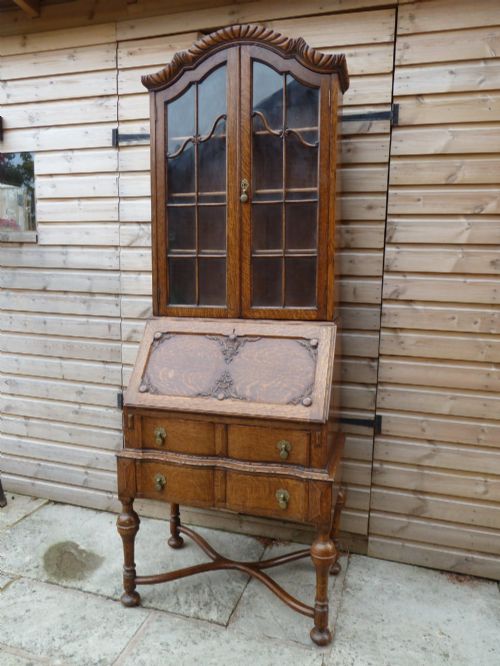
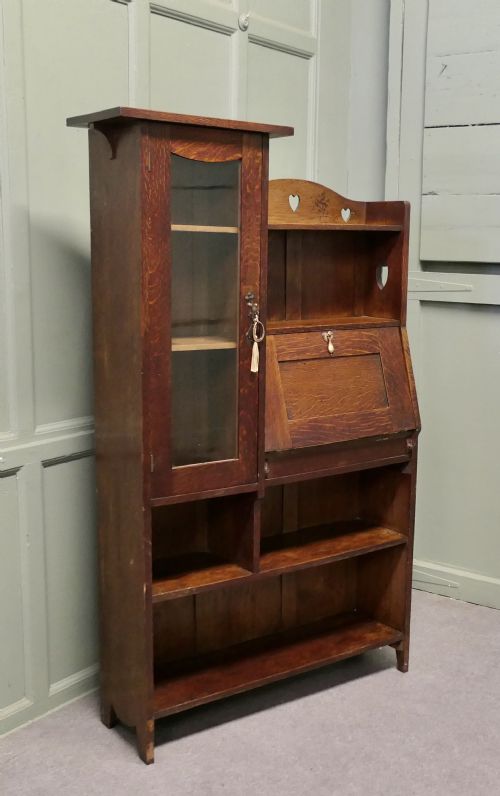
A vintage oak student bureau provides a compact writing desk combined with shelving or pigeonholes, designed for smaller rooms and studies. These pieces surface predominantly from the Victorian, Edwardian, and early twentieth-century periods.
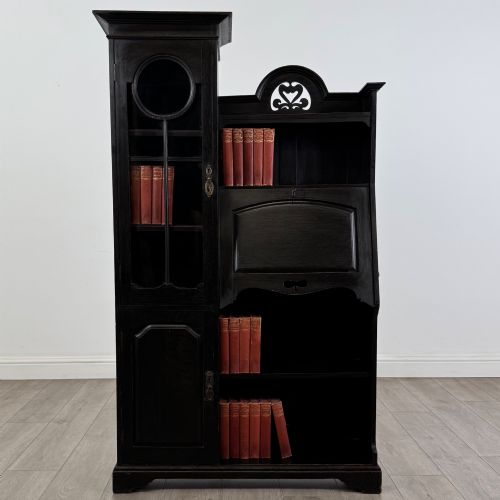
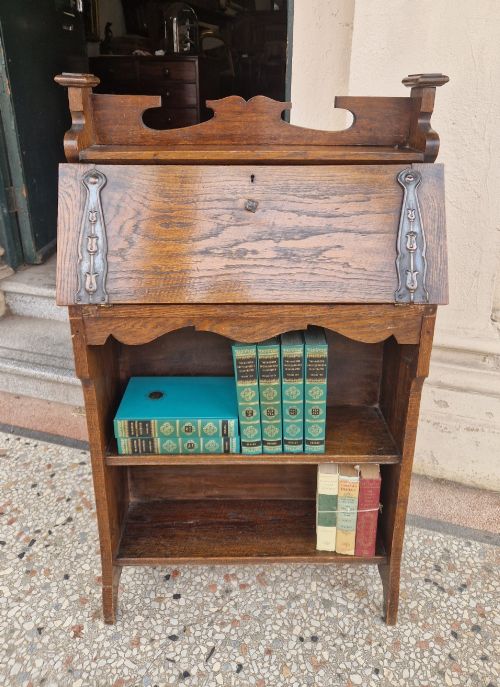
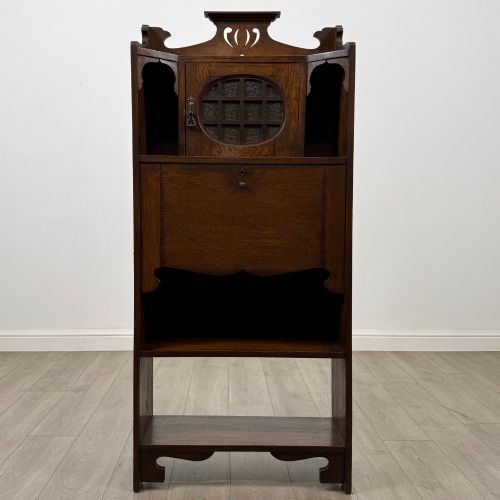
The forms span narrow writing desks, bureau bookcases, and compact drop-front writing bureaux. Makers utilised sturdy timber to create functional furniture suited for domestic use and study.
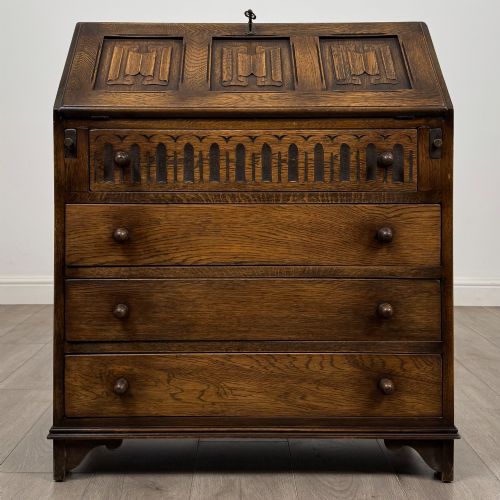
Buyers frequently encounter Edwardian examples alongside Arts and Crafts and Jacobean Revival interpretations. Each piece retains a practical fall-front flap that conceals internal compartments for stationery.
How they were made
Cabinet makers constructed these items primarily in solid oak, occasionally applying ebonised finishes or carved decorative details like linenfold panels. Timber selection prioritised durable grain patterns capable of enduring daily writing tasks.
Hardware elements such as brass handles and iron hinges secure drop-front lids and internal drawers. Glazed panels appear on bookcase variants, framed securely within the wooden structure.
Drop-front flaps hide secret compartments where students once hid inkwells and midnight correspondence from curious eyes.
What varies in quality
Construction methods determine the structural integrity of the fall-front hinge mechanism and the smoothness of interior drawer operation. Superior examples demonstrate tight joinery and carefully selected timber figures.
Decorative ambition separates standard items from exceptional pieces, particularly where hand-carving or distinct Arts and Crafts styling is present. The integration of well-proportioned upper bookcases alters the overall execution and balance.
Harris Lebus·James Shoolbred and Co
The Vintage Oak Student Bureau Glossary
- Bureau
- A desk featuring a hinged sloping flap that drops down to form a writing surface. It typically encloses a set of small drawers and pigeonholes.
- Bureau bookcase
- A writing bureau surmounted by a glazed or panelled cabinet for storing books. This combination maximises vertical storage in compact rooms.
- Linenfold
- A style of relief carving used on wooden panels to imitate folded linen fabric. It appears frequently on panels of period cabinets and desks.
- Arts and Crafts
- A design movement valuing traditional craftsmanship, simple forms, and honest construction. Pieces often display understated hardware and natural oak grain.
Vintage Oak Student Bureau: Frequently Asked Questions
What is a student bureau?
A student bureau is a compact writing desk featuring a fold-down writing flap and internal compartments for letters and paper. They were built to occupy minimal floor space in bedrooms or small studies.
Most variants incorporate shelving or a small bookcase above the desk section. This design provides both writing space and storage within a single footprint.
How do I date an oak bureau?
Dating relies on examining the stylistic influences, construction methods, and materials present in the piece. Victorian and Edwardian examples often feature simpler lines, whereas Revival pieces borrow heavier motifs.
Makers active around nineteen hundred frequently produced Arts and Crafts designs with exposed joinery. Later twentieth-century versions may lean towards Jacobean revival styles with darker finishes.
Where should I place a narrow bureau?
A narrow writing bureau suits hallways, alcoves, or small home offices where space is limited. The drop-front design means the writing surface is only open when in use.
Ensure adequate clearance in front of the piece for a chair when the flap is lowered. Keeping the timber away from direct heat sources preserves the finish.
How do I care for vintage oak furniture?
Maintain the timber by dusting regularly with a soft, dry cloth to prevent grit accumulation. Occasional application of appropriate wax feeds the wood and protects the grain.
Avoid placing wooden furniture in direct sunlight or damp environments. Stable indoor humidity prevents the oak from warping or cracking over time.