


Vintage Oak Plate Rack
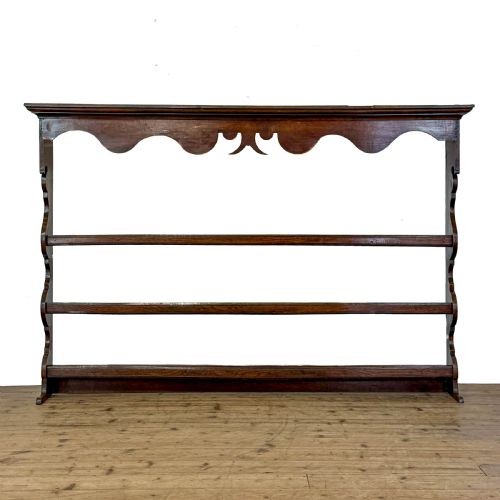
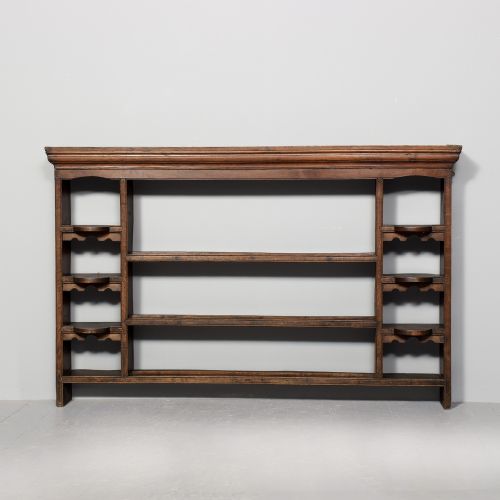
A vintage oak plate rack brings warmth and utility to a kitchen, holding china securely while displaying traditional country craftsmanship.
Vintage Oak Plate Rack
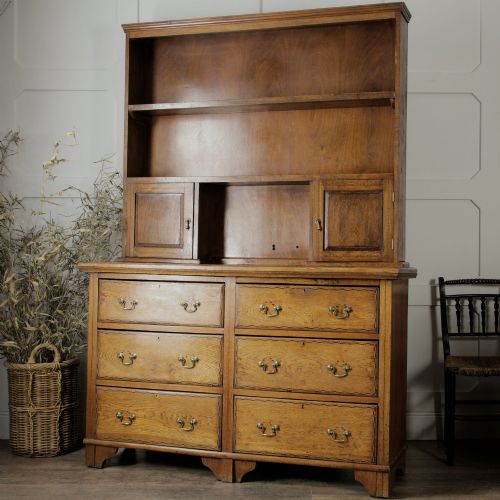
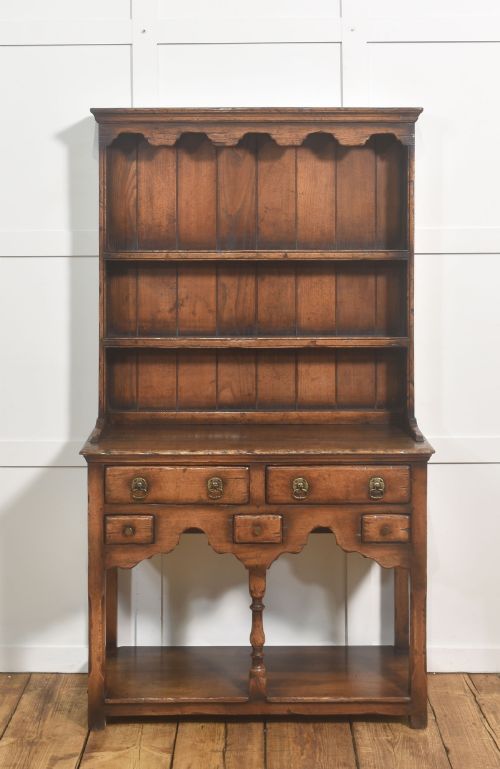
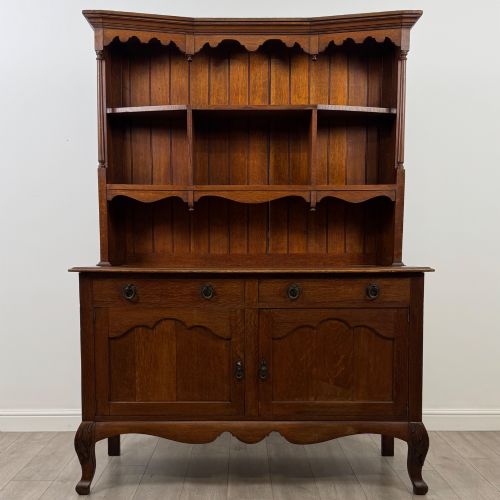
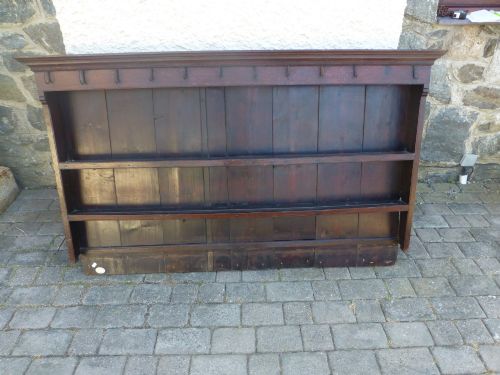
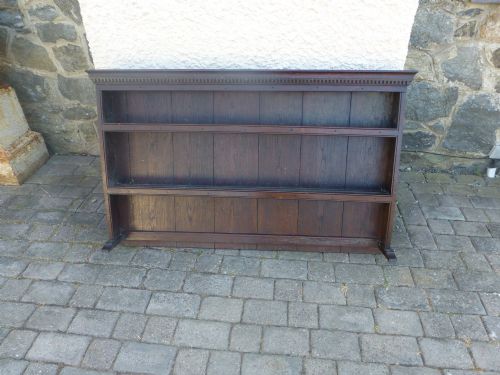
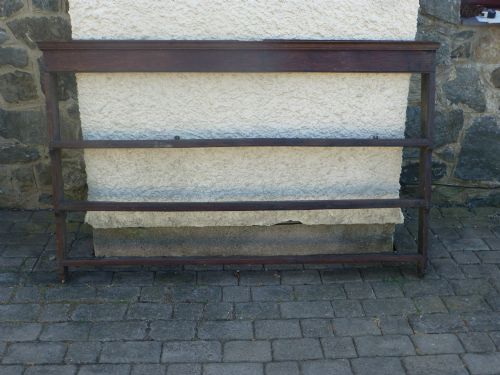
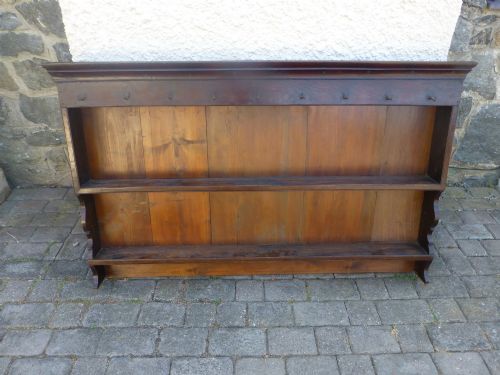
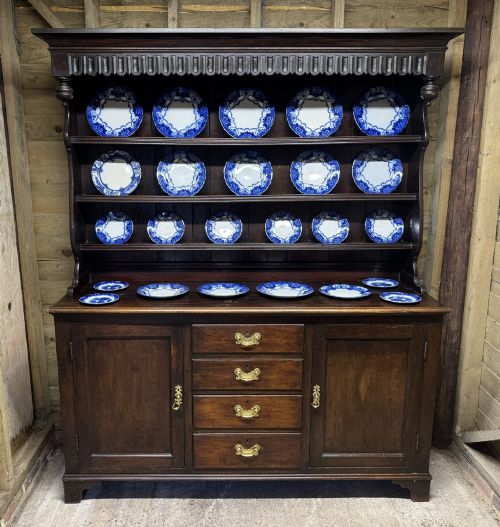
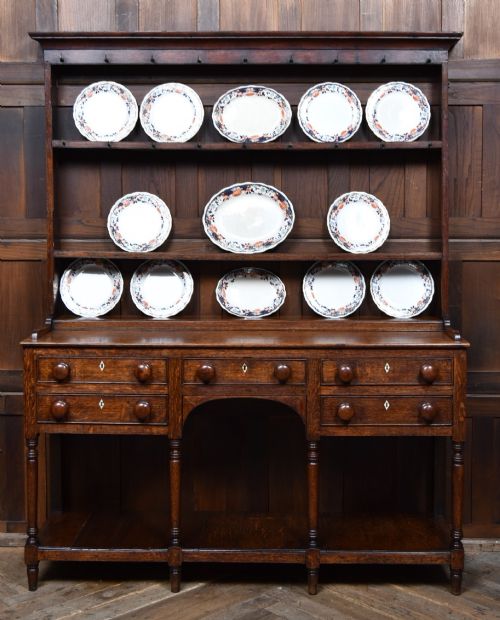
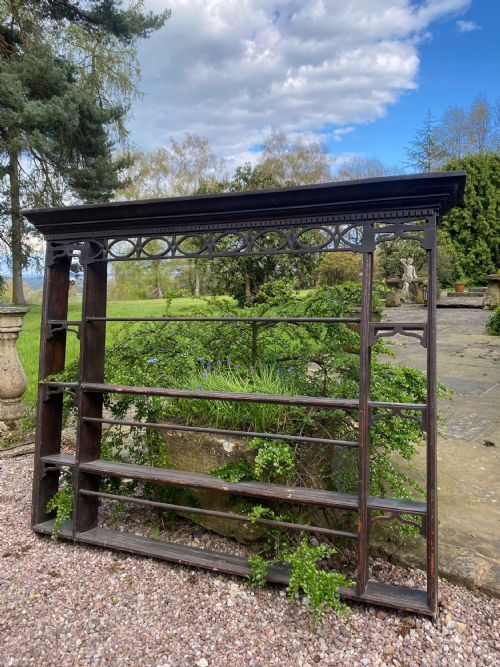
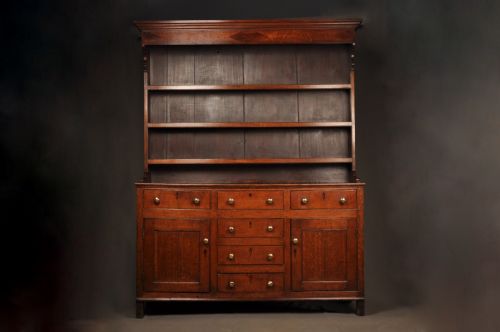
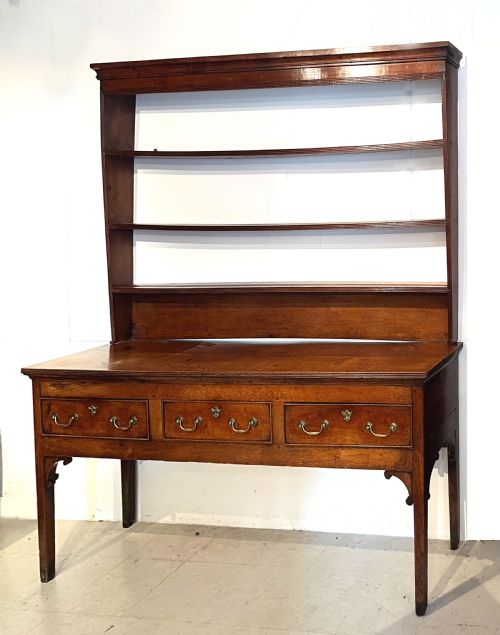
A vintage oak plate rack serves as a practical wall-hanging shelf or forms the upper tier of a larger farmhouse dresser. When searching for a vintage oak plate rack, buyers encounter pieces ranging from eighteenth-century Georgian country designs to early twentieth-century Arts and Crafts examples.
The most common versions on this page are wall-mounted racks and complete dressers featuring dedicated slotted plate tiers. These items originate from regional workshops in Wales and the English countryside, built to display delftware and everyday tableware in domestic kitchens.
How they were made
Cabinetmakers constructed these racks primarily from solid oak, sometimes incorporating pine or mahogany for secondary parts. Boards were hand-planed and joined to bear the heavy weight of ceramic plates without warping.
Metal fixings such as brass and iron appear on hinges, hooks, and hanging brackets. Surfaces were finished simply to highlight the natural grain of the wood rather than applying heavy modern lacquers.
Among the oak furniture sits an unexpected nineteenth-century half-plate camera on a wooden tripod.
What varies in quality
Quality depends on the integrity of the timber selection and the restraint shown in past repairs. Fine examples retain their original backboards, uniform slat spacing, and honest surface patination accumulated through generations of domestic use.
The sophistication of the mouldings and the balance of proportions distinguish regional vernacular pieces from later revival items. Superior examples demonstrate thoughtful construction where every structural element supports the display function.
The Vintage Oak Plate Rack Glossary
- Delft rack
- A wall-mounted or dresser-mounted set of shelves specifically designed with grooved bases to hold ceramic plates upright. These racks prevent tableware from slipping forward during daily kitchen activities.
- Pot board
- An open lower shelf situated beneath the main counter of a dresser, historically used for storing heavy pots and pans. This feature is common in traditional farmhouse furniture.
- Jacobean Revival
- A nineteenth-century stylistic movement that mimics the heavy, carved ornamentation of the seventeenth century. Furniture in this style often displays deep geometric panelling and dark stained finishes.
- Welsh dresser
- A large kitchen storage unit combining a base of drawers and cupboards with an open plate rack top. These pieces originate from Welsh rural workshops and serve as both storage and display.
Vintage Oak Plate Rack: Frequently Asked Questions
How do I hang a heavy oak plate rack?
Heavy oak plate racks require secure attachment directly into wall studs or masonry using appropriate steel fixings. Because loaded ceramic plates add substantial weight, professional installation prevents the unit from pulling away from the wall.
Ensure the hanging brackets or screw holes align with structural supports rather than relying solely on plasterboard. Distributing the weight evenly across multiple fixing points protects both the antique timber and the wall.
Are these racks suitable for modern plates?
Most vintage plate racks accommodate standard modern dinner plates, though very deep bowls or thick stoneware may exceed older slot dimensions. Checking the depth of the restraining rails ensures your tableware sits safely.
Georgian and Victorian racks were built for thinner earthenware and delft plates. Measuring the gap between the slats and the backboard before purchasing avoids compatibility issues with contemporary kitchenware.
How do I clean and maintain the oak?
Maintenance involves dusting with a dry, soft cloth and occasionally applying natural beeswax to nourish the dry timber. Avoid using household sprays or excessive water, which can damage the historic surface finish.
Allowing the wood to breathe preserves its natural patina. Regular, gentle polishing keeps the oak protected from kitchen humidity without stripping away the character developed over centuries.
How can I tell an eighteenth-century rack from a later revival?
Eighteenth-century pieces display hand-cut joinery, pegged tenons, and timber surfaces shaped by hand tools rather than industrial machinery. Tool marks and natural wear patterns reveal the age of the construction.
Later revival items from the Edwardian period or the twentieth century often feature standardised machine-sawn components and cleaner, more uniform timber edges. Examining the backboards and nail types helps clarify the manufacturing era.