




Antique Wall Plate Rack
These antique wall plate rack pieces combine practical kitchen storage with centuries of timber craftsmanship, offering an authentic way to display pottery.
Antique Wall Plate Rack
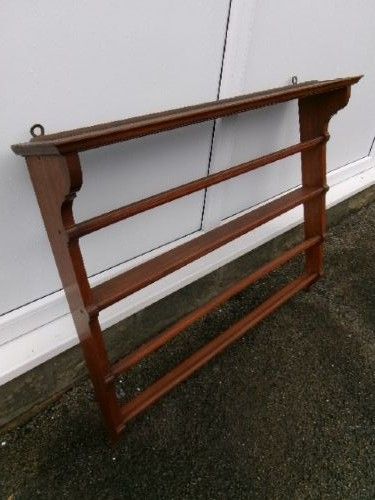
An antique wall plate rack is a piece of hanging furniture designed to hold ceramic plates upright against a wall. When you search for this phrase, you find items meant to save surface space while keeping everyday crockery visible and accessible in domestic kitchens and dining spaces.
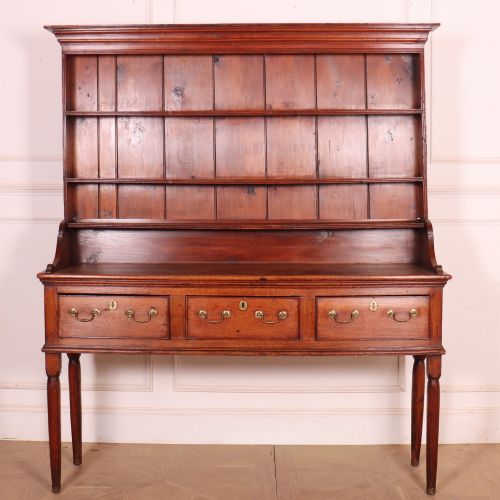
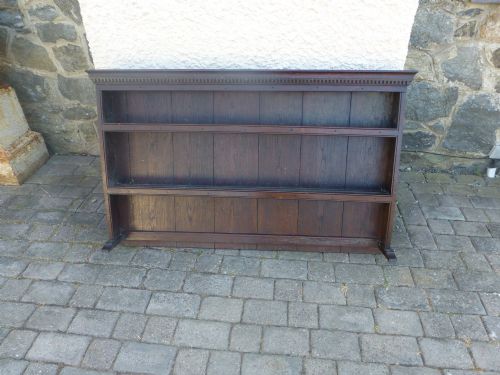
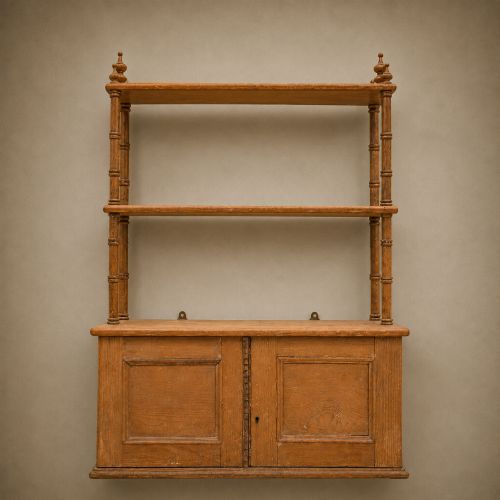
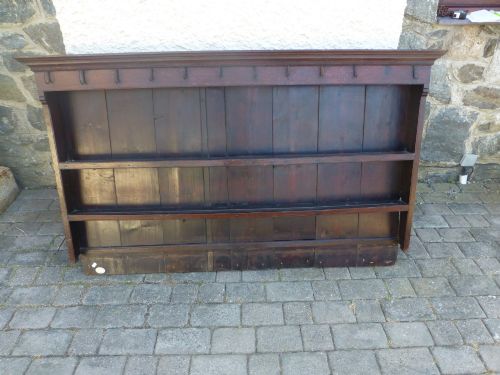
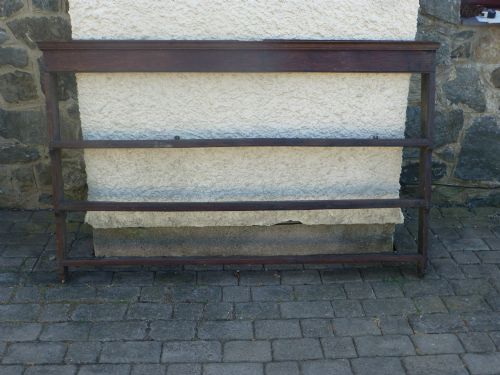
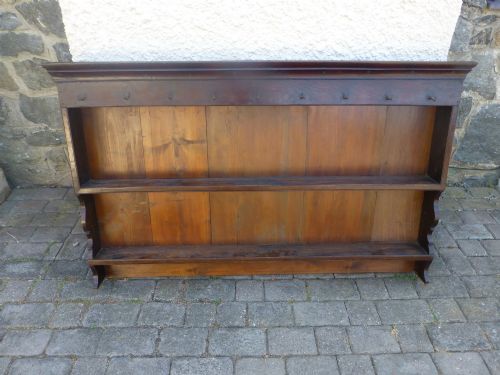
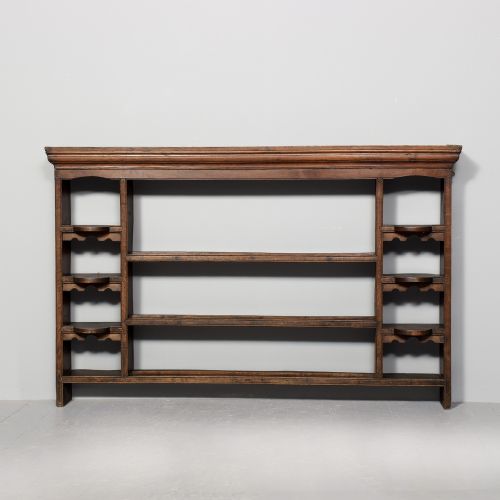
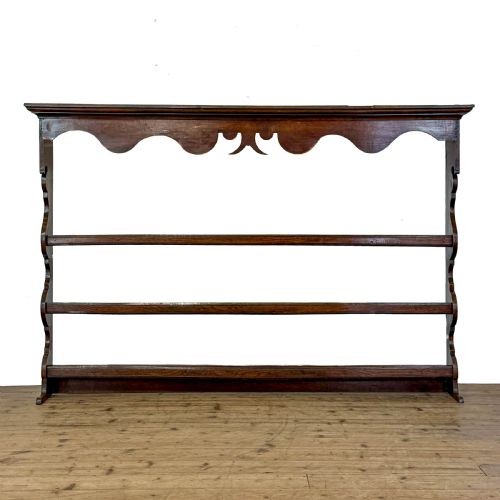
The versions you are most likely to meet on this page span the eighteenth and nineteenth centuries, rendered primarily in oak and pine. Many examples survive from the Georgian and Victorian periods, taking the form of open wall shelves or dresser racks intended for delftware and ceramic display.
How they were made
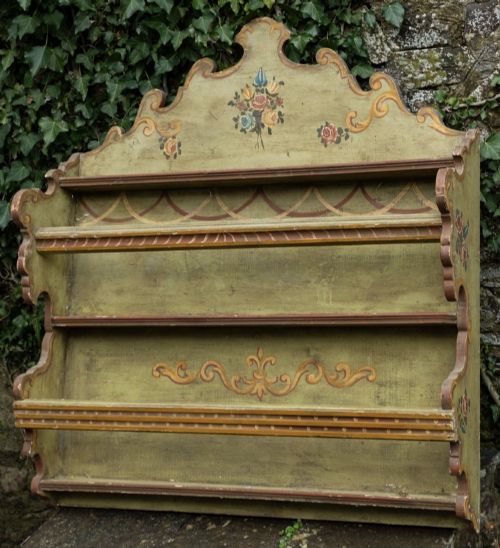
Cabinet makers constructed these racks predominantly using solid oak and pine, occasionally incorporating mahogany or painted wood finishes. Construction relied on traditional joinery methods suited to weight-bearing wall furniture, utilising pegged joints and simple mounting plates.
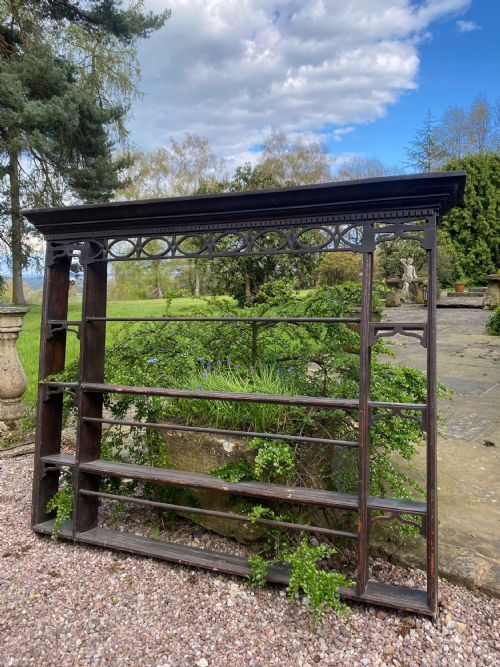
Detailing on these pieces ranges from plain country utility to finer architectural elements such as fretwork or Corinthian columns. Iron and brass fixtures, including hooks and mounting brackets, provide structural support and hanging capability.
Antique Wall Plate Rack Retail Price Guide 2026
Typical asking prices for wall plate rack among the pieces listed under this phrase on Sellingantiques today, from the lower quarter to the upper quarter. They describe what is for sale here now, not the wider market.
What varies in quality
Quality in these pieces rests upon the selection of timber and the integrity of the original construction. Dense, well-figured oak boards command greater regard than softer pine, particularly where surfaces retain their original patination and colour.
The Antique Wall Plate Rack Glossary
- Delft rack
- A wall-mounted shelving unit specifically designed with narrow ledges and retaining rails to display tin-glazed earthenware plates.
- George III
- A British design period spanning the mid to late eighteenth century, known for balanced proportions and quality timber use in domestic furniture.
- Fretwork
- Openwork ornamentation carved or pierced through thin boards of wood, often seen along the frieze or cresting of eighteenth-century racks.
- Portmanteau
- A combined wall fixture featuring hanging hooks for garments alongside a mirror and occasionally shelf space.
Antique Wall Plate Rack: Frequently Asked Questions
How do I hang a heavy oak plate rack safely?
Wall-mounted plate racks carry considerable weight once loaded with ceramic crockery. Fixing requires securing the back frame directly into structural wall studs or using heavy-duty wall anchors suited to the masonry.
Distributing the weight evenly across multiple mounting points ensures the historic timber frame avoids undue stress.
Are these racks suitable for modern kitchens?
These pieces integrate readily into contemporary domestic spaces by providing vertical storage for everyday dishware or decorative ceramics. Their proportions suit empty wall spaces above counters or dining tables.
Selecting a pine or painted version introduces a relaxed country aesthetic, while mahogany and dark oak offer a more formal appearance.
How do I tell an 18th-century rack from a Victorian copy?
Eighteenth-century examples typically display hand-sawn timber marks, pegged joinery, and the distinct surface patination accumulated over generations of use. Pine and oak boards from this era show irregular dimensions unique to early milling practices.
Victorian and later iterations often incorporate machine-cut elements, standard-gauge screws, and different surface treatments that lack early wear patterns.
What is the difference between a plate rack and wall shelves?
Plate racks feature specific design elements such as grooved plate rails and front retaining bars or wooden spindles to keep ceramic plates leaning safely upright. General wall shelves provide flat horizontal surfaces for books or display objects without plate grooves.
Many antique kitchen racks combine both functions by offering open display shelves alongside dedicated vertical plate slots.