



Vintage Oak Ottoman
These vintage oak ottomans and stools bring solid timber frames and period upholstery into your room.
Vintage Oak Ottoman
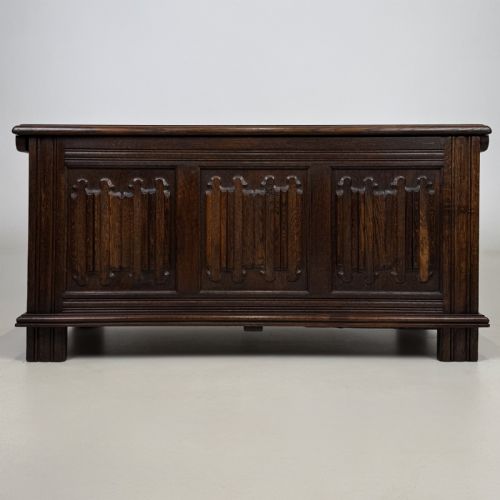
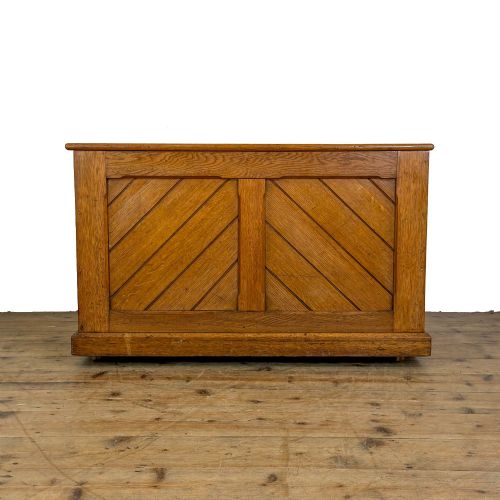
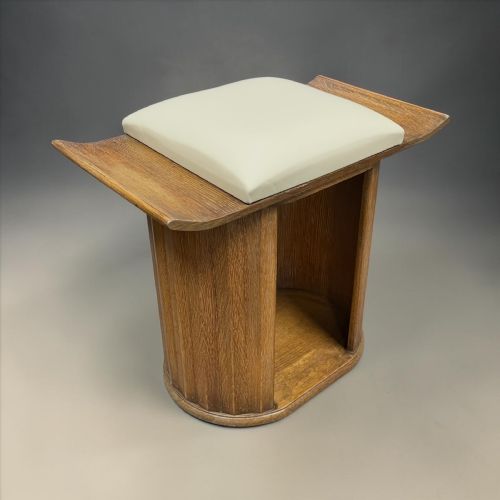
When you search for a vintage oak ottoman, you encounter a variety of low seating forms, blanket boxes, and footstools produced across different centuries. The examples here range from seventeenth-century revival designs to Art Deco drum-shaped dressing stools and Edwardian carved pieces.
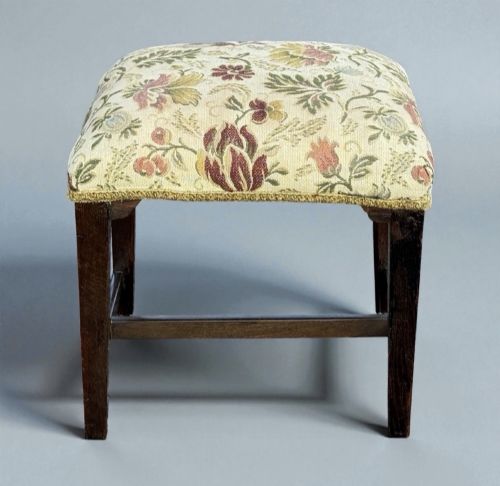
Most items you meet on this page rely on sturdy oak timbers combined with upholstered pads, leather, or woven cane. Alongside standard footstools, you find larger centre stools and storage trunks constructed for daily utility.
The origins span English workshops and French provincial seating, incorporating stylistic revivals such as Jacobean, Chippendale, and William and Mary. Each piece serves primarily as functional seating or a low resting surface for rooms.
Materials and construction methods
The primary material visible across these pieces is solid oak, frequently paired with secondary timbers like walnut, and joined by brass hardware or textile coverings. Artisans utilised traditional joinery alongside hand-carving to shape the legs, frames, and storage bodies.
Upholstery techniques vary from simple drop-in pads to buttoned leather and tapestry covers secured with studs. Spiral turning, lion head carvings, and cane panels demonstrate the manual labour invested in the surface decoration of the wooden frames.
Vintage Oak Ottoman Retail Price Guide 2026
Typical asking prices for vintage oak ottoman among the pieces listed under this phrase on Sellingantiques today, from the lower quarter to the upper quarter. They describe what is for sale here now, not the wider market.
Current listings feature oak as the dominant material, supported by walnut, brass, leather, and wool upholstery across multiple centuries.
Assessing quality and craftsmanship
The distinction between standard items and superior examples rests upon the depth of the hand-carving and the integrity of the timber framing. Pieces featuring crisp detail work, such as spiral carvings or figural motifs, demonstrate greater artisan skill than plain utility boxes.
Condition of the materials also dictates the standing of a piece, particularly the tightness of the oak joints and the preservation of original leather, cane, or textile surfaces. Items retaining their structural rigidity without excessive timber shrinkage represent the higher end of the selection.
Harry & Lou Epstein·Simpson Kendall
The Vintage Oak Ottoman Glossary
- Ottoman
- A low upholstered seat or footstool without a back or arms, often incorporating internal storage for blankets or linens.
- Centre stool
- A large freestanding stool designed to sit in the middle of a room rather than against a wall.
- Jacobean Revival
- A nineteenth-century design movement copying the dark, heavily carved oak furniture style of the seventeenth century.
- Cane
- Woven rattan or split reed used to form supportive panels for seats or inserts.
- Buttoned leather
- Upholstery secured with deep indentations held by buttons, creating a padded and patterned surface.
Vintage Oak Ottoman: Frequently Asked Questions
How do I use an oak ottoman?
These pieces function primarily as movable footstools, low seating options, or compact storage chests for living spaces and bedrooms. Their sturdy timber construction allows them to double as occasional surface tables when topped with a tray.
Position them before a sofa or at the foot of a bed to integrate them into your daily room layout.
Are these ottomans comfortable to sit on?
Many examples feature padded upholstery, buttoned leather, or textile tops designed to provide a soft surface for resting feet or sitting. Firmness depends entirely on the original padding materials and how well they have survived.
Unupholstered blanket boxes and wooden stools prioritize storage and structural rigidity over cushioned seating comfort.
How do I tell the periods apart?
Distinguishing the age involves examining the carving styles, timber patination, and construction methods used on the frame. Pieces from the Georgian and Victorian eras often display specific revival motifs like Chippendale legs or heavy Gothic framing.
Twentieth-century items, particularly Art Deco examples, show cleaner geometric lines or drum-shaped bodies distinct from nineteenth-century rustic farmhouse styles.
What maintenance does oak require?
Solid oak furniture needs minimal upkeep beyond occasional dusting with a dry cloth to preserve the natural grain and timber finish. Avoid placing pieces near direct heat sources to prevent the wood from drying out or splitting.
Upholstered and leather surfaces benefit from gentle cleaning suited to their specific textile or hide composition.