





Vintage Oak Lectern
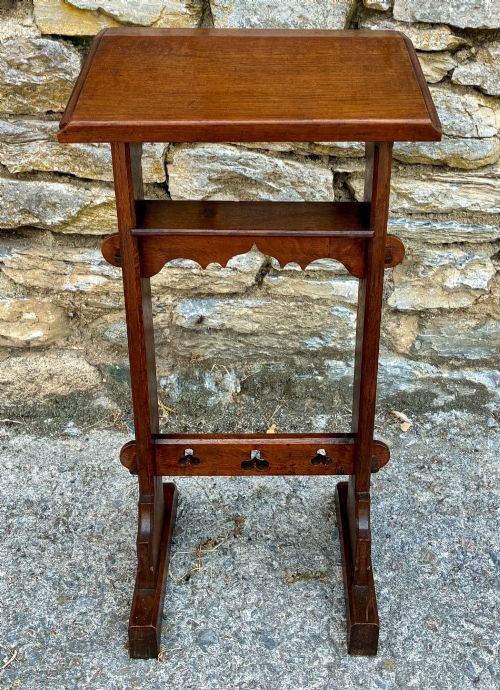
A vintage oak lectern brings solid timber and historic character to a room, serving as a practical stand for reading or display.
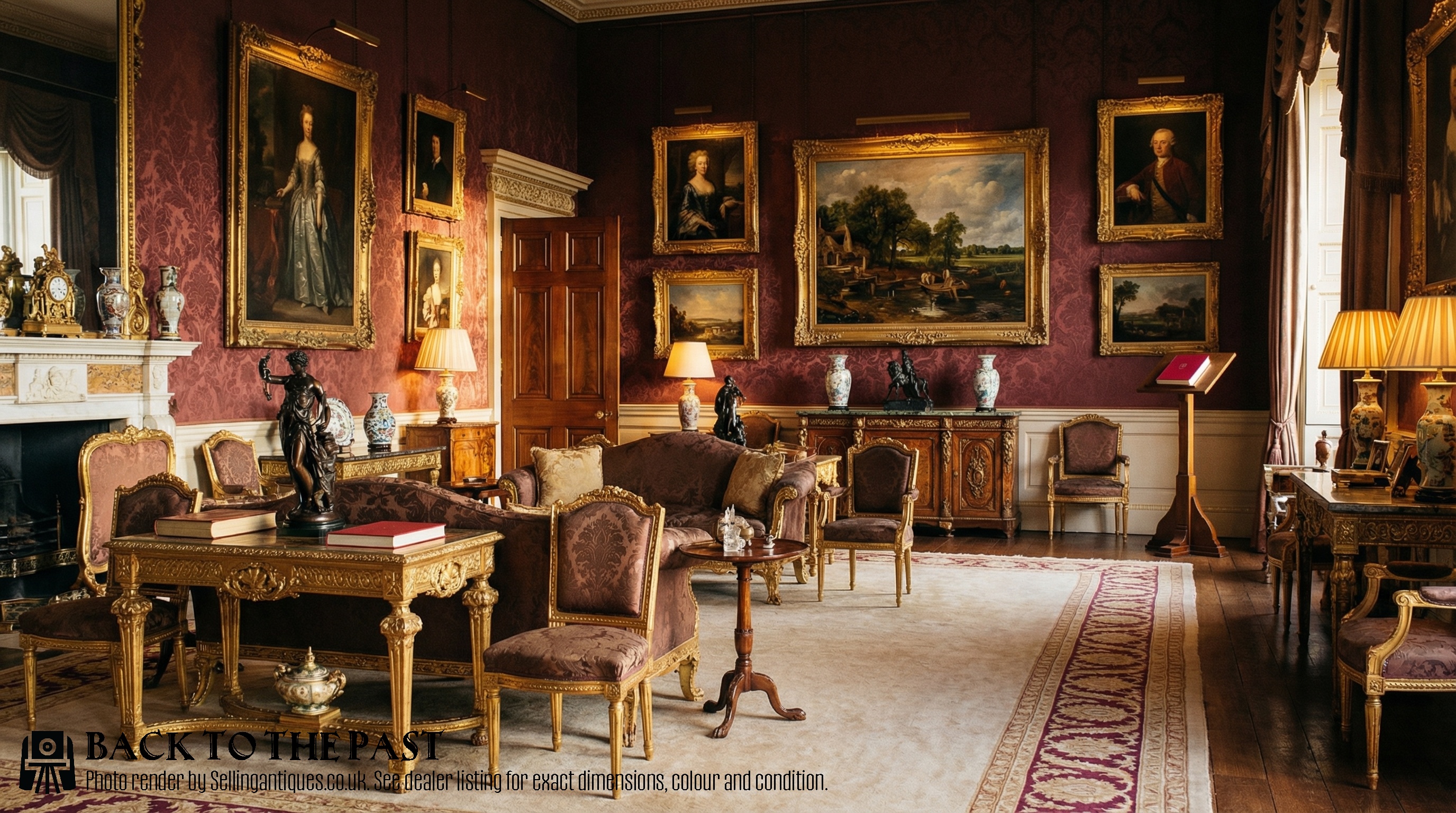
Vintage Oak Lectern
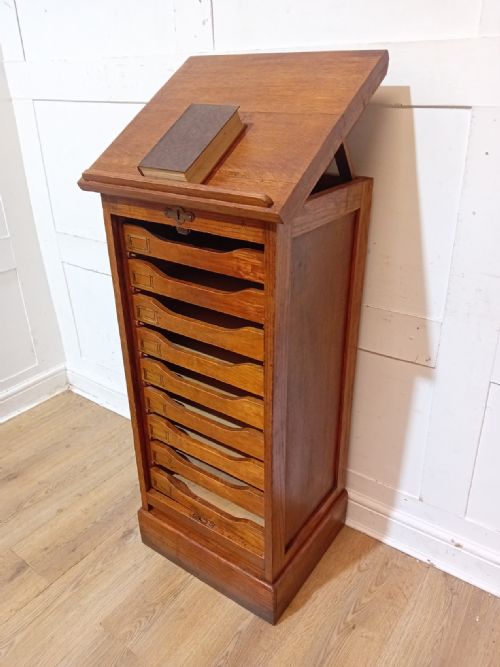
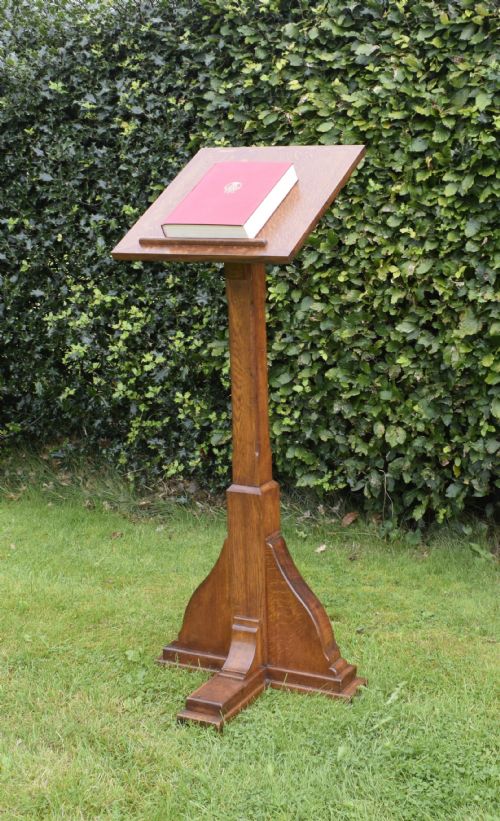
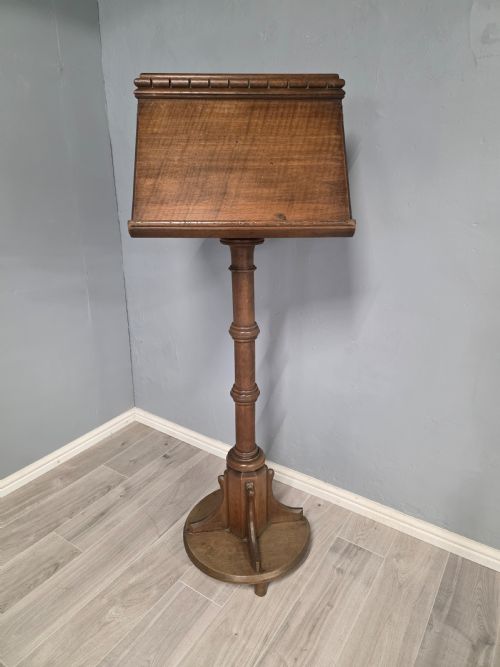
When you search for a vintage oak lectern, you encounter items designed for reading, presenting or church use, spanning periods from the nineteenth century into the twentieth century. These pieces range from small table stands and prayer desks to church lecterns and reception stations.
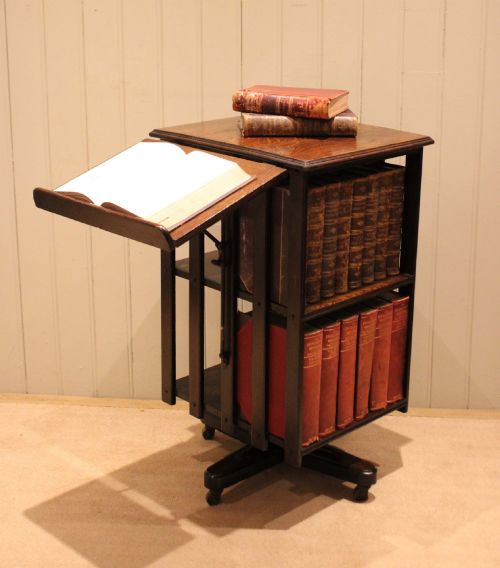
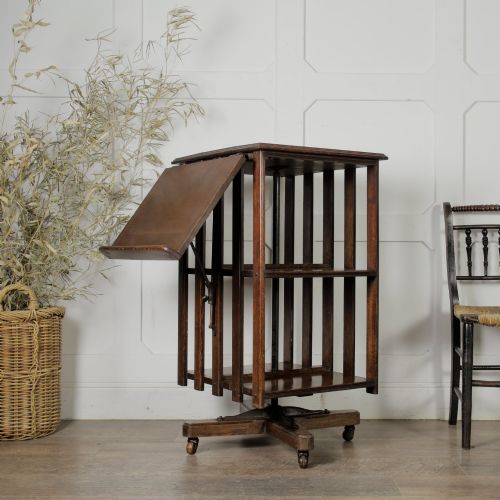
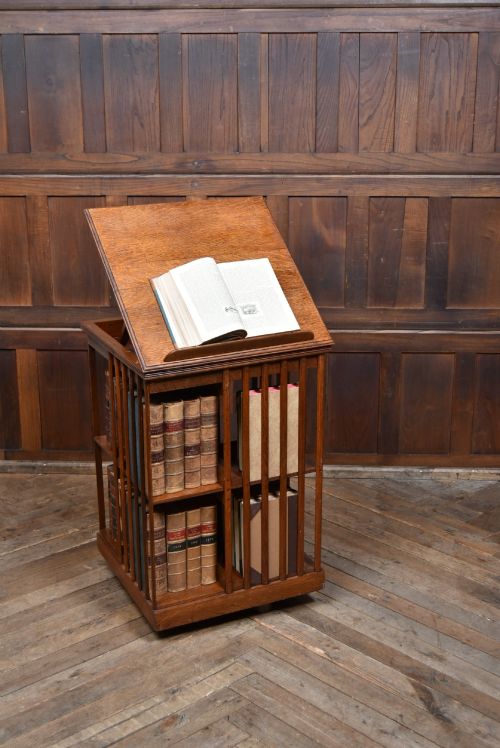
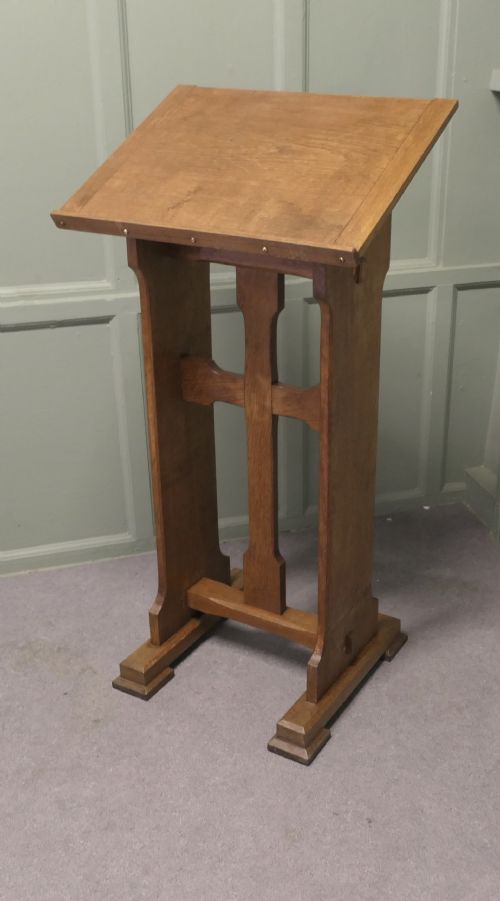
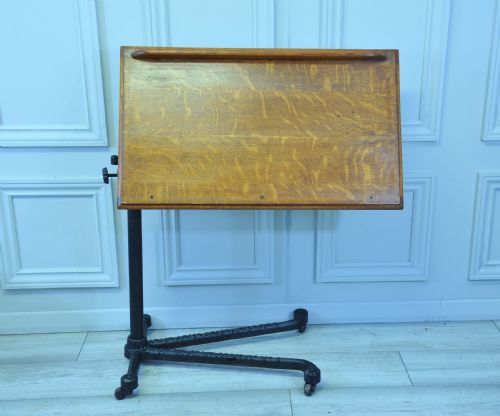
The selections available here lean heavily towards Edwardian and Victorian iterations, alongside Arts and Crafts designs and George III clerk desks. Many examples incorporate sloping tops for holding books or papers, sometimes paired with revolving bases or adjustable cast-iron mechanisms.
Beyond traditional ecclesiastical pieces, the category extends to restaurant reception greeters and hotel greeting stations built from oak. Buyers select these items for functional book storage or as statement furniture in domestic and commercial spaces alike.
How they were made
Makers utilised solid oak as the primary timber, often displaying rich grain patterns enhanced by golden or darker patination. Construction methods relied on traditional joinery techniques suitable for heavy-duty institutional and domestic use.
Vintage Oak Lectern Retail Price Guide 2026
Typical asking prices for vintage oak lectern among the pieces listed under this phrase on Sellingantiques today, from the lower quarter to the upper quarter. They describe what is for sale here now, not the wider market.
Some oak lecterns doubled as restaurant greeter stations, welcoming diners long before they held heavy church Bibles.
What varies in quality
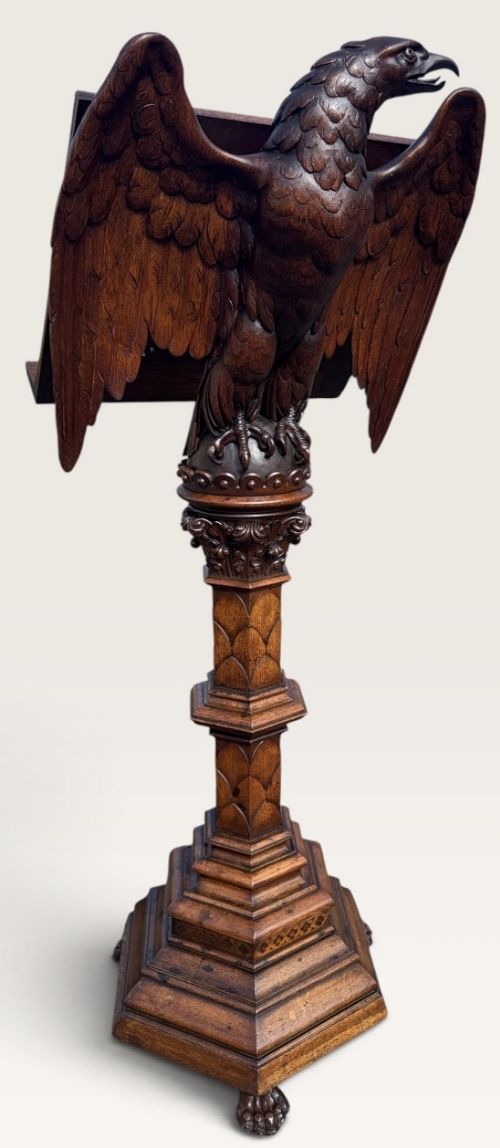
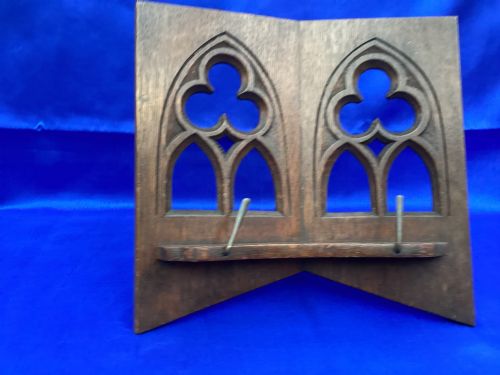
The distinction between standard examples and superior pieces rests on the depth of carving, the integrity of the timber and the sophistication of any mechanical adjustments. Finely worked Gothic Revival details or crisp Arts and Crafts joinery elevate a piece beyond plain utility.
Original hardware, such as brass brackets or cast-iron bases bearing maker details, adds substantial character and indicates higher original production standards. The balance between sturdy construction and refined proportion determines how well a stand holds its presence in a room.
Carters Of London
The Vintage Oak Lectern Glossary
- Lectern
- A stand with a slanted top used to hold a book or notes for a speaker. These pieces often feature adjustable heights or rotating mechanisms.
- Arts and Crafts
- A design movement prioritising traditional craftsmanship and simple forms over mass production. Pieces from this style often display honest construction and understated decoration.
- Gothic Revival
- An architectural and decorative style drawing on medieval forms, frequently seen in ecclesiastical furniture. Characteristic elements include pointed arches and carved tracery.
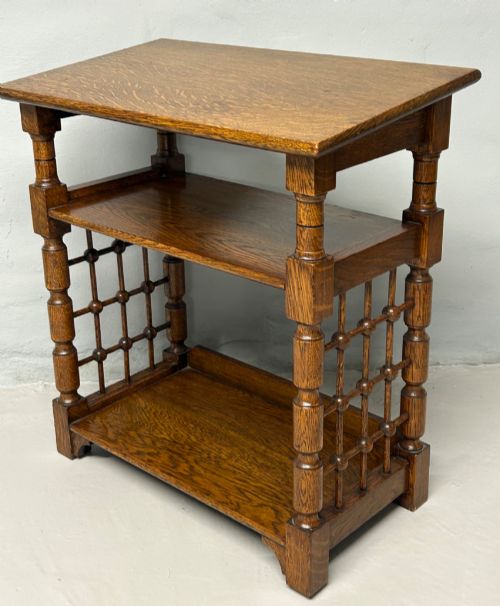
- Revolving bookcase
- A rotating wooden shelving unit designed for tabletop or floor placement. This form allows easy access to a collection of heavy volumes from a seated position.
Vintage Oak Lectern: Frequently Asked Questions
How do I use a lectern at home?
A lectern functions well as a stand for open art books, a recipe holder in a kitchen or a raised surface for a laptop in a study. The sloping shelf keeps reading material at a comfortable viewing angle.
Larger floor-standing models occupy a corner of a room to display reference volumes or act as a focal point for historic furniture collections.
How can I date an oak lectern?
Dating relies on observing construction methods, hardware materials and stylistic markers such as Victorian Gothic Revival motifs or Edwardian simplicity. Plain geometric lines often point towards the Arts and Crafts period around nineteen hundred.
Heavier proportions and detailed ecclesiastical carving generally suggest nineteenth-century origins, while cast-iron adjustable bases point towards early twentieth-century engineering.
Are these pieces suitable for modern interiors?
Solid oak furniture adapts readily to contemporary spaces through its natural timber texture and robust form. Pieces like reception stations or book stands introduce historic character without dominating a room.
Pairing a vintage reading stand with modern seating creates a functional workspace or an engaging display area for large format books.