

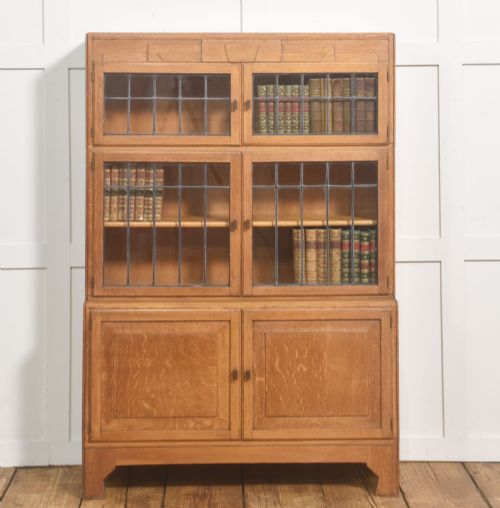
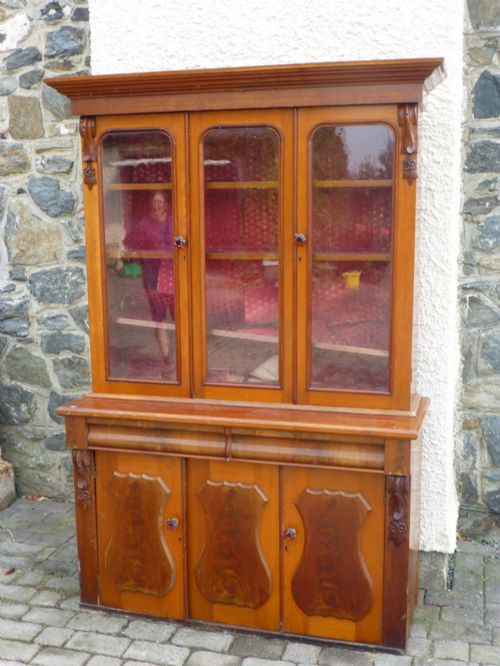
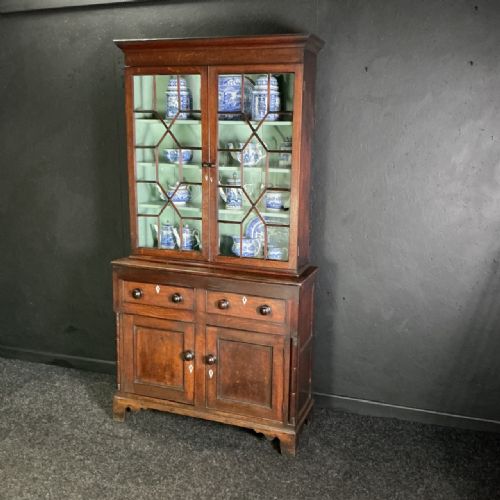
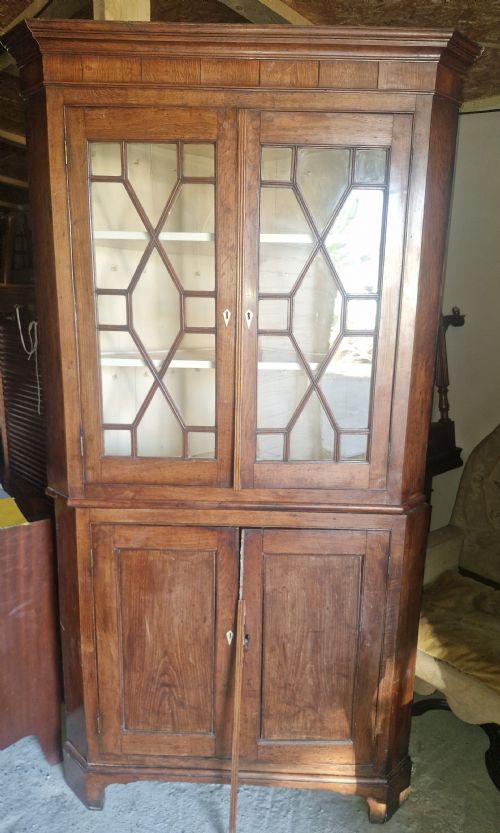


Vintage Oak Glazed Dresser
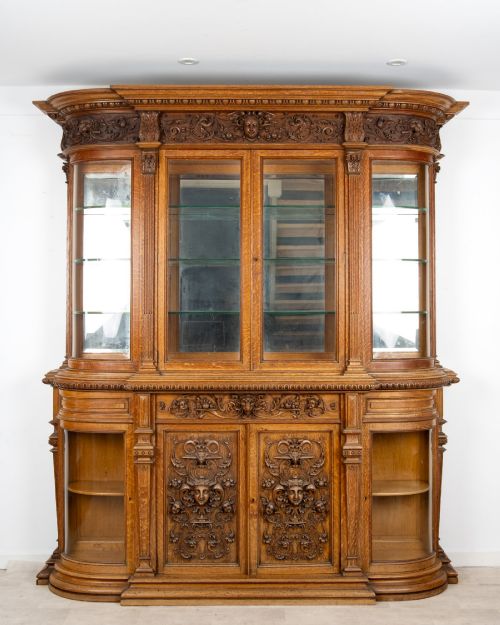
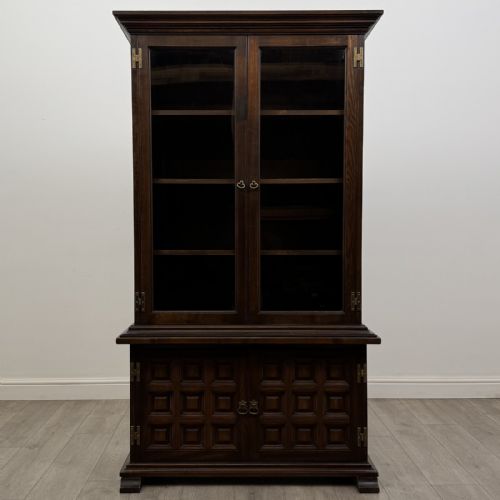
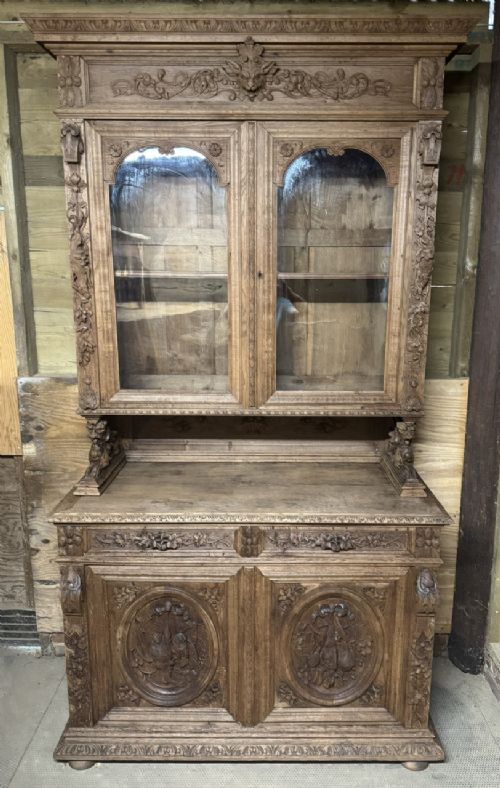
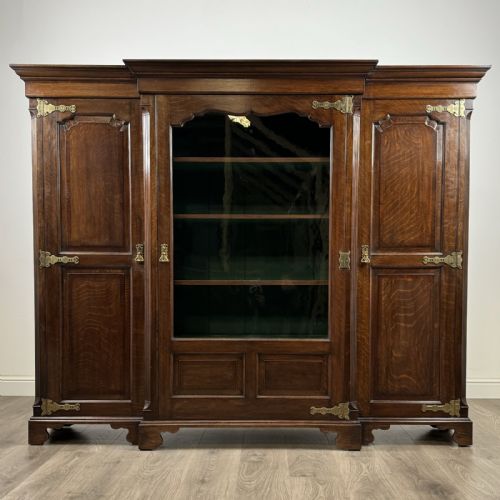
A vintage oak glazed dresser offers sturdy timber construction and clear display space, holding kitchenware or books behind glass.
Vintage Oak Glazed Dresser
A vintage oak glazed dresser brings together timber storage and glass-fronted display, taking forms from regional kitchen furniture to library bookcases and sideboards. These pieces serve practical storage needs while keeping contents visible on upper shelves.
The pieces appearing on this page span several centuries and styles, drawing on 18th century vernacular traditions, Victorian carving, Edwardian design, and later Arts and Crafts or Art Deco movements. Oak forms the constant material foundation across these varied design periods.
Buyers most frequently encounter two-part cupboards, Welsh dressers, and tall bookcases featuring leaded or plain glass doors. Regional variations include West Country and Welsh kitchen pieces alongside formal library cabinets.
Materials and construction methods
Carpenters built these dressers using solid oak, occasionally incorporating mahogany for contrast or tiger oak figures for decorative grain patterns. Brass hardware and lead came secure the glass panels within the wooden frames.
Joinery techniques combined traditional mortise and tenon frames with carved panels, heavy cupboard bases, and multi-shelf upper sections. Glazing methods range from simple wooden muntins holding single panes to intricate leaded lights.
Vintage Oak Glazed Dresser Retail Price Guide 2026
Typical asking prices for vintage oak glazed dresser among the pieces listed under this phrase on Sellingantiques today, from the lower quarter to the upper quarter. They describe what is for sale here now, not the wider market.
Listings feature oak combined with glass, brass, lead, mirror, and mahogany across styles from the 18th century through the Art Deco period.
What separates examples
Quality rests on timber selection, the crispness of carved detail, and the integrity of the original glass and hardware. Fine examples show thoughtful proportions, well-figured oak grain, and sturdy construction across both upper and lower sections.
Subtlety in proportion and restraint in revival carving distinguish better pieces from heavier, utilitarian variants. Original brasses, undamaged leaded lights, and matching timber patination elevate the standing of any dresser.
The Vintage Oak Glazed Dresser Glossary
- Glazed dresser
- A storage furniture piece featuring glass doors on the upper section for displaying contents. These units combine lower wooden cupboards or drawers with upper display space.
- Tiger oak
- Oak timber exhibiting strong, mottled medullary ray figuring that resembles tiger stripes. Cabinetmakers prized this cut for its decorative surface pattern.
- Leaded glass
- Small panes of glass held together by strips of lead called cames. This technique creates geometric or patterned windows within cabinet doors.
- Welsh dresser
- A traditional kitchen storage form originating in Wales, combining a base of drawers and cupboards with open or glazed plate racks above.
- Arts and Crafts
- A design movement favouring simple construction, visible joinery, and honest materials. Pieces from this tradition avoid excessive machine ornamentation.
Vintage Oak Glazed Dresser: Frequently Asked Questions
How do I clean an oak dresser?
Dust regularly with a dry cloth and occasionally feed the timber with a traditional beeswax polish. Avoid silicone sprays or excessive moisture which can damage the antique finish.
Keep the glass panels clean using standard glass cleaner applied to a cloth rather than sprayed directly near the wood. Take care around leaded joints to avoid loosening the metal.
Can I store heavy books in a glazed bookcase?
Solid oak construction provides substantial weight capacity, making these cabinets suitable for heavy volumes. Check the thickness and support of individual shelves before loading.
Distribute heavy books evenly across lower shelves to maintain stability. Adjustable shelving systems allow you to alter shelf heights for larger folios.
How do I date an oak dresser?
Examine the construction methods, hardware, and stylistic revival cues visible in the woodwork and carved details. Tool marks, screw types, and wood patination help distinguish 18th century vernacular pieces from 19th century revival work and 1920s production.
Reference the overarching design style, such as Arts and Crafts or Art Deco, to narrow down the decade of manufacture. Regional variations also provide clues to the workshop origin.