


Vintage Oak Display Table
A vintage oak display table brings practical surface space and period character to a room, offering glazed or open tiers to showcase small collections.
Vintage Oak Display Table
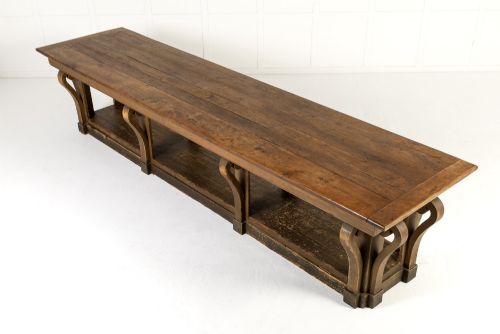
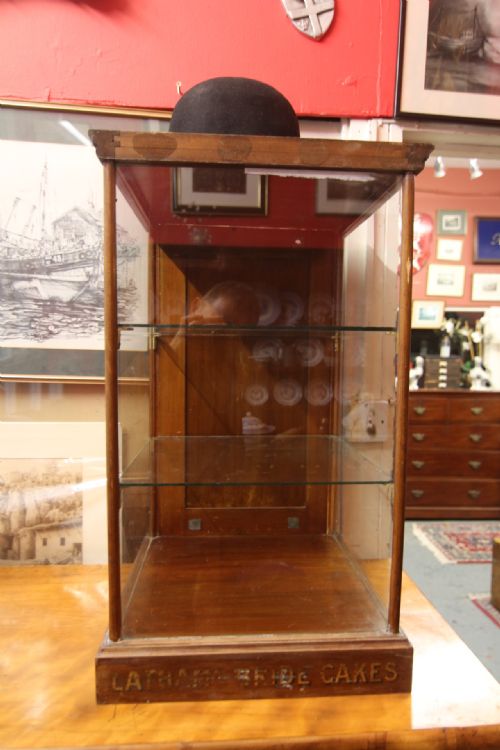
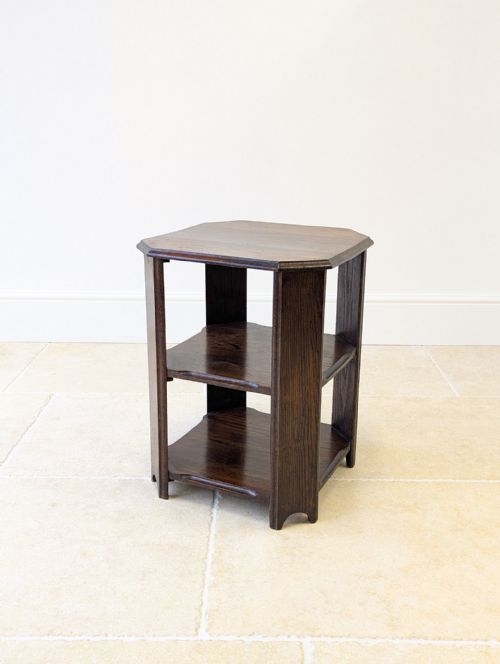
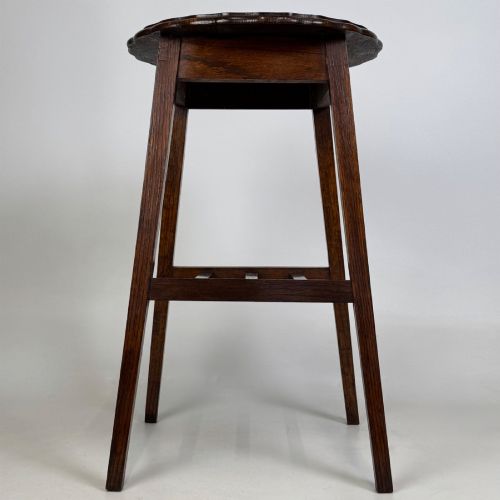
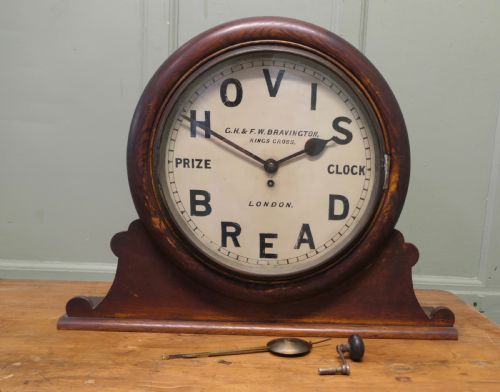
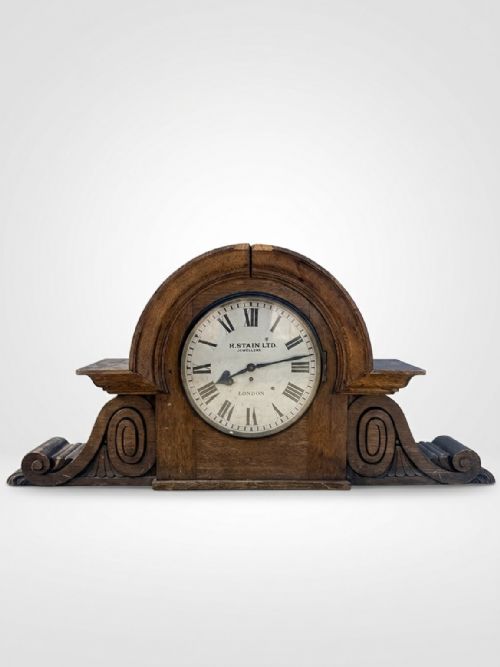
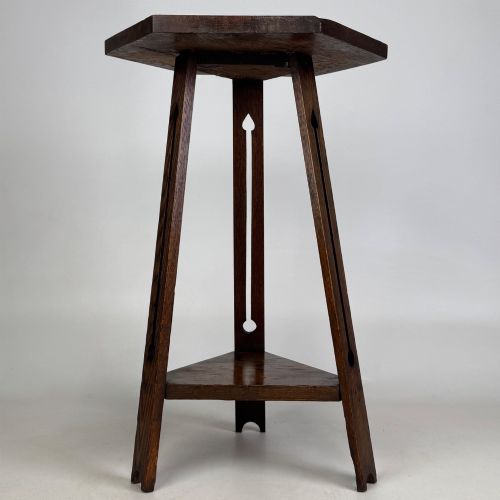
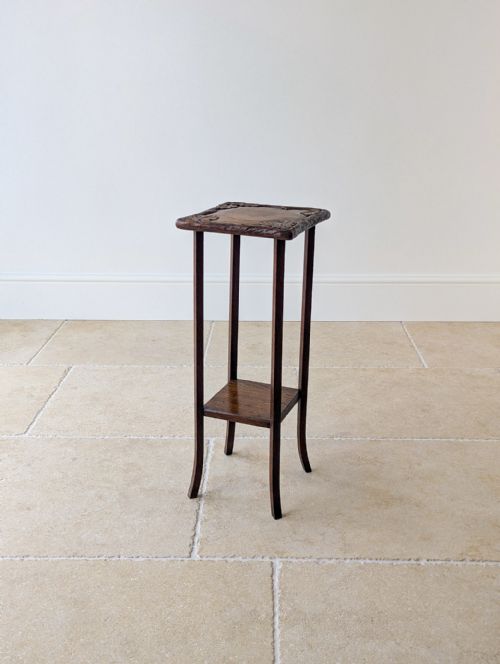
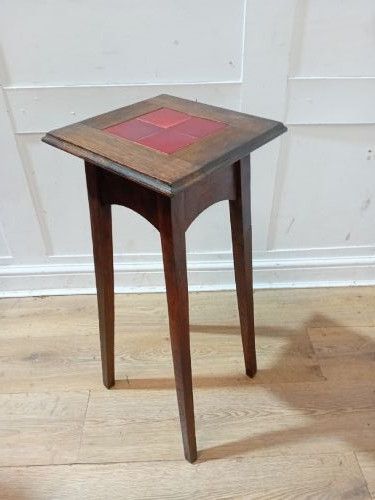
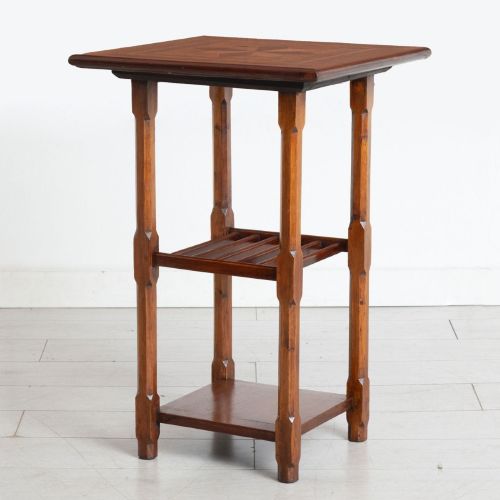
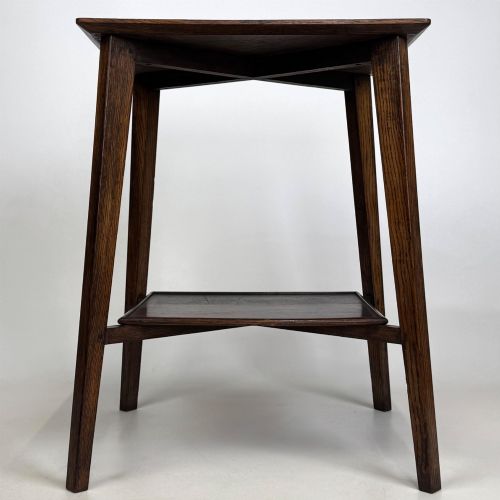
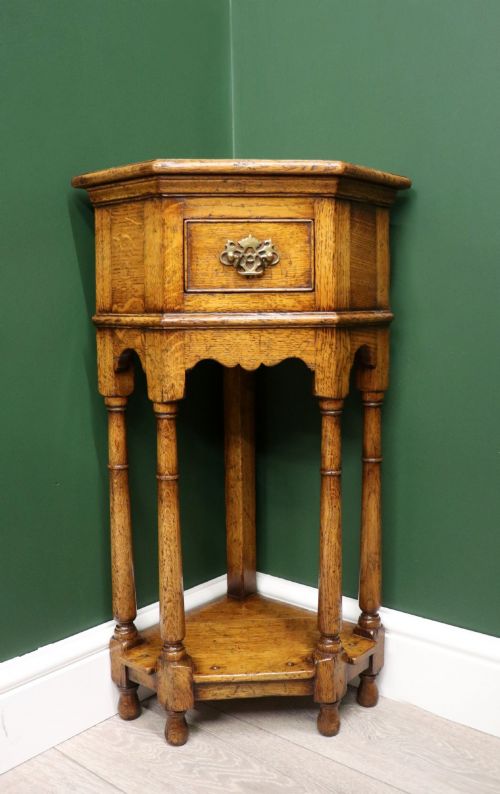
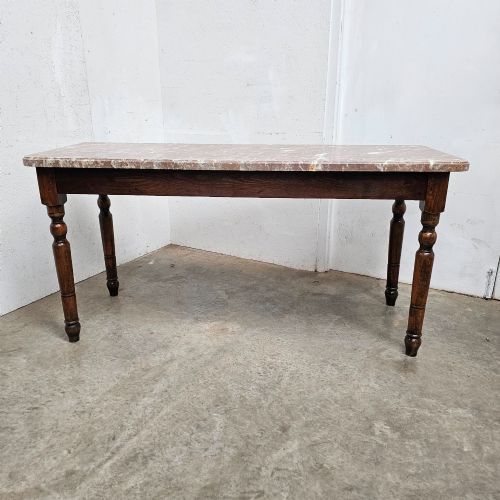
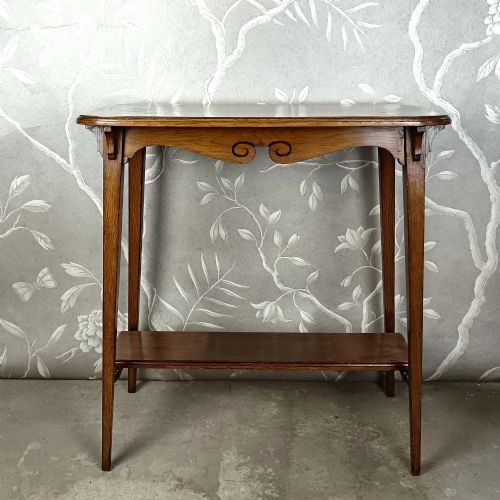
Buyers seeking a vintage oak display table encounter a varied selection spanning the nineteenth century through the interwar decades, including French drapers and patisserie tables, occasional side tables, plant stands, and tiered etagere forms. These pieces serve primarily to present items like clocks, ceramics, or specimen objects while adding distinctive timber grain to an interior scheme.
The material palette centres firmly on oak, often paired with glass, marble, brass, and occasional inlaid timber or specimen wood accents. Stylistically, the selection moves between restrained English country and Arts and Crafts designs, alongside French provincial and country interpretations featuring barley twist legs, carved details, and tiered shelving.
Construction and materials
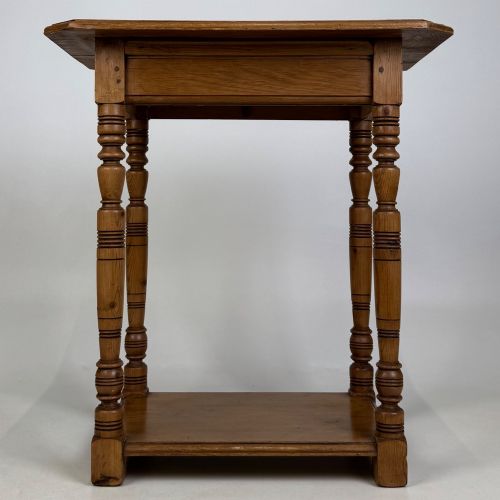
Makers utilised solid and veneered oak, shaping the timber into sturdy frames, octagonal tops, and barley twist or turned supports. Construction methods relied on traditional joinery techniques suitable for supporting glass panels, marble slabs, and mirrored centrepieces.
Surfaces often incorporated contrasting materials such as white marble tops on French tables or mirrored panels within cake display stands. Hardware like brass fittings and metal brackets added structural stability and functional detail to tables designed for retail or domestic display.
Vintage Oak Display Table Retail Price Guide 2026
Typical asking prices for vintage oak display table among the pieces listed under this phrase on Sellingantiques today, from the lower quarter to the upper quarter. They describe what is for sale here now, not the wider market.
Listings span periods from the nineteenth century through the 1930s, combining oak with marble, glass, and brass.
Judging quality in oak display furniture
Quality rests upon the selection of the oak timber, the crispness of any carved detailing, and the integration of secondary materials like marble or glass. Superior examples display harmonious proportions, tight joinery, and timber with rich, undisturbed grain patterns.
The distinction between standard utility pieces and finer workshop items lies in the execution of turned elements, such as barley twist legs, and the soundness of fitted tiers. Original hardware and unaltered structural integrity elevate pieces above later replacements or heavily restored alternatives.
The Vintage Oak Display Table Glossary
- Étagère
- A set of open shelves for displaying small objects or ornaments. These pieces typically feature multiple tiers supported by slender columns.
- Barley twist
- A carved spiral decorative motif resembling a twisted rope or barley stalk. This turning style appears frequently on table legs and plant stands.
- Jardinière
- An ornamental pot or stand designed to hold plants or flowers. In display furniture, these often take the form of tall pedestals with upper rings or bowls.
- Patisserie table
- A functional display table originating in France, traditionally utilised for food presentation. They often combine oak frames with marble tops.
- Occasional table
- A small, movable table intended for specific, intermittent use rather than central seating arrangements. These pieces function well alongside chairs or in corners.
Vintage Oak Display Table: Frequently Asked Questions
What is a display table used for?
These tables provide a designated surface to exhibit items such as clocks, ceramics, or collected curiosities.
Their open tiers and glass tops allow objects to be viewed clearly while remaining protected within the room.
How do I identify Arts and Crafts oak tables?
Arts and Crafts pieces emphasise honest construction, visible joinery, and minimal applied ornament.
They rely on the natural grain of the oak and solid proportions rather than excessive carving or gilding.
Are marble top tables difficult to maintain?
Marble surfaces require basic care to prevent staining from moisture or acidic substances.
Wiping the stone gently with a damp cloth keeps the material clean without damaging the historic finish.
Where should I place an etagere table?
An etagere works effectively in corners or against plain walls where its multiple tiers can be seen.
The vertical shelving structure makes good use of floor space while holding several smaller decorative objects.