
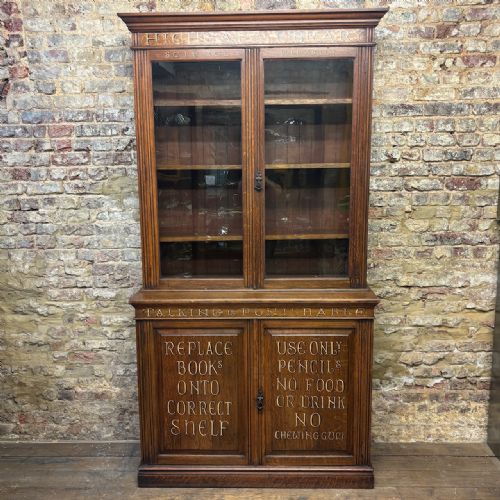
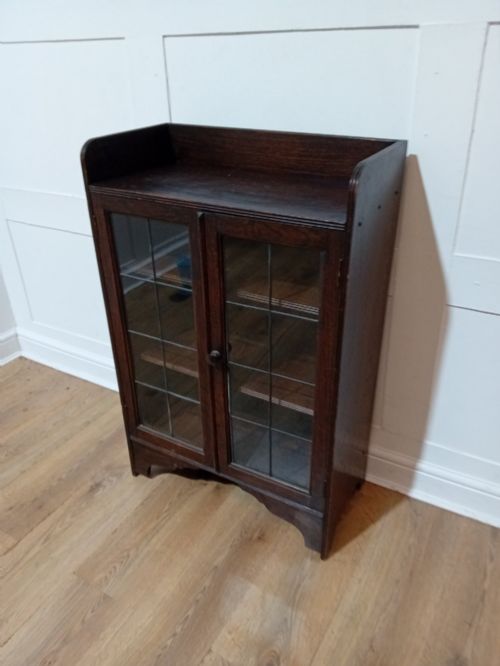
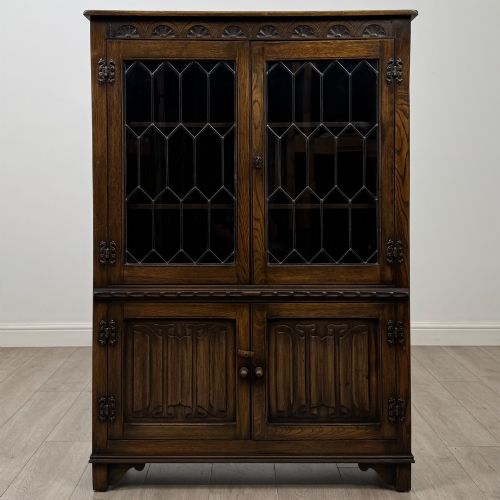
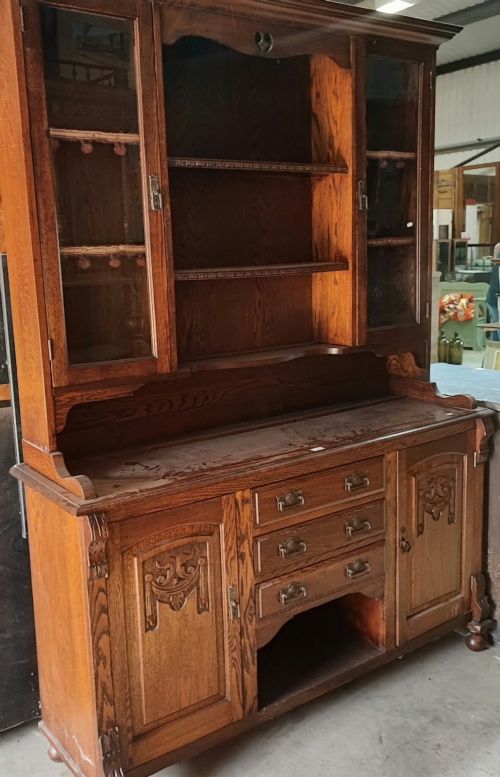
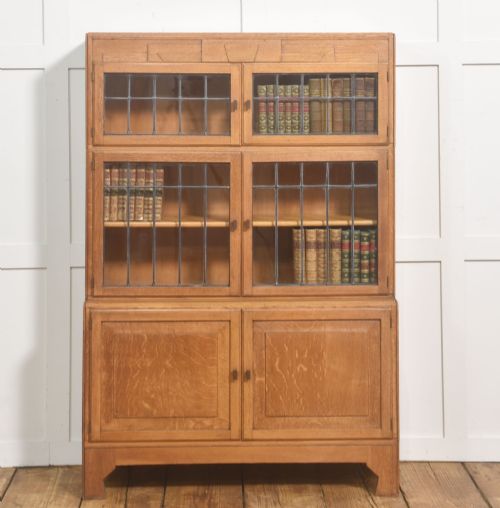
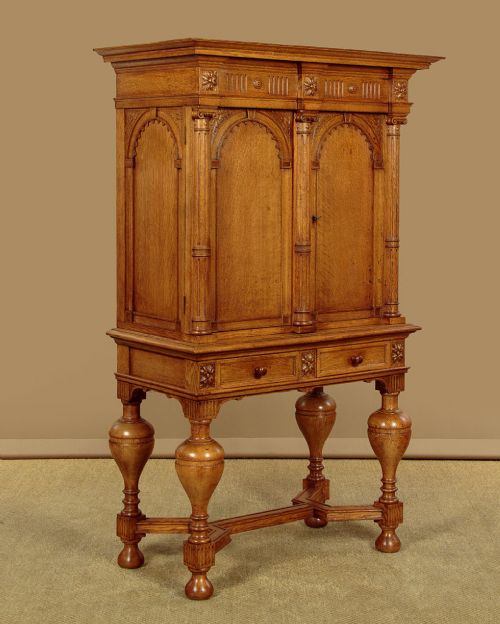
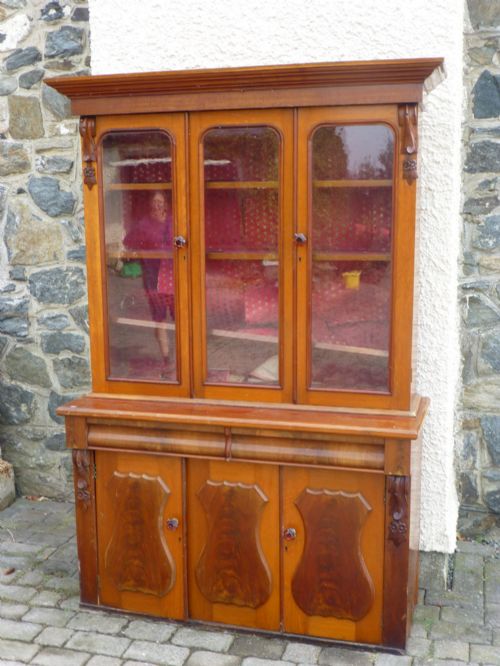
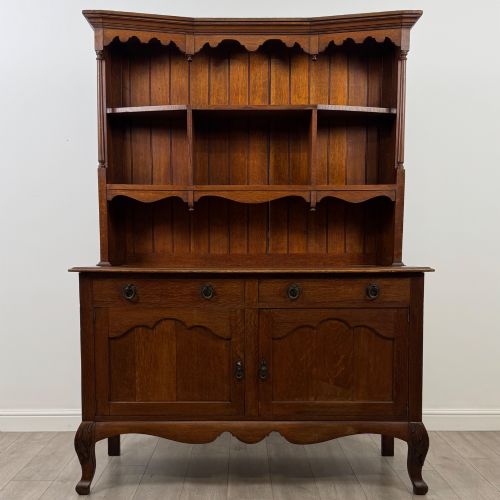
Vintage Oak Display Cupboard
A vintage oak display cupboard brings practical storage and visible shelving into a room, spanning periods from the eighteenth century to the twentieth.
Vintage Oak Display Cupboard
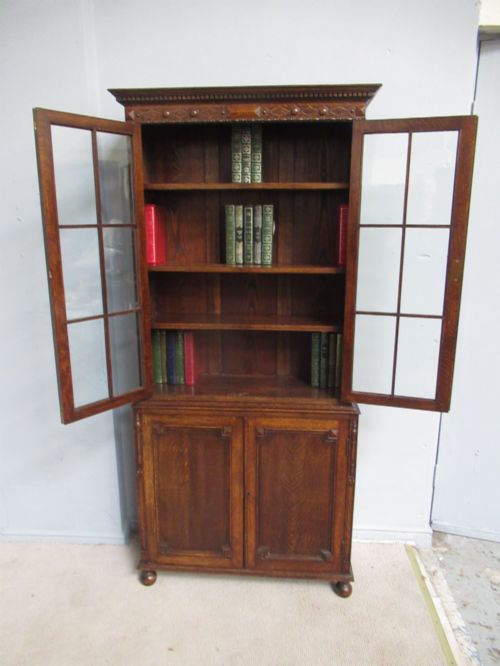
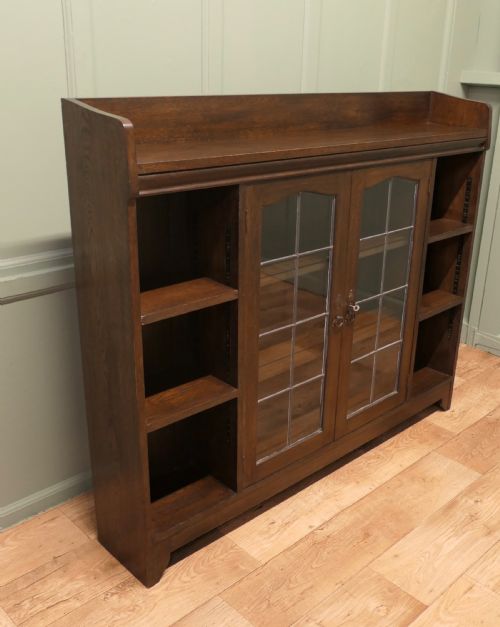
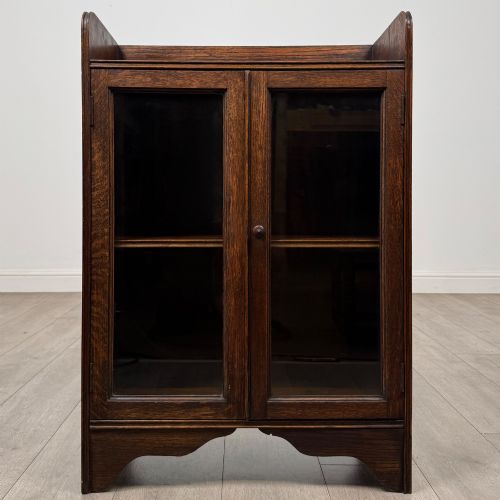
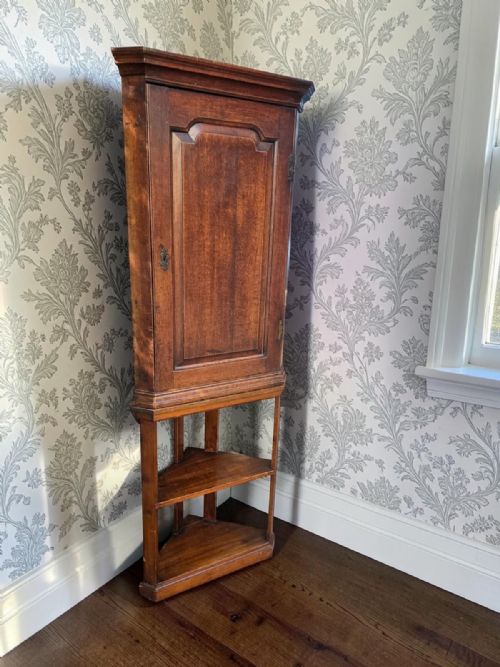
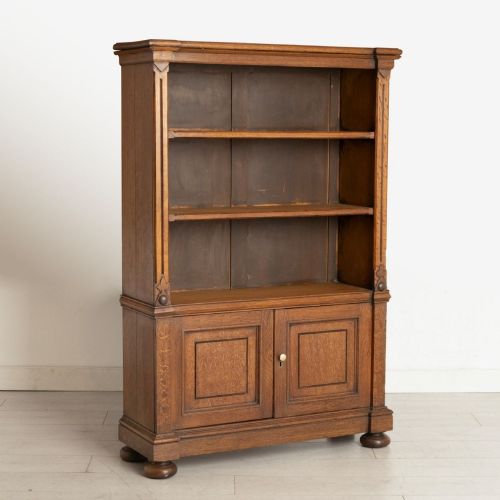
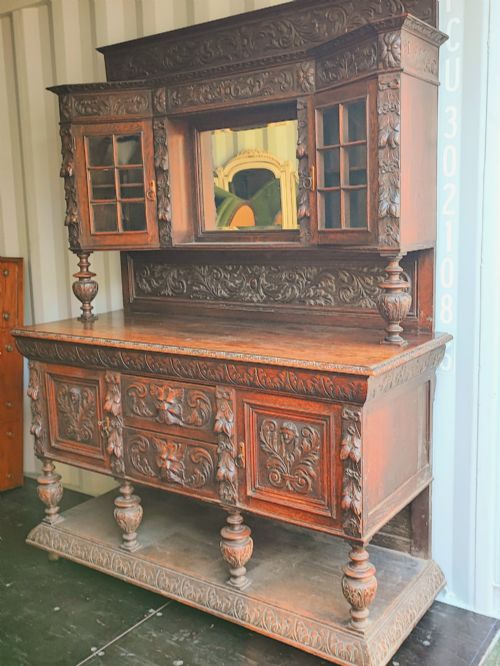
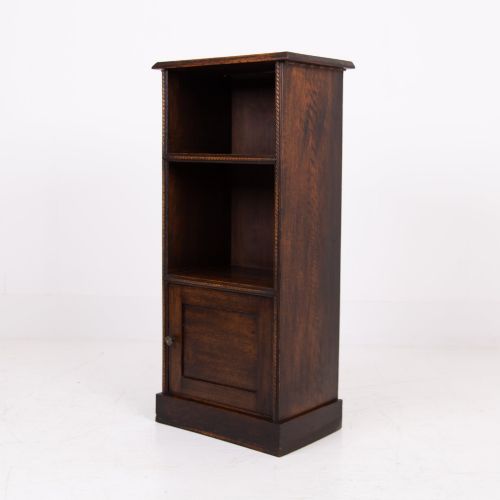
A vintage oak display cupboard serves to hold and exhibit collections behind glass while keeping items secure. When you search for this phrase, you encounter a variety of forms including bookcases, corner cabinets, dressers, and cabinets on stands.
The pieces on this page lean heavily towards twentieth-century examples, Edwardian designs, and nineteenth-century furniture. You will frequently find glazed doors, open shelving, and lower cupboards combined within a single structure.
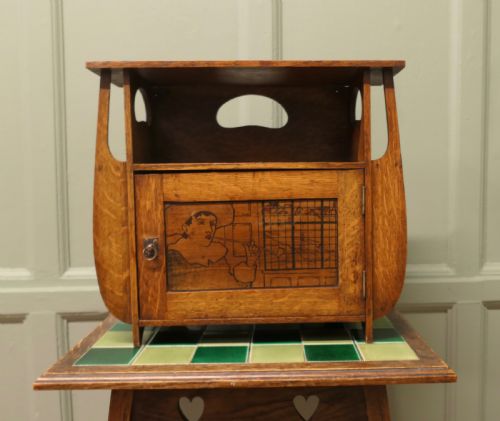
Origins range across English, Welsh, and Dutch workshops, taking influence from Georgian, Victorian, Jacobean Revival, Arts and Crafts, and Art Deco styles. This diversity means the proportions and decorative carving differ significantly from one piece to the next.
How they were made
Carpenters constructed these cupboards primarily using solid oak and tiger oak, occasionally incorporating mahogany for contrast or secondary elements. Glass panels form the front of glazed display sections, held in place by wooden glazing bars or lead cames.
Hardware details rely on brass, iron, and metal for hinges, handles, and locks. Certain cabinets integrate fabric linings behind the shelving or incorporate linenfold panels carved directly into the timber.
Some library bookcases retain the quiet scent of old paper after a century of holding school books.
What varies in quality
The standard of carving and the selection of timber set examples apart, with golden oak and tiger oak grain showing superior visual depth. Finer pieces demonstrate precise joinery in the door frames and drawer construction, alongside original brass or iron hardware.
Proportion and decorative restraint distinguish workshop output, as seen in clean Arts and Crafts lines versus heavier Jacobean Revival mouldings. The clarity of the glass and the integrity of the original hinges also indicate the grade of manufacture.
The Vintage Oak Display Cupboard Glossary
- Tiger oak
- Timber exhibiting prominent medullary rays that create a striped pattern resembling tiger skin. This figure appears frequently in high-grade nineteenth-century furniture.
- Linenfold
- A style of wood carving that imitates folded parchment or linen. It surfaces on panels of Edwardian and revival cabinets.
- Lead came
- Soft metal rods used to hold small panes of glass together in leaded windows and cabinet doors. It provides structural support while creating geometric designs.
- Welsh dresser
- A traditional form combining open plate racks or shelving above with enclosed cupboards or drawers below. They appear widely in oak across the eighteenth and nineteenth centuries.
- Corner cabinet
- A storage piece built with a triangular footprint to fit snugly into room angles. Versions range from floor-standing units to hanging cupboards.
Vintage Oak Display Cupboard: Frequently Asked Questions
How do I date an oak display cupboard?
Dating relies on examining the construction methods, handle types, and stylistic influences present in the woodwork. Edwardian and twentieth-century pieces often display lighter proportions compared to robust nineteenth-century or eighteenth-century examples.
Hardware and joinery marks further help narrow the decade of production. Revival styles like Jacobean or Art Deco also point directly to the era when the cabinet was manufactured.
What is the difference between a bookcase and a display cabinet?
Bookcases generally feature open shelving for holding volumes, though many vintage examples include glazed doors to protect the contents. Display cabinets focus specifically on exhibiting ornaments and collections behind glass.
Combination pieces bridge this distinction by offering upper glazed display compartments alongside lower wooden cupboards or drawers. Both forms utilise oak as a primary structural timber.
Where should I place a corner cabinet?
Corner cabinets fit neatly into unused room junctions, making them practical for smaller spaces or awkward layouts. Floor-standing variants anchor the corner while providing height and display capacity.
They pair well with existing wooden furniture of similar tones. Positioning them away from direct sunlight protects the oak finish and any displayed items.
How do I care for vintage oak furniture?
Maintaining vintage oak involves dusting regularly with a soft, dry cloth and avoiding silicone-based polishes. Occasional application of quality beeswax nourishes the timber and preserves the natural grain.
Keep the cupboard away from excessive heat sources and sudden humidity changes to prevent the wood from warping. Ensure the brass or iron hardware remains clean and dry.