

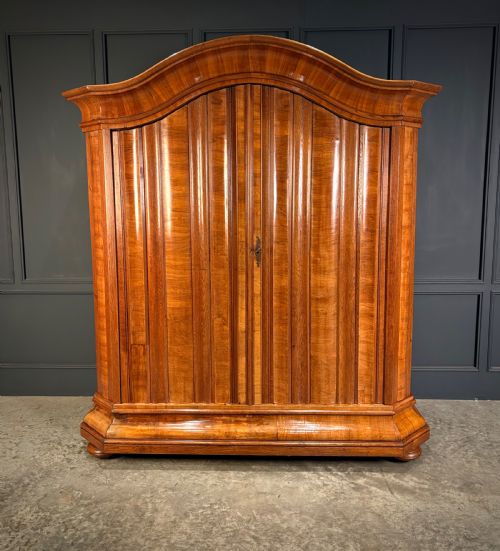


Vintage Oak Clothes Cupboard
A vintage oak clothes cupboard provides sturdy bedroom storage, bringing warm timber grain and traditional craftsmanship into modern spaces.
Vintage Oak Clothes Cupboard
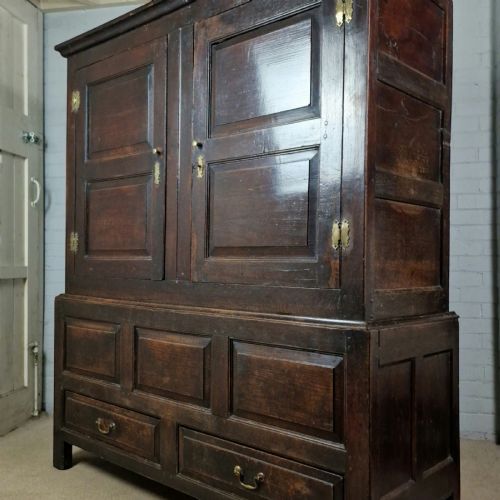
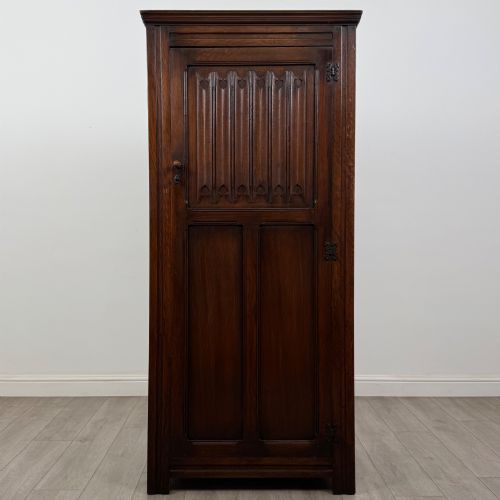
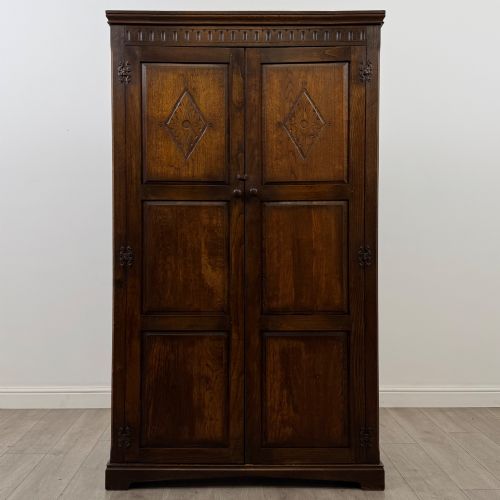
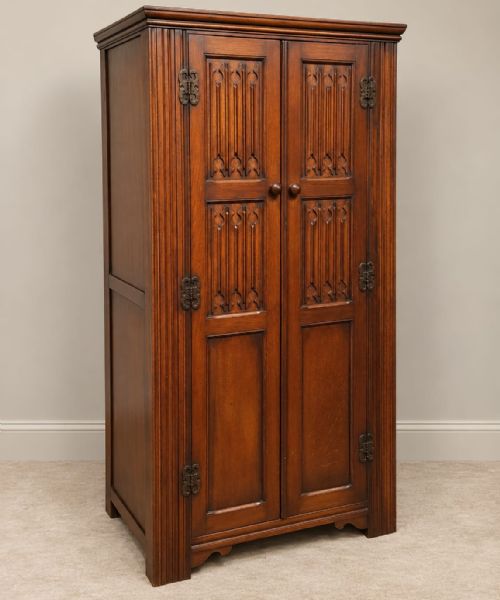
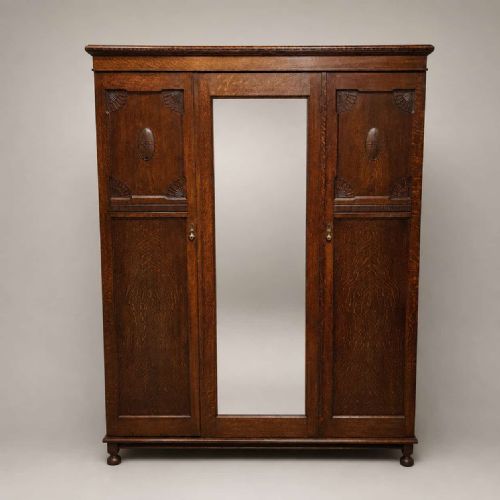
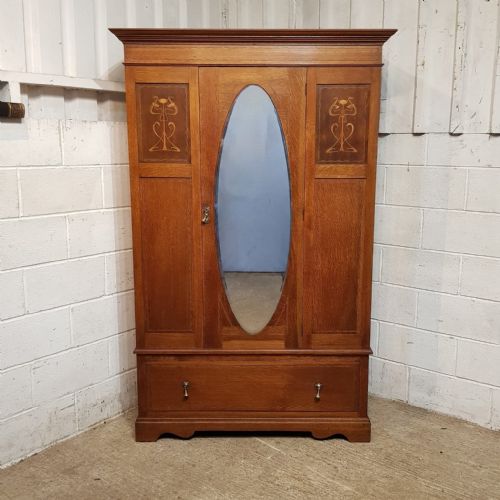
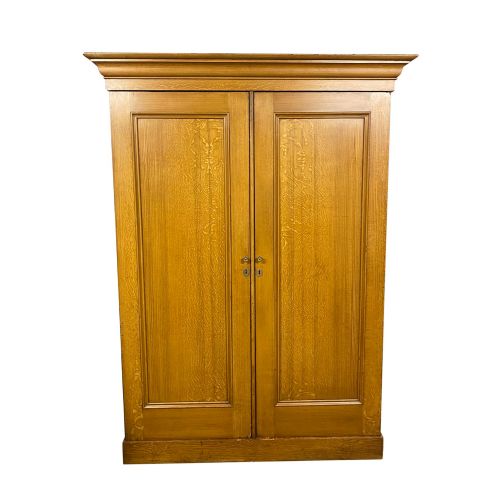
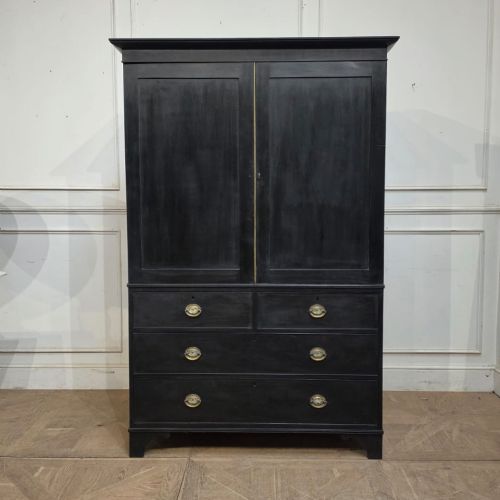
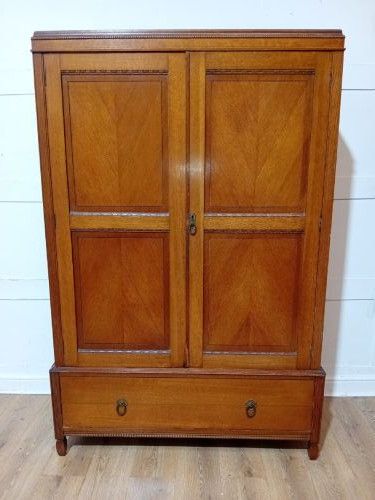
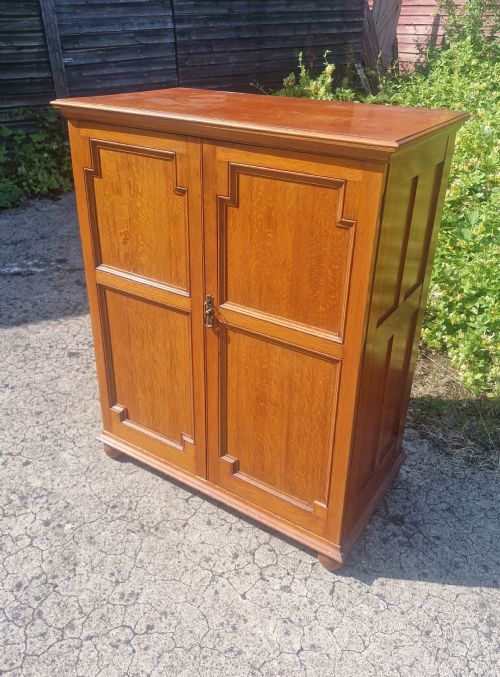
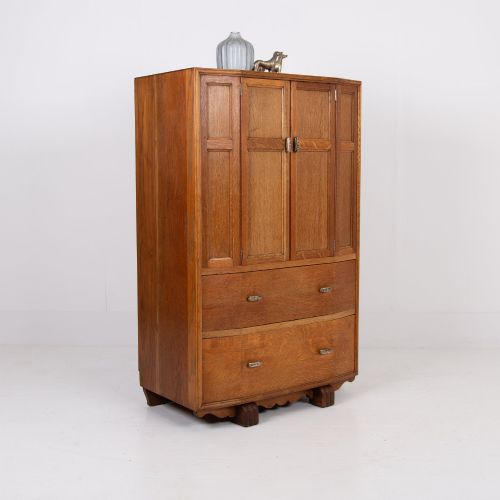
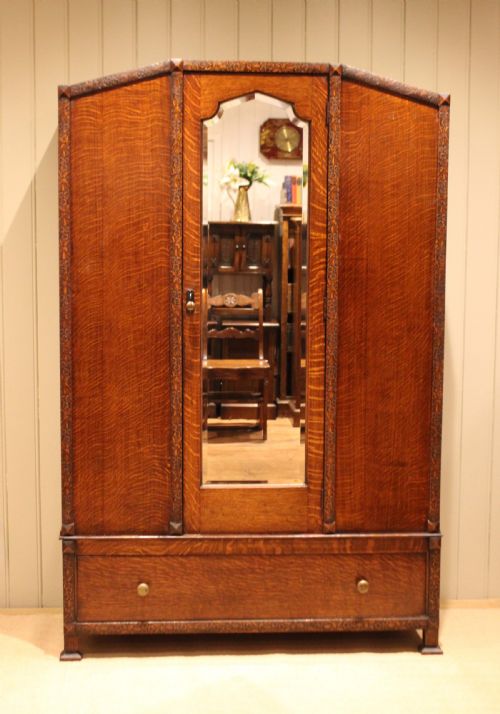
A vintage oak clothes cupboard serves as a substantial storage solution, combining practical hanging space and shelving within a durable timber frame. When searching for a vintage oak clothes cupboard, buyers encounter forms ranging from Georgian linen presses and Victorian compactums to Edwardian wardrobes and Art Deco tallboys.
The pieces listed here showcase a rich variety of regional and stylistic influences, including French armoires, English country pieces, and Cotswold School interpretations. Most examples utilise solid oak, often complemented by brass hardware, glass mirrors, and occasional painted finishes.
Buyers select these items to introduce genuine period character into bedrooms while securing ample room for garments and linens. The selection spans multiple decades, ensuring options suit both compact rooms and expansive chambers.
Materials and construction methods
Cabinet makers relied primarily on solid oak, selected for its density and striking grain patterns, sometimes enhanced by ebonising or scumble paintwork. Joinery techniques varied from traditional pegged framing in earlier Georgian pieces to machine-assisted production in later Edwardian and Art Deco examples.
Hardware played a functional and decorative role, with brass handles, hinges, and key escutcheons fitted to doors and drawers. Mirrored glass panels also appeared frequently on early twentieth-century doors, requiring precise framing to support the added weight.
One remarkably honest eighteenth-century armoire arrived with a flat-pack design long before modern furniture stores claimed the idea.
Markers of superior craftsmanship
Quality in these wardrobes rests on the selection of timber and the integrity of the structural joinery, where tight joints and well-fitted doors indicate expert execution. The presence of original hardware, unaltered interiors, and maker labels distinguishes exceptional examples from standard production pieces.
Carved details and decorative elements reveal the hand of the maker, moving from crisp, deliberate chisel work to simpler, mass-produced mouldings on lesser items. The balance of proportions and the condition of the timber finish ultimately determine the standing of each piece.
Harris Lebus·Heals of London
The Vintage Oak Clothes Cupboard Glossary
- Compactum
- A multi-functional wardrobe combining hanging space, drawers, and shelving within a single cabinet. This form maximises interior storage capacity without requiring excessive floor space.
- Linen Press
- A tall storage piece featuring upper sliding trays or shelves enclosed by doors, positioned above a chest of drawers. These cabinets originally stored household linens flat before the widespread use of hanging wardrobes.
- Livery Cupboard
- A traditional term for a large freestanding storage cupboard used for food or clothing. Early versions often feature panelled doors and sturdy oak framing.
- Armoire
- A large European wardrobe with doors enclosing hanging space or shelving. Continental versions frequently showcase carved panels and proportions distinct from British equivalents.
- Scumble Paint
- A decorative finishing technique applied to imitate finer grain patterns or wood types. Artisans manipulated translucent paint layers over a base coat to create faux oak effects.
Vintage Oak Clothes Cupboard: Frequently Asked Questions
How do I fit a modern clothes hanger inside?
Many older wardrobes feature shallower depths than contemporary units, meaning standard hangers might need to be angled or replaced with narrower alternatives.
Checking the internal hanging depth before purchase ensures your garments will hang straight without crushing the doors.
Are these cupboards easy to dismantle for transport?
Some period designs, particularly Continental armoires and certain flat pack variants, utilise knock-down construction with wooden pegs or bolts for straightforward assembly.
Standard British wardrobes of the Victorian and Edwardian eras typically remain solid, requiring careful measurement of stairwells and doorways prior to delivery.
How should I care for the oak finish?
Regular dusting with a dry, soft cloth prevents particle buildup, while periodic applications of quality beeswax nourish the timber and maintain its natural lustre.
Avoid placing these cupboards near direct heat sources or strong sunlight to prevent the oak from drying out or splitting.
What is the difference between a press and a wardrobe?
A press traditionally incorporates internal sliding trays or shelves designed for folded linens, often set above a base of drawers.
A wardrobe focuses primarily on vertical hanging space for garments, though many transitional pieces combine both internal layouts.