

Vintage Oak Bookcase
A vintage oak bookcase provides sturdy shelving for volumes while bringing the warmth of hardwood into a room.
Vintage Oak Bookcase
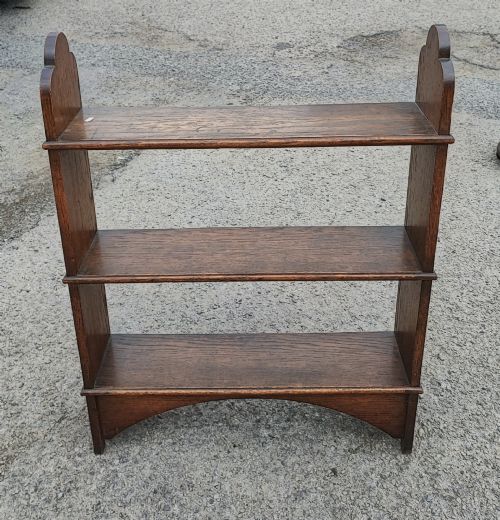
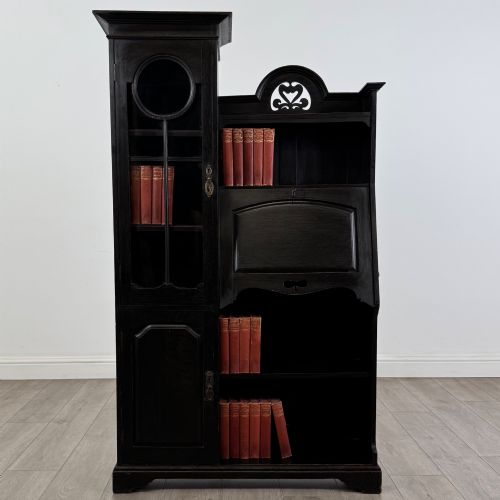
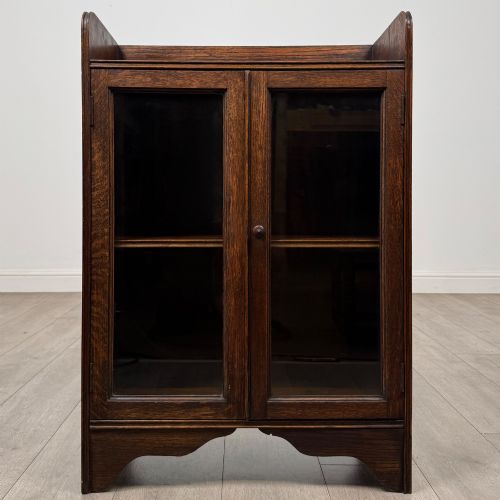
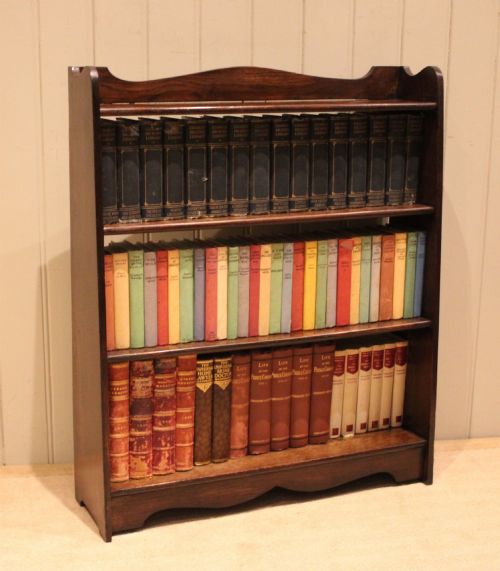
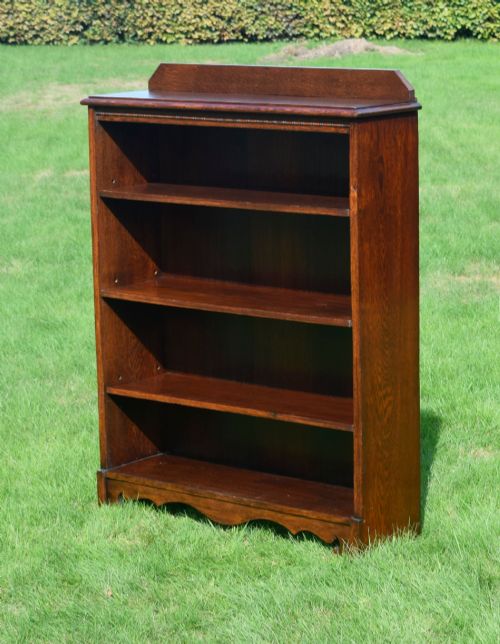
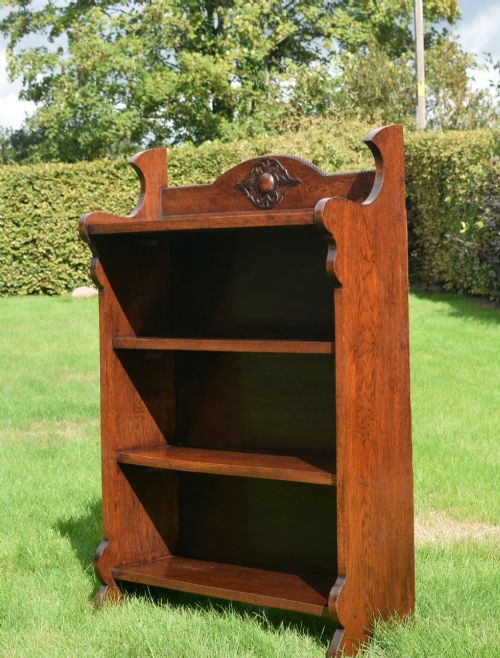
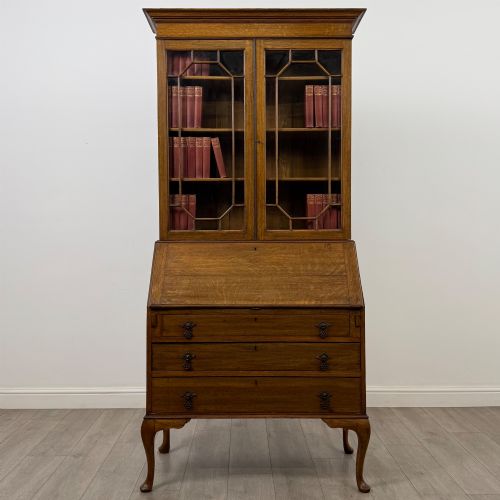
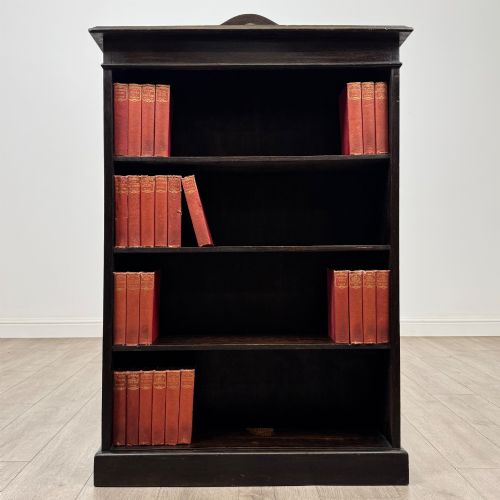
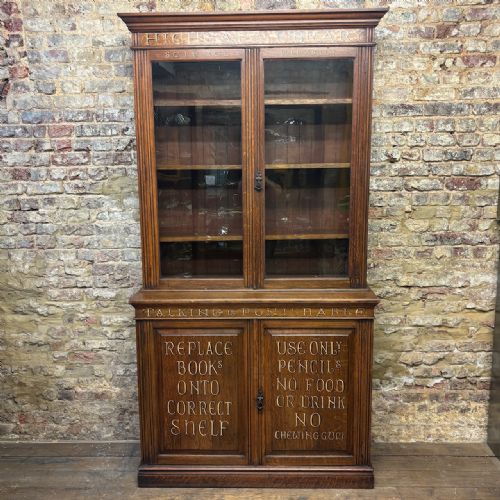
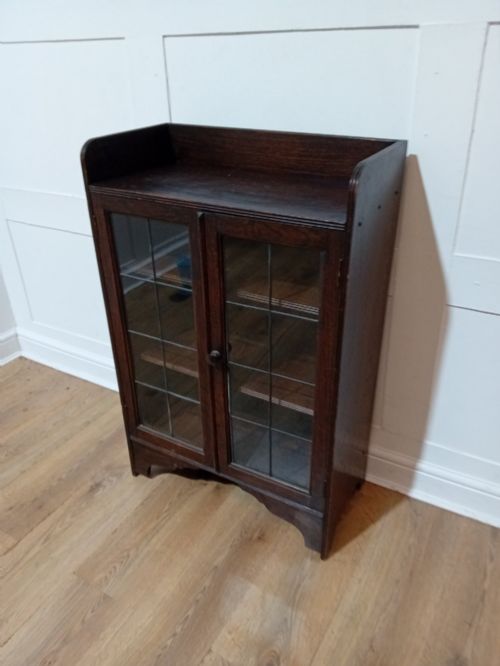
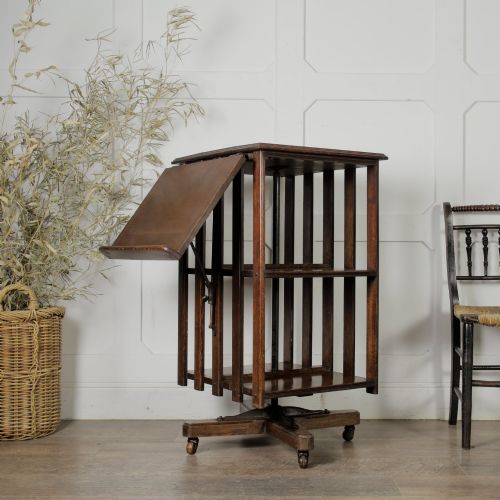
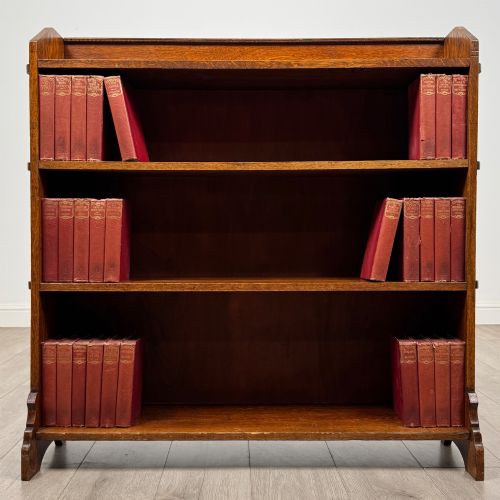
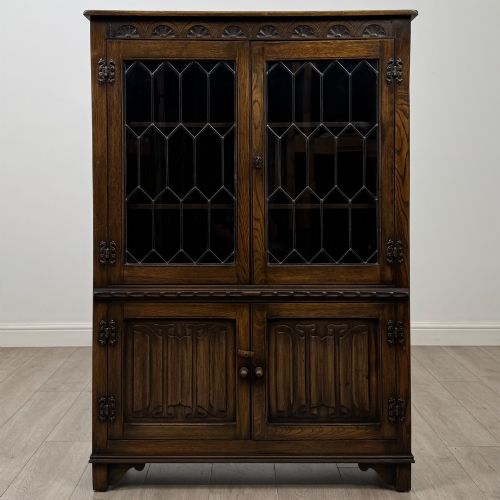
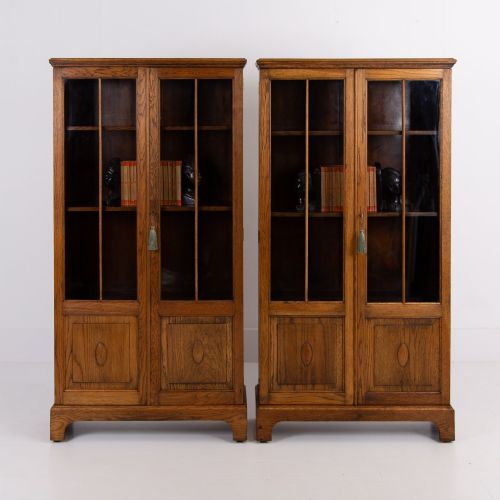
When searching for a vintage oak bookcase, buyers encounter a range of forms spanning from the nineteenth century through the mid-twentieth century. The selection includes open shelf designs, glazed display cabinets, bureau bookcases, and sectional barrister styles produced during periods such as the Edwardian era, the nineteen-twenties, and the nineteen-thirties.
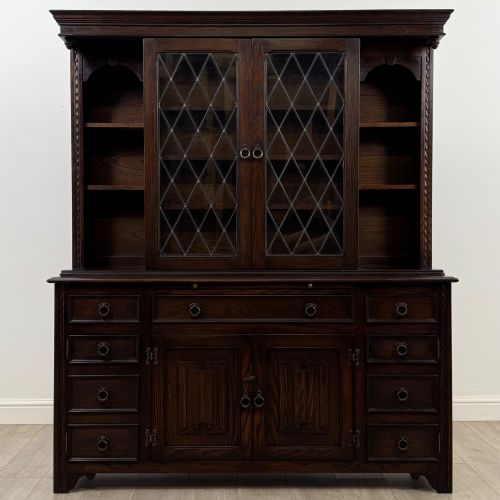
Open bookcases and glazed cabinets dominate the listings, frequently demonstrating styles rooted in the Arts and Crafts movement, Art Deco, or revival aesthetics like Tudor and Jacobean. These pieces serve practical library functions in domestic settings while showcasing the distinct grain and tone of oak timber.
What varies in quality
The standard of construction differs between standard utility furniture and pieces attributed to specific workshops or notable designers. Hand-carved detailing, leaded glass work, and solid backboards distinguish finer examples from standard commercial output.
Proportion and timber selection also set pieces apart, with carefully matched grain patterns and substantial hardware indicating higher workmanship. Retained maker marks or stamps provide definitive attribution.
Vintage Oak Bookcase Retail Price Guide 2026
Typical asking prices for vintage oak bookcase among the pieces listed under this phrase on Sellingantiques today, from the lower quarter to the upper quarter. They describe what is for sale here now, not the wider market.
Listings feature oak combined with glass, brass, lead, iron, and mahogany across Edwardian, Art Deco, and Arts and Crafts styles.
Heals·Globe Wernicke
The Vintage Oak Bookcase Glossary
- Bureau bookcase
- A combination furniture form featuring a sloping writing flap above shelving or enclosed storage compartments. This dual-purpose design allowed for both correspondence and book storage.
- Barrister bookcase
- A modular sectional bookcase with glass doors that lift and slide inward above each shelf tier. Originating for legal offices, it protects volumes from dust.
- Linenfold
- A carved wood panel motif resembling folded cloth or linen. It frequently appears on cabinet doors from revival periods.
- Arts and Crafts
- A design movement prioritising honest construction, visible joinery, and simplicity of form. Pieces often display understated handcraftsmanship rather than heavy ornamentation.
Vintage Oak Bookcase: Frequently Asked Questions
How do I date an oak bookcase?
Dating relies on stylistic clues, construction methods, and materials present in the piece. Arts and Crafts and Edwardian examples often show specific hardware and joinery traits typical of the early twentieth century.
Later pieces from the nineteen-thirties might display Art Deco geometry or limed oak finishes. Comparing these details against known period characteristics helps establish an approximate decade of manufacture.
What is a barrister bookcase?
A barrister bookcase is a stackable unit featuring individual glass-fronted shelves that lift and recess into the case. Originally designed for lawyers to transport and protect their law libraries, the modular format allows sections to be added or separated easily.
These pieces use mechanical linkages to operate the glazed doors smoothly. They remain popular for keeping dust off volumes while offering visibility.
Are shelves adjustable in vintage bookcases?
Many open bookcases feature adjustable shelving supported by wooden pegs, metal pins, or fixed rack strips. This adaptability accommodates volumes of varying heights.
Fixed shelves appear more frequently in older or simpler construction formats. Checking the interior uprights reveals whether the height can be altered.
How do I care for vintage oak?
Maintenance involves keeping the timber away from direct heat sources and strong sunlight to prevent drying or fading. Regular dusting with a soft, dry cloth preserves the polished surface.
Occasional application of appropriate wax feeds the grain without building up heavy residues. Avoid harsh chemical cleaners that strip the original finish.