



Vintage Nursery Chair
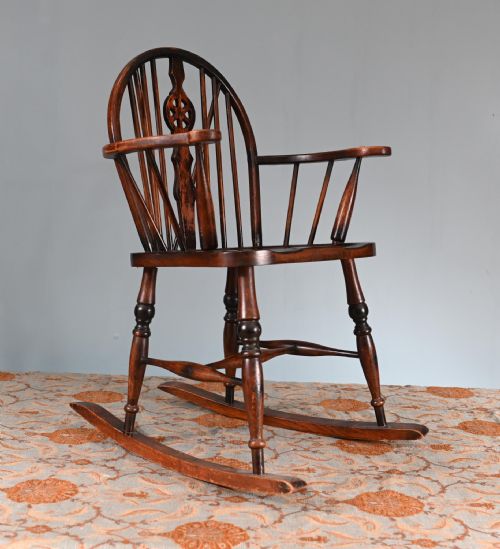
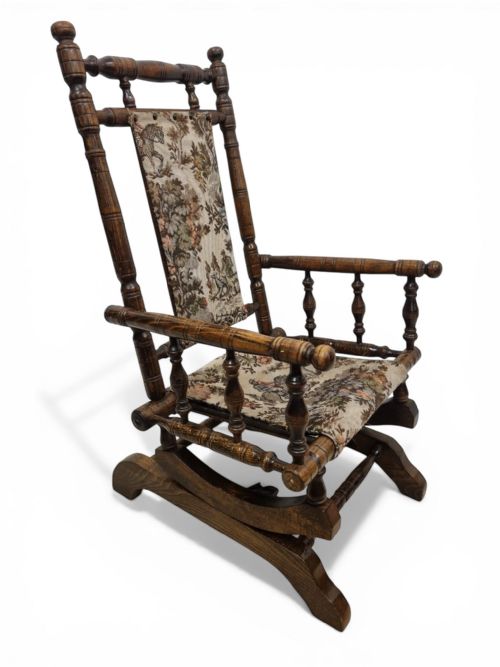
A vintage nursery chair brings small-scale seating into domestic spaces, offering traditional craftsmanship suited for children.
Vintage Nursery Chair
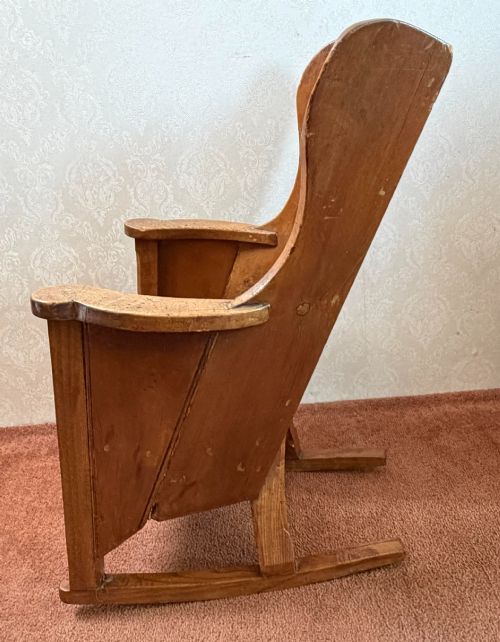
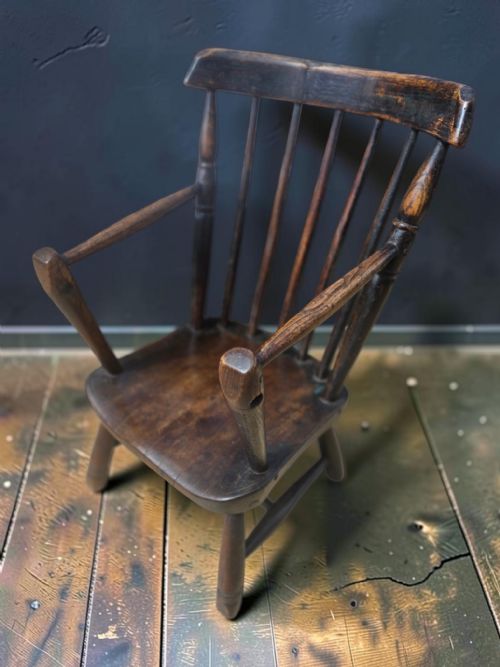
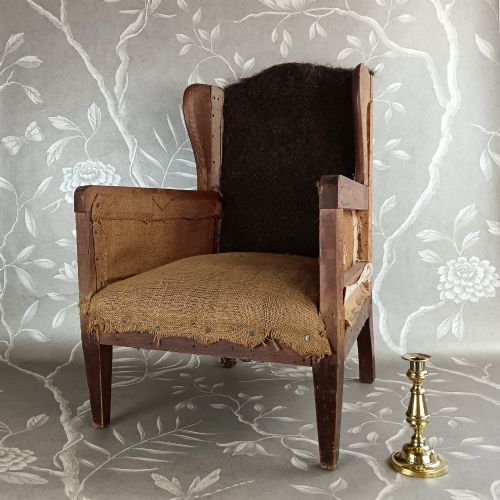
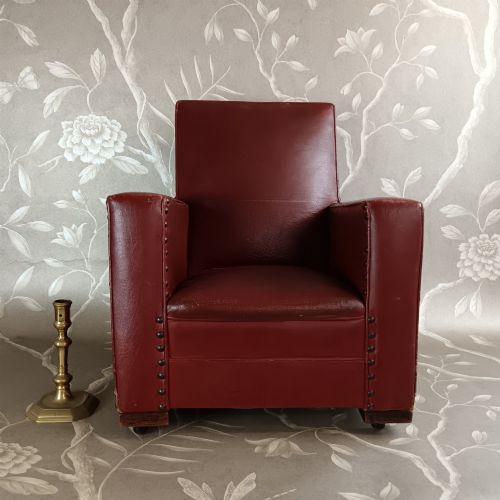
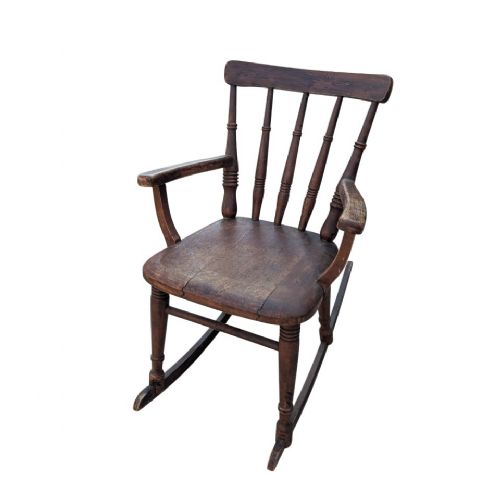
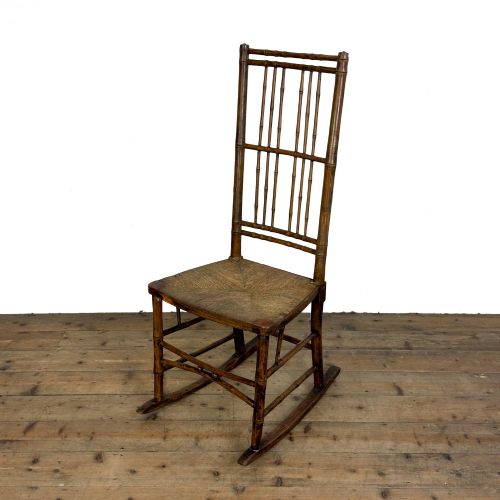
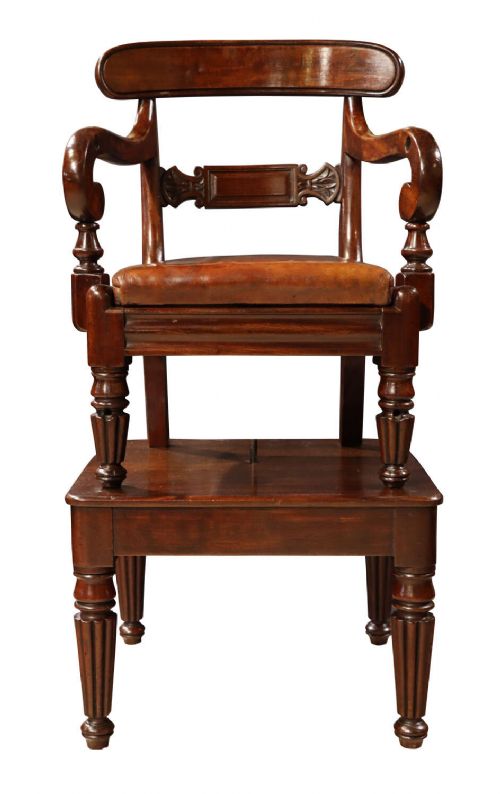
A vintage nursery chair encompasses a variety of small-scale seating designed for children across past centuries, including rocking chairs, armchairs, and high chairs. These pieces emerge from periods such as the Georgian, Victorian, and Edwardian eras, alongside early twentieth-century examples.
The selections available range from rustic country styles to refined mahogany designs. Buyers frequently encounter low rocking chairs, Windsor forms, and metamorphic high chairs originating from English, Scandinavian, and European workshops.
Standards of construction
Quality rests upon the selection of timber and the integrity of the original joinery. Solid hardwood frames with well-executed turnings and stable rocking mechanisms represent superior production.
The preservation of original materials, such as cane seats, upholstery, or painted surfaces, distinguishes finer examples from heavily altered pieces.
Vintage Nursery Chair Retail Price Guide 2026
Typical asking prices for vintage nursery chair among the pieces listed under this phrase on Sellingantiques today, from the lower quarter to the upper quarter. They describe what is for sale here now, not the wider market.
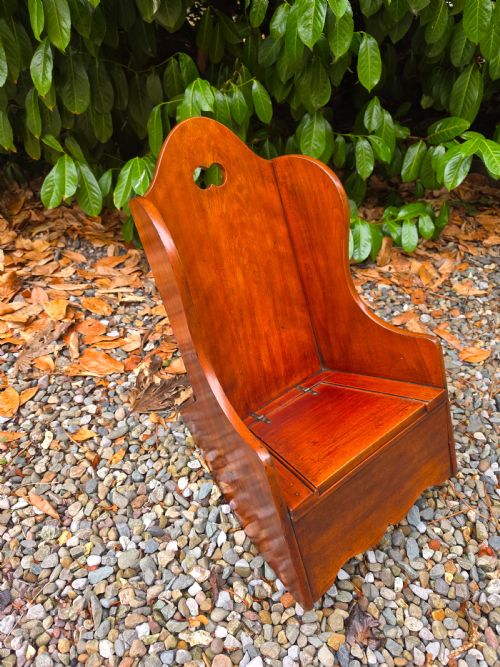
Several small rocking chairs conceal chamber pots beneath their seats, combining infant care with domestic convenience.
The Vintage Nursery Chair Glossary
- Metamorphic high chair
- A piece of children's furniture designed to transform from a high chair into a low chair and table combination. This ingenious mechanism served dual purposes in the Victorian nursery.
- Bergere
- A type of upholstered armchair featuring enclosed cane panels on the back and sides. The technique provides a lighter visual weight.
- Potty rocker
- A specialised rocking chair fitted with a commode or enclosed potty seat beneath the cushion. These functional pieces date primarily to the Georgian and Victorian periods.
- Faux bamboo
- Wood turned and painted to imitate the segmented stalks of natural bamboo. This decorative treatment gained popularity during the Victorian era.
Vintage Nursery Chair: Frequently Asked Questions
What is a nursery chair?
A nursery chair is a low-seated chair historically used by nurses and mothers for sitting comfortably while tending to infants. In contemporary contexts, these small seats function as decorative items or child-sized seating.
They appear in various forms, from simple elm Windsor models to upholstered Victorian armchairs and rocking chairs.
How do I date an old child's chair?
Dating relies upon observing the prevailing style, construction methods, and materials associated with specific historical periods. Georgian and Victorian examples typically display hand-turned elements and traditional joinery.
Later pieces from the Edwardian era or the 1920s and 1930s often incorporate art deco influences or machine-made components.
Are these chairs safe for children?
Many antique children's chairs were built for practical use with sturdy hardwoods like oak, ash, and mahogany. However, collectors primarily value them as decorative antiques or display pieces rather than for modern nursery use.
Buyers should assess the structural stability and historical integrity of each individual frame.
What woods were used for nursery chairs?
Cabinetmakers and country craftsmen utilised a wide selection of local and imported timbers. Elm and beech frequently appear in rustic country chairs, while formal pieces utilise mahogany and walnut.
Fruitwood and ash also feature prominently in regional seating from the eighteenth and nineteenth centuries.