



Vintage Nursery Armchair
A vintage nursery armchair is a scaled-down seat intended for children, bringing period craftsmanship and domestic history directly into smaller spaces.
Vintage Nursery Armchair
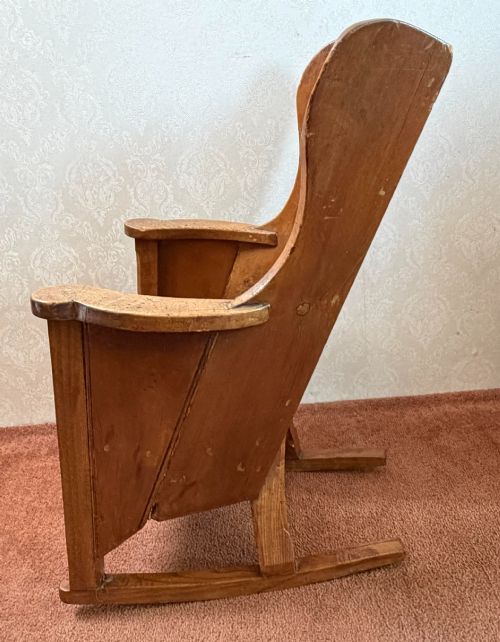
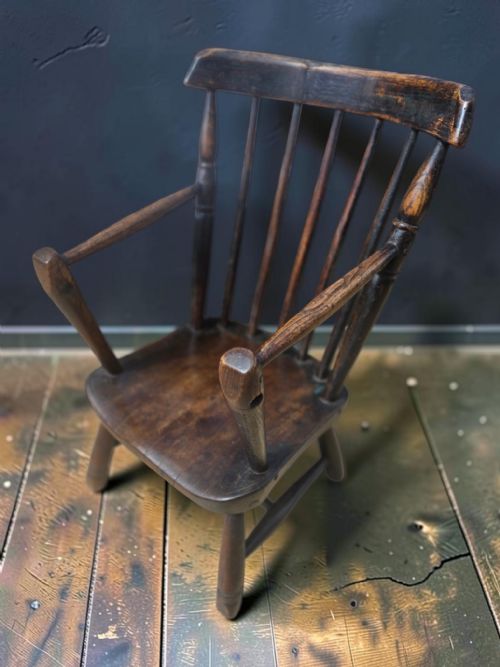
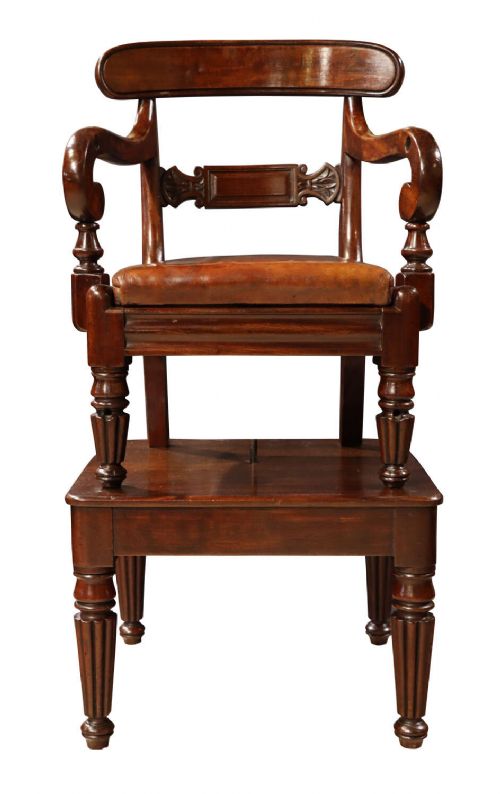
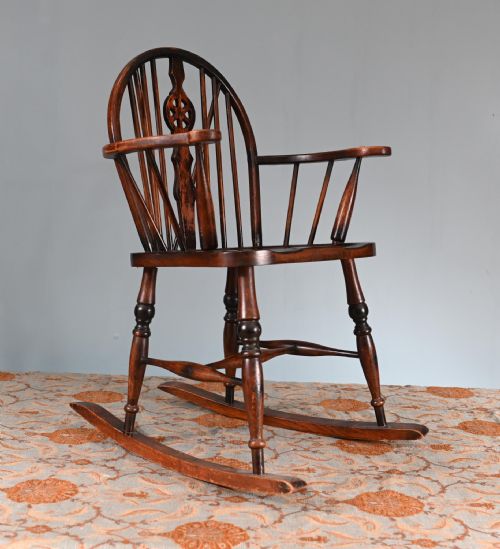
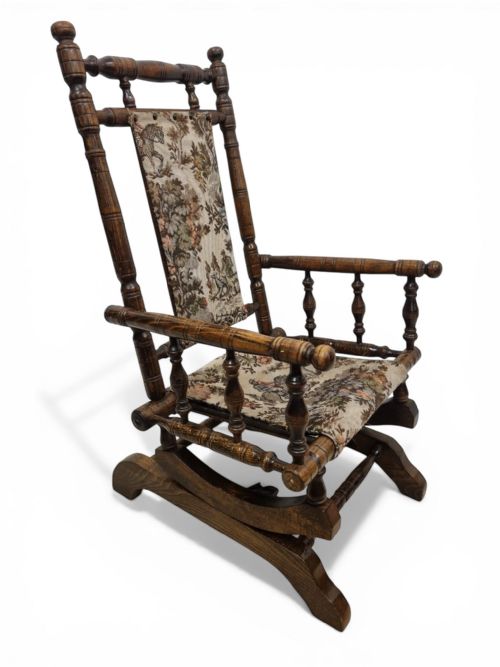
A vintage nursery armchair encompasses a wide variety of small-scale seating designed specifically for children across multiple historic periods. The selection spans robust vernacular pieces to formal revival styles, reflecting the domestic habits of past centuries.
Buyers will encounter numerous variations ranging from simple rocking chairs to high chairs and wingbacks. Materials stretch from native woods like elm and ash to upholstered pieces finished in leather or fabric.
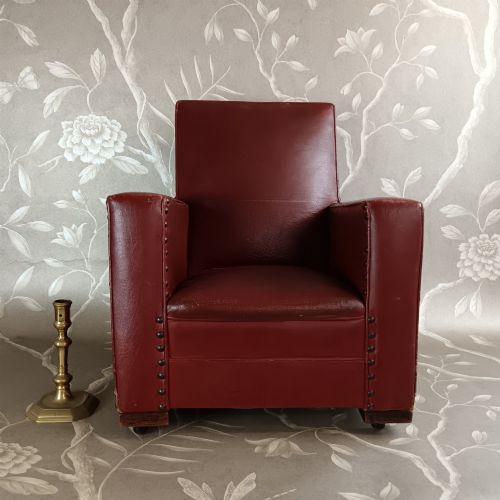
Origins vary from English country workshops to formal urban cabinet makers, encompassing styles from the Georgian era through the Victorian and Edwardian periods up to Art Deco designs.
Materials and construction
Construction relies heavily on traditional timber framing, utilising solid hardwoods such as mahogany, oak, walnut, beech and yew. Many country examples combine ash and elm for strength and flexibility in steam-bent components.
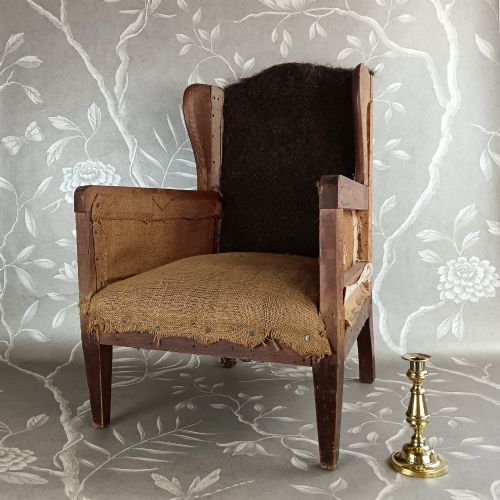
Upholstered versions incorporate traditional stuffing covered in tapestry, fabric or leather, while other models feature woven cane seats and backs. Joinery ranges from Windsor turnings and hoopbacks to precise cabinet work on mahogany high chairs.
Vintage Nursery Armchair Retail Price Guide 2026
Typical asking prices for vintage nursery armchair among the pieces listed under this phrase on Sellingantiques today, from the lower quarter to the upper quarter. They describe what is for sale here now, not the wider market.
Some miniature chairs even include small matching stands to elevate the child safely above cold nursery floors.
Assessing quality
Quality rests upon the integrity of the timber selection and the fidelity of the period style, whether dealing with a vernacular country Windsor or a formal Georgian revival piece. Finer examples display careful proportioning that mirrors full-sized furniture rather than appearing merely clumsy or crude.
The sophistication of the construction details, from turned spindles and carved splats to well-fitted cane work and original upholstery materials, separates standard utility items from superior workshop productions.
The Vintage Nursery Armchair Glossary
- Windsor chair
- A wooden chair built with a solid saddle-shaped seat into which the legs and back spindles are raked and wedged. These sturdy forms often feature hoopbacks or wheelbacks.
- Wingback armchair
- An upholstered seat with side panels or wings designed to shield the occupant from draughts. Early twentieth-century examples frequently appear in miniature for children.
- Metamorphic high chair
- A multi-functional piece of furniture designed to convert from a high chair into a low chair or a play table. These clever designs often date from the William IV or Victorian periods.
- Commode chair
- A piece of seating furniture incorporating a concealed chamber pot beneath a lidded seat. Victorian mahogany versions are occasionally found scaled down for children.
- Bergere
- An enclosed armchair featuring woven cane work on the back and sides. These lighter frames often date from the nineteenth century.
Vintage Nursery Armchair: Frequently Asked Questions
What is a vintage nursery armchair?
These pieces are miniature or child-sized seats produced in various historic styles, designed for domestic use by children in past centuries.
They mirror the larger furniture of their respective periods, spanning simple country rockers to formal mahogany armchairs.
How were these chairs used historically?
They served as practical seating for children during meals, quiet time or nursery activities, often positioned near adult seating.
Some specialised forms functioned as high chairs for infants or rocking chairs to soothe young children to sleep.
How do I identify the period of a child's chair?
Dating relies on observing the prevailing timber choices, construction techniques and stylistic details characteristic of eras like the Georgian, Victorian or Edwardian periods.
Comparing the turning, upholstery style and overall proportions to full-sized seating helps narrow down the decade of manufacture.
Can children use antique nursery armchairs today?
While many of these chairs remain structurally robust, their suitability for modern use depends on the individual piece's condition and stability.
Many buyers choose to utilise them primarily for decorative display or gentle domestic use in modern nurseries.