



Vintage Novelty Charm
These small pieces of portable design are vintage novelty charm examples, offering miniature representations of everyday objects to wear or carry.
Vintage Novelty Charm
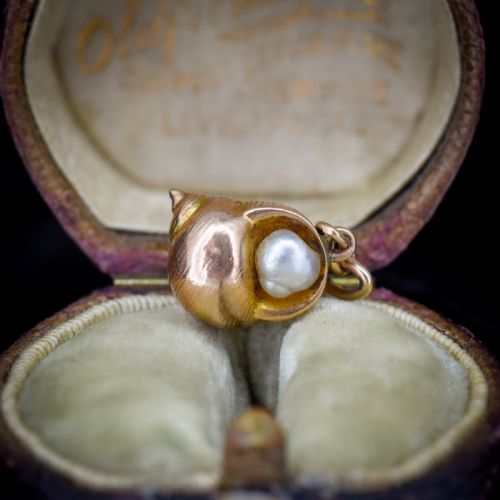
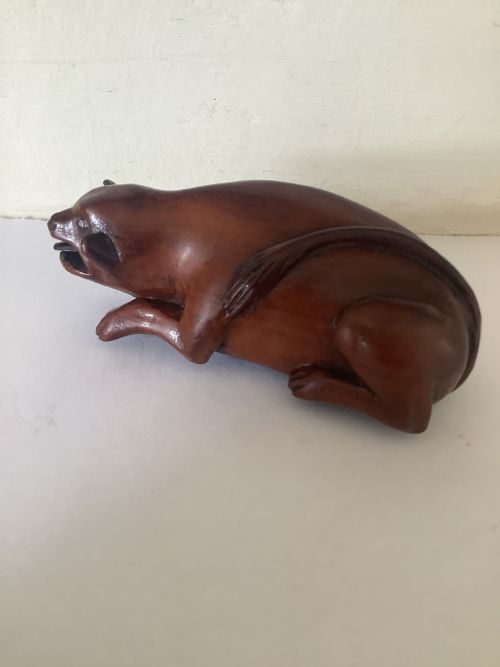
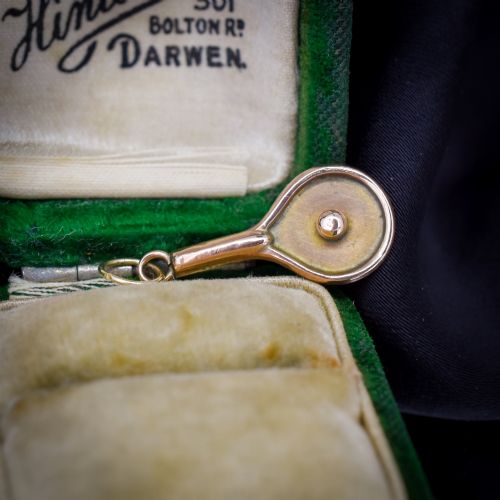
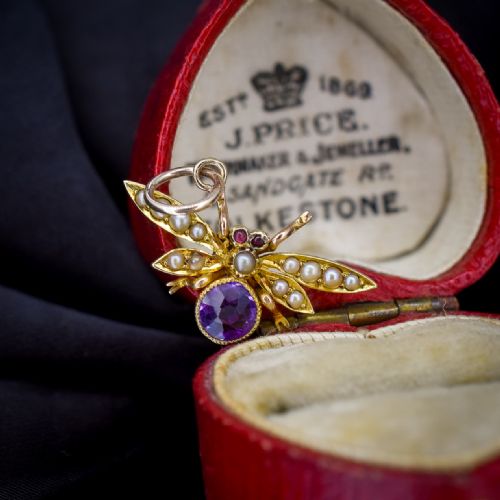
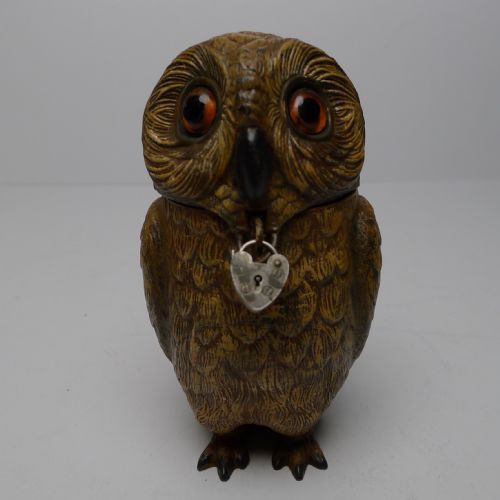
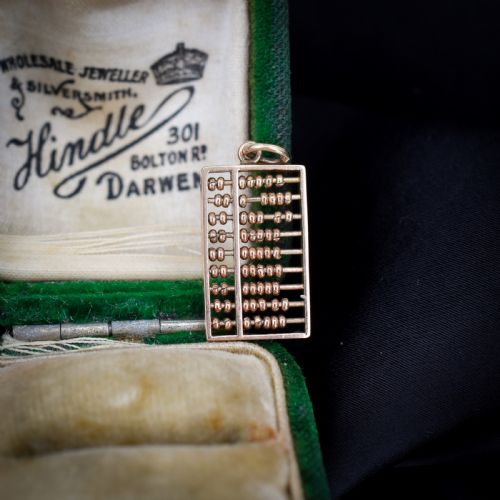
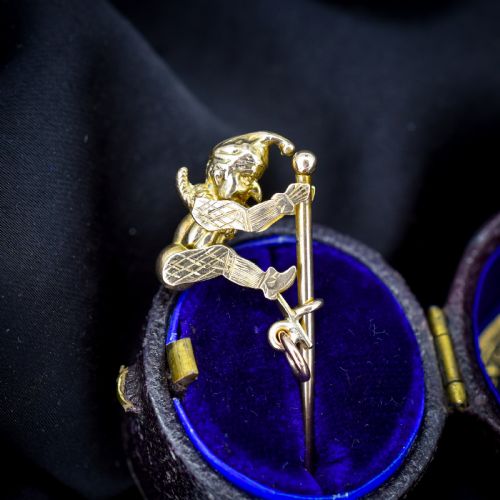
A vintage novelty charm takes familiar items, animals, and figures and shrinks them down into wearable jewellery. Collectors encounter miniature animals, sports equipment, musical instruments, and opening mechanical trinkets across this selection.
The objects span periods from the Victorian era and Edwardian times through to the mid-twentieth century. Gold and silver versions dominate the current inventory, appearing frequently alongside enamel decoration and small gemstones.
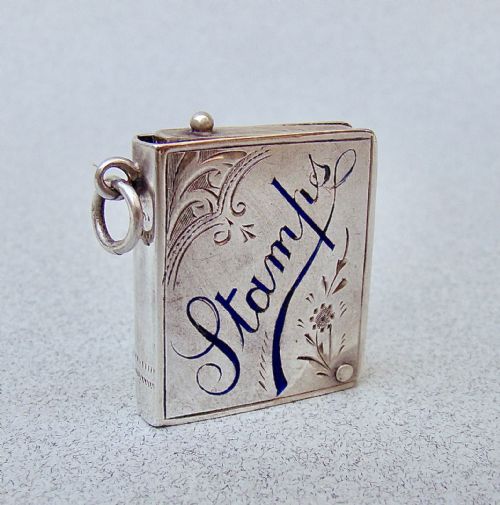
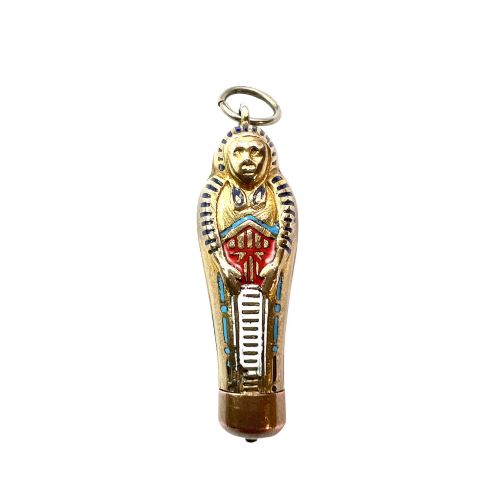
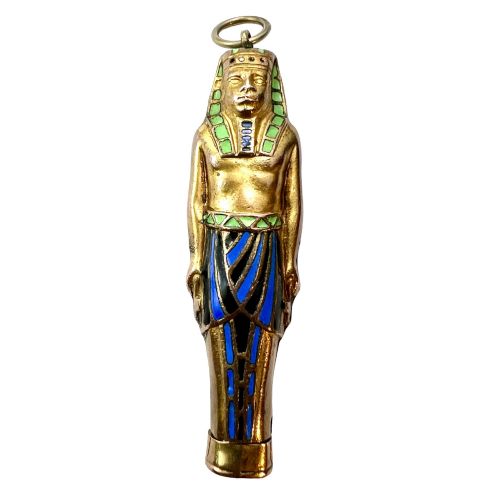
Makers adapted contemporary subjects into functional pendants and fobs, ranging from sports gear and musical instruments to Egyptian Revival sarcophagi and opening books.
Factors influencing quality
The standard of execution in miniature sculpture dictates the success of a piece, particularly in the precision of small-scale modelling. Superior examples display crisp casting and careful proportions rather than soft, indistinct outlines.
Complexity of construction separates standard charms from mechanical or multi-part designs. Items that incorporate working elements, such as sliding figures or opening compartments, demand higher technical skill from the maker.
Listings feature nine-carat gold, sterling silver, and enamel across periods ranging from the Victorian era to the mid-twentieth century.
Crisford and Norris
The Vintage Novelty Charm Glossary
- Enamel
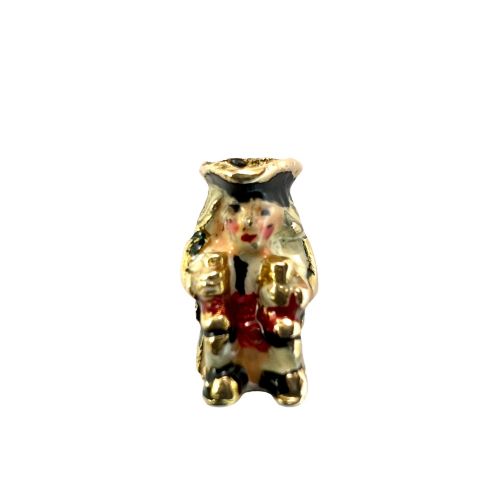
- A glassy substance fused to metal through high-heat firing to add colour and pattern. It provides vibrant decoration on surfaces like miniature dice and Toby jugs.
- Fob
- A short chain or pendant attached to a pocket watch or worn independently. Many novelty items functioned in this capacity on watch chains.
- Propelling pencil
- A mechanical writing instrument with an internal lead-advancing mechanism. Novelty versions often took the form of Egyptian sarcophagi.
- Stamp case
- A small container designed to hold postage stamps securely. Silver examples often took sculptural shapes like books.
- Split ring
- A circular metal fastener formed from a double coil of wire. These hold multiple charms together securely.
Vintage Novelty Charm: Frequently Asked Questions
What is a vintage novelty charm?
A vintage novelty charm is a small pendant or trinket shaped to represent a recognisable object, animal, or character. These miniature items were designed to be worn on bracelets, necklaces, or watch chains.
Craftsmen produced them in metals like gold and silver, frequently adding enamel or gemstones for colour and detail. Subjects range from everyday items to mechanical surprises.
How were novelty charms used?
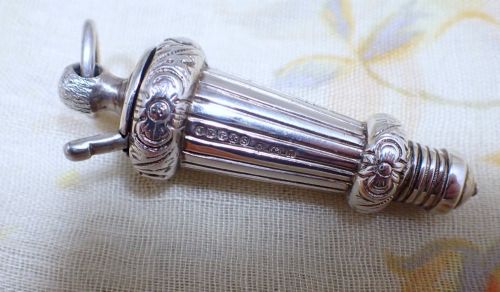
People wore these charms primarily as personal ornaments suspended from bracelets or neck chains. Many pieces also served practical functions as watch fobs, whistles, or mechanical pencils.
Some designs incorporated movable parts or opening sections, allowing the wearer to interact with the miniature object. They often marked personal interests, hobbies, or significant life events.
What materials are common?
Sterling silver and nine-carat gold appear frequently across these miniature items. Makers also utilised gilt metal, wood, and mother-of-pearl for specific objects.
Coloured enamel frequently coats the metal surfaces to highlight specific details, such as the spots on insects or the numbers on dice.
How do you date these pieces?
Dating relies on hallmarks, maker marks, registration numbers, and stylistic characteristics. Victorian and Edwardian examples often feature distinct foliate engraving or high-carat gold, while mid-century pieces display different aesthetic traits.
Assay office marks and date letters stamped into the metal provide precise points of origin for hallmarked silver and gold items.