

Vintage Jewellery Pendant
A vintage jewellery pendant holds history at the collar, spanning Victorian gold work, Edwardian lavaliers and Art Deco geometry.
Vintage Jewellery Pendant
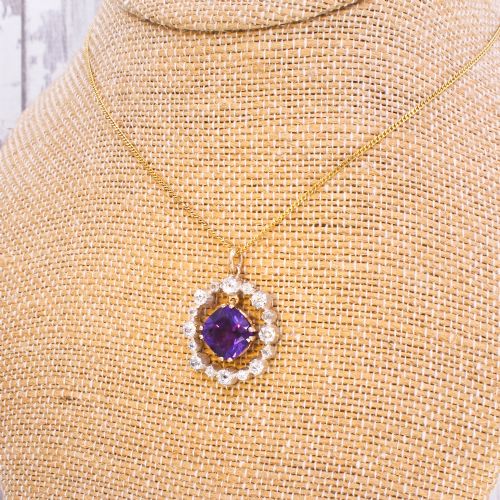
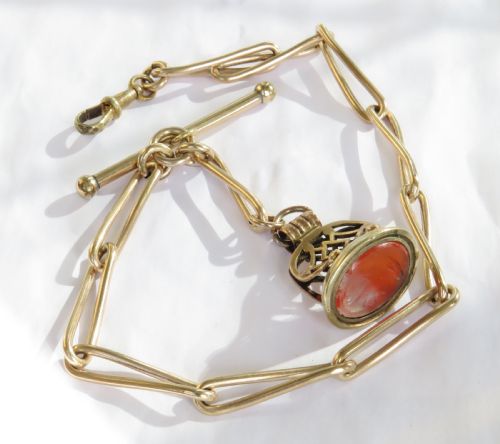
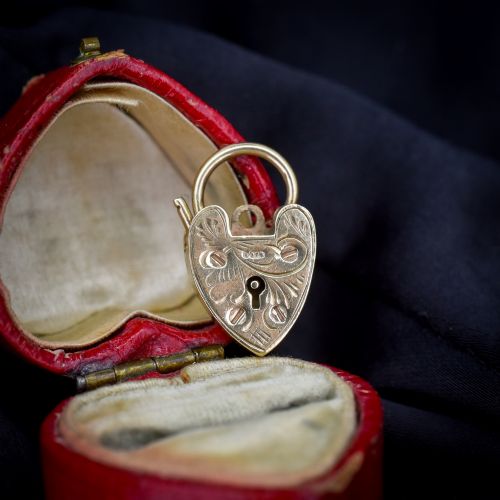
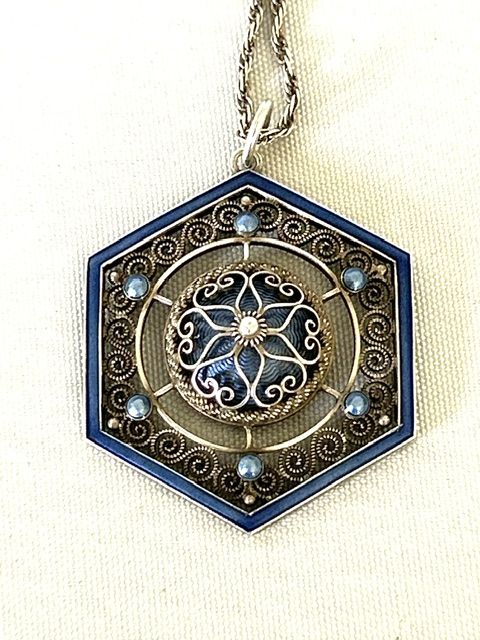
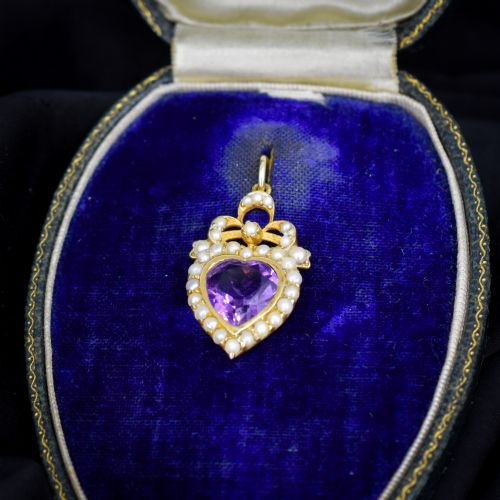
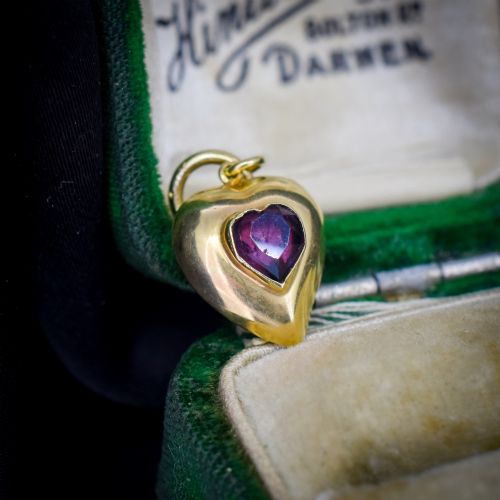
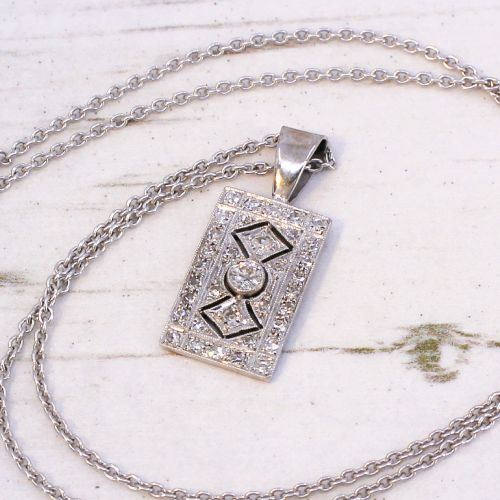
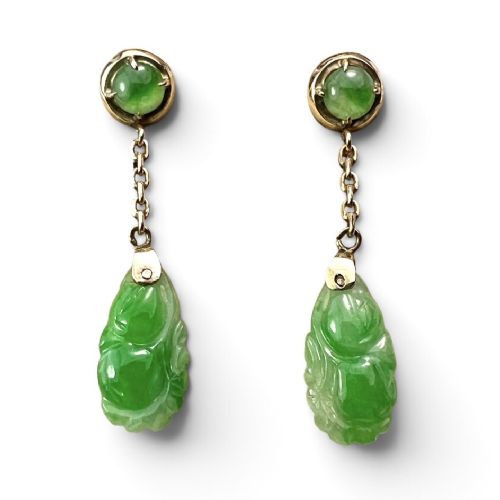
When you search for a vintage jewellery pendant, you encounter pieces spanning the Victorian, Edwardian and Art Deco periods, alongside mid-century and vintage designs. The selections here include heart padlocks, lavalier necklaces, guilloche enamel shields and gem-set drops.
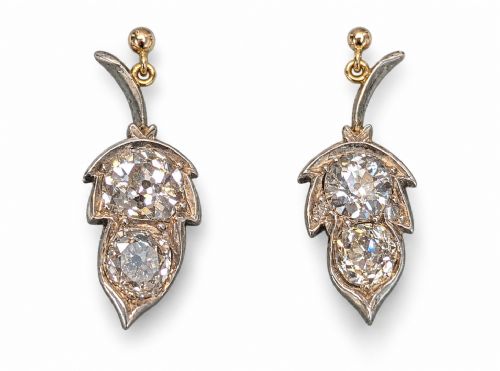
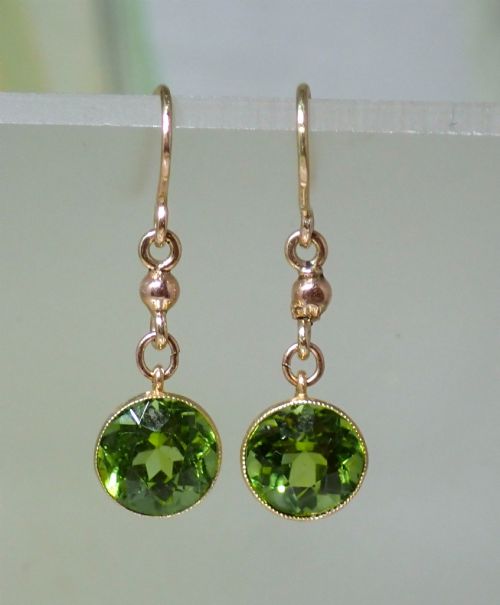
Most items you meet on this page originate from the early twentieth century, featuring stones like amethyst, peridot, turquoise and old cut diamonds set in gold or silver. Forms range from delicate seed pearl drops to bold carved jade and enamel work.
Materials and construction
Goldsmiths utilised 9ct gold, 15ct gold and silver as the primary foundations for these ornaments, frequently pairing them with seed pearls and amethysts. Technique relied upon hand-setting stones and shaping precious metals into delicate filigree, lavalier drops and engraved lockets.
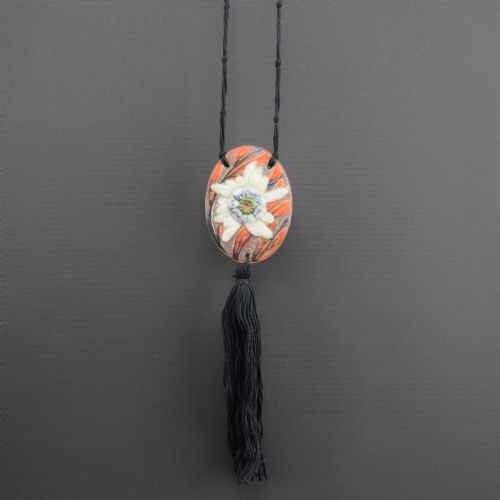
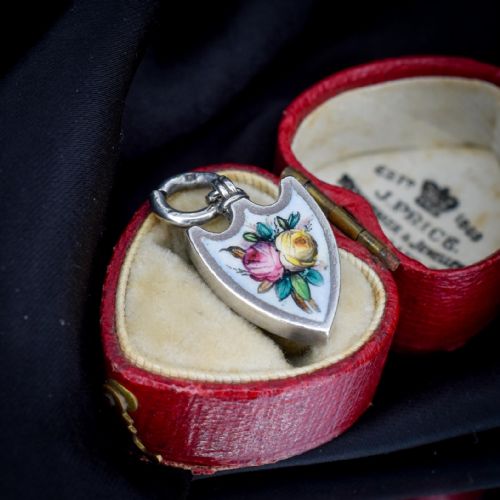
Enamelling techniques such as guilloche added translucent colour over engine-turned metal bases, while specialised glass paste replicated precious gems in period costume pieces. Workshops also employed pate de verre moulding to create sculptural glass motifs.
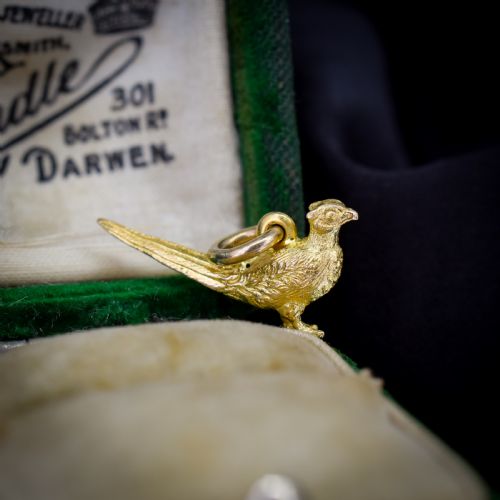
Several vintage charms depict small winged birds and roaring lions, proving that past generations enjoyed carrying miniature wildlife at the collar.
Assessing craftsmanship and finish
Quality rests in the precision of the metalwork, the security of prong or bezel settings, and the crispness of hand engraving on gold and silver surfaces. Superior pieces display harmonious proportions and intact enamel without chipping or crazing.
The selection of stones dictates distinction, with natural pearls, well-matched amethysts and old cut diamonds elevating a design above standard production. Maker attribution and Birmingham hallmarks further distinguish finer examples from unmarked items.
Marius Hammer·Argy Rousseau·Deakin & Francis
The Vintage Jewellery Pendant Glossary
- Lavalier
- A necklace featuring a pendant that drops below the main chain, popular during the Edwardian era. These pieces often incorporate swinging stones and delicate seed pearl swags.
- Guilloche
- An ornamental pattern engraved mechanically upon a metal surface beneath translucent enamel. This technique creates a repeating wave or ray effect visible under the glaze.
- Pate de verre
- A glass-working method where crushed glass is packed into a mould and fused in a kiln. The resulting components possess a dense, textured colouration.
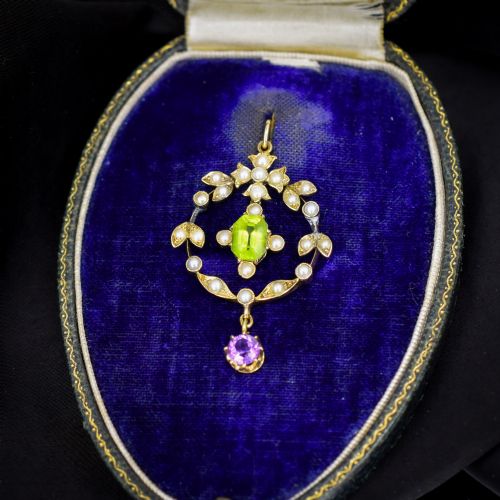
- Suffragette jewellery
- Pieces incorporating amethyst, peridot and pearl to display the colours associated with the women's social and political union. These items date predominantly from the early twentieth century.
Vintage Jewellery Pendant: Frequently Asked Questions
How do I identify an Edwardian pendant?
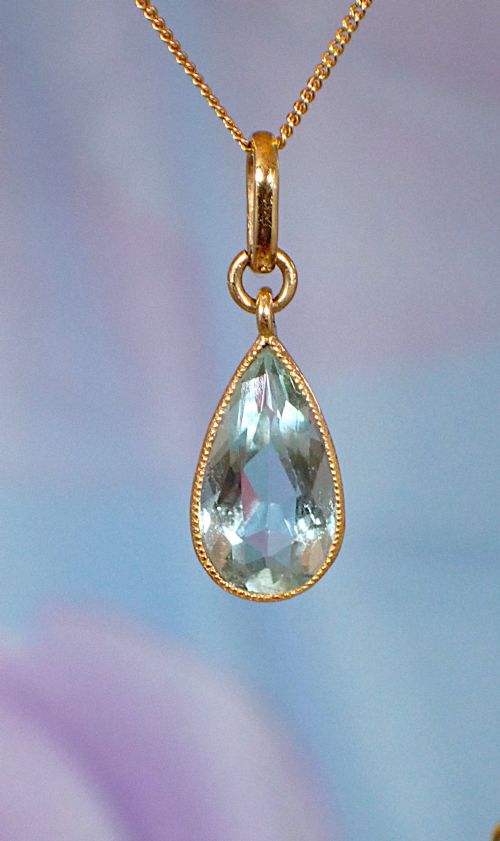
Edwardian pieces typically rely on platinum or yellow gold, featuring lace-like openwork settings and stones such as aquamarine, peridot and seed pearls. The aesthetic prioritises lightness, symmetry and delicate floral or ribbon motifs.
You can often confirm the era through hallmarks indicating early twentieth-century assay offices, or by examining the characteristic millgraining along the metal edges.
What is a lavalier necklace?
A lavalier is a specific necklace design where one or more ornamental drops hang from a central chain or fine bar. They gained widespread popularity during the early twentieth century.
The suspended drops are intended to catch the light with movement, frequently combining pearls and coloured gemstones in an asymmetrical or tiered arrangement.
How do I care for antique gold and silver?
Precious metals and period stones require gentle cleaning with a soft cloth rather than harsh chemical dips. Enamel and pearls are particularly sensitive to moisture and should be kept dry.
Store each piece separately in a lined box to prevent scratching between items, especially when dealing with softer gems like turquoise or amber.
What distinguishes Art Deco pendants?
Art Deco designs shift away from flowing curves toward rigid geometric shapes, sharp lines and high-contrast colour combinations. They frequently employ onyx, marcasite, carved jade and old cut diamonds.
Mountings in this style emphasise symmetry and architectural forms, reflecting the modern industrial influences of the 1920s and 1930s.